
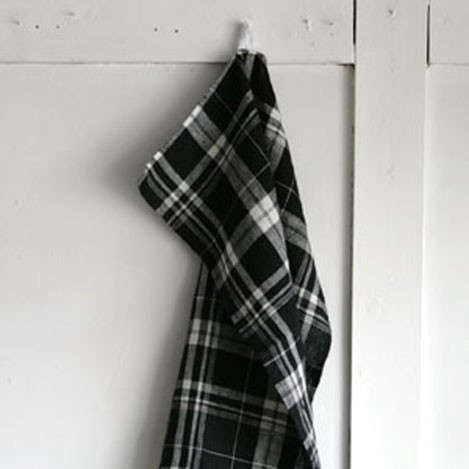
A great kitchen cloth is one of those small household upgrades that seems almost suspiciously simple. It is not a smart appliance, it does not require an instruction manual, and it will not send you a notification at 2:14 a.m. Yet the right cloth can quietly become the MVP of your kitchen. It dries dishes, catches drips, covers rising dough, lines bread baskets, wipes countertops, and somehow makes a messy Tuesday dinner feel a little more organized.
The Fog Linen kitchen cloth has earned a loyal following because it turns a practical item into something that feels thoughtful, durable, and genuinely pleasant to use. Made from linen and designed for everyday kitchen tasks, this cloth is a classic example of why humble tools often deserve more attention than flashy gadgets.
Whether you are building a low-waste kitchen, refreshing your countertop essentials, or simply tired of dish towels that become limp, smelly mysteries after two uses, Fog Linen kitchen cloths offer a hardworking alternative with an understated style. They are functional enough for serious cooking and attractive enough to hang where guests can see them without assuming you lost a bet.
What Is a Fog Linen Kitchen Cloth?
Fog Linen Work is a Japanese lifestyle brand founded by designer Yumiko Sekine. The company is known for creating simple, useful home goods with a focus on natural materials, timeless design, and everyday practicality. Its linen products are commonly made in Lithuania, a country with a long association with flax and linen production.
A typical Fog Linen kitchen cloth is made from 100% linen and measures approximately 17.5 inches wide by 25.5 inches long. That generous size makes it more versatile than a small dish rag while still being easy to fold, hang, and store. Most styles also include a cotton hanging loop, which is one of those tiny features that sounds unimportant until you have used it for a week and suddenly feel emotionally attached to it.
These linen kitchen towels are available in a range of colors, stripes, checks, herringbone patterns, and natural tones. The look is relaxed rather than overly polished. A Fog Linen cloth does not try to scream, “Look at me, I am decorative!” It simply sits there looking quietly competent, like the friend who brings homemade bread to dinner and never mentions the sourdough starter.
Why Linen Works So Well in the Kitchen
Linen is made from fibers of the flax plant. It has long been valued for its strength, breathable texture, and ability to become softer over time. In kitchen textiles, linen has a particularly useful personality: it is sturdy enough for daily work but lightweight enough to dry relatively quickly when hung properly.
Absorbency That Improves With Use
One of the biggest reasons people choose a linen kitchen towel is absorbency. New linen can feel a little crisp at first, especially compared with fluffy cotton terry towels. However, linen typically softens with washing and use. Over time, the cloth becomes more flexible, more comfortable in the hand, and better at absorbing moisture.
This makes a Fog Linen kitchen cloth especially useful for drying glasses, dishes, produce, and cookware. It can handle a damp stack of plates without becoming instantly soggy and dramatic. That matters in a busy kitchen, where one towel often gets asked to perform the jobs of three employees and a part-time intern.
A Lint-Light Option for Glassware
Many home cooks reach for linen towels when drying glasses, stemware, and polished serving pieces because linen is generally less lint-heavy than some cotton towels. While no fabric can promise magical perfection in every situation, a well-maintained linen cloth can help reduce the fuzzy aftermath that often appears when you dry a wine glass with a thick cotton towel.
For anyone who has ever held a glass up to the light and discovered it looks like it has been wearing a tiny sweater, that is a meaningful benefit.
Quick-Drying Everyday Utility
A kitchen towel that stays damp for hours can develop unpleasant odors faster than anyone would like to admit. Linen’s lighter weave and breathable structure can help it dry efficiently when hung in an open area. The hanging loop on a Fog Linen cloth makes it easy to place the towel somewhere with good airflow between uses.
Of course, quick-drying does not mean “never wash it.” A kitchen cloth should still be laundered regularly, especially after wiping spills, handling food-related messes, or working near raw ingredients. A beautiful linen towel is still a kitchen tool, not a magical force field against germs.
Best Uses for a Fog Linen Kitchen Cloth
The best part about a Fog Linen kitchen cloth is that it does not have to be assigned one boring job. It can move through the kitchen all day, helping with prep, cooking, serving, and cleanup.
Drying Dishes and Glassware
This is the obvious use, but it remains important. The cloth’s size gives you enough surface area to dry plates, bowls, cutlery, mugs, and glassware without constantly searching for a dry corner. It is especially useful when you want to hand-dry a few delicate pieces rather than run a full dishwasher cycle.
Covering Bread Dough
A clean linen kitchen towel can be used to loosely cover bread dough while it rests or rises. The cloth helps shield dough from dust and kitchen surprises while allowing some airflow. It is a practical choice for home bakers who want a simple alternative to plastic wrap.
Use a clean, dry cloth reserved for food-related tasks. A towel that previously wiped the stove should not be promoted to bread-duty without a proper wash. Dough deserves better than that.
Lining Bread Baskets and Serving Trays
A Fog Linen kitchen cloth can make an ordinary bread basket or serving tray look more intentional. Fold it into a basket before adding rolls, croissants, muffins, or sliced bread. The linen creates a warm, casual table setting without requiring you to own seventeen kinds of formal table linens.
It also works well beneath serving dishes or under a bowl of fruit when you want to soften the look of a wood, ceramic, or metal tray.
Keeping Warm Items Cozy
The cloth can be lightly draped over a teapot, basket of rolls, or freshly baked bread to help retain a little warmth while serving. It is not an insulated food container, so do not expect it to preserve heat for hours. Still, for a relaxed brunch or dinner table, it adds a useful layer between “fresh from the oven” and “why is my bread now the temperature of regret?”
Cleaning Small Kitchen Spills
For everyday spills like water around the sink, flour on the counter, or a few drops of coffee near the machine, a linen cloth can be a reliable reusable option. Keep one cloth specifically for cleanup and another for drying dishes or handling food. A simple color or pattern system can help prevent mix-ups.
For example, reserve neutral-colored cloths for dishes and food prep, striped cloths for countertop cleanup, and darker cloths for heavier tasks. This makes your kitchen more organized and reduces the chance of using the “counter towel” to dry a freshly washed wine glass. Nobody wants accidental countertop vinaigrette.
Fog Linen Kitchen Cloth vs. Cotton Dish Towels
Both linen and cotton dish towels have a place in the kitchen, but they perform differently. Cotton towels often feel softer immediately and can be excellent for heavier moisture absorption, especially thick terry styles. Linen, however, tends to offer a more lightweight feel, less bulk, and a relaxed texture that improves over time.
| Feature | Fog Linen Kitchen Cloth | Typical Cotton Dish Towel |
|---|---|---|
| Material | 100% linen | Usually cotton or a cotton blend |
| Feel when new | Crisp, textured, lightweight | Often soft and plush |
| Feel over time | Softens and develops a lived-in texture | May remain soft but can flatten with heavy use |
| Best uses | Dish drying, bread baskets, food prep, styling, light cleanup | Heavy spills, general drying, thicker grip tasks |
| Appearance | Minimal, natural, European-inspired | Wide range from basic to decorative |
The best choice depends on your kitchen habits. If you want one thick towel to absorb a major spill after your blender decides to stage a coup, cotton may be useful. If you want a versatile, lightweight cloth that looks good hanging in plain sight and becomes softer with use, linen is a strong choice.
How to Care for a Fog Linen Kitchen Cloth
Proper care helps a linen kitchen cloth stay useful for years. Fog Linen cloths are generally not pre-washed, so some shrinkage can occur after the first wash. This is normal for linen and should be expected when choosing the size and fit of the cloth for your kitchen routine.
Wash Gently
Machine wash the cloth on a gentle cycle using cool or lukewarm water and mild detergent. Avoid crowding the washing machine with heavy jeans, bulky towels, or items with hardware that could snag the linen fibers. A kitchen cloth may be tough, but it does not need to spend laundry day wrestling a zipper-heavy hoodie.
Skip Fabric Softener
Fabric softener can leave a coating on textile fibers, which may reduce absorbency over time. Linen naturally softens as it is washed and used, so fabric softener is unnecessary. Let the towel earn its softness honestly.
Dry With Care
Line drying is a practical way to maintain linen’s texture and reduce unnecessary heat exposure. If you use a dryer, choose a cool or low-heat setting and remove the cloth before it becomes excessively dry. High heat can contribute to shrinkage and make fibers feel rougher.
Treat Stains Early
For food stains, rinse the area promptly with cool water and treat it with a mild stain solution before laundering. The sooner you address tomato sauce, coffee, berry juice, or olive oil, the better your chances of keeping the cloth looking fresh.
Some staining is part of the story of a well-used kitchen towel. A faint mark here and there does not mean the cloth has failed. It means you cook, which is generally a better lifestyle choice than owning pristine towels while surviving entirely on cereal.
How Many Linen Kitchen Cloths Do You Need?
For most households, three to six linen kitchen cloths is a comfortable starting point. This gives you enough rotation for dish drying, food prep, cleanup, and laundry days without turning your drawer into a textile warehouse.
- Two cloths: Good for a small household or minimal kitchen setup.
- Three to four cloths: Ideal for regular home cooking and weekly laundry.
- Five to six cloths: Useful for frequent bakers, larger households, or people who enjoy assigning every towel a specific job.
Many people prefer keeping at least one Fog Linen kitchen cloth reserved for bread, produce, or serving and another reserved for drying dishes. A separate cleanup cloth is also smart. This small system makes the kitchen feel cleaner and reduces the awkward moment when you cannot remember whether the towel touched the counter, the dog bowl, or a tray of cinnamon rolls.
Is a Fog Linen Kitchen Cloth Worth It?
A Fog Linen kitchen cloth costs more than a basic discount-store dish towel, but the value is not only in the material. It comes from the combination of durability, thoughtful size, versatile design, and the ability to use the cloth in multiple ways throughout the day.
It is a good choice for people who appreciate natural-fiber kitchen textiles, enjoy simple home design, or want reusable tools that can replace some paper towel use. It is also a thoughtful gift for new homeowners, home cooks, bakers, hosts, and anyone who somehow owns three espresso machines but still dries dishes with a faded promotional towel from 2011.
The cloth is not meant to be a luxury object that sits untouched in a drawer. It works best when it becomes part of your routine: washed, hung, folded, stained a little, softened a lot, and used again tomorrow.
Experiences With a Fog Linen Kitchen Cloth: What Everyday Use Feels Like
Living with a Fog Linen kitchen cloth is less about a dramatic before-and-after transformation and more about noticing small improvements during ordinary kitchen moments. The first thing many people notice is the texture. A new cloth can feel firmer than expected, especially if you are used to thick cotton towels. It has a crisp hand feel and a slightly structured drape. Rather than feeling plush, it feels capable. It is the textile equivalent of a well-made canvas tote bag: not trying to cuddle you, but clearly ready to carry groceries in a surprise rainstorm.
After a few washes, the experience changes. The linen relaxes, softens, and becomes easier to fold around dishes or tuck into a basket. It begins to feel less like a new purchase and more like a dependable kitchen companion. That is one of the appealing things about linen: it does not peak on day one. It gradually becomes more familiar, more flexible, and more useful.
During meal prep, the size of the cloth becomes especially noticeable. It is large enough to sit beside a cutting board and handle quick tasks without constantly slipping into a tiny crumpled pile. You can use it to dry rinsed herbs, cover a bowl of dough, protect a warm loaf of bread, or wipe a few drops of water from the counter. It is not trying to be a paper towel replacement for every disaster, but it handles the daily little messes well.
There is also a quiet convenience in the hanging loop. After drying a few dishes, you can hang the cloth where air can circulate instead of tossing it over the sink edge in a damp heap. This sounds like the kind of advice people ignore until they have smelled a forgotten towel. Then suddenly, airflow becomes a topic of deep personal importance.
For entertaining, a Fog Linen kitchen cloth works beyond cleanup. Folded into a bread basket, draped beneath a serving bowl, or used as a casual napkin for a relaxed lunch, it adds texture without making the table feel overstyled. The natural colors and simple patterns work especially well with wood boards, ceramic dishes, stoneware mugs, and imperfect homemade food. In other words, it makes your table look welcoming even when the menu includes a slightly overbaked galette and a salad you forgot to dress.
In a small apartment kitchen, the cloth can also make the space feel less cluttered. Because it is useful and attractive, it does not need to be hidden. You can leave it hanging on an oven handle, hook, or cabinet knob. That means one less item crammed into a drawer alongside mystery utensils and takeout menus from restaurants that closed three years ago.
The practical experience does require a little care. Linen should be washed regularly, especially when used around food or wet surfaces. It should also be allowed to dry fully between uses. A dedicated rotation helps: one cloth for dishes, one for food prep or bread, and one for countertop cleanup. This small habit keeps the kitchen more hygienic while extending the life of each cloth.
Over time, the charm of a Fog Linen kitchen cloth comes from its ability to look better as it becomes part of your routine. It develops softness, subtle wrinkles, and the gentle lived-in character that makes linen feel less precious and more personal. It is not the loudest item in the kitchen, but it may become one of the most useful. And honestly, in a room already full of noisy appliances, a quiet overachiever is exactly what we need.
Note: Product colors, patterns, availability, and care details can vary by collection, so confirm current specifications before publishing product-specific buying information.














