
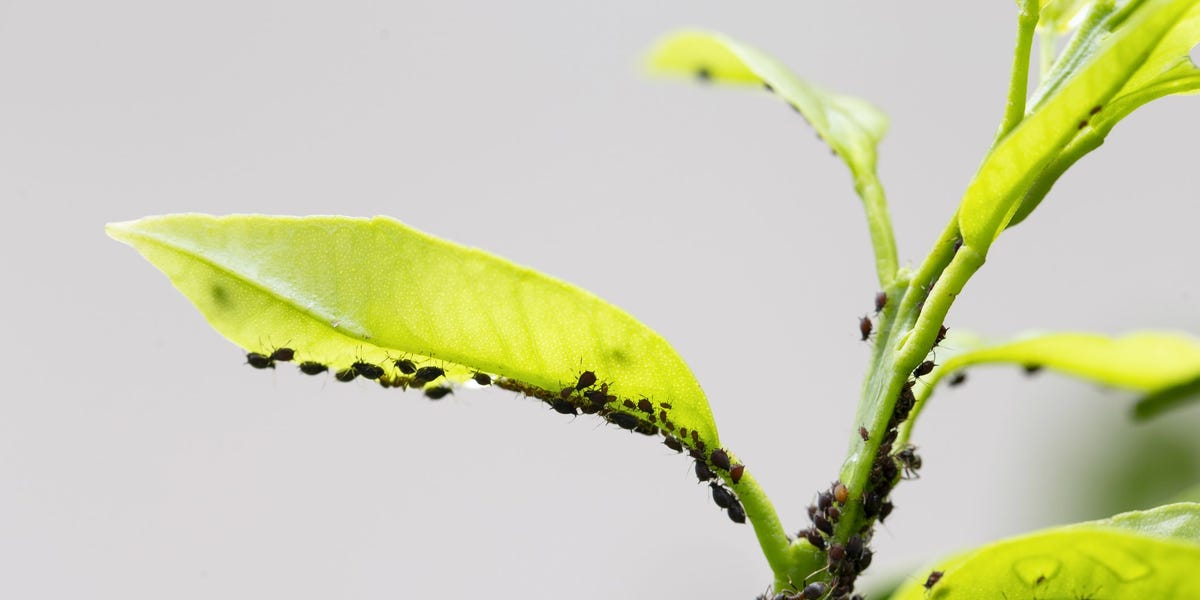
Summer gardens are supposed to be peaceful: tomatoes ripening, basil smelling like an Italian vacation, and butterflies drifting through the yard like tiny unpaid interns for beauty. Then you flip over one leaf and discover a full-blown insect convention. Aphids are shoulder-to-shoulder on your roses. Ants are marching like they have a mortgage meeting. Whiteflies scatter like plant confetti. Somewhere in the squash patch, a squash bug is quietly plotting a hostile takeover.
Welcome to warm-weather gardening, where pests do not need an invitation, a parking pass, or basic manners. The good news is that most garden insects are not disasters. Some are beneficial. Some are harmless. Some are annoying but manageable. The trick is learning who is nibbling, who is helping, and who needs to be escorted off the premises with a blast from the hose.
This guide breaks down the most common summer garden insects, why they show up, how to identify the damage, and what to do before your backyard turns into a buffet with leaves.
Why Summer Turns Your Garden Into Bug Central
Insects love summer for many of the same reasons we do: warmth, food, water, and plenty of places to hide. Tender new plant growth is especially attractive to sap-sucking pests like aphids, whiteflies, thrips, and spider mites. Heat speeds up pest life cycles, meaning some populations can multiply quickly when conditions are right. A small problem on Monday can become a “why is my pepper plant sticky?” mystery by Friday.
Dry weather can also make plants more vulnerable. Stressed plants are less able to tolerate feeding damage, and some pests, especially spider mites and thrips, thrive during hot, dry stretches. On the other hand, dense, overwatered, or weedy gardens can provide shelter for insects and make problems harder to spot early.
The best garden pest control strategy is not panic-spraying everything that moves. That approach can kill lady beetles, lacewings, parasitic wasps, hoverfly larvae, and other beneficial insects that naturally help keep pest populations in check. Instead, use an integrated pest management approach: identify the pest, monitor the damage, encourage natural enemies, remove problems early, and use low-impact treatments only when needed.
Aphids: Tiny Sap Vampires With Big Family Plans
Aphids are among the most common insects swamping gardens in summer. These soft-bodied pests cluster on tender shoots, flower buds, and the undersides of leaves. They may be green, black, yellow, gray, pink, or woolly-looking, depending on the species. Their favorite hobby is sucking plant sap and reproducing as if they are being paid per baby.
How to spot aphid damage
Look for curled leaves, distorted new growth, sticky honeydew, black sooty mold, and clusters of small insects on stems or leaves. Aphids are especially fond of roses, milkweed, peppers, beans, fruit trees, and many ornamentals. If the plant looks sticky and ants are patrolling it like security guards, aphids are likely nearby.
How to manage aphids
Start with the simplest tool: water. A strong spray from a garden hose can knock aphids off plants and remove sticky honeydew. Many aphids do not climb back successfully, which makes this method surprisingly effective. Prune heavily infested tips if needed. Avoid overfertilizing with high-nitrogen fertilizer, because lush new growth is aphid heaven.
For persistent colonies, insecticidal soap or horticultural oil may help when sprayed directly on pests. Always follow the product label, test sensitive plants first, and avoid spraying during extreme heat. Most importantly, protect beneficial insects. Lady beetle larvae, lacewing larvae, hoverfly larvae, and tiny parasitic wasps can dramatically reduce aphid populations if you give them a chance to work.
Ants: Garden Villains, Heroes, or Tiny Farmers?
Ants are not always bad in the garden. They aerate soil, recycle organic matter, and help clean up dead insects. But when ants start farming aphids, scale insects, mealybugs, or whiteflies for honeydew, they become a problem. Yes, ants basically run a miniature dairy operation, except the “cows” are aphids and the “milk” is sticky sugar water. Nature is beautiful and deeply weird.
Why ants protect aphids
Aphids excrete honeydew, a sweet liquid that ants love. In return, ants may defend aphids from predators such as lady beetles and lacewing larvae. This means an aphid infestation can get worse when ants are constantly guarding the colony.
How to manage ants in garden beds
First, find out why ants are present. If they are trailing up plant stems, inspect for aphids, scale, mealybugs, or whiteflies. Wash off honeydew, blast ant trails with water, and manage the sap-feeding insects. On trees or shrubs, sticky barriers may help keep ants from reaching honeydew-producing pests, but apply barriers correctly and never smear sticky products directly onto bark without a protective wrap.
For nuisance ant nests, use targeted bait or spot treatment rather than spraying the entire yard. Killing a few visible workers rarely solves the problem because most of the colony is hidden underground. The goal is to manage the nest or remove the food source, not declare chemical war on every ant with a commute.
Whiteflies: The Tiny White Cloud Nobody Asked For
Whiteflies are small, winged, sap-sucking insects that often gather on the undersides of leaves. When disturbed, they flutter up in a little white cloud, giving your tomato plant the dramatic flair of a haunted attic.
Plants whiteflies love
Whiteflies commonly attack tomatoes, peppers, eggplant, okra, cucumbers, and many ornamental plants. Like aphids, they produce honeydew, which can lead to sticky leaves and sooty mold. Heavy infestations can cause yellowing, wilting, leaf drop, and reduced plant vigor.
How to control whiteflies
Inspect leaf undersides regularly. Remove heavily infested leaves when practical. Yellow sticky traps can help monitor adult activity, though they will not solve a large infestation by themselves. Reflective mulch may reduce whitefly problems in some vegetable beds. Insecticidal soaps and horticultural oils can help when applied thoroughly to leaf undersides, but repeated applications are often needed.
Avoid broad-spectrum insecticides when possible because they can kill whitefly predators and parasitoids. A pesticide that removes the pest and its enemies may briefly feel like victory, then turn into a sequel nobody wanted.
Spider Mites: Not Insects, Still Extremely Rude
Spider mites are technically arachnids, not insects, but gardeners rarely pause for taxonomy when leaves are turning bronze. Two-spotted spider mites are common summer pests, especially in hot, dry weather. They are tiny, often requiring a hand lens to see clearly, but the damage can become obvious fast.
Signs of spider mites
Look for fine stippling on leaves, a dusty or bronzed appearance, leaf yellowing, and delicate webbing on undersides of leaves. Tomatoes, cucumbers, beans, eggplants, strawberries, roses, and many ornamentals can be affected.
How to prevent mite explosions
Keep plants evenly watered and reduce drought stress. Mulch helps conserve soil moisture, but do not pile mulch directly against stems. Rinse dusty foliage and walkways because dusty conditions can favor mite outbreaks. Avoid unnecessary insecticide sprays, especially broad-spectrum products, which can remove predatory mites and other natural enemies.
If mites are building, spray leaf undersides with water to dislodge them. Horticultural oils or insecticidal soaps may help when applied thoroughly, but they must contact the mites. Do not spray oils or soaps on drought-stressed plants or during high heat unless the label specifically allows it.
Japanese Beetles: The Metallic Party Crashers
Japanese beetles are easy to recognize: metallic green bodies, coppery wing covers, and the confidence of insects that know they look fancy while destroying your roses. Adults feed on leaves and flowers, often skeletonizing foliage by chewing tissue between leaf veins.
When Japanese beetles appear
In many regions, adults begin showing up in late June or early July and feed for several weeks. Roses, grapes, raspberries, linden, birch, beans, and many ornamentals may be attacked. Damaged leaves and flowers can attract more beetles, so early action helps.
Best control methods
Handpick beetles in the morning when they are sluggish and drop them into soapy water. Remove damaged flowers or leaves when practical. Netting can protect high-value plants. Be cautious with Japanese beetle traps: they attract beetles and may bring more into your yard if placed poorly. If you use them, keep traps far away from the plants you want to protect.
Healthy plants can often tolerate some feeding. A few lace-like leaves may look dramatic, but not every nibble requires intervention. Think of it as unwanted garden doily work.
Squash Bugs: The Reason Zucchini Gardeners Develop Trust Issues
Squash bugs attack squash, pumpkins, and related cucurbits. Adults are gray-brown, flattened insects, while nymphs are smaller and often gray with dark legs. They suck sap from leaves and stems, causing yellow speckling, wilting, browning, and plant decline.
How to find squash bugs early
Check the undersides of leaves for bronze-colored egg clusters, usually laid in neat rows. This is the one time in gardening when “organized” is bad news. Crush or remove eggs before they hatch. Look near the plant crown and under leaves for adults and nymphs.
How to manage squash bugs
Use floating row covers early in the season, removing them when flowers open for pollination. Place boards near plants overnight; squash bugs may hide underneath, allowing you to collect and destroy them in the morning. Remove old vines and garden debris at the end of the season to reduce overwintering sites.
Because squash bugs are hard to control once populations are large, early scouting matters. Waiting until the plant looks like it needs a motivational speech is usually too late.
Cucumber Beetles: Small Beetles, Big Disease Risk
Striped and spotted cucumber beetles feed on cucumbers, melons, squash, pumpkins, and other cucurbits. They chew leaves, flowers, and stems, but their worst trick is spreading bacterial wilt, a disease that can cause plants to wilt and die.
How to protect cucurbits
Use floating row covers or insect netting when seedlings emerge, then remove covers when plants begin flowering so pollinators can reach the blossoms. Remove garden debris in fall, rotate crops when possible, and monitor young plants closely. Yellow sticky traps may help with monitoring, but physical exclusion is often more effective early in the season.
If beetle pressure is high, neem, pyrethrin, or other labeled products may be options, but timing matters and labels must be followed carefully. Protecting young plants is the priority because seedlings and small transplants are especially vulnerable.
Thrips: Tiny Scrapers With Big Attitude
Thrips are slender, tiny insects that scrape plant tissue and suck up the contents. Their feeding can create silvery streaks, distorted leaves, stippled flowers, and black specks of excrement. They are especially troublesome on onions, flowers, peppers, tomatoes, and greenhouse plants.
How to identify thrips damage
Look for silvery or bleached areas on leaves, distorted new growth, and damaged flower buds that fail to open properly. On onions, thrips often hide deep in the neck of the plant, making them hard to reach.
How to reduce thrips
Use water sprays to knock them from plants, remove heavily damaged plant parts, and avoid letting weeds serve as pest reservoirs. Blue or yellow sticky cards can help monitor activity. Insecticidal soaps, oils, or spinosad products may help in some situations, but coverage is critical because thrips hide in tight spaces.
Flea Beetles, Leafhoppers, and Other Summer Troublemakers
Not every pest gets celebrity status, but several deserve a quick mention. Flea beetles chew tiny shot holes in leaves, especially on eggplant, arugula, radishes, and brassicas. Leafhoppers cause stippling, curling, yellowing, and sometimes transmit plant diseases. Caterpillars, including cabbageworms and hornworms, can remove impressive amounts of foliage in a short time. Slugs and snails are not insects, but they often join the summer damage parade by chewing ragged holes at night.
The management pattern is similar: identify the pest, inspect early, remove by hand where practical, use barriers such as row covers, encourage beneficial insects, and treat only when damage crosses your tolerance level.
Beneficial Insects: Do Not Fire the Garden Staff
A healthy garden is not an insect-free garden. It is a balanced garden. Lady beetles, lacewings, hoverflies, parasitic wasps, ground beetles, assassin bugs, minute pirate bugs, spiders, and predatory mites all help manage pests. Some of their immature stages look strange, even alarming. Lady beetle larvae, for example, resemble tiny alligators wearing punk-rock armor, but they are aphid-eating machines.
How to attract helpful insects
Plant a diversity of flowers with different bloom times, sizes, and shapes. Good choices include dill, fennel, cilantro, alyssum, yarrow, coneflower, goldenrod, asters, cosmos, and native flowering plants suited to your region. Leave a little habitat: mulch, plant diversity, and a few less-manicured corners can shelter beneficial insects.
Most importantly, reduce unnecessary pesticide use. Broad-spectrum sprays can wipe out pest predators, leaving your garden less protected later. Before spraying, ask: What pest is this? Is the damage increasing? Are beneficial insects already present? Can I remove the problem by hand, water, pruning, or row cover?
A Practical Summer Garden Pest Plan
1. Scout twice a week
Walk through the garden slowly. Check leaf undersides, new growth, stems, flower buds, and plant crowns. Bring a hand lens if you have one. Early detection is the difference between “a few aphids” and “the aphids have formed a government.”
2. Use water first
A firm hose spray can remove aphids, mites, thrips, and honeydew. It is cheap, fast, and less disruptive than many sprays. Do it in the morning so foliage can dry during the day.
3. Remove heavily infested parts
Prune out localized infestations. Drop pests into soapy water. Remove diseased or collapsing plants that are serving as pest hotels.
4. Choose barriers before bottles
Floating row covers, insect netting, collars around squash stems, and sticky barriers for ants can prevent damage before it starts. Prevention is often easier than rescue.
5. Use least-toxic products carefully
When needed, consider insecticidal soap, horticultural oil, neem, Bt for certain caterpillars, or spinosad for specific pests. Always choose a product labeled for the plant and pest. Follow directions exactly, and avoid spraying open flowers when pollinators are active.
Personal Garden Experience: What Summer Bugs Teach You the Hard Way
Every gardener eventually has a summer that feels less like a hobby and more like a detective show starring suspicious leaves. My most memorable pest lesson began with a pepper plant that looked glossy. At first, I thought, “Wonderful, healthy leaves!” Then I touched one and my fingers came away sticky. That was not plant confidence. That was honeydew.
Under the leaves, aphids had built a crowded little city. Ants were traveling up and down the stem with the seriousness of office workers during rush hour. I made the beginner mistake of focusing only on the aphids. I sprayed them off with water, felt victorious, and returned two days later to find the ants had apparently helped the survivors regroup. The real lesson was that aphids and ants often need to be handled together. Once I rinsed the plant, disrupted the ant trails, removed the worst infested tips, and stopped giving the plant too much nitrogen fertilizer, the problem finally slowed down.
Another summer, Japanese beetles arrived on my roses like they had reservations. They were shiny, bold, and completely uninterested in my feelings. I tried ignoring them for a few days, which is a fine strategy for emails but less successful for beetles. The damaged petals attracted more beetles, and soon the roses looked like lace curtains after a cat incident. Morning handpicking became the routine. A cup of soapy water in one hand, mild resentment in the other. It worked better than expected, especially when done early before the beetles warmed up.
Squash bugs taught a different lesson: check early or suffer later. The first time I grew zucchini, I admired the giant leaves and assumed all was well. Beneath those leaves, squash bug eggs were lined up like tiny bronze footballs. By the time the plant wilted, the nymphs were everywhere. The next season, I inspected leaf undersides twice a week and removed egg clusters before they hatched. That small habit saved the plants more effectively than any dramatic rescue attempt.
Spider mites were the sneakiest. They did not announce themselves with holes or big bugs. Instead, the leaves slowly looked dusty, pale, and tired. I blamed heat. Then I noticed fine webbing and realized the plant was not “having a moment”; it was being drained by mites. Watering consistently, rinsing leaf undersides, and avoiding unnecessary sprays helped prevent repeat outbreaks. The biggest surprise was how often pest problems were linked to plant stress. A thirsty plant is not just thirsty; it is also easier for pests to bully.
After a few seasons, the garden stopped feeling like a battlefield and started feeling like a neighborhood. Some residents were useful, some were annoying, and some needed eviction. The best results came from watching closely, acting early, and not reaching for the strongest spray at the first sign of movement. A garden with lady beetles, bees, spiders, hoverflies, and even a few chewed leaves is often healthier than a garden that has been sterilized into silence.
That is the real summer pest secret: you are not trying to eliminate every bug. You are trying to keep the drama below soap-opera levels. A few aphids can feed a lady beetle family. A few beetle-chewed leaves will not ruin a strong plant. But when pests begin multiplying, spreading disease, or weakening crops, it is time to step in with smart, specific action.
Conclusion: Keep Calm and Check the Undersides of Leaves
From ants to aphids, summer garden insects can feel overwhelming, but they are manageable when you know what to look for. Aphids bring sticky honeydew. Ants may protect them. Whiteflies flutter from leaf undersides. Spider mites thrive in hot, dry weather. Japanese beetles skeletonize leaves. Squash bugs and cucumber beetles can seriously damage cucurbits. Thrips leave silvery scars and distorted growth.
The best defense is a steady routine: scout often, identify accurately, water wisely, reduce plant stress, remove pests early, support beneficial insects, and use least-toxic treatments only when necessary. Your garden does not need to be bug-free to be productive. It just needs balance, patience, and occasionally, a very satisfying blast from the hose.














