
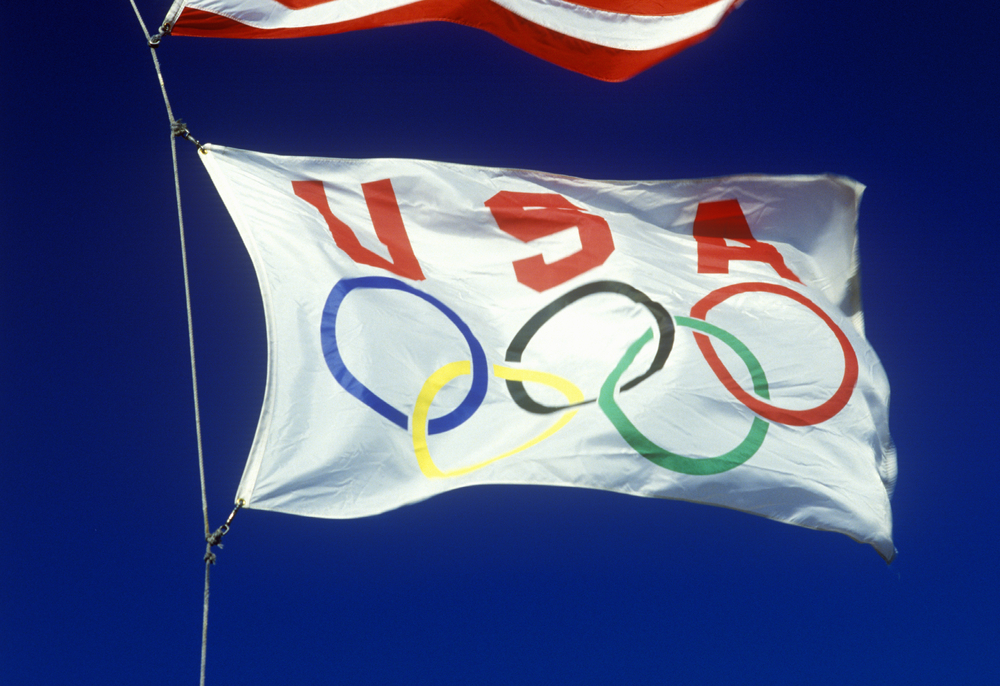
Some career journeys begin with fireworks. Others begin with a sore ankle, a blood pressure cuff, a patient who insists “it only hurts when I do this,” and a physician quietly thinking, “Then please stop doing that.” The path from primary care to Team USA is not a straight sprint. It is more like a championship relay: years of medical training, patient-centered judgment, sideline experience, teamwork, humility, and the ability to make calm decisions while everyone else is sweating through their lucky socks.
At first glance, primary care and Olympic-level sports medicine may seem like different planets. One happens in exam rooms with annual physicals, medication reviews, coughs, rashes, sprains, and the mysterious phrase “I Googled my symptoms.” The other happens around elite athletes chasing hundredths of a second, national records, podium finishes, and dreams big enough to need their own carry-on luggage. But the connection is stronger than it looks. Team USA does not need doctors who only understand muscles and medals. It needs clinicians who understand whole people.
That is where primary care shines. Primary care sports medicine blends everyday medicine with athletic performance. It asks a simple but powerful question: how do we keep active people healthy enough to do what they love? For a weekend runner, that might mean managing knee pain before a first 10K. For a high school soccer player, it might mean concussion care and safe return-to-play. For an Olympic athlete, it may mean coordinating care across injuries, travel stress, sleep disruption, nutrition, mental health, chronic conditions, medications, and the pressure of competing under a flag millions of people recognize.
What “Primary Care to Team USA” Really Means
The phrase “from primary care to Team USA” is not just about a doctor getting a cooler jacket. It describes a professional evolution. Many sports medicine physicians begin in family medicine, internal medicine, pediatrics, emergency medicine, or physical medicine and rehabilitation. After residency, they may complete a sports medicine fellowship, gain added certification, and build experience with athletes at local schools, colleges, community events, professional teams, national governing bodies, and eventually international competition.
In other words, Olympic medical care is not magic. It is primary care with the volume turned up, the travel schedule made spicier, and the decision-making clock set to “please hurry.” A primary care sports medicine physician must be comfortable with routine care and urgent surprises. They may evaluate respiratory infections, asthma, stomach issues, skin problems, menstrual health concerns, medication questions, joint injuries, muscle strains, stress fractures, heat illness, and concussion symptoms. The job is not glamorous every minute, unless you consider properly managing a blister glamorous. Which, in elite sport, it absolutely can be.
The Team Physician Is a Medical Quarterback
A Team USA physician does not work alone. Elite athlete care depends on a coordinated network that may include physicians, athletic trainers, physical therapists, massage therapists, chiropractors, psychologists, dietitians, strength coaches, specialists, and administrators. The team physician often functions like a medical quarterback, calling the play while making sure everyone understands the athlete’s health, privacy, goals, and safety.
This matters because athletes are not machines. A hamstring injury is not just a hamstring injury when the athlete has spent 12 years preparing for one race. A fever is not just a fever when it appears during a major championship. A return-to-play decision is not just a calendar calculation when a medal, scholarship, contract, or lifelong dream is involved. The physician must balance performance goals with medical reality. That balance requires clinical skill, ethical backbone, and the ability to say “not today” even when the entire room wishes the answer were different.
Training: The Long Road Before the Bright Lights
Becoming a physician involved in elite sports medicine takes patience. The usual path includes undergraduate education, medical school, residency, sports medicine fellowship, licensing exams, board certification, and ongoing continuing education. Many physicians also earn a Certificate of Added Qualification in Sports Medicine, which recognizes additional training in preventing, diagnosing, treating, and managing sports-related injuries and medical conditions.
But credentials are only part of the story. The best sports medicine physicians also develop field sense. They learn how to evaluate an injury on a sideline with limited space, loud fans, nervous coaches, and a clock that seems personally offended by careful thinking. They learn how to communicate with athletes who may minimize symptoms because competitors are famously bad at admitting pain. They learn how to collaborate with athletic trainers, who often know the athlete’s movement patterns, personality, and day-to-day status better than anyone else.
Primary Care Skills That Transfer to Elite Sports
1. Seeing the Whole Patient
Primary care teaches physicians to connect dots. A runner with fatigue may need more than a new shoe recommendation. The answer could involve iron deficiency, sleep problems, nutrition, stress, medication effects, or overtraining. An elite athlete with recurring illness may need a review of travel, immune stress, recovery habits, and environmental exposure. The primary care mindset prevents tunnel vision. It reminds the medical team that the body did not read the sports schedule and does not care how important the semifinal is.
2. Prevention Before Crisis
In sports medicine, prevention is not boring. It is the difference between a season and a setback. Primary care physicians are trained to think about vaccines, screenings, chronic disease prevention, safe medication use, and health education. In elite sport, that becomes pre-participation evaluations, heat acclimatization planning, concussion protocols, injury risk reduction, hydration strategies, sleep routines, and travel medicine. Prevention is the unglamorous hero wearing comfortable shoes.
3. Managing Uncertainty
Medicine often lives in the gray zone. Is the athlete safe to compete? Is this pain normal soreness or the early warning sign of something worse? Is the cough harmless, or is it about to bench the relay team? Primary care builds comfort with uncertainty because everyday medicine is full of incomplete information. Team USA-level care requires that same discipline, only faster and with more flags in the background.
Common Health Issues in High-Performance Athletes
Elite athletes are extraordinary, but they are still human. Their bodies may be highly trained, but they can still get infections, allergies, headaches, gastrointestinal problems, sleep disruption, anxiety, and plain old bad luck. Sports medicine physicians must handle both musculoskeletal injuries and general medical concerns.
Concussions require careful evaluation and a structured return-to-play progression. Heat illness requires prevention, early recognition, cooling strategies, and respect for weather conditions. Stress fractures may demand imaging, nutrition review, training modification, and patience. Tendon problems may require load management rather than a dramatic “never run again” speech. Mental health concerns require the same seriousness as physical injuries, because performance and well-being are inseparable. A gold medal mindset still needs sleep, support, and occasionally someone saying, “Let’s talk about how you’re really doing.”
Team USA Care Is About Systems, Not Superheroes
The public often imagines sports medicine as one heroic doctor sprinting onto the field. Real care is more organized than that. Before major events, medical teams plan staffing, emergency procedures, referral pathways, medication rules, documentation, equipment, athlete communication, and coordination with event medical services. During competition, they provide clinical care, in-competition support, and connection to extended resources. Afterward, they help athletes transition back to training centers, home clinicians, or ongoing rehabilitation.
This system-based approach is essential because Team USA athletes may represent dozens of sports with wildly different demands. A gymnast, wrestler, swimmer, cyclist, archer, sprinter, and Paralympic athlete may all need medical support, but their risks, equipment, classification rules, travel needs, and recovery strategies differ. Good sports medicine respects the sport, the athlete, and the context.
The Role of Athletic Trainers: The Sideline’s Secret Weapon
No discussion of sports medicine is complete without athletic trainers. Athletic trainers are health care professionals trained in prevention, emergency care, clinical evaluation, rehabilitation, and return-to-play support. They are often the first to notice when an athlete is moving differently, hiding pain, or trying to sneak back into drills with the subtlety of a marching band.
In many settings, the athletic trainer and physician partnership is the backbone of athlete care. The trainer sees the athlete daily. The physician brings diagnostic authority, broader medical management, and final clearance responsibility. Together, they create continuity. That continuity matters whether the athlete is a middle school basketball player or a Team USA competitor preparing for the biggest event of their life.
Mental Health Is Performance Health
Modern sports medicine has moved beyond the outdated idea that toughness means silence. Athletes face pressure, travel fatigue, injury stress, public criticism, identity challenges, and the emotional whiplash of winning or losing on a global stage. Mental health support is now understood as a core part of athlete care, not a bonus feature hidden behind the stretching mats.
Primary care physicians are often trained to screen for anxiety, depression, sleep problems, substance misuse, eating concerns, and stress-related symptoms. In elite sport, those skills become even more important. A physician does not have to be a psychologist to recognize when an athlete needs support and to connect that athlete with the right professional. The goal is not simply to keep athletes competing. The goal is to help them remain healthy people while they compete.
Return-to-Play Decisions: Where Medicine Meets Courage
Return-to-play decisions are among the hardest parts of sports medicine. The athlete wants back in. The coach may want the athlete back in. The fans definitely want the athlete back in, though fans should not be allowed near medical clearance decisions unless the diagnosis is “too many nachos.” The physician must consider symptoms, exam findings, imaging, sport demands, risk of worsening injury, long-term health, and the athlete’s informed preferences.
The best return-to-play decisions are not emotional guesses. They are structured, documented, and collaborative. They also require courage. Sometimes the most caring answer is no. Sometimes it is yes, with limits. Sometimes it is “not yet, but here is the plan.” That plan can protect careers, seasons, and lives.
Why Primary Care Still Matters at the Olympic Level
It is tempting to think elite sport is all advanced imaging, high-tech recovery tools, and secret performance formulas stored in a vault guarded by very fit people. But many crucial moments are simple medicine done well. Is the athlete hydrated? Are they sleeping? Is their asthma controlled? Is their medication allowed under competition rules? Are they eating enough to support training? Is the pain improving or escalating? Is there a safe plan if symptoms return?
Primary care is built for these questions. It values continuity, prevention, communication, and practical decision-making. That is exactly why the primary care foundation fits so well in Team USA medicine. The setting changes. The stakes rise. The core mission stays familiar: protect health, restore function, and help people live fully in the bodies they have.
Specific Example: A Runner With “Just a Little Shin Pain”
Imagine a distance runner preparing for a national competition. She reports shin pain but insists it is “nothing.” A less experienced approach might focus only on stretching or pain control. A primary care sports medicine approach widens the lens. How quickly did training volume increase? Is there focal bone tenderness? Any changes in nutrition, menstrual cycle, sleep, footwear, surface, or recovery? Does imaging suggest a stress reaction? Is the athlete at risk for low energy availability?
The treatment may include modified training, cross-training, nutrition support, physical therapy, and gradual return to impact. The goal is not to bubble-wrap the athlete. The goal is to solve the right problem before “little shin pain” becomes “see you next season.” This is the kind of thinking that scales from community clinics to international teams.
Specific Example: Heat, Travel, and the Athlete Who Feels “Off”
Now picture an athlete arriving at a summer event after long travel. The weather is hot, sleep is poor, appetite is strange, and practice feels harder than expected. A sports medicine team must consider dehydration, heat illness risk, jet lag, viral illness, medication effects, and training load. The solution may involve cooling strategies, schedule adjustments, hydration planning, sleep support, and monitoring. Again, this is primary care thinking in a performance environment.
Small details can become big outcomes. A missed warning sign can derail competition. A smart early adjustment can keep an athlete safe and available. In elite sport, “boring” prevention is often the most exciting thing that never makes the highlight reel.
The Human Side of Wearing Team USA Gear
Serving Team USA sounds glamorous, and sometimes it is. There are opening ceremonies, elite venues, unforgettable performances, and the rare thrill of watching someone achieve a dream in real time. But the work also includes long days, early mornings, documentation, logistics, anxious athletes, difficult decisions, and the occasional medical mystery that appears five minutes before transportation leaves.
The physician’s ego cannot be the main character. The athlete is the story. The medical team’s job is to support, protect, and guide. When done well, the best medical care may be nearly invisible. The athlete competes safely, the team communicates clearly, and nobody in the crowd knows how many small problems were solved behind the scenes.
What Young Clinicians Can Learn From the Path
For students and early-career clinicians dreaming about sports medicine, the lesson is simple: start with excellent fundamentals. Learn anatomy, physiology, diagnosis, communication, ethics, and emergency care. Volunteer responsibly. Seek mentors. Respect athletic trainers. Cover local events. Ask good questions. Stay humble. The road to elite sport often begins with showing up reliably for athletes who will never be on television but still deserve world-class attention.
Also, love ordinary medicine. If you only want the Olympic credential, the daily work may disappoint you. If you enjoy helping people move better, recover smarter, and understand their bodies, sports medicine can be deeply rewarding at every level. The Olympics may be the mountain peak, but the trail includes thousands of meaningful patient encounters.
Conclusion: The Finish Line Is Better Care
From primary care to Team USA, the journey is not about leaving everyday medicine behind. It is about carrying its best lessons forward. Whole-person care, prevention, careful listening, teamwork, and ethical decision-making are not basic skills. They are championship skills. The same habits that help a family physician manage a teenager’s ankle sprain or a runner’s fatigue can help an Olympic medical team protect an athlete on the world stage.
Team USA medicine reminds us that elite performance depends on human care. Behind every athlete chasing a medal is a network of professionals working to keep that person healthy, prepared, and supported. The physician may not stand on the podium, but their work helps athletes reach it. And honestly, in the strange and wonderful world of sports medicine, that is a pretty great seat.
Additional Experience: Lessons From the Clinic, the Sideline, and the Big Stage
The most valuable experiences related to “From primary care to Team USA” often happen far away from television cameras. They happen in small exam rooms, high school training rooms, community races, college tournaments, and early morning practices where the coffee is weak but the commitment is strong. These settings teach the habits that later matter in elite sport.
One important lesson is that athletes rarely present with textbook-perfect problems. A patient may describe knee pain, but the real issue may involve hip weakness, training errors, poor sleep, stress, or shoes that retired emotionally three months ago. A swimmer may complain about shoulder pain, but the solution may require stroke mechanics, strength balance, recovery planning, and honest conversation about workload. Primary care sports medicine teaches clinicians to investigate the full story rather than treating one body part like it lives alone in a studio apartment.
Another experience is learning how much communication affects recovery. Athletes want clear answers: What is wrong? Can I train? When can I compete? What happens if I push it? A good clinician explains uncertainty without sounding vague. Instead of saying, “We’ll see,” they might say, “Here is what we know today, here is what would worry me, here is what you can do safely, and here is when we reassess.” That kind of clarity builds trust. At the Team USA level, trust is everything because decisions may need to be made quickly under pressure.
Sideline experience also teaches humility. A physician may know the science, but the athletic trainer may know that this athlete always hides pain, or that their normal warm-up looks different today. A physical therapist may notice movement compensation. A dietitian may identify fueling problems. A psychologist may understand performance anxiety that appears as physical tension. Elite care is not a solo performance; it is a jazz band. Everyone needs to know when to play, when to listen, and when not to hit the cymbals.
There is also the emotional side. Athletes often connect health with identity. Being told to rest can feel like being told to stop being themselves for a while. In primary care, clinicians learn to care for people through fear, frustration, and uncertainty. That skill matters deeply in sports. An injured athlete may need medical treatment, but they also need someone to acknowledge the grief of missing competition. Compassion does not weaken performance care; it makes it more honest.
Finally, the journey from primary care to Team USA proves that excellence is built through repetition. Every ankle exam, every concussion evaluation, every return-to-play discussion, every pre-participation physical, and every difficult conversation becomes practice for larger stages. By the time a physician serves elite athletes, the foundation has already been laid in ordinary moments. The lesson is encouraging: world-class care is not created only in world-class arenas. It is built wherever clinicians take active people seriously, protect their long-term health, and help them return to what they love with wisdom instead of wishful thinking.
Note: This article is prepared as publish-ready HTML content and is based on real U.S. sports medicine, Olympic and Paralympic athlete care, athletic training, public health, and collegiate athlete wellness information. Source-link clutter has been intentionally left out of the article body for clean web publishing.













