
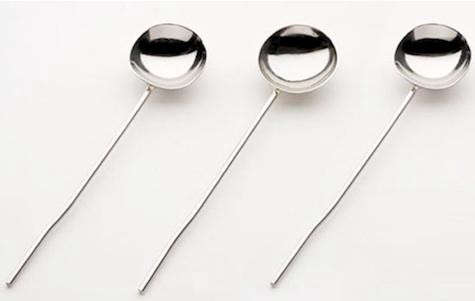
Some kitchen objects are loud about their importance. The stand mixer flexes on the counter. The espresso machine hisses like it has a graduate degree. The chef’s knife demands respect. And then there are Fruit Basket Coffee Spoons: tiny, polished, almost shy pieces of tableware that somehow manage to turn a simple cup of coffee into a small design moment.
At first glance, a coffee spoon may seem like the supporting actor of the breakfast table. It stirs sugar, swirls cream, taps the rim of a cup, and disappears beside the saucer. But the right spoon can do more than move liquid around. It can set a mood. It can make a coffee tray feel curated instead of accidental. It can whisper, “Yes, this household owns napkins that are not paper towels.”
The phrase Fruit Basket Coffee Spoons often brings to mind the elegant design language associated with Alessi’s Fruit Basket tea and coffee service, created by Japanese architects Kazuyo Sejima and Ryue Nishizawa of SANAA. The collection is known for stainless steel forms, refined simplicity, and a playful connection between tabletop objects and the idea of fruit arranged in a basket. In other words, these are not merely little spoons. They are tiny architectural guests invited to coffee.
What Are Fruit Basket Coffee Spoons?
Fruit Basket Coffee Spoons are small spoons designed for coffee service, typically used with espresso cups, demitasse cups, after-dinner coffee, or a stylish tea-and-coffee tray. The name is closely tied to a design concept where ordinary tabletop pieces become part of a larger visual story: cups, saucers, trays, containers, sugar bowls, creamers, and spoons working together like fruit gathered in a polished basket.
Unlike everyday teaspoons, coffee spoons are usually smaller and more delicate. They are made to fit neatly beside compact cups and saucers without overwhelming the setting. A regular teaspoon can look perfectly fine next to a mug the size of a soup bowl, but beside a demitasse cup, it may feel like someone brought a canoe paddle to a tea party.
The appeal of Fruit Basket Coffee Spoons is that they blend function with design. They stir espresso, mix sugar, serve tiny tastes of dessert, and add personality to the table. Their polished stainless steel finish also makes them versatile: they can look modern, classic, minimalist, or slightly whimsical depending on what you pair them with.
The Design Story Behind the Fruit Basket Look
The most interesting thing about Fruit Basket Coffee Spoons is not just their size. It is the idea behind them. SANAA, the architecture studio founded by Kazuyo Sejima and Ryue Nishizawa, is celebrated for lightness, clarity, and fluid spatial design. When architects approach a tableware project, they often think differently from traditional product designers. A cup is not just a cup; it is a small building for liquid. A tray is not just a tray; it is a plaza. A spoon is not just a spoon; it is a bridge between hand, cup, and ritual.
The Fruit Basket concept fits beautifully into that mindset. The tea and coffee service can be understood as a miniature landscape. The pieces sit together like objects in a still life, with rounded shapes and reflective surfaces creating a sense of softness. The stainless steel brings polish, but the fruit-inspired idea keeps the design from feeling cold. It is modern, but not robotic. Elegant, but not the kind of elegant that makes guests afraid to touch anything.
This is why Fruit Basket Coffee Spoons work so well in both formal and casual settings. They can accompany porcelain espresso cups after dinner, but they also look charming beside a small bowl of berries, a custard cup, or a tiny dish of sugar cubes. They invite use rather than museum-style staring, although staring is absolutely understandable.
Why Coffee Spoons Still Matter
In a world full of automatic milk frothers, pod machines, smart mugs, and coffee subscriptions with names that sound like indie bands, the coffee spoon remains wonderfully low-tech. It never needs charging. It never asks for a firmware update. It simply does its job.
But the coffee spoon matters because coffee is more than caffeine delivery. It is a pause. A ritual. A tiny negotiation with the morning. The spoon is part of that ritual. It measures sugar, folds in cream, breaks the crema on espresso, and gives the drinker a moment to slow down before the first sip.
Small spoons are especially useful for espresso and demitasse cups. They fit the scale of the cup, avoid awkward clanking, and make the table setting feel intentional. A demitasse spoon or coffee spoon also works well for sampling sauces while cooking, serving jam, scooping honey, presenting condiments, or adding a small flourish to dessert. The secret life of tiny spoons is surprisingly busy.
Fruit Basket Coffee Spoons vs. Teaspoons vs. Demitasse Spoons
These three spoon types often get mixed up, mostly because they all look like they belong in the “small but useful” drawer. Still, each has its own personality.
Coffee Spoons
A coffee spoon is generally small enough to fit beside a coffee cup or saucer. It is designed for stirring sugar, cream, or milk into coffee. Depending on the maker, it may be close in size to a teaspoon, though often more refined in shape and proportion. Coffee spoons are common in more polished coffee service, especially after dinner or with specialty cups.
Demitasse Spoons
Demitasse spoons are smaller than standard coffee spoons and are commonly paired with espresso or Turkish coffee cups. They are usually short, balanced, and delicate. Their compact size prevents the awkward experience of trying to stir a tiny espresso with a spoon that looks ready to serve mashed potatoes.
Teaspoons
Teaspoons are the everyday multitaskers. They stir tea, measure ingredients, scoop yogurt, and occasionally disappear into office kitchens forever. A teaspoon can be used for coffee, but for espresso cups or refined coffee service, a dedicated coffee spoon usually looks more balanced.
Materials: Why Stainless Steel Is a Smart Choice
Fruit Basket Coffee Spoons are often associated with stainless steel, and that is a very practical choice. Stainless steel is durable, corrosion-resistant, easy to clean, and visually adaptable. It can sit comfortably beside white porcelain, black stoneware, glass cups, marble trays, wood boards, or colorful ceramic mugs.
High-quality stainless steel also has a pleasing weight. This matters more than people think. A spoon that feels too flimsy can make a beautiful coffee service feel cheap. A spoon that feels too heavy can overpower a small cup. The best coffee spoons strike the Goldilocks balance: noticeable in the hand, but not dramatic enough to require a wrist warm-up.
A mirror-polished finish gives the spoon a refined look and helps it catch light on the table. That reflective surface is part of the charm. It adds sparkle without needing gemstones, glitter, or any other design decision one might regret by Tuesday.
How to Use Fruit Basket Coffee Spoons at Home
You do not need a formal dining room or a silver-service butler named Charles to enjoy Fruit Basket Coffee Spoons. They are surprisingly easy to use in everyday life.
1. Pair Them With Espresso Cups
The most obvious use is espresso service. Place one spoon on the saucer, behind or beside the cup handle, depending on your table style. Add a sugar cube or small wrapped chocolate, and suddenly your kitchen counter feels like a boutique café.
2. Use Them for After-Dinner Coffee
After a meal, bring out small cups of coffee with matching spoons. This simple gesture makes dessert feel more complete, even if dessert is just store-bought cookies arranged with suspicious confidence on a plate.
3. Serve Condiments and Sweeteners
Fruit Basket Coffee Spoons are perfect for sugar bowls, honey jars, jam dishes, lemon curd, whipped cream, and flavored syrups. Their small size helps guests serve modest amounts without accidentally building a jam mountain.
4. Style a Coffee Tray
Place a few spoons on a tray with cups, napkins, sugar, cream, and a small vase of flowers. The spoons add shine and rhythm. The tray feels styled, not staged. There is a difference: staged says “do not touch,” while styled says “please enjoy, but admire my taste first.”
5. Use Them Beyond Coffee
These spoons are excellent for mousse, panna cotta, affogato, sorbet, small fruit bowls, tasting portions, and tiny desserts. They slow down the eating experience in a pleasant way. A small spoon makes a small dessert feel generous, which is basically kitchen magic.
Buying Guide: What to Look For
When shopping for Fruit Basket Coffee Spoons or similar designer coffee spoons, consider more than looks. A spoon may be small, but it still has responsibilities.
Design Authenticity
If you are looking specifically for the Alessi Fruit Basket style, pay close attention to product names, designer credits, and collection details. Look for references to SANAA, Kazuyo Sejima, Ryue Nishizawa, Alessi, Fruit Basket, stainless steel, or a set of coffee spoons. Because design pieces can move in and out of production, availability may vary across retailers and resale platforms.
Size and Proportion
Choose spoons that match your cups. For espresso cups, shorter spoons are ideal. For larger coffee cups, a slightly longer coffee spoon may feel more natural. If the spoon keeps falling into the cup, it is too short. If it looks like it plans to row across the Atlantic, it is too long.
Material Quality
Stainless steel is a reliable choice for daily use. Look for smooth edges, a balanced handle, and a finish that feels polished rather than rough. If the spoon is decorative, check whether it is food-safe and easy to clean.
Comfort in the Hand
Good design is not only visual. A coffee spoon should feel pleasant to hold. The handle should not be sharp, slippery, or oddly shaped. The bowl should be deep enough to stir and serve small amounts without feeling clumsy.
Set Size
Sets of four are practical for everyday use, while sets of six or eight work better for entertaining. If you host dinner often, buy more than you think you need. Tiny spoons are like socks: one always seems to vanish into another dimension.
How to Style Fruit Basket Coffee Spoons
The best styling strategy is to let the spoons shine without forcing the theme. Because Fruit Basket Coffee Spoons already carry a design-forward identity, they pair beautifully with simple pieces.
For a minimalist setting, use white espresso cups, a stainless tray, and linen napkins. For a warmer table, combine the spoons with wood, handmade ceramics, and amber glass. For a playful brunch, place them beside colorful fruit bowls, berry baskets, and patterned dessert plates.
The fruit basket idea also gives you an easy visual cue: serve coffee with fresh fruit. A small bowl of grapes, figs, cherries, strawberries, or sliced citrus can echo the design theme without turning your table into a produce aisle. The goal is charm, not “farmers market cosplay.”
Care and Cleaning Tips
Stainless steel coffee spoons are generally easy to care for, but small pieces deserve attention. Rinse them soon after use, especially if they have touched coffee, citrus, salt, eggs, vinegar, or sticky syrups. These ingredients can leave marks if they sit too long.
Wash with mild dish soap and a soft sponge. Avoid steel wool, harsh scouring pads, or aggressive cleaners that can scratch the finish. If using a dishwasher, do not overcrowd the cutlery basket. Separate spoons from knives and other sharp utensils to reduce scratching. Dry them promptly to prevent water spots.
For a quick shine, buff the spoons with a soft cloth before serving. This tiny step makes a big difference, especially if the spoons have a mirror-polished surface. It is the tabletop equivalent of brushing your hair before a video call.
Are Fruit Basket Coffee Spoons Worth It?
They are worth it if you care about details. Not everyone needs designer coffee spoons, just as not everyone needs a special bowl for olives or a candle that smells like “rain on a Tuscan windowsill.” But beautiful everyday objects can make ordinary routines feel more enjoyable.
Fruit Basket Coffee Spoons are especially appealing for design lovers, coffee enthusiasts, hosts, collectors, and anyone who believes the table should have personality. They also make excellent gifts because they are small, useful, and more memorable than another generic mug. A set of elegant coffee spoons says, “I noticed you enjoy nice things,” without saying, “I panicked at the store.”
Practical Examples for Everyday Use
Imagine a Sunday morning coffee tray: two espresso cups, a small dish of raw sugar, a few strawberries, and four polished coffee spoons laid neatly on a linen napkin. Nothing complicated. No dramatic centerpiece. Just a calm, attractive setup that makes the morning feel less like a scramble and more like a scene from a tasteful lifestyle magazine where nobody has laundry on the couch.
Or picture a dinner party. The main meal is over, plates are cleared, and you bring out demitasse cups with coffee, small spoons, and squares of dark chocolate. Guests linger. Conversation softens. The spoons are not the star, but they help create the final note of the evening.
Another example: a dessert board with tiny bowls of lemon curd, whipped mascarpone, jam, chopped nuts, and fresh berries. Fruit Basket Coffee Spoons become serving pieces. Their size helps keep the board tidy, and their shine adds polish. Suddenly, “help yourself” looks thoughtfully designed.
Experience Notes: Living With Fruit Basket Coffee Spoons
The first thing you notice when using Fruit Basket Coffee Spoons is scale. They remind you that not everything in the kitchen needs to be oversized to be useful. In fact, their smallness is the point. They make a cup of coffee feel more focused. Instead of grabbing the nearest teaspoon from the drawer, you choose a tool that fits the moment.
In daily life, these spoons are surprisingly habit-forming. At first, you may reserve them for guests, because they seem too elegant for an ordinary Tuesday. Then one morning you use one for your own coffee, and the little ritual sticks. The spoon feels good in the hand. It makes a pleasant sound against porcelain. It stirs without splashing. It rests neatly on the saucer like it knows exactly where it belongs.
They also change how you serve small things. A jar of honey becomes less messy when paired with a dedicated small spoon. A sugar bowl looks more inviting. A tiny dish of cocoa powder, cinnamon, or nutmeg feels intentional beside the coffee machine. Even dessert becomes more fun. Eating pudding or gelato with a small coffee spoon stretches the experience, which is excellent news for anyone who believes dessert should last longer than a commercial break.
When hosting, Fruit Basket Coffee Spoons are conversation starters without being loud. Guests may ask where they came from or comment on their shape, shine, or size. That opens the door to talking about design, coffee rituals, or the underrated pleasure of nice tableware. It is a much better conversation than discussing traffic, weather, or why everyone’s phone battery is always at 12 percent.
The spoons also teach a small lesson about home design: luxury does not always mean large, expensive, or dramatic. Sometimes it means using a beautiful object for a simple task. A well-made coffee spoon can elevate five quiet minutes in the morning. It can make an after-dinner espresso feel complete. It can turn a tray of cups and sugar into a composition.
There is also pleasure in caring for them. Rinsing, drying, and polishing small spoons may sound fussy, but it can become part of the ritual. Because they are small, the effort is minimal. Because they are beautiful, the reward is immediate. A quick buff with a cloth and they are ready for the next cup, shining like they have somewhere elegant to be.
Of course, they are still spoons. They should be used, not imprisoned in a drawer for “someday.” The best design objects earn their place by becoming part of life. Use them for coffee. Use them for jam. Use them for tasting soup, serving berries, or sneaking one perfect spoonful of chocolate mousse from the fridge. The Fruit Basket Coffee Spoon may have design pedigree, but it also understands midnight snacking.
Over time, these spoons can become part of your personal table language. Maybe they come out every weekend. Maybe they live beside the espresso machine. Maybe they are used only when friends visit. However you use them, they bring a sense of care to a small daily act. And sometimes that is exactly what a home needs: not a grand renovation, not a new appliance, but one tiny polished spoon that makes coffee feel like an occasion.
Conclusion
Fruit Basket Coffee Spoons prove that small objects can carry big charm. They combine practical coffee service with thoughtful design, making them useful for espresso, after-dinner coffee, desserts, condiments, and beautifully styled trays. Their stainless steel finish, refined proportions, and design heritage give them lasting appeal for collectors, hosts, and everyday coffee drinkers who enjoy the art of details.
In the end, a coffee spoon does not need to shout. It only needs to fit the cup, feel good in the hand, and make the ritual a little more delightful. Fruit Basket Coffee Spoons do exactly that. They are tiny, polished reminders that good design can live in the smallest corners of the dayeven at the bottom of a coffee cup.














