
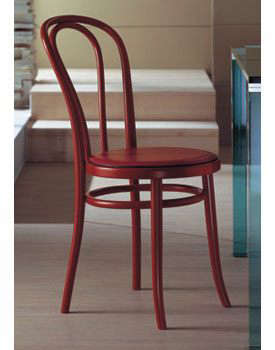
A red bentwood chair is the furniture equivalent of a perfectly timed wink: classic, clever, and just bold enough to make a room feel alive. It carries the elegance of 19th-century European café culture, the practicality of modern dining furniture, and the visual punch of a red accent piece. In other words, it is not just a chair. It is a tiny design event with four legs.
The bentwood chair has long been loved for its curved wooden frame, lightweight construction, and timeless silhouette. Add a red finish, and the familiar bistro chair becomes more expressive. It can brighten a breakfast nook, energize a home office, soften an industrial loft, or turn a simple dining table into something that looks intentionally styled rather than accidentally assembled after three online shopping tabs and one emotional coffee.
This guide explores the history, design value, styling ideas, materials, care tips, and real-life experience of living with a red bentwood chair. Whether you are furnishing a small apartment, refreshing a café-inspired kitchen, or hunting for one standout seat that does not shout but definitely clears its throat, the red bentwood chair deserves a closer look.
What Is a Red Bentwood Chair?
A red bentwood chair is typically a wooden chair made with steam-bent wood, often beech, shaped into graceful curves. The “bentwood” method allows wood to be softened with heat and moisture, bent into forms, and dried so it holds its shape. This technique creates strong, lightweight furniture with flowing lines rather than heavy carved pieces.
The red part is where personality enters the room. A red bentwood chair may be painted in glossy lacquer, finished in a matte tomato shade, stained in deep oxblood, or colored in a soft brick red. Each tone changes the mood. Bright cherry red feels playful and retro. Burgundy feels elegant and restaurant-ready. Earthy terracotta red feels warm, grounded, and very comfortable around wood floors, linen curtains, and ceramic mugs that look more expensive than they were.
Many red bentwood chairs take inspiration from the famous café chair associated with Michael Thonet, especially the No. 14 model, often called the Vienna coffee house chair or bistro chair. The look is easy to recognize: rounded back, slim curved supports, compact footprint, and a seat that may be cane, plywood, embossed wood, or upholstered.
The History Behind the Bentwood Chair
The bentwood chair became one of the most important furniture designs of the modern era because it solved several problems at once. It was elegant, affordable, lightweight, and suitable for mass production. Michael Thonet, a German-Austrian furniture maker, helped industrialize furniture manufacturing by perfecting methods for bending solid beechwood into graceful curves. His work changed the furniture world from heavy, carved, labor-intensive pieces to simpler designs that could be produced efficiently and shipped widely.
The iconic No. 14 chair, launched in 1859, became a breakthrough because it was practical as well as beautiful. It used a small number of components, could be assembled from parts, and was ideal for cafés, restaurants, and homes. The design was so efficient that it helped establish a new model for modern furniture: attractive objects that could be produced in quantity without losing their charm.
That legacy still matters. When you place a red bentwood chair in a room, you are not only adding seating. You are adding a design lineage connected to coffee houses, artists’ studios, city restaurants, old-world interiors, and modern homes. It is rare for a chair to feel historical and fresh at the same time. The bentwood chair pulls it off with the confidence of someone who has been stylish since 1859 and sees no reason to panic now.
Why Red Works So Well on a Bentwood Chair
Red is one of the most powerful colors in interior design. It brings energy, warmth, appetite, and visual focus. Used carefully, it can make a neutral room feel finished. Used carelessly, it can make a room feel like a tomato had a dramatic personal breakthrough. The key is proportion.
A red bentwood chair works because it offers a controlled dose of color. The chair’s frame is slim and airy, so the red finish does not dominate as much as a red sofa or painted wall might. It creates a focal point without swallowing the room. This is why a single red bentwood chair can look fantastic in a white kitchen, beside a wooden writing desk, or tucked into a hallway corner with a stack of books and a small plant.
The curved shape also softens the boldness of red. Straight red furniture can sometimes feel harsh or overly graphic. Bentwood curves make the color feel friendlier. The combination of rounded form and vivid finish creates a balance: lively, but not loud; classic, but not dusty; charming, but not pretending to be a museum piece wearing lipstick.
Key Design Features of a Red Bentwood Chair
Curved Wooden Frame
The signature feature is the bent frame. Instead of relying on bulky square legs and thick supports, bentwood chairs use continuous curves to create strength and style. The result is visually light and physically easy to move.
Compact Footprint
Most bentwood chairs are slim, making them ideal for apartments, cafés, small dining rooms, and breakfast corners. They slide neatly under tables and do not visually crowd a space.
Cane, Wood, or Upholstered Seat
Traditional versions often use cane or woven seats, which add texture and breathability. Modern versions may use molded plywood, embossed seats, or cushions. A cane seat gives the chair a vintage café feel; a solid wood seat is easier to wipe clean; an upholstered seat adds comfort for longer meals.
Expressive Red Finish
The finish defines the personality. Glossy red feels bold and modern. Matte red feels softer and more artisanal. Dark red feels sophisticated. Orange-red feels cheerful and casual. Before buying, consider whether the chair should be the star of the room or a supporting actor with excellent timing.
Where to Use a Red Bentwood Chair
Dining Room
A set of red bentwood dining chairs can make a table look instantly memorable. They work especially well with natural wood tables, black metal bases, marble tops, or white pedestal tables. For a softer look, mix two red bentwood chairs with neutral chairs. This creates a collected, designer-approved feel without requiring a trust fund or a mysterious antique dealer named Claude.
Kitchen Nook
Red is a natural fit for kitchens because it adds warmth and energy. One or two red bentwood chairs around a small café table can make a breakfast corner feel like a neighborhood bistro. Pair them with checkerboard flooring, white walls, brass hardware, or open shelving for extra charm.
Home Office
A red bentwood chair can work as a desk chair for short work sessions, especially if you add a cushion. It brings personality to a writing desk, craft table, or study corner. For all-day computer work, consider ergonomic support, but for a stylish laptop station, it is hard to beat.
Entryway or Hallway
In an entryway, a red bentwood chair gives guests a place to sit while removing shoes and gives the space an instant focal point. Add a wall hook, small rug, and framed print, and suddenly the hallway looks planned rather than merely passed through.
Bedroom Accent
A single red bentwood chair in the bedroom can hold a throw blanket, books, or tomorrow’s outfit. It is a more elegant alternative to the famous “laundry chair,” though honesty requires admitting that any chair can become a laundry chair if your week gets spicy.
How to Style a Red Bentwood Chair
The easiest way to style a red bentwood chair is to let it repeat once or twice in the room. That does not mean everything needs to match. In fact, too much matching can make a space feel stiff. Instead, echo the red through a small object: a book spine, a ceramic bowl, a striped towel, a framed poster, or a patterned rug with a touch of red.
For a classic look, pair red bentwood chairs with black-and-white elements. Think white walls, black picture frames, a marble-top table, and warm wood floors. For a farmhouse-inspired space, choose a slightly muted barn red and combine it with oak, linen, cream paint, and woven textures. For a modern apartment, try bright red chairs against gray walls and simple lighting. For a vintage café mood, use red chairs with a round table, brass accents, and warm pendant lighting.
The red bentwood chair also works beautifully with blue. Navy walls or blue-gray cabinetry can make red feel rich and intentional. Green is another strong partner, especially olive, sage, or deep forest green. The combination feels natural because red and green are complementary, but keep the shades sophisticated unless you want your dining room to accidentally audition for December.
Materials and Quality: What to Look For
When shopping for a red bentwood chair, look beyond color. A good chair should feel stable, balanced, and smooth to the touch. The curves should be clean, with no rough joints, splinters, or awkward gaps. If the chair has a cane seat, inspect the weave. It should feel firm, not brittle, sagging, or broken. If it has a wooden seat, check that it is securely attached and comfortable enough for your intended use.
Beechwood is historically associated with bentwood furniture because it bends well and has reliable strength. Many contemporary versions may use solid wood, laminated wood, or a combination of bentwood parts and plywood seats. These can all be practical, but construction quality matters. A bargain chair that wobbles before dessert is not a bargain. It is a future comedy routine.
Pay attention to the finish as well. Red paint should be even, sealed, and appropriate for use around food and frequent handling if the chair is for dining. Glossy lacquer can be easy to wipe but may show scratches. Matte finishes hide small marks better but may require gentler cleaning. If you are buying vintage, some wear can be charming, but structural weakness is not charming. It is a chair trying to become a puzzle.
Comfort: Beautiful, But Is It Sit-Friendly?
Bentwood chairs are admired because they are light and elegant, but comfort varies by model. A curved back can feel supportive for dining and conversation. Cane seats provide slight flexibility, while solid seats may feel firmer. If you plan to use the chair for long dinners, homework, reading, or remote work, consider adding a thin cushion. Choose one that ties on neatly and does not hide the chair’s shape.
The best red bentwood chair should support everyday life. It should be easy to pull out from the table, simple to clean, and comfortable enough that guests do not begin negotiations with the sofa after fifteen minutes. For restaurants or cafés, durability and stackability may matter. For homes, comfort and visual warmth often matter more.
Care and Maintenance Tips
A red bentwood chair is fairly easy to maintain if treated with basic respect. Dust it regularly with a soft cloth. Wipe spills quickly, especially on cane seats or matte finishes. Avoid soaking the wood, because too much water can damage finishes and joints. Use mild soap and a damp cloth for routine cleaning, then dry the chair completely.
If the chair has cane, keep it away from excessive dryness and direct sun. Natural cane can become brittle over time. A cushion helps distribute weight and protects the woven seat. If cane begins to sag slightly, some care guides recommend gentle moisture on the underside followed by complete drying, but avoid sitting on it until it is fully dry. Broken cane should be repaired rather than ignored, because one small break can invite its friends.
Protect the chair from harsh cleaners, abrasive pads, and extreme temperature changes. Use felt pads under the legs if the chair sits on wood floors. If the red finish chips, small touch-ups may be possible, but match the color carefully. “Close enough red” can become surprisingly visible under daylight.
Red Bentwood Chair vs. Other Accent Chairs
Compared with upholstered accent chairs, a red bentwood chair is lighter, easier to move, and better for dining or small spaces. Compared with metal café chairs, it feels warmer and more classic. Compared with molded plastic chairs, it brings natural texture and historical character. Compared with a large armchair, it offers less lounging comfort but much more flexibility.
This makes it a smart choice when you want visual impact without bulk. It is ideal for renters, small-space dwellers, café owners, and anyone who wants to refresh a room without replacing major furniture. A red bentwood chair can transform a corner faster than new paint, with fewer drop cloths and far less regret.
Buying Tips: How to Choose the Right One
Start by deciding whether you want a single statement chair or a matching set. One red bentwood chair can work as an accent. Four or six can define an entire dining area. If you are buying a set, measure your table carefully. Bentwood chairs are usually compact, but the curved back can affect spacing.
Next, choose the red tone. Bright red is bold and playful. Deep red is elegant and easier to blend with traditional interiors. Brick red works well with earthy palettes and contemporary organic design. Then decide on the seat type. Cane is classic and breathable. Wood is durable and easy to clean. Upholstery is softer but may need more maintenance.
Finally, test stability if possible. Sit, shift, and check for wobble. A good chair should feel light but not flimsy. The best red bentwood chair feels like it could survive dinner guests, morning coffee, a stack of books, and the occasional dramatic sit-down after opening your electricity bill.
Real-Life Experiences With a Red Bentwood Chair
Living with a red bentwood chair is different from admiring one in a product photo. In real life, the chair becomes a small but noticeable part of the daily rhythm of a home. The first thing you may notice is how easily it changes the mood of a room. Place it in a plain corner, and suddenly the space looks styled. Move it beside a small round table, and the room starts whispering “espresso,” even if you are drinking reheated grocery-store coffee in pajama pants.
One of the best experiences is how flexible the chair feels. It can begin the day at a breakfast table, move to a desk in the afternoon, and become extra seating for guests at night. Because bentwood chairs are lightweight, moving them does not feel like a home gym exercise. This is especially useful in apartments and smaller homes where furniture often needs to multitask. A red bentwood chair can serve as dining chair, accent chair, plant stand, temporary nightstand, or photography prop for anyone selling handmade candles online and pretending the background “just happened.”
The color also affects how people interact with the space. Guests often notice a red chair before they notice neutral furniture. It becomes a conversation starter. Someone may ask where it came from, whether it is vintage, or why it looks familiar. That familiarity is part of the charm. The bentwood shape has appeared in cafés, restaurants, studios, and homes for generations, so people recognize it even when they cannot name it.
Comfort depends on the model, but for everyday meals, a well-made bentwood chair is usually pleasant. The curved back supports relaxed sitting, and the open frame does not feel visually heavy. For longer use, a cushion helps. A thin linen or leather cushion can make the chair more comfortable without ruining its profile. The trick is choosing a cushion that looks intentional, not like the chair lost a bet with a sofa pillow.
Maintenance becomes part of the ownership experience too. A red finish can show dust, fingerprints, and small chips, especially if it is glossy. The good news is that cleaning is simple. A soft cloth handles most dust, and quick attention to spills prevents stains. If the chair has cane, it asks for slightly more care. Cane is beautiful, but it is not indestructible. A cushion helps protect it, and avoiding direct sun can extend its life. Over time, small signs of wear can actually make the chair more charming, especially if the overall structure remains strong.
The most satisfying part of owning a red bentwood chair is that it gives a room character without demanding a complete redesign. You do not need new flooring, new wallpaper, or a heroic budget. You can place one red chair beside a wood table and instantly create contrast. You can pair it with neutral walls and make the room feel warmer. You can use it in a child’s study corner, an adult reading nook, or a kitchen that needs one memorable detail. It is a low-commitment way to be brave with color.
In practice, the red bentwood chair is successful because it combines usefulness with personality. It is not precious furniture that makes everyone nervous. It is also not boring furniture that disappears into the background. It sits in the middle: practical, photogenic, historic, and cheerful. That is a rare combination. Plenty of chairs can hold a person. Fewer can hold a room together.
Conclusion: A Small Chair With Big Design Energy
The red bentwood chair proves that furniture does not need to be oversized to make an impact. Its curved wood frame connects it to one of the most important chapters in modern furniture history, while its red finish gives it contemporary energy. It is compact, versatile, expressive, and surprisingly easy to style.
Whether used around a dining table, in a kitchen nook, beside a desk, or as a hallway accent, this chair brings warmth and structure to a space. It works because it balances heritage and fun. The bentwood form keeps it elegant; the red color keeps it from taking itself too seriously. And honestly, every room can use at least one piece of furniture with good posture and a little personality.
If you want a piece that feels timeless but never boring, a red bentwood chair is a smart choice. It is proof that great design can be practical, beautiful, and just dramatic enough to make breakfast feel like a scene from a very stylish movie.














