
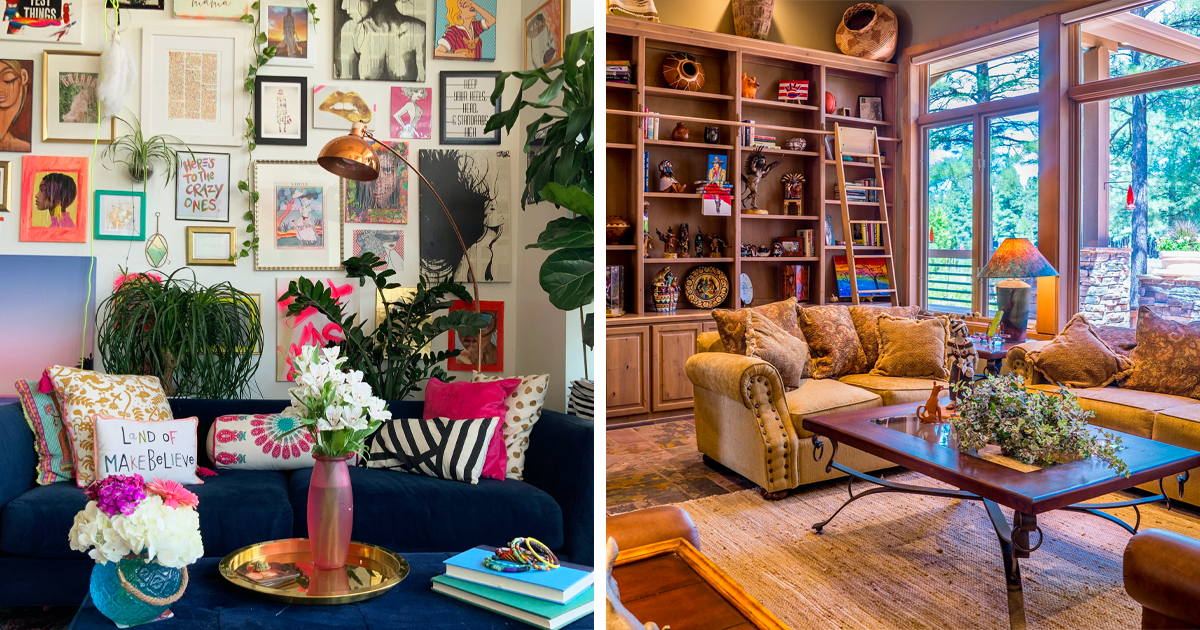
For years, decorating advice told us to keep walls pale, surfaces empty, and personalities politely tucked inside a storage res, and the occasional lamp shaped like a tropical bird into the roomand somehow persuades them all to get along.
However, maximalism is not simply filling every available inch with stuff. The best maximalist ientally walked into an estate sale during an earthquake.
Whether you are decorating a tiny apartment, reviving a neutral living room, or finally displaying a collection that has been hiding in boxes, these maximalist decor ideas will help you create a bold home that remains functional, comfortable, and unmistakably yours.
What Is Maximalist Interior Design?
Maximalist interior design follows a “more is more” philosophy, but the word more refers to expression rather than random accumulation. A successful maximalist room combines multiple colors, textures, patterns, eras, and meaningful objects within an intentional visual framework.
Unlike minimalist design, which creates calm through reduction, maximalism creates energy through layering. It may blend floral wallpaper with striped upholstery, antique furniture with contemporary artwork, and polished brass with natural rattan. The goal is not perfect matching. The goal is a room in which different elements seem to be participating in the same lively conversation.
Maximalism Versus Clutter
Clutter is usually accidental. Maximalism is edited. In a cluttered room, objects compete for attention and interrupt daily activities. In a well-designed maximalist space, collections are grouped, colors repeat, furniture supports movement, and important surfaces remain usable.
A useful test is to ask whether each visible item contributes color, texture, function, or personal meaning. When the answer is no, the object may be occupying valuable visual real estate without paying rent.
Start With a Cohesive Color Story
Maximalist decorating becomes easier when the room has a defined color direction. You do not need to limit yourself to two timid shades, but you should identify a small group of dominant colors that can reappear throughout the space.
For example, a living room might begin with emerald green, raspberry, navy, and warm gold. The green could appear in the wall paint, a patterned rug, and several pieces of artwork. Raspberry might return in pillows and lampshades, while navy grounds the sofa and drapery. Repetition turns a collection of bold choices into a recognizable design story.
Use the 60-30-10 Rule as a Flexible Starting Point
A practical approach is to let one color occupy roughly 60 percent of the room, a secondary color cover about 30 percent, and brighter accents make up the remaining 10 percent. Maximalists can treat those numbers as friendly suggestions rather than constitutional law.
The dominant color creates continuity, while smaller accents provide surprise. If every color demands top billing, the room may begin to resemble seven lead singers fighting over one microphone.
Mix Patterns by Changing Their Scale
Pattern mixing is one of the most recognizable maximalist decor techniques. Florals, stripes, checks, animal prints, paisleys, and geometrics can coexist beautifully when they differ in scale and share at least one connecting color.
Begin with a large-scale pattern, such as oversized botanical wallpaper or a broad geometric rug. Add a medium pattern through curtains or upholstery, then introduce smaller motifs on pillows, lampshades, or decorative boxes. The variation allows each pattern to remain visible instead of dissolving into visual static.
Create a Throughline
A throughline is the element that makes unrelated patterns feel connected. It might be a repeated color, a botanical theme, a shared historical period, or a consistent mood.
Imagine a bedroom with blue-and-white chinoiserie wallpaper, a striped upholstered headboard, and a small leopard-print bench. The patterns are different, but repeated blue tones and warm neutral accents help them work as a group. Leopard, apparently, can be a neutral when it behaves itself.
Turn the Ceiling Into the Fifth Wall
Leaving the ceiling white is perfectly acceptable, but maximalism has never been especially interested in merely acceptable. Painting or wallpapering the ceiling can make an ordinary room feel immersive and complete.
In a dining room, try a dark glossy ceiling that reflects candlelight. In a bedroom, extend floral wallpaper overhead to create a cocoon-like effect. A hallway can handle a playful geometric print, while a powder room is an excellent location for something dramatic, surreal, or delightfully unnecessary.
If a fully patterned ceiling feels intimidating, paint it one of the less dominant colors found elsewhere in the room. This creates a bold effect without introducing another competing motif.
Build a Gallery Wall With Personality
A maximalist gallery wall should look collected over time rather than ordered from a single matching set. Combine paintings, photographs, prints, textiles, mirrors, sculptural objects, and small sentimental pieces.
Frames do not need to match, but they should relate. You might repeat black, antique brass, and natural wood finishes. Arrange one large anchor piece first, then build outward with smaller works. Maintain reasonably consistent spacing so the display looks energetic rather than unstable.
Plan Before You Hammer
Trace each frame onto paper, tape the templates to the wall, and adjust the layout before making holes. This simple step prevents the classic decorating sequence of measuring once, hammering confidently, and later placing a suspiciously large plant in front of the evidence.
Use Collections as Intentional Decor
Collections add depth because they communicate genuine interest. Ceramics, vintage cameras, colorful glassware, old books, records, masks, baskets, or travel souvenirs can become powerful focal points when displayed as a group.
Grouping similar items turns quantity into structure. Instead of placing six ceramic vases in unrelated corners, arrange them together on shelves or a long console. Vary their heights, leave small gaps between clusters, and repeat a color or material nearby.
Display only the strongest pieces at one time. Rotating a collection seasonally keeps the room fresh and protects it from becoming a museum gift shop run by an overly enthusiastic curator.
Combine Vintage and Modern Furniture
Rooms feel richer when every object does not appear to have arrived on the same delivery truck. Pairing vintage furniture with contemporary pieces introduces contrast, history, and individuality.
A sculptural modern sofa can sit beside an antique side table. A traditional wooden dresser becomes more interesting beneath abstract artwork. Midcentury chairs can surround a rustic farmhouse table, while a sleek acrylic coffee table creates breathing room among heavily patterned textiles.
Try to balance visual weight. If the room contains several dark, ornate antiques, include lighter furniture, reflective surfaces, or open-legged pieces. This keeps the design from becoming physically and visually heavy.
Layer Texture for a Rich, Touchable Room
Color and pattern receive most of the attention in maximalist interiors, but texture is equally important. It gives the room depth and prevents vibrant color schemes from feeling flat.
Mix velvet, linen, wool, silk, boucle, leather, cane, lacquer, metal, glass, and natural wood. A velvet sofa can sit on a woven rug beneath glossy pendant lights. Embroidered pillows, fringed throws, carved frames, and pleated lampshades add smaller tactile details.
Contrast is more effective than repetition. Smooth surfaces look more polished beside rough ones, and soft fabrics feel more luxurious against metal or stone. Your room should invite people to look closely, although licking the wallpaper remains discouraged.
Choose One Unforgettable Statement Piece
Even a layered room benefits from a clear focal point. Choose one feature that captures attention immediately, then allow surrounding elements to support it.
The focal point might be scenic wallpaper, a monumental painting, a jewel-toned sectional, a sculptural chandelier, or an unusually shaped bookcase. In a bedroom, it could be a tall patterned headboard. In a dining room, it might be an oversized pendant suspended above a vintage table.
A statement piece does not need to be expensive. A secondhand cabinet painted cobalt blue can have more impact than a costly beige console with the emotional range of an office printer.
Use Lighting as Decoration
Maximalist lighting should do more than prevent people from walking into furniture. Lamps and fixtures can introduce color, sculpture, texture, and humor.
Layer overhead lighting with table lamps, floor lamps, sconces, picture lights, and candles. Replace basic shades with pleated, painted, or patterned versions. Consider colored glass bases, oversized ceramic lamps, vintage brass fixtures, or chandeliers with unusual silhouettes.
Repeated pools of warm light also make a visually busy room feel comfortable. Bright overhead light alone can flatten layers and make the space feel more like a showroom than a home.
Maximize Small Spaces Without Overcrowding Them
A small room can handle maximalist style surprisingly well. In fact, committing to bold color or pattern can give a compact space a stronger identity. The key is maintaining physical function.
Use vertical space with tall shelving, floor-to-ceiling curtains, and artwork that draws the eye upward. Choose furniture with hidden storage, keep walkways open, and avoid placing decorative objects on every working surface.
In a small bedroom, one patterned wall, a colorful bed, layered textiles, and a compact gallery arrangement may provide all the drama you need. In a powder room, you can go further with wallpaper, saturated paint, an ornate mirror, and sculptural lighting because the room is experienced in short visits.
Create Resting Places for the Eye
Every corner does not need to perform a visual solo. Include a few simpler areas, such as a solid-colored sofa, an unpatterned section of wall, or a clean tabletop. These pauses make the bolder moments easier to appreciate.
Bring Maximalism Into Every Room
Living Room
Start with a bold rug or sofa, then layer artwork, books, pillows, plants, and lighting. Keep the primary seating comfortable and leave enough room for people to move through the space without completing an obstacle course.
Bedroom
Use patterned bedding, an upholstered headboard, dramatic curtains, and layered bedside lighting. Repeating one calming color throughout the room can keep maximalist details from interfering with rest.
Kitchen
Display attractive cookware, ceramics, art, and vintage serving pieces. Add color through cabinets, a backsplash, stools, or wallpaper. Keep food-preparation zones relatively clear so personality does not become a fire hazard.
Bathroom
Experiment with statement wallpaper, colorful tile, decorative mirrors, painted vanities, and unusual sconces. Because bathrooms are generally small, one dramatic material can transform the entire room.
Hallway
Treat the hallway as a destination rather than an undecorated commute between rooms. Add a runner, gallery wall, rich paint color, or patterned ceiling. A narrow console can hold a lamp and one edited group of objects without blocking traffic.
Budget-Friendly Maximalist Decor Ideas
Maximalism does not require purchasing a houseful of luxury furniture. It rewards creativity, patience, and the ability to recognize potential beneath a questionable coat of brown varnish.
- Shop thrift stores, estate sales, flea markets, and online resale listings for frames, lamps, mirrors, ceramics, and small furniture.
- Paint inexpensive furniture in saturated colors or add decorative hardware.
- Frame postcards, fabric remnants, book illustrations, maps, or children’s artwork.
- Recover lampshades and seat cushions with leftover patterned fabric.
- Use removable wallpaper inside bookcases, closets, cabinets, or small rental-friendly spaces.
- Group ordinary objects by color to make them appear more intentional.
Build the room gradually. A maximalist interior gains authenticity when it develops through discoveries rather than a single frantic shopping trip.
Common Maximalist Decorating Mistakes
Buying Decor Without a Plan
An item can be attractive and still have no meaningful role in your room. Before buying it, identify where it will go and how it relates to your color story, collection, or functional needs.
Using Too Many Equal-Sized Patterns
Patterns of similar scale compete. Mix large, medium, and small motifs, and include solids to separate them.
Ignoring Negative Space
Maximalism still needs pauses. Leave some space around major artwork, keep selected surfaces clear, and protect practical areas from decorative overflow.
Forgetting Function
A beautiful chair that cannot be reached beneath six pillows is technically a pillow shelf. Make sure doors open, drawers operate, lamps provide useful light, and guests have somewhere to place a drink.
Following Trends Instead of Personal Taste
A maximalist room should reveal something about the person who lives there. Select colors, objects, and themes that have genuine appeal rather than recreating a fashionable room item by item.
Real-World Experiences With Maximalist Decorating
One of the most useful lessons I have learned from experimenting with maximalist decor is that the room usually needs fewer new objects than expected. What it needs is a better relationship among the objects already there. In one ordinary living room, books were scattered across three pieces of furniture, artwork was hung too far apart, and decorative objects appeared in unrelated corners. Nothing was especially unattractive, but the space felt restless.
The transformation began without buying anything. The books were grouped by subject and approximate color on one shelf. Small artworks were moved closer together to form a compact gallery wall. Three ceramic pieces that had been separated were arranged on the same console. The room immediately felt more intentional because isolated items had become collections.
Color provided the next breakthrough. A rust-colored pillow already matched a small section of the rug, so that shade became a recurring accent. A thrifted lampshade, a framed textile, and a throw blanket repeated the same warm tone. None of the pieces matched exactly, but the repetition made them feel related. The lesson was simple: maximalism does not depend on identical colors. It depends on recognizable echoes.
Another experiment involved mixing patterns in a bedroom. The first attempt combined floral bedding, geometric curtains, checked pillows, and a patterned rug. Every print was roughly the same size, and the result felt strangely flat despite all the activity. Replacing the curtains with a larger stripe and adding two solid pillows created instant order. The room still had four patterns, but each one occupied a different visual level.
The most difficult part was learning to edit. Maximalist decorating can make removing an item feel like betraying the entire philosophy. In reality, editing strengthened the design. Several objects were placed in storage and rotated back into the room later. This made familiar possessions feel new and prevented shelves from becoming so full that individual pieces disappeared.
Lighting also changed the atmosphere more than expected. A single ceiling fixture made the room appear busy and flat after dark. Adding two table lamps and a small picture light created separate areas of illumination. The colors looked richer, metallic surfaces gained depth, and the room became noticeably more comfortable.
Perhaps the biggest surprise was that visitors responded most strongly to personal objects rather than expensive ones. A framed handwritten recipe, a stack of old travel books, and an odd ceramic cat generated more conversation than a costly new coffee table. That experience confirmed the real strength of maximalist design: it gives ordinary possessions enough context to become part of a story.
The practical formula that emerged was to begin with one loved object, identify its colors or mood, and gradually build outward. Add contrast, repeat key elements, group related items, and remove anything that weakens the composition. The room does not need to be finished quickly. In fact, maximalist interiors often become more convincing when they are allowed to evolve over time.
Conclusion: Make More Feel Meaningful
Game-changing maximalist decor is not about cramming a home with every attractive object you encounter. It is about creating meaningful abundance. A strong color story, varied pattern scales, layered textures, personal collections, vintage contrasts, and thoughtful lighting can transform even the most ordinary room.
Begin with what you already love. Choose one bold idea, repeat its visual language, and build the space in layers. Edit when necessary, protect daily function, and leave enough breathing room for your favorite pieces to be noticed. When every element contributes to the story, “more is more” becomes more than a sloganit becomes a home with personality.














