
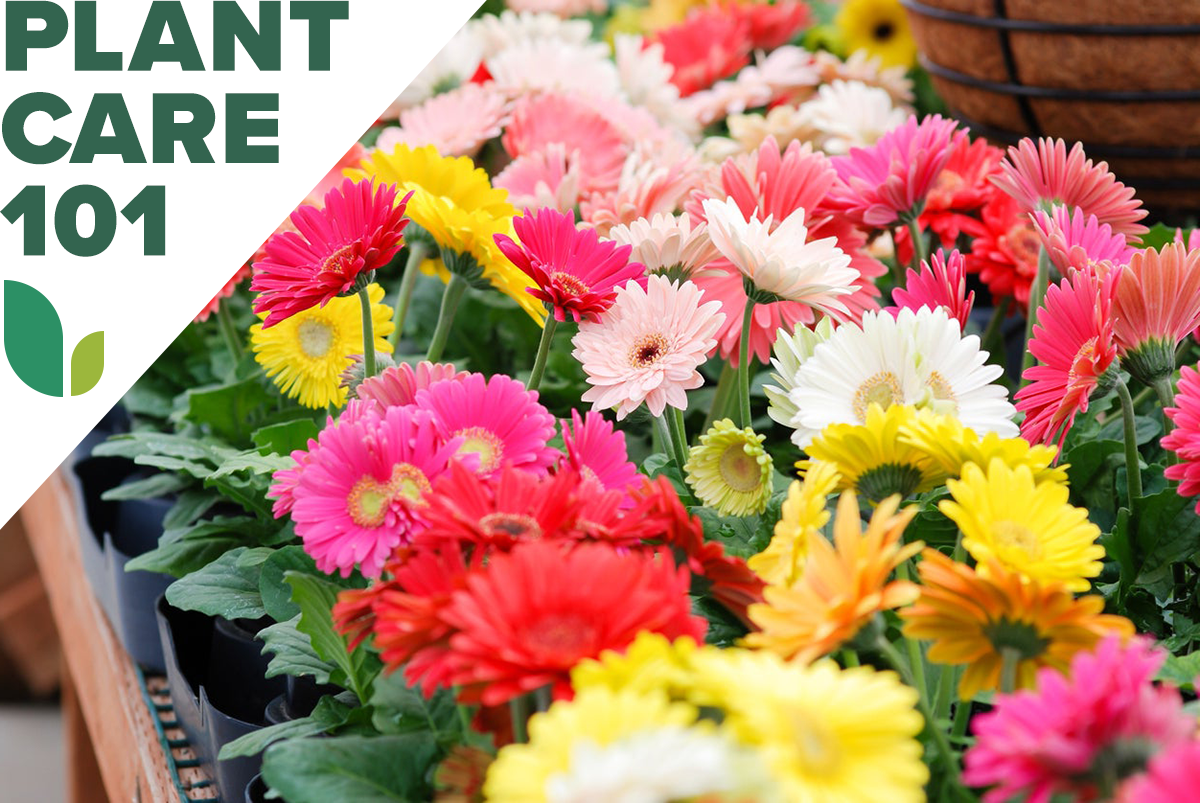
Gerbera daisies are the garden equivalent of a perfectly timed confetti cannon. One day your patio looks polite and predictable; the next, a bright orange, pink, red, yellow, or white bloom is staring at you like it knows it is the main character. These cheerful flowers are famous in bouquets, but they can also grow beautifully outdoors when you give them what they want: bright light, fast-draining soil, steady moisture, and absolutely no soggy crown drama.
The catch? Gerberas are not the toughest kids on the playground. They are tender perennials in warm climates and often grown as annuals in cooler regions. They love sun but dislike brutal afternoon heat. They want moisture but hate wet feet. They appreciate feeding but do not want to be smothered with mulch or buried too deeply. In other words, gerbera daisy care is not difficult, but it is specific. Treat them like ordinary bedding plants, and they may sulk. Treat them like the slightly glamorous divas they are, and they will reward you with bold blooms from spring into fall.
This guide explains how to grow gerbera daisies outdoors, including where to plant them, how often to water, how to encourage more flowers, and how to prevent common problems such as crown rot, powdery mildew, aphids, whiteflies, and spider mites.
What Are Gerbera Daisies?
Gerbera daisies, commonly sold as Gerbera jamesonii or Gerbera hybrids, are flowering plants in the aster family. They are also called Transvaal daisies, Barberton daisies, or African daisies. Their blooms look like oversized daisies with crisp petals surrounding a central disk, and modern varieties come in nearly every cheerful shade except true blue.
Outdoors, most gerbera daisies grow about 6 to 18 inches tall, though some varieties are shorter and others can stretch higher. The leaves form a low rosette near the soil surface, while the flowers rise on smooth, leafless stems. That clean stem-and-bloom structure is one reason gerberas are so popular as cut flowers. In the landscape, they work well in front borders, sunny containers, patio pots, raised beds, and mixed annual displays.
Are Gerbera Daisies Annuals or Perennials?
Gerbera daisies can be either annuals or perennials depending on where you live. In warm climates, especially USDA zones 8 through 11 depending on the cultivar and local winter conditions, they may return for more than one season. In colder areas, gardeners usually treat them as annuals or grow them in containers that can be moved indoors before frost.
The simplest rule is this: if your winter temperatures regularly dip below freezing, do not count on gerberas to survive outdoors. If you want to keep them, grow them in pots and overwinter them in a cool, bright location. If you are happy to enjoy them for one glorious season, plant them after the last spring frost and let them shine until cold weather arrives.
Best Outdoor Growing Conditions for Gerbera Daisies
Light: Morning Sun Is the Sweet Spot
Gerbera daisies need plenty of light to bloom well. In cooler northern climates, they can often handle full sun. In hot southern or humid regions, they perform better with morning sun and afternoon shade. This gives them the energy they need for flower production without roasting their leaves during the most punishing part of the day.
If your gerbera has healthy leaves but very few flowers, it may not be getting enough light. If the leaves look scorched, wilted, or tired by midafternoon, the plant may be getting too much direct heat. A spot that receives about four to six hours of sun, especially earlier in the day, is usually ideal.
Soil: Drainage Comes First
Gerberas are not fans of heavy, compacted, soggy soil. Their crown, the point where stems and roots meet, is especially prone to rot when moisture sits around it. For outdoor planting, choose soil that drains quickly and is enriched with organic matter. Sandy loam, raised beds, and amended garden beds are usually better than dense clay.
Before planting, mix compost into the soil to improve texture and fertility. If your garden holds water after rain, consider growing gerbera daisies in containers or raised beds instead. A pot with drainage holes is not optional; it is the difference between a happy daisy and a botanical tragedy.
Soil pH and Nutrients
Gerbera daisies generally prefer slightly acidic soil. If your plant develops yellowing leaves with green veins, it may be struggling to access micronutrients such as iron or manganese, especially in alkaline soil. A balanced fertilizer that includes micronutrients can help, but the bigger fix is often improving soil conditions and avoiding overwatering.
How to Plant Gerbera Daisies Outdoors
Plant gerbera daisies outdoors in spring after all danger of frost has passed. If you purchased greenhouse-grown plants from a nursery, harden them off for a few days before planting. Set them outside in a protected location for a few hours at a time, gradually increasing sun exposure. This helps reduce transplant shock, which is gerbera-speak for “why is the real world so windy?”
Dig a hole slightly wider than the root ball. Place the plant so the crown sits at or slightly above the soil surface. This is one of the most important gerbera daisy care tips. Do not bury the crown. Do not pile mulch over it. Do not tuck it in like a sleepy child. The crown needs air circulation to stay dry and healthy.
Space plants about 12 to 18 inches apart, depending on the mature size of the variety. Good spacing improves airflow, reduces fungal problems, and gives each plant room to show off without elbowing its neighbors.
Watering Gerbera Daisies the Right Way
Gerbera daisies like evenly moist soil, but they do not like being waterlogged. Water deeply when the top inch of soil feels dry. In many gardens, that means watering about once or twice a week, but containers may need more frequent attention during hot weather.
The best time to water is morning. This gives the plant time to dry before evening, reducing the risk of fungal disease. Aim water at the soil, not over the leaves and flowers. Overhead watering can leave moisture sitting in the crown and foliage, which invites powdery mildew, leaf spots, and rot.
If your gerbera is wilting, check the soil before grabbing the hose. A wilted plant in dry soil needs water. A wilted plant in soggy soil may have root or crown trouble. Watering a rotting plant more is like giving a seasick person a bigger boat; it does not solve the problem.
Fertilizing for More Blooms
Gerberas are heavy bloomers, so they appreciate regular feeding during the growing season. Use a balanced, complete fertilizer or a bloom-supporting formula that includes micronutrients such as iron and manganese. You can apply a controlled-release fertilizer two or three times during the growing season, or use a diluted liquid fertilizer every two to four weeks, following label directions.
Avoid overdoing nitrogen. Too much nitrogen can encourage leafy growth at the expense of flowers. The goal is not to create the world’s most luxurious salad; it is to support strong roots, healthy leaves, and continuous blooms.
How to Keep Gerbera Daisies Blooming
Deadheading is one of the easiest ways to keep gerbera daisies blooming. When a flower fades, cut the entire stem down near the base of the plant. Do not just pinch off the tired flower head and leave a bare stick behind. Removing the whole spent stem encourages the plant to redirect energy into new buds.
Also remove yellow, damaged, or diseased leaves as you see them. Clean foliage improves airflow and reduces hiding places for pests. Use clean scissors or pruners, especially if you are removing diseased material.
If your plant stops blooming during peak summer heat, do not panic. Gerberas may slow down when temperatures climb. Keep them watered properly, protect them from harsh afternoon sun, and wait for cooler conditions. Many plants produce a fresh flush of flowers when the weather becomes more comfortable.
Growing Gerbera Daisies in Containers
Containers are often the easiest way to grow gerbera daisies outdoors, especially if your garden soil is heavy or your climate has cold winters. Choose a pot with drainage holes and use a high-quality potting mix. For extra drainage, look for a mix containing perlite, bark, or coarse material. Avoid garden soil in pots because it can compact and drain poorly.
Place the container where the plant gets bright morning sun and some afternoon protection. Check moisture often because potted gerberas dry out faster than plants in the ground. Empty saucers after watering so the pot does not sit in standing water.
Container-grown gerberas are also easier to move. If a heat wave arrives, shift the pot into light shade. If frost threatens, move it indoors. If guests come over, place it on the patio table and pretend your whole garden is this organized.
Common Gerbera Daisy Problems
Crown Rot and Root Rot
Crown rot is one of the most common gerbera problems. It usually happens when the crown is buried too deeply, covered with mulch, crowded by wet leaves, or exposed to soggy soil. Symptoms may include wilting, mushy tissue near the base, yellowing leaves, and sudden collapse.
Prevention is the best strategy. Plant the crown slightly above soil level, use fast-draining soil, avoid overhead watering, and keep mulch away from the plant’s center. If a plant is badly rotted, it is often better to remove it than try to rescue it.
Powdery Mildew
Powdery mildew can appear as a white or gray powdery coating on leaves. It is more likely when plants are crowded, air circulation is poor, or foliage stays damp. Space plants properly, remove affected leaves, and water early at soil level. If mildew becomes severe, use a fungicide labeled for ornamental plants and follow instructions carefully.
Aphids, Whiteflies, Thrips, and Spider Mites
Gerberas can attract aphids, whiteflies, thrips, and spider mites. Check the undersides of leaves and the base of flowers regularly. Small infestations may be managed with a strong spray of water or by removing affected leaves. For larger problems, insecticidal soap or horticultural oil can help when used according to the label. Avoid spraying during intense sun or extreme heat, which can damage foliage.
Can You Propagate Gerbera Daisies?
Gerbera daisies can be grown from seed or divided when mature, but propagation is not always the fastest route to flowers. Seeds may take several months to produce blooming plants, and they need warmth, light, and patience. Division is more reliable for established clumps, but only divide non-patented varieties. Many modern gerbera cultivars are protected, meaning propagation may not be allowed.
For home gardeners, the easiest option is often buying healthy nursery plants in spring. Choose plants with deep green leaves, several buds, and no signs of pests or crown mushiness. A plant with a few open flowers and several unopened buds will usually last longer in the garden than one already covered in fully mature blooms.
Overwintering Gerbera Daisies
In cold climates, bring potted gerbera daisies indoors before frost. Trim off dead flowers and damaged foliage, then place the plant in a cool, bright spot. A sunny window, enclosed porch, or cool greenhouse can work if temperatures stay above the plant’s danger zone. Water sparingly in winter, allowing the soil to dry slightly between waterings. The plant may not bloom much indoors, and that is normal.
When spring returns and nights are reliably mild, gradually move the plant back outside. Do not take a gerbera from a quiet windowsill and throw it straight into full sun like it owes you money. Harden it off slowly so the leaves can adjust.
Best Companion Plants for Gerbera Daisies
Gerberas look excellent with other sun-loving annuals and container plants that prefer similar moisture and drainage. Try pairing them with sweet alyssum, calibrachoa, dusty miller, lantana, verbena, or trailing dichondra. In containers, let gerberas be the thriller plant in the center, then add trailing plants around the edge for a fuller arrangement.
Avoid planting gerberas next to aggressive spreaders that crowd their crown or block airflow. These daisies like company, but they do not want roommates who leave wet laundry everywhere.
Seasonal Care Calendar
Spring
Plant after the last frost. Choose healthy nursery plants, amend soil with compost, and place crowns slightly above soil level. Begin regular watering and light feeding once plants settle in.
Summer
Water deeply when the top inch of soil is dry. Provide afternoon shade in hot climates. Deadhead spent blooms, monitor pests, and keep foliage dry.
Fall
Enjoy the final flush of blooms. In cold areas, move containers indoors before frost. In warm regions, clean up dead leaves and reduce feeding as growth slows.
Winter
In mild climates, protect crowns from excessive wetness. Indoors, keep potted plants cool, bright, and only lightly moist until spring growth resumes.
Extra Growing Experience: Lessons From Real-Life Gerbera Daisy Care
One of the most useful lessons about growing gerbera daisies outdoors is that they often fail for boring reasons. Gardeners sometimes expect a dramatic mystery: rare disease, bad variety, suspicious moon phase, neighborhood squirrel conspiracy. More often, the problem is simple. The plant was set too deep, watered from above, left in heavy soil, or placed where afternoon sun turned the patio into a skillet.
A practical example: imagine two identical gerbera daisies purchased from the same nursery. One goes into a clay-heavy flower bed next to a downspout. The gardener plants it deeply so it looks “secure,” then adds mulch right up to the crown. The other goes into a terracotta pot with fresh potting mix, drainage holes, morning sun, and light afternoon shade. After three weeks, the first plant looks tired and yellow. The second is pushing new buds. The difference is not luck. It is drainage, crown height, and airflow.
Another common experience is the “beautiful for two weeks, then sad forever” gerbera. Nursery plants are grown in controlled conditions with ideal light, moisture, and feeding. When they move to a backyard, they need time to adjust. The best approach is to buy plants with healthy foliage and unopened buds, then give them a gentle transition. Hardening off matters, especially if the plant came from a greenhouse or a shaded garden center display.
Watering also becomes easier when you stop following a rigid calendar and start checking the soil. Outdoor gerberas in pots may need water every day during a hot spell, while those in the ground may need much less. The top-inch test is simple and reliable: if the top inch is dry, water; if it is still damp, wait. Your finger is a better moisture meter than your memory.
For containers, choose pots that are slightly larger than the nursery pot but not enormous. Oversized containers can hold too much wet soil around the roots. A breathable clay pot can help in humid climates, while plastic pots may be easier to manage in dry, hot areas because they retain moisture longer. Either way, drainage holes are nonnegotiable.
Deadheading is another habit that makes a visible difference. A faded gerbera bloom left on the plant continues to consume energy. Cutting the stem down at the base keeps the plant tidy and encourages more flowering. It also helps you inspect the crown regularly, which is useful because early problems are much easier to fix than advanced rot.
Finally, do not be offended if your gerbera takes a break in extreme heat. Some varieties slow down in midsummer, especially in humid areas. Keep the plant alive and healthy rather than forcing constant performance. With good light, moderate feeding, proper watering, and cooler nights, gerberas often rebound with fresh blooms. Think of them as garden performers who occasionally need a dressing-room break. Give them the right conditions, and they will come back smiling in full color.
Conclusion
Gerbera daisy care is all about balance. These flowers want bright light, but not scorching heat. They want moisture, but not soggy soil. They want fertile ground, but not heavy feeding that produces leaves instead of blooms. Most importantly, they want their crown kept slightly above the soil line and free from trapped moisture.
If you plant gerbera daisies in well-draining soil, water at the base, deadhead regularly, and protect them from extreme heat or cold, they can become some of the most rewarding flowers in your outdoor space. Their blooms are bold, clean, and almost cartoonishly cheerful. Even one healthy gerbera in a container can make a porch, balcony, or garden bed look more polished. Give them the right care, and these bright daisies will repay you with color that looks like it came straight from a florist’s cooler.










