
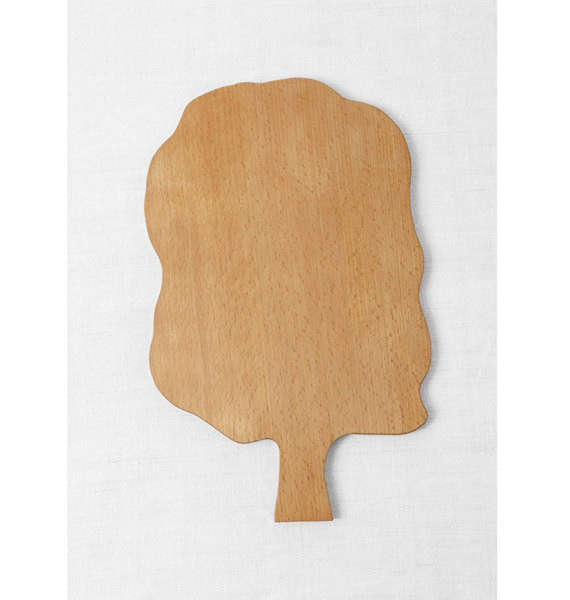
The phrase Golden Biscotti Wooden Board Beech Tree sounds like it belongs in a cozy kitchen where coffee is always brewing, bread is always “resting,” and someone owns at least one linen apron they pretend is casual. But behind the charming title is a genuinely useful object: a handmade wooden board designed for daily kitchen life, made from beech wood, and suited for chopping, serving, arranging, and generally making simple food look like it has a publicist.
This guide explores what makes a Golden Biscotti wooden board special, why beech tree wood is a smart material for kitchen boards, how to use it safely, how to care for it, and how to style it with biscotti, bread, cheese, fruit, salami, and small dishes. Whether you are buying a handmade board, researching beech wood cutting boards, or simply wondering why a piece of wood can make toast look artisanal, you are in the right place.
What Is the Golden Biscotti Wooden Board Beech Tree?
The Golden Biscotti Wooden Board Beech Tree is best understood as a small-to-medium handmade wooden kitchen board made from beech wood. It has been described as suitable for everyday use: chopping ingredients, setting down hot pans, or arranging foods such as bread, cheese, salami, cookies, and snacks. In other words, it is not a decorative board that sits around looking too pretty to work. It is the kind of board that earns its place on the counter.
The original product listing describes a board around 23 cm wide and 35.5 cm high, which places it in a useful size category: large enough for slicing bread or presenting appetizers, but not so large that it needs its own parking permit. That balance matters. Oversized boards look impressive, but they can be heavy, hard to clean, and annoying to store. A board in this range can move from prep station to table without drama.
Why Beech Wood Works So Well for Kitchen Boards
Beech wood has long been valued in furniture, kitchen tools, and woodworking because it is hard, strong, and fine-grained. A good wooden board needs to survive knives, moisture, crumbs, oil, heat from warm dishes, and the occasional person who uses it as a plate because all the actual plates are somehow in the dishwasher. Beech performs well because it offers durability without being excessively harsh on knife edges.
A Fine Grain That Feels Clean and Smooth
One of the reasons beech wood is attractive for cutting boards is its close, even grain. The surface feels smooth and practical, not wildly porous or splintery. A fine-grained board is easier to wipe clean and tends to have a neat, understated look. Beech does not shout for attention like dramatic walnut or heavily patterned olive wood. Instead, it brings a calm, pale golden tone that works with modern, rustic, Scandinavian, farmhouse, and minimalist kitchens.
A Warm Color That Makes Food Look Better
The “golden” feeling of a beech board is not just branding poetry. Beech often has a light cream, honey, or pale pinkish tone that becomes richer with use and oiling. On the table, that warm background flatters food beautifully. Almond biscotti looks toastier. Strawberries look brighter. Brie looks creamier. Even crackers look like they have made better life choices.
Durability for Daily Use
A board meant for daily use must be practical. Beech is a hardwood, so it can handle repeated slicing, chopping, and serving. Like any natural wood, it is not indestructible. It can warp if soaked, crack if neglected, and stain if left under wet berries overnight. But with normal care, beech can last for years and develop character rather than simply looking worn out.
Cutting Board or Serving Board? Happily, Both
The best thing about a board like the Golden Biscotti beech wooden board is its flexibility. It can be a chopping board in the morning, a bread board at lunch, and a charcuterie board by evening. This is the kitchen equivalent of a friend who can cook, clean, and still make small talk with guests.
For Chopping and Prep
Use the board for everyday dry or low-moisture prep: slicing bread, chopping herbs, cutting fruit, preparing cheese, halving sandwiches, or arranging cookies. It is especially useful for foods you want to move directly from counter to table. Slice a baguette on it, brush away the crumbs, add butter and jam, and suddenly breakfast looks intentional.
For Biscotti and Coffee Moments
Because the name includes “Biscotti,” it is impossible not to imagine the board holding a small stack of twice-baked Italian cookies beside espresso, cappuccino, or strong black coffee. Biscotti are firm, crunchy, and elegant in a very low-maintenance way. They do not need frosting swirls or dramatic sprinkles. Place almond biscotti, chocolate-dipped biscotti, or cranberry pistachio biscotti on the beech board with a small bowl of nuts and a few orange slices. It looks like a café scene, but without the $7 service charge.
For Cheese, Bread, and Salami
A beech wooden board is a natural fit for simple grazing spreads. Try thin slices of salami, a wedge of aged cheddar, soft goat cheese, olives, grapes, sourdough, and honey. The pale wood tone keeps the arrangement from looking too heavy. For visual balance, place larger items first, then fill gaps with smaller foods. The board becomes a frame, and the food becomes the painting. A delicious painting, which is the best kind.
Food Safety: How to Use a Wooden Board Wisely
Wooden boards are useful and beautiful, but food safety still matters. The simplest rule is to avoid cross-contamination. Use one board for bread, fruit, vegetables, cheese, and ready-to-eat foods, and use a separate board for raw meat, poultry, and seafood. This is not fussy; it is basic kitchen sanity. Nobody wants their apple slices auditioning for a salmonella documentary.
After each use, wash the board with hot, soapy water, rinse it, and dry it promptly. Do not soak it in the sink. Do not put it in the dishwasher unless the maker specifically says it is safe, and for handmade wooden boards, assume hand-washing is the wiser path. Dishwashers are basically tiny saunas with anger issues, and wood does not enjoy them.
How to Clean a Beech Wooden Board
Cleaning a beech board is simple when done consistently. First, scrape away crumbs or food bits. Next, wash with warm water and mild dish soap. Use a soft sponge or cloth rather than a harsh scrubber. Rinse well, wipe with a clean towel, and let the board dry upright so air can circulate on both sides.
Removing Odors
If the board smells like garlic, onion, or cheese, sprinkle coarse salt over the surface and rub it gently with half a lemon. Let it sit briefly, then wipe and rinse. This classic method helps freshen the surface without treating the board like a science experiment.
Handling Stains
For mild stains, make a paste with baking soda and water, rub gently, and rinse. Avoid aggressive bleaching or soaking. A wooden board will collect signs of use over time, and that is part of its charm. There is a difference between “dirty” and “beautifully used.” The first needs cleaning; the second deserves a place on the table.
How to Oil and Maintain Beech Wood
Beech wood needs occasional conditioning to stay healthy. Food-grade mineral oil is commonly recommended because it does not turn rancid like many cooking oils. Apply a thin layer over the clean, dry board, let it absorb for several hours or overnight, then wipe away any excess. If the board looks dry, pale, or rough, it is probably asking for oil in the only language wood knows: becoming sad and thirsty.
Some owners also use board cream made with mineral oil and beeswax. Oil penetrates the wood; wax helps create a protective surface layer. Together, they can reduce drying, cracking, and staining. Monthly care is a reasonable rhythm for a board used often, though very dry climates or heavy use may call for more frequent conditioning.
Design Appeal: Simple, Handmade, and Timeless
The charm of the Golden Biscotti Wooden Board Beech Tree is not loud luxury. It is quiet usefulness. Handmade wooden boards have small variations in grain, tone, and finish. Those variations make each piece feel personal. Machine-perfect products can be convenient, but handmade boards bring a little soul to the kitchen. They remind you that cooking is not only about speed. Sometimes it is about slowing down long enough to slice bread nicely.
Beech wood’s understated look also makes it easy to style. It pairs well with white ceramic plates, stoneware bowls, stainless steel knives, linen napkins, glass jars, and neutral countertops. It can live in a modern apartment kitchen or a cozy cottage kitchen without looking out of place. That versatility is a major advantage if your décor style is best described as “I bought what I liked and hoped it would get along.”
Best Ways to Style Food on a Beech Board
To make food look appealing on a wooden board, think in layers and contrast. Start with one anchor item, such as sliced bread, a cheese wedge, or biscotti. Add something round, like grapes, olives, or small cookies. Add something soft, such as cheese, butter, jam, or honey. Then add texture: nuts, crackers, herbs, or flaky sea salt.
Biscotti Board Idea
Arrange almond biscotti in a slightly overlapping row. Add chocolate-dipped biscotti at an angle for contrast. Place a small bowl of espresso beans or roasted almonds near one corner. Add orange peel curls, dried cherries, or pistachios for color. Serve with coffee, dessert wine, or hot chocolate. It is simple, but it looks polished.
Breakfast Board Idea
Use the board for toast, butter, jam, berries, and boiled eggs. Keep wetter foods in small ramekins to protect the wood. The result feels relaxed and inviting, like brunch without the crowded restaurant and the mysterious 45-minute wait.
Appetizer Board Idea
Pair salami, soft cheese, olives, crackers, cucumber slices, and a handful of grapes. Keep strong-smelling or oily foods on parchment paper if you want easier cleanup. The board becomes a serving piece, not just a utility item.
What to Avoid With a Beech Wooden Board
Do not soak the board. Do not leave it wet on a flat counter. Do not put it in a dishwasher. Do not use regular vegetable oil for maintenance because it can become sticky or rancid. Do not leave raw meat juices on it. Do not set extremely hot cookware on it unless the maker confirms it can handle that use. The product description may mention hot pans, but wood can scorch, dry, or mark under intense heat, so using a trivet or cloth is still smart.
Also avoid cutting aggressively in the same spot every day. Rotate the board or use different zones. Over time, deep grooves can trap food and make cleaning harder. A board with many deep cuts may need sanding, refinishing, or replacement.
Is It Worth Buying a Handmade Beech Wooden Board?
If you want one board that can handle daily kitchen tasks and look attractive on the table, a handmade beech wooden board is a strong choice. It is not the cheapest option, and it requires more care than plastic. But it offers warmth, durability, and presentation value that plastic boards rarely match. A plastic board can chop an onion. A beech board can chop an onion, serve cheese, hold biscotti, and make your counter look like you have your life together. That is range.
The best buyer for this type of board is someone who enjoys useful objects with natural materials. If you want a maintenance-free board, choose plastic or rubber. If you want a kitchen piece that ages with character and doubles as serveware, beech wood is a lovely option.
Real-Life Experiences With a Golden Biscotti Wooden Board Beech Tree
In everyday kitchen use, a beech board like the Golden Biscotti Wooden Board Beech Tree quickly becomes the item you reach for without thinking. It is not so precious that you are afraid to use it, but it is attractive enough that you do not feel the need to hide it when guests arrive. That is the sweet spot for kitchen tools: practical on Tuesday, presentable on Saturday.
One of the most satisfying uses is the simplest: slicing bread. A crusty loaf on pale beech wood looks rustic and clean at the same time. The board gives enough working space for a small boule, a baguette section, or a few breakfast rolls. Afterward, crumbs brush away easily. Add a small dish of butter or olive oil, and the same board moves straight to the table. No extra platter needed. Fewer dishes means more peace, and possibly more time to eat the heel of the bread before anyone notices.
The board also performs beautifully for afternoon coffee. Biscotti are ideal because they are dry, crisp, and tidy. Unlike frosted cakes or syrupy pastries, biscotti do not leave the board sticky. A few pieces arranged diagonally can make a coffee break feel intentional. Add nuts, dried fruit, or a few squares of dark chocolate, and the board turns into a small dessert tray. It is especially useful when serving two to four people, where a large platter would look excessive and a regular plate would look slightly underdressed.
For casual entertaining, the board encourages better presentation without much effort. Cheese, crackers, grapes, and salami look more inviting on wood than on a flat dinner plate. The warm color of beech softens the arrangement and creates contrast. Soft cheeses should sit on parchment or in a small dish if they are runny. Oily foods should be placed carefully. These small habits protect the board and make cleanup easier.
There is also something calming about maintaining a wooden board. Washing it by hand, drying it upright, and oiling it occasionally creates a small ritual. It takes only a few minutes, but it changes how you think about the object. Instead of being disposable, it becomes something you care for. Over time, the board may darken slightly, gain small knife marks, and develop a smoother feel. Those changes are not flaws. They are the record of breakfasts, snacks, dinners, and late-night “just one more biscotti” decisions.
The main lesson from living with a board like this is that beauty in the kitchen does not need to be complicated. A well-made beech board can make ordinary food feel special, support daily prep, and reduce the need for extra serving dishes. It asks for basic care in return: no soaking, no dishwasher, no neglect. Treat it well, and it will reward you with years of useful service and a table that looks warmer every time you set it down.
Conclusion
The Golden Biscotti Wooden Board Beech Tree is more than a pretty board with a poetic name. It represents the best qualities of a useful handmade kitchen object: warm design, durable beech wood, flexible function, and everyday charm. Use it for chopping bread, serving biscotti, arranging cheese, or creating small appetizer boards. Care for it with hand-washing, prompt drying, and occasional food-grade mineral oil. In return, it can become one of those kitchen pieces that feels better with age.
For anyone who loves natural materials, cozy food presentation, and tools that do more than one job, a beech wooden board is a smart and stylish choice. It will not cook dinner for you, unfortunately. But it will make dinner, dessert, and coffee look much more inviting.














