
Because socks disappear, towels multiply, and somehow the laundry room becomes the command center of adulthood.
Introduction: The Laundry Room Finally Gets Its Main Character Moment
For years, the laundry room was treated like the forgotten cousin of home design: useful, slightly chaotic, and only visited when absolutely necessary. But modern homeowners have realized something important. A smart laundry room remodel can make daily life feel dramatically easier. It can reduce clutter, improve safety, increase storage, protect your home from moisture problems, and maybejust maybemake folding towels feel less like a punishment invented by fabric companies.
The title “Got Laundry? Laundry Room Remodel Continued…” sounds casual, but the topic is surprisingly deep. A laundry room is not just a washer and dryer squeezed beside a sad shelf of detergent. It is a hardworking utility zone where plumbing, ventilation, storage, lighting, flooring, electrical safety, workflow, and design all meet. When one of those pieces is wrong, the whole room starts behaving like a tiny domestic obstacle course.
Whether you are continuing a remodel you already started, refreshing a small laundry closet, or turning a mudroom-laundry combo into a family command center, this guide walks through practical, beautiful, and realistic laundry room remodel ideas that actually work in American homes.
Start With the Real Problem: Your Laundry Room Needs a Job Description
Before picking tile, cabinet pulls, or the exact shade of white that will make you question every life decision, start with function. What does this room need to do besides wash clothes?
For some homes, the laundry room is also a mudroom, pet station, utility closet, linen storage area, sports-gear drop zone, cleaning supply cabinet, or emergency sock-recovery headquarters. Defining the room’s job helps prevent a remodel that looks pretty for three days and then returns to its natural state: basket mountain.
Ask These Questions Before Remodeling
Do you need space to fold clothes? Do you hang-dry delicates? Are detergent bottles taking over the floor? Do kids dump muddy uniforms by the washer? Do pets need a washing area? Is the dryer vent easy to access? Does the room have enough task lighting? These questions are not glamorous, but neither is searching for stain remover in a dark cabinet while holding a spaghetti-covered shirt.
The best laundry room design begins with workflow. Dirty clothes should come in, get sorted, washed, dried, folded, hung, and stored with as few awkward movements as possible. If your current setup requires you to balance a laundry basket on a dryer while opening a cabinet door with your elbow, the remodel has a clear mission.
Laundry Room Layout: Small Space, Big Strategy
A successful laundry room remodel depends heavily on layout. A spacious room gives you more options, but even a small laundry closet can become efficient with careful planning. The key is to use every inch intentionally.
Side-by-Side Washer and Dryer
A side-by-side washer and dryer layout is popular because it allows a countertop above front-loading machines. That counter instantly becomes a folding station, sorting surface, and temporary landing pad for baskets. Add upper cabinets or open shelving above, and the wall becomes useful instead of decorative dead space.
Stacked Appliances
Stacking the washer and dryer can free up floor space for a utility sink, tall cabinet, rolling hamper, or pet supply station. This works especially well in narrow rooms, condos, townhomes, and laundry closets. Just remember that stacked machines need proper access for maintenance and controls that everyone in the household can reach without performing a circus trick.
Mudroom-Laundry Combo
The mudroom-laundry combination is one of the smartest trends in home organization. It catches mess at the door before it travels through the house. Think hooks for coats, cubbies for backpacks, a bench for shoes, and a washer close enough to handle muddy socks before they become part of the flooring ecosystem.
Storage Is the Secret Sauce of a Laundry Room Remodel
If the laundry room does not have enough storage, it will collect clutter. This is not a design opinion; it is a law of nature, somewhere between gravity and “the fitted sheet will never fold correctly.” Storage should be planned around the items you actually use: detergent, dryer sheets, stain removers, cleaning supplies, towels, pet products, paper goods, spare light bulbs, and seasonal items.
Closed Cabinets for Visual Calm
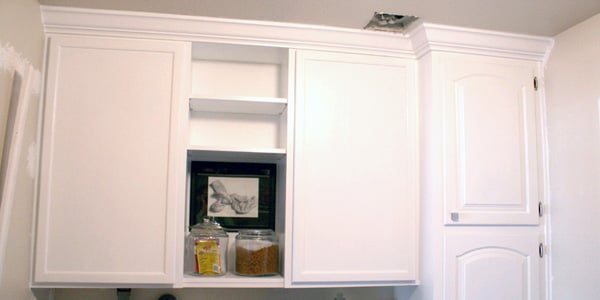
Closed cabinets are excellent for hiding bulk supplies and keeping the room visually clean. They are especially useful when the laundry area is visible from a hallway, kitchen, or mudroom. Shaker cabinets, flat-panel doors, and simple hardware can give the room a polished look without making it feel overdesigned.
Open Shelving for Everyday Access
Open shelves work well for items you grab constantly, such as towels, baskets, glass jars, or folded linens. The trick is not to overload them. Open shelving is charming until it becomes a museum of half-empty detergent bottles. Use baskets, bins, and labels to keep the look intentional.
Vertical Storage for Small Laundry Rooms
When floor space is limited, go vertical. Install shelves above machines, add a wall-mounted drying rack, use hooks for ironing boards, or slide a narrow cart between appliances. A slim rolling cart can hold detergent, stain spray, lint rollers, and dryer balls without taking over the room.
Countertops: The Folding Station You Didn’t Know You Needed
A countertop can transform a laundry room from “place where clothes go to wrinkle” into a functional workspace. Front-loading machines are especially countertop-friendly because a continuous surface can sit above them, creating room for folding, sorting, and treating stains.
Good laundry room countertop materials include laminate, quartz, solid surface, butcher block, and sealed wood. The best choice depends on budget, moisture exposure, and style. Quartz and solid surface materials are easy to wipe clean and resist stains. Laminate is budget-friendly and available in many finishes. Wood adds warmth, but it should be properly sealed because laundry rooms are not exactly dry desert environments.
Practical Countertop Tip
Leave enough clearance around machines for vibration, ventilation, hoses, and service access. A beautiful countertop that traps your washer forever is not a design feature; it is a future repair bill wearing a nice outfit.
Flooring: Durable Beats Delicate Every Time
Laundry room flooring has to handle water, detergent spills, dropped baskets, muddy shoes, pet paws, and the occasional mystery drip. This is not the place for fragile flooring that panics at moisture.
Popular laundry room flooring options include porcelain tile, ceramic tile, luxury vinyl plank, sheet vinyl, and sealed concrete. Tile is durable and easy to clean, while luxury vinyl plank offers water resistance and a softer feel underfoot. If your laundry room is in a basement, choose materials that can handle moisture and temperature changes.
Don’t Forget Transitions
If the laundry room connects to a mudroom, hallway, or garage entry, plan the flooring transition carefully. A smooth transition prevents tripping and makes the remodel look finished instead of “we ran out of enthusiasm on Saturday afternoon.”
Lighting: Because Stains Hide in Shadows
Good lighting is one of the most underrated laundry room remodel ideas. A single dim ceiling bulb makes it harder to spot stains, match socks, read care labels, and tell whether that shirt is navy, black, or “laundry room lighting betrayal.”
Use layered lighting whenever possible. Overhead lighting provides general brightness. Under-cabinet lighting helps illuminate countertops. A small window, glass door, or light paint color can make the room feel larger and friendlier. If your laundry room is in a basement or interior hallway, bright, even lighting is especially important.
Choose Practical Fixtures
Pick fixtures that are easy to clean and appropriate for utility spaces. Flush mounts, recessed lights, and simple pendants can all work depending on ceiling height. The goal is brightness, safety, and style without making the room feel like an operating theater.
Ventilation and Dryer Safety: The Serious Part, but Still Important
A laundry room remodel should never ignore dryer ventilation. Lint buildup, blocked exhaust ducts, and poor airflow can create real fire risks. Clean the lint screen after every load, keep the exterior vent clear, and make sure the dryer duct is properly installed and accessible for maintenance.
If your remodel includes moving appliances, hire qualified professionals for electrical, plumbing, gas, and venting changes. Dryers need correct duct materials and a clear path to exhaust air outdoors. Washers need secure water connections and good drainage. A pretty laundry room with unsafe mechanicals is like wearing designer shoes on a canoe: impressive, but not wise.
Safety Upgrades Worth Considering
Use braided stainless-steel washer hoses, install an easy-to-reach shutoff valve, consider a drain pan for upstairs laundry rooms, and make sure outlets meet local code requirements. If you have a gas dryer, professional installation and inspection are especially important.
The Utility Sink Debate: Do You Really Need One?
A utility sink is not essential for every laundry room, but it can be extremely useful. It gives you a place to soak stained clothes, rinse muddy shoes, wash paintbrushes, clean pet items, fill a mop bucket, or rescue a shirt from a barbecue sauce incident.
If space allows, a deep sink with a pull-down faucet is a practical luxury. In smaller rooms, a compact sink may still be worthwhile if the plumbing is already nearby. If adding plumbing would destroy the budget, focus instead on countertop space, storage, and a nearby bathroom or kitchen sink for occasional soaking.
Backsplashes, Paint, and Personality
Laundry rooms are perfect places to have a little design fun. Because the space is usually smaller than a kitchen or living room, bold choices feel less risky. Wallpaper, peel-and-stick tile, colorful cabinets, patterned flooring, or a playful backsplash can make the room feel cheerful instead of purely utilitarian.
Backsplash Ideas
Tile backsplashes protect walls from splashes and add texture. Subway tile is classic. Penny tile feels charming. Stone or quartz slabs look upscale. Peel-and-stick tile can be a budget-friendly option for a quick refresh, especially in low-splash areas.
Paint Colors That Work
Light colors can make a small laundry room feel bigger. Soft white, warm gray, pale blue, sage green, and creamy beige are safe choices. For drama, deep navy, forest green, charcoal, or black cabinets can look stunning when balanced with good lighting and lighter surfaces.
Budget-Friendly Laundry Room Remodel Ideas
Not every laundry room remodel needs custom cabinetry and a professional design team. Some of the best improvements are simple, affordable, and weekend-friendly.
High-Impact, Lower-Cost Upgrades
Add floating shelves. Install a folding counter over front-loaders. Replace wire shelving with cabinets. Paint the walls. Add hooks. Use matching baskets. Upgrade the light fixture. Install a peel-and-stick backsplash. Add a rolling hamper. Label storage bins. Replace plastic detergent bottles with easy-pour containers if that helps your routine.
The goal is not to create a showroom. The goal is to create a room that makes laundry easier. If a $20 hook rail keeps jackets off the washer, that is a remodel victory. Celebrate accordingly, preferably not by doing more laundry.
Smart Laundry Room Zones
A well-designed laundry room uses zones. This keeps the space intuitive and prevents supplies from drifting into random corners like tiny household nomads.
Sorting Zone
Use divided hampers or labeled baskets for lights, darks, towels, delicates, and activewear. If family members can sort laundry before it reaches the washer, the room works more efficiently.
Washing Zone
Keep detergent, stain remover, oxygen cleaner, measuring cups, and garment bags near the washer. Store chemicals out of reach of children and pets.
Drying Zone
Place dryer balls, dryer sheets, lint brushes, and a trash bin near the dryer. A small trash can for lint is a tiny detail that makes a surprisingly big difference.
Folding and Hanging Zone
Add a counter for folding and a rod or wall rack for hang-dry items. Even a short hanging rod under a cabinet can prevent damp shirts from colonizing doorknobs throughout the house.
Common Laundry Room Remodel Mistakes to Avoid
The fastest way to regret a remodel is to focus only on looks. A laundry room has to function under pressure, especially in busy households.
Mistake 1: Forgetting Appliance Clearance
Washers and dryers need room for hoses, cords, vents, vibration, doors, and repairs. Measure not only the machines but also the door swings, hallway access, and clearance behind the units.
Mistake 2: Choosing Pretty but Fragile Materials
Delicate wallpaper near a splash zone, unsealed wood near a sink, or flooring that hates moisture can quickly become a problem. Choose finishes that can survive real laundry life.
Mistake 3: Ignoring Vent Access
Dryer vents need cleaning. If your remodel blocks access, maintenance becomes harder, and safety can suffer.
Mistake 4: Not Planning for Baskets
Laundry baskets are part of the room’s ecosystem. Give them a home. Otherwise, they will sit in the walkway and attack your shins.
Experiences From a Laundry Room Remodel Continued: Lessons From the Real World
Here is the honest truth about continuing a laundry room remodel: the second phase is often where the room becomes truly useful. The first phase usually handles the big, obvious thingspaint, machines, maybe flooring. The continued phase is where you notice what daily life actually demands. That is when the room starts telling on itself.
One common experience is realizing that shelves alone are not enough. At first, open shelves feel like freedom. You imagine neat baskets and folded towels. Then real life arrives with bulk detergent, stain remover, batteries, pet wipes, extra paper towels, sunscreen, and three mysterious cords nobody can identify. Suddenly, closed storage looks less like an upgrade and more like emotional support furniture. Adding even two upper cabinets can make the room feel calmer immediately.
Another lesson is that a folding surface changes everything. Many homeowners think they can fold clothes on top of the dryer. Technically, yes. Emotionally, no. A real countertop gives you space to sort, stack, and fold without fighting curved machine tops or vibrating appliances. In a small room, a simple counter over front-loaders can feel like adding square footage without moving a wall.
Lighting is another “why didn’t we do this sooner?” discovery. A bright ceiling fixture or under-cabinet light makes stain treatment easier and helps the room feel cleaner. Nobody wants to inspect a grease spot under lighting that resembles a haunted basement scene. Better lighting also makes design choicestile, paint, hardware, basketslook intentional.
Then there is the matter of hooks. Hooks are humble. Hooks do not brag. But hooks save laundry rooms. A row of hooks can hold hangers, reusable bags, cleaning cloths, jackets, dog leashes, or damp items waiting for the dryer. In a mudroom-laundry combo, hooks may be the difference between organized entryway and “family tornado touched down near the washer.”
Many remodelers also discover that the trash can deserves a proper place. Dryer lint, clothing tags, used dryer sheets, empty detergent pods, and pocket treasures need somewhere to go. A small pullout trash bin or wall-mounted container keeps the room tidy. It sounds minor until you stop finding lint balls on top of the dryer like gray little tumbleweeds.
The biggest experience-based lesson is to remodel for the way your household actually behaves, not the way you wish it behaved. If nobody will decant detergent into glass jars, do not build the whole design around glass jars. If kids toss sports clothes on the floor, create a low hamper they can reach. If you air-dry half your wardrobe, install a real drying rack. If pets use the space, choose washable surfaces. A successful laundry room remodel is not about perfection. It is about reducing friction.
And yes, style still matters. A laundry room can be fun. A patterned tile, cheerful wall color, framed print, woven basket, or beautiful cabinet pull can make the space feel less like a chore cave. When a room looks good and works well, people are more likely to maintain it. That does not mean everyone will suddenly love folding fitted sheets. Let’s stay reasonable. But it does mean laundry day can feel smoother, calmer, and maybe even slightly satisfying.
Conclusion: A Better Laundry Room Makes Everyday Life Easier
A laundry room remodel is not just a cosmetic project. It is an investment in daily flow. The best laundry rooms combine smart storage, durable materials, safe ventilation, practical lighting, and a layout that matches the household’s habits. Whether the room is large, tiny, upstairs, in the basement, or tucked behind closet doors, it can become more efficient and more enjoyable.
So, got laundry? Of course you do. The better question is: does your laundry room help you handle it, or does it quietly create more chaos? With the right remodel choices, even this hardworking little space can become organized, attractive, and surprisingly pleasant. The socks may still disappear, but at least the room will look great while the mystery continues.













