
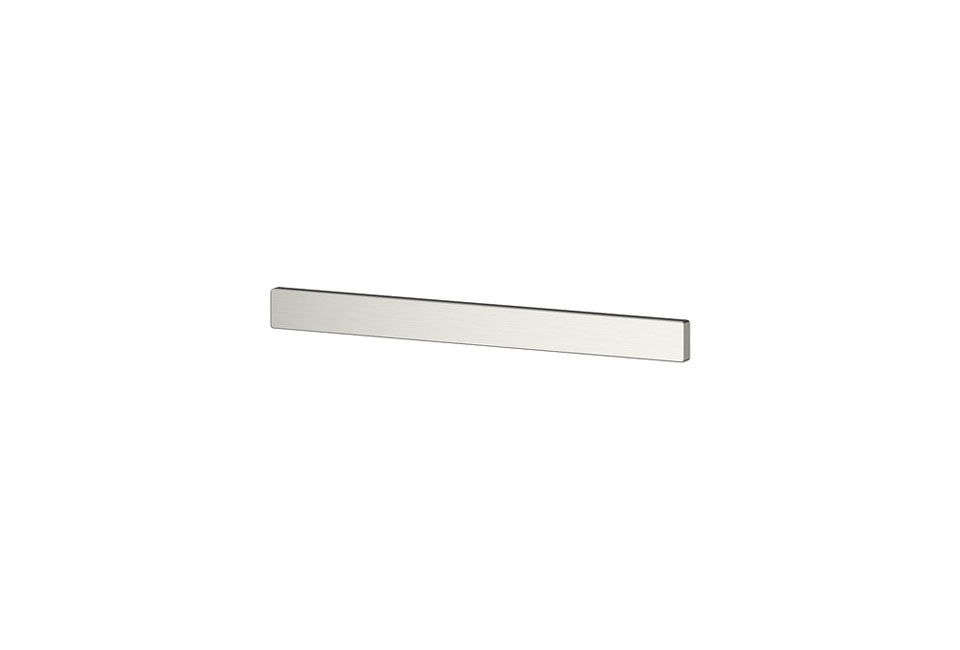
The Grundtal magnetic knife rack is one of those IKEA kitchen items that quietly became a minor legend. It is simple, stainless steel, wall-mounted, and stubbornly useful. No app, no charging cable, no instruction manual thick enough to qualify as a novella. Just a magnetic strip that gets knives out of the drawer, off the counter, and within easy reach when dinner is already testing everyone’s patience.
Although the original IKEA GRUNDTAL magnetic knife rack is now best treated as a legacy product in the United States, it remains popular through resale listings, old kitchen installations, and DIY projects. Its appeal is easy to understand: it gives a kitchen a clean, restaurant-inspired look while freeing up valuable counter space. For people who prefer their chef’s knife visible instead of hiding beneath a pile of spatulas and mystery crumbs, it can be a surprisingly smart upgrade.
This guide explains what makes the Grundtal magnetic knife rack useful, what to inspect before buying one secondhand, how to mount it safely, and whether a modern alternative such as IKEA’s KUNGSFORS magnetic knife rack may be the better choice today.
What Is the Grundtal Magnetic Knife Rack?
The Grundtal magnetic knife rack is a wall-mounted stainless-steel bar with internal magnets designed to hold kitchen knives and other metal tools. It belongs to IKEA’s older GRUNDTAL family of stainless-steel organizers, a collection known for practical wall storage in kitchens, bathrooms, craft spaces, and utility areas.
Its concept is wonderfully uncomplicated. Mount the rack near your main prep area, place a dry knife against the magnetic surface, and the blade stays visible and accessible. Instead of digging through a drawer like an archaeologist looking for a lost civilization, you can grab the exact knife you need in one motion.
The rack can also hold scissors, small metal utensils, measuring spoons, tweezers, and certain lightweight kitchen tools. Still, knives are the main event. A magnetic bar may not make you cook like a restaurant chef, but it can at least make your counter look like you have your life together.
Is the IKEA Grundtal Magnetic Knife Rack Still Available?
The original Grundtal magnetic knife rack is not the main magnetic knife holder currently promoted by IKEA in the United States. Shoppers looking for a new stainless-steel IKEA option will usually encounter the KUNGSFORS magnetic knife rack instead. The KUNGSFORS version is a 22-inch stainless-steel rack designed for wall mounting or use with IKEA’s compatible suspension rail system.
That does not mean the Grundtal rack has disappeared from kitchens. Far from it. It continues to turn up through resale marketplaces, estate sales, thrift stores, old apartment kitchens, and renovation projects where someone removed a perfectly good rack because the backsplash changed color. Kitchen trends are mysterious creatures.
If you are shopping secondhand, do not rely only on a listing title. GRUNDTAL products were sold in different lengths and configurations over the years and in different markets. Ask for the exact length, mounting hardware, close-up photos of the magnetic face, and images of the back mounting points before buying.
Why a Magnetic Knife Rack Can Be Better Than a Knife Block
A traditional knife block has one major strength: it keeps blades hidden. Unfortunately, it can also take up a generous chunk of counter space while collecting dust, crumbs, and moisture inside its slots. If damp knives are repeatedly pushed into a dark wooden block, that environment is not exactly hosting a sanitation conference.
A magnetic knife rack solves several practical problems at once:
- It clears counter space. This matters in apartment kitchens, galley kitchens, RVs, and any room where the toaster already behaves like it pays rent.
- It keeps knives visible. You can identify the chef’s knife, paring knife, bread knife, and utility knife instantly.
- It prevents drawer clutter. Loose knives can nick one another, scratch drawers, and create an unpleasant surprise for the next person reaching for a whisk.
- It improves airflow. A dry knife stored openly is easier to inspect and wipe down than one hidden in a cramped slot.
- It works with mixed knife collections. You are not limited by the fixed slot sizes of a matching knife block.
The key word is properly. A magnetic rack protects knives only when you use it with care. Slapping a blade onto a powerful magnet edge-first is not elegant, and it can damage the edge over time. Think smooth landing, not dramatic action movie entrance.
What to Check Before Buying a Used Grundtal Magnetic Knife Rack
Inspect the Stainless-Steel Surface
Look for dents, sharp edges, deep scratches, discoloration, and corrosion spots. Light cosmetic scratches are normal on a used stainless-steel organizer. Deep dents or bent sections are more concerning because they can affect how the rack sits against the wall or how evenly a knife contacts the magnetic surface.
Test the Magnet Strength
If possible, test the rack with more than one knife. A small paring knife and a heavy chef’s knife will reveal different things. The magnet should hold each knife securely without the handle sagging or the blade sliding downward. A good magnetic rack has reasonably even holding strength across the usable length, not one heroic spot in the middle and two weak zones at the ends.
Check the Mounting Hardware
Many used listings include only the rack. That is not automatically a deal-breaker, but it means you must source the correct screws, wall anchors, or mounting components for your wall type. Do not assume the screws from an old picture frame are ready for knife-rack duty. A bar holding sharp metal objects deserves hardware chosen with slightly more seriousness than a decorative quote sign.
Confirm the Actual Size
Measure the wall space where the rack will go before purchasing. Leave room around the rack so knife handles are not blocked by cabinets, shelves, outlets, or the enthusiastic reach of a refrigerator door. A magnetic knife rack is supposed to improve kitchen flow, not create a tiny obstacle course.
How to Install a Grundtal Magnetic Knife Rack Safely
Installation is where a magnetic knife rack either becomes a useful kitchen tool or a future story that begins with, “Well, it seemed secure at first.” The rack should be firmly anchored to a suitable wall surface using hardware appropriate for that surface.
Choose the Right Location
Place the rack near the primary prep area, ideally within easy reach of your cutting board. Avoid mounting it directly over a stove, where grease buildup can become an ongoing cleaning project. Avoid locations where a cabinet door, drawer, or appliance handle can bump into knife handles.
Also consider household safety. In homes with young children, curious guests, or pets that treat countertops like hiking trails, an exposed wall-mounted knife rack may not be the wisest storage choice. A protected in-drawer organizer can be a safer option.
Use Suitable Wall Anchors and Screws
Mounting methods depend on the wall. A wood stud generally provides the most secure attachment point. Drywall may require anchors designed for the weight and leverage of the rack plus its knives. Tile, stone, concrete, and brick need specialized bits and anchors.
Do not trust adhesive strips as a permanent solution for a knife rack unless the product manufacturer specifically confirms that the method is appropriate for the exact rack, wall material, and expected load. Kitchen heat, humidity, grease, and gravity are a team nobody should underestimate.
Install It Level
Use a level before drilling. A slightly crooked picture frame looks quirky. A crooked magnetic knife rack holding sharp knives looks like a kitchen designed by suspense filmmakers. Mark the mounting points, drill carefully, secure the rack, and test it by gently pulling on the bar before placing knives on it.
Load-Test the Rack Gradually
After installation, begin with one lightweight knife. Then add a medium knife, followed by your heaviest commonly used blade. Watch for shifting, flexing, loose screws, or sliding knives. If anything feels uncertain, remove the knives and correct the mounting before using the rack regularly.
How to Put Knives on a Magnetic Rack Without Damaging Them
The best technique is simple: bring the flat or spine side of the blade toward the magnetic rack first, then let the knife settle gently into place. When removing it, lift the spine away first and rotate the blade off the magnet.
Avoid placing the cutting edge against the rack first. That sharp edge is the part you paid for, sharpened, babied, and occasionally blamed for your poor onion-chopping technique. Do not make it take unnecessary impact.
Most standard steel kitchen knives will work with a magnetic rack. Ceramic knives will not. Some specialty blades made from nonmagnetic metals may also fail to hold securely. Test every knife before trusting it on the wall, especially expensive knives with heavy handles or unusually shaped blades.
Keep knives dry before storing them. A magnetic rack makes it easy to see moisture, food residue, or fingerprints, which is useful because those are signs the knife should be cleaned before it returns to storage. Wash with warm, soapy water as needed, dry thoroughly, and then return the blade to the rack.
Grundtal Magnetic Knife Rack Pros and Cons
Pros
- Creates more usable counter and drawer space.
- Makes knives easy to identify and reach.
- Works well with a mixed collection of knife brands and sizes.
- Supports a clean stainless-steel, professional-kitchen aesthetic.
- Can be repurposed for craft tools, scissors, drill bits, and lightweight metal supplies.
- Helps prevent knives from rattling together in a drawer.
Cons
- Requires secure wall mounting and correct hardware.
- Leaves sharp tools visible and accessible.
- May not be suitable for homes with small children or climbing pets.
- Can show fingerprints, grease, and water spots on stainless steel.
- Will not hold ceramic, aluminum, or nonmagnetic knives.
- The original GRUNDTAL version may require secondhand hunting.
Grundtal vs. Kungsfors vs. Other Magnetic Knife Holders
The Grundtal magnetic knife rack is appealing mainly because of its simple stainless-steel look, durable feel, and IKEA legacy status. If you already own one, there is little reason to replace it if the magnets remain strong and the mounting hardware is secure.
If you need a new IKEA option, the KUNGSFORS magnetic knife rack is the closest current comparison. It offers a similar stainless-steel appearance, a 22-inch length, and compatibility with IKEA’s wall-storage ecosystem. It is often the practical choice for someone who wants the same idea without combing resale sites at midnight.
Wooden magnetic knife bars are another alternative. Many cooks prefer them because the wood surface can feel gentler against knife blades and creates a warmer visual contrast in a kitchen. However, wood requires more care and may need occasional conditioning to keep it looking good.
For households that need knives fully hidden, an in-drawer knife organizer with individual slots or blade guards is usually the better option. It does not offer the same visual drama, but neither does it put sharp objects on display. Sometimes boring is beautiful. Especially when toddlers are involved.
How to Clean and Maintain a Grundtal Magnetic Knife Rack
Wipe the stainless-steel surface regularly with a soft cloth and mild soapy water. Dry it afterward to reduce water spots. Avoid harsh abrasives that can scratch the finish, and do not let greasy residue build up around the magnet area.
Every few months, remove all knives and inspect the rack, screws, and wall anchors. Tighten loose hardware, check for movement, and confirm that each frequently used knife still holds firmly. A ten-minute inspection is much cheaper than a dropped chef’s knife and a damaged countertop.
Remember that the rack does not sharpen knives. It simply stores them in a way that can help prevent unnecessary blade contact. You will still need proper honing, sharpening, careful cutting-board choices, and the emotional maturity to stop using a chef’s knife as a screwdriver.
Real-World Experience: Living With a Grundtal Magnetic Knife Rack
Using a Grundtal magnetic knife rack changes the rhythm of a kitchen more than most people expect. At first, it feels like a small organizational upgrade. Then you realize how often you used to open a drawer, move three utensils, avoid a loose peeler, and finally locate the knife you needed after dinner had already entered its dramatic phase.
With a magnetic rack near the prep zone, the morning routine becomes faster. You reach for a small knife to slice fruit, a serrated knife for toast, or a chef’s knife for meal prep without sorting through a crowded drawer. The rack turns those everyday choices into a visible lineup. It is oddly satisfying, like having a tiny kitchen tool library where every book is sharp.
The benefit becomes even more noticeable during larger cooking sessions. Imagine preparing tacos for friends: onions, cilantro, limes, tomatoes, avocados, and a suspiciously ambitious amount of cheese. Instead of leaving knives on the cutting board or placing them in the sink, you can rinse, dry, and return each one to the rack. The counter stays clearer, the tools remain organized, and there is less chance of someone grabbing the wrong end of a blade while looking for a serving spoon.
The Grundtal rack also encourages better knife habits. When a knife is visible, you are more likely to notice whether it needs cleaning, drying, sharpening, or retirement from tomato duty. A dull knife cannot hide in a drawer and pretend everything is fine. It sits there on the wall, silently judging your cutting technique.
There is a design benefit, too. Stainless steel works especially well in kitchens with white cabinets, dark countertops, subway tile, wood butcher-block counters, or industrial-inspired finishes. It adds a little professional energy without making the room feel like a commercial kitchen. The result is practical rather than flashy, which is usually the sweet spot for kitchen storage.
Still, real-world use reveals the trade-offs. The rack needs regular wiping because fingerprints and cooking grease are much more obvious on stainless steel than on a hidden drawer organizer. You also need enough wall space to keep knife handles comfortably away from cabinets and appliances. And if your household includes children or pets who can reach the rack, the convenience may not outweigh the safety concern.
For the right kitchen, though, the Grundtal magnetic knife rack feels less like a gadget and more like a permanent improvement. It saves space, creates a cleaner prep zone, keeps essential knives ready, and gives even an ordinary Tuesday-night dinner a little more order. No, it will not make you a celebrity chef. But it may make you feel like one while you dice an onion without searching through a drawer full of chaos.
Final Thoughts: Is the Grundtal Magnetic Knife Rack Worth It?
The Grundtal magnetic knife rack remains a smart find for people who value space-saving kitchen organization, easy access to knives, and IKEA’s classic stainless-steel aesthetic. Its simple design has aged well because the underlying idea is still useful: store knives safely, visibly, and away from clutter.
If you find a used Grundtal rack in good condition at a fair price, it can be an excellent addition to a small kitchen, a minimalist kitchen, or a serious home-cooking setup. Just inspect the magnets, mount it securely, use proper hardware, and make sure an exposed knife rack fits your household’s safety needs.
If finding a legacy IKEA item sounds like too much work, the current KUNGSFORS magnetic knife rack delivers a similar stainless-steel solution with easier availability. Either way, a well-mounted magnetic knife holder can turn one empty stretch of wall into one of the most useful areas in your kitchen.
Note: A wall-mounted magnetic knife rack is not ideal for every home. In households with curious children, climbing pets, weak wall surfaces, or limited safe mounting space, choose a protected in-drawer knife organizer instead.













