
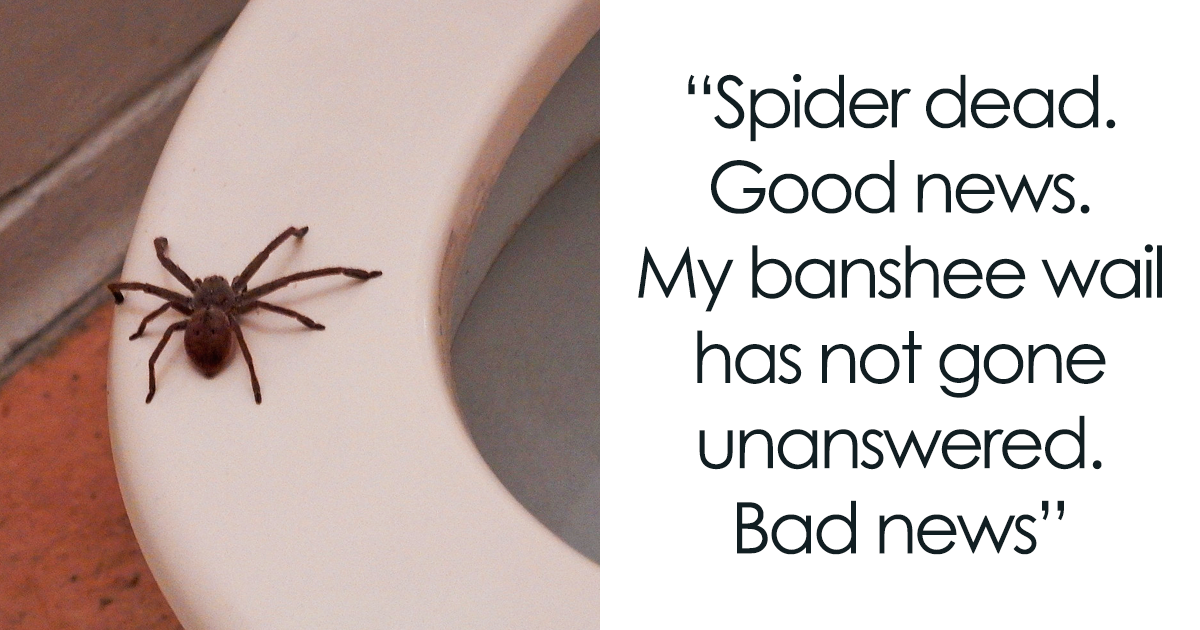
Some bathroom stories are embarrassing. Some are heroic. And some begin with a man sitting down, minding his own business, only to discover that the toilet had already been claimed by an eight-legged tenant with terrible social boundaries.
That is the basic nightmare behind the viral tale of a Brisbane man named Rob, whose ordinary workday reportedly became an instant horror-comedy when a huntsman spider emerged from the toilet bowl at exactly the wrong moment. His dramatic description of the spider as the “world’s smallest sexual predator” helped the story rocket around the internet, partly because it sounds like the title of a cursed nature documentary and partly because every reader immediately made the same mental note: always check the toilet first.
The story is funny because it sits in the perfect zone between absurd and believable. Australia already has a global reputationsometimes exaggerated, sometimes fully earnedfor wildlife that appears to have been designed by a prank department. Huntsman spiders are not usually considered dangerous to humans, but they are large, fast, flat-bodied, and talented at appearing where no spider has been invited. Bathrooms, cars, curtains, garages, and wall corners all become possible stages for their dramatic entrances.
So let’s unpack the viral moment, the real spider science behind it, why huntsman spiders inspire such theatrical panic, and what ordinary people should actually do when nature decides to attend a private bathroom meeting without scheduling it first.
The Viral Bathroom Encounter That Made Everyone Inspect The Bowl
The story began as an online confession-style post from a young Australian man who said he failed to look before sitting down at work. In most offices, that mistake leads to nothing more than a cold seat and a small regret. In this case, according to the story, a huntsman spider came out of the toilet bowl and made sudden contact with a very sensitive area.
Rob’s reaction was not exactly calm. He reportedly panicked, struck at the spider, hurt himself in the process, and made enough noise that someone outside the stall became concerned. It was the kind of chain reaction that turns one private scare into an office legend before lunch.
The internet, being the internet, reacted with a combination of sympathy, horror, and jokes so fast they practically had their own legs. The phrase “world’s smallest sexual predator” became the headline hook, though it was clearly comic exaggeration rather than a biological claim. The spider was not behaving with intent; it was likely trapped, startled, or simply in the worst possible place at the worst possible time.
Still, the scene works because everyone understands the vulnerability of the bathroom. A spider on the ceiling is unpleasant. A spider on the wall is manageable. A spider in the toilet is an existential challenge. It turns a routine human activity into a full-body trust issue.
What Is A Huntsman Spider?
Huntsman spiders belong to the family Sparassidae and are often called giant crab spiders because of their wide, sideways leg position. They do not rely on neat little webs in corners like polite household spiders. Instead, they actively hunt insects and other small prey, moving quickly across walls, floors, tree bark, and furniture with the confidence of a creature that has never paid rent.
They are especially famous in Australia, where they are commonly found indoors. Many species have flattened bodies that help them slide into narrow spaces under bark, rocks, crevices, wall gaps, furniture, and, apparently, locations that should come with a warning label. Their legs often spread forward and sideways, making them look bigger and more dramatic than their body size alone would suggest.
Some huntsman spiders have leg spans of several inches. The pantropical huntsman, also known as Heteropoda venatoria, occurs in subtropical parts of the United States as well, including areas such as Florida, Texas, California, and parts of the Southeast. That means Americans should not laugh too confidently at Australians. The spider distribution map has receipts.
Are Huntsman Spiders Dangerous?
Here is the twist: huntsman spiders look like they escaped from a Halloween prop box, but they are generally not considered dangerous to humans. They do possess venom, as most spiders do, but their venom is mainly used for subduing prey such as insects. A bite can hurt, and some people may experience local pain or swelling, but huntsman spiders are not in the same medical-risk category as black widows or brown recluses.
That does not mean anyone should pick one up for fun. “Not usually dangerous” is not the same thing as “ideal finger puppet.” Like many animals, a huntsman spider may bite if it is trapped, pressed, grabbed, or threatened. If one is hiding in a shoe, towel, toilet, or pile of clothes, the spider may be just as surprised as the human. Unfortunately, only one of the two parties gets blamed in the group chat.
In a normal home encounter, the best response is calm removal. Use a container and a piece of cardboard, call someone less emotionally attached to screaming, or contact pest control if there are repeated sightings. The spider is not plotting against the household. It is probably hunting cockroaches, which makes it less of a villain and more of an unpaid pest-control intern with terrible public relations.
Why Toilets Make Spider Stories So Much Scarier
There is a reason this story spread so widely. A spider on a hiking trail is nature. A spider in the garage is annoying. A spider in the bathroom feels personal. The bathroom is supposed to be the most private room in the building, not a surprise safari exhibit.
Toilet stories also trigger a very specific fear: the unseen threat. You do not know what is below, behind, or under the rim unless you check. The mind fills in the blanks with astonishing speed. One second you are thinking about emails. The next second your brain has produced a full disaster film with dramatic music, slow motion, and a spider wearing a tiny villain cape.
In reality, spiders do not have a special interest in toilets. They are more likely to wander into bathrooms because bathrooms can be quiet, humid, dark at night, and connected to cracks, vents, windows, or gaps. A spider may fall into a tub or bowl and have trouble climbing out. The toilet is not its chosen throne. It is more like an accidental swimming pool with porcelain walls.
The Science Behind The Panic
Arachnophobia is one of the most common animal-related fears, and huntsman spiders are almost custom-built to activate it. They are fast. They are large enough to notice immediately. They move in sudden bursts. They can cling to walls. They appear in homes and cars, where people expect lamps, keys, and snacksnot sprinting arachnids.
The human brain is extremely good at detecting shapes that might signal danger. That helped our ancestors survive, but it also means a harmless shadow in the bathroom can become a monster for half a second. Add an actual spider, a vulnerable position, and a workplace setting, and the nervous system hits every alarm button available.
That is why Rob’s story feels so funny after the fact and so horrifying in the moment. From a distance, it is slapstick. In real time, it is a nervous-system emergency with tile flooring.
What To Do If You Find A Huntsman Spider In The Bathroom
1. Do Not Panic-Swat Wildly
Wild swatting is how people break lamps, lose towels, injure themselves, and create spider legends that follow them for years. Take one step back, breathe, and remember that the spider is probably trying to escape, not start a bathroom dynasty.
2. Use The Cup-And-Cardboard Method
If the spider is reachable, place a clear container over it, slide a firm piece of paper or cardboard underneath, and release it outside away from doors and windows. A large container is better than a tiny one because huntsman spiders have long legs and strong opinions about personal space.
3. Check Towels, Shoes, And Corners
In spider-prone areas, it is wise to shake out towels, shoes, clothing, and gloves before use. This is not paranoia. This is basic diplomacy with the small wildlife community that did not sign your lease but may still be present.
4. Seek Medical Help For Serious Symptoms
If a person is bitten and experiences severe pain, spreading swelling, breathing trouble, stomach cramping, worsening discoloration, fever, or signs of infection, medical care is the right move. Most spider bites are minor, but uncertain or worsening symptoms should not be treated like a joke.
Why The Internet Loved This Story
The story has all the ingredients of a viral post: surprise, embarrassment, danger that is mostly survivable, and a punchline that arrives before anyone has finished processing the horror. It is also universal. Not everyone has encountered a huntsman spider, but nearly everyone has experienced a private moment interrupted by something ridiculous.
There is also the Australian factor. Online audiences have long treated Australia as the planet’s unofficial “extreme wildlife” expansion pack. Snakes, spiders, crocodiles, jellyfish, magpiesAustralia’s animal roster has become part of global meme culture. So when a story involves a huntsman spider in a toilet, readers do not ask, “Could that happen?” They ask, “Of course it happened in Australia, but how loudly did he scream?”
Another reason the tale works is that the victim laughed at himself. Self-deprecating storytelling transforms embarrassment into entertainment. Instead of presenting himself as a fearless warrior, Rob described a moment of total panic. That honesty made the story funnier and more relatable. Most people like to imagine they would handle a spider encounter with calm dignity. Deep down, many know they would make a noise last heard in a haunted violin factory.
The Huntsman Spider’s Unfair Reputation
Huntsman spiders suffer from looking far more dangerous than they usually are. Their size and speed make people assume the worst. Yet in houses, they often help reduce cockroaches and other pests. They do not want to chase humans. They do not understand office schedules. They do not know what a toilet is for. They are simply animals following instincts in environments humans have built over the habitats they once used.
That does not mean people must welcome them with a tiny guest towel. Fear is normal. A large spider moving quickly across a bathroom wall is not everyone’s idea of a relaxing evening. But a little knowledge can lower the panic level. Huntsman spiders are not aggressive monsters. They are shy, fast hunters that become headline villains mostly because they have poor timing and excellent legs.
Practical Prevention: How To Reduce Surprise Spider Encounters
There is no perfect spider-proof life, especially in warm climates, but small habits help. Seal gaps around doors, windows, vents, and pipes. Keep clutter low in garages, sheds, and bathrooms. Move boxes and stored items carefully. Check outdoor gear before bringing it indoors. Use screens where possible. Keep insects under control, because insects attract spiders the same way free pizza attracts college students.
Bathroom-specific prevention is simple: turn on the light, look before sitting, check behind the seat, and avoid leaving damp towels piled on the floor. These steps take seconds and may save you from a story that your coworkers will retell at every holiday party until retirement.
For people living in areas where huntsman spiders are common, it may also help to accept that occasional encounters are part of local life. The goal is not to panic at every shadow. The goal is to notice, remove, and move on without becoming the main character in a bathroom incident report.
Conclusion: A Funny Story With A Real Lesson
The tale of the guy who accidentally sat on a toilet with a huntsman spider in it is ridiculous, memorable, and just believable enough to make millions of readers glance suspiciously at their own bathrooms. It is not really a story about a malicious spider. It is a story about bad timing, human panic, internet humor, and the strange way everyday life can become comedy when nature barges in without knocking.
Huntsman spiders are generally not dangerous, but they are startling. Their speed, size, and talent for appearing in private spaces make them perfect fuel for viral storytelling. The practical lesson is simple: check before you sit, keep calm if you spot a spider, and remember that most creatures are not out to get you. Some are simply lost, frightened, and accidentally excellent at comedy.
Related Experiences: When Bathroom Bugs Become Lifetime Stories
Almost everyone has a version of this story, even if it does not involve a huntsman spider. Bathrooms have a strange way of turning small wildlife encounters into permanent memories. A moth in the shower can become a dramatic duel. A cockroach near the sink can cause a person to abandon an entire skincare routine. A tiny house spider lowering itself from the ceiling at midnight can make a fully grown adult negotiate with gravity.
One common experience is the “towel betrayal.” Someone finishes a shower, reaches for a towel, and discovers a bug tucked into the folds like it has been waiting for a hotel upgrade. The reaction is usually immediate and undignified: towel dropped, feet shuffled, dignity temporarily unavailable. The lesson is simple but rarely learned until after the screamshake towels before using them, especially in warm or humid climates.
Another classic is the “shoe inspection failure.” Many people in spider-heavy regions are taught to shake out shoes before putting them on. The habit may seem excessive until the day something moves near your toes. After that, shoe-checking becomes less of a suggestion and more of a personal religion. The same applies to garden gloves, laundry piles, helmets, and clothes left on the floor.
Cars create their own category of spider trauma. Huntsman spiders are known for appearing behind sun visors or running across dashboards, which is particularly rude because drivers already have enough to manage. A spider in a parked car is startling. A spider in a moving car is an emergency meeting between fear and traffic safety. The safest response is to pull over when possible, stop the vehicle, and deal with the spider calmly. Swerving because of a bug is far more dangerous than the bug itself.
Then there is the “false alarm spider,” when a piece of lint, hair, or shadow convinces the brain that an eight-legged intruder is present. These moments are embarrassing but revealing. They show how quickly humans react to perceived threats, especially in spaces where we feel exposed. The body jumps before the mind files a proper report.
The best way to handle these experiences is with a mix of caution and humor. Check the obvious hiding spots. Keep rooms clean and sealed when possible. Learn which local spiders are actually dangerous and which only look dramatic. Use safe removal methods rather than panic. And if a harmless but horrifying encounter does happen, tell the story well. A little embarrassment fades; a great spider story lives forever.













