
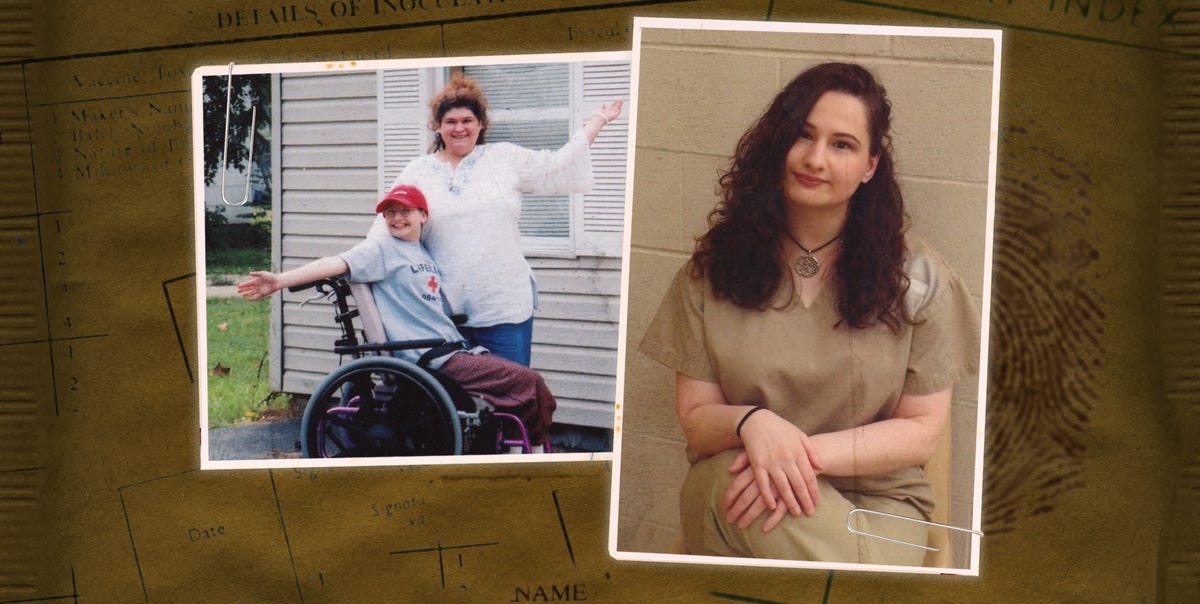
Note: This article is for informational and educational purposes. It discusses a widely reported criminal case and a recognized form of abuse, but it does not diagnose any individual.
Few true-crime stories have made the internet gasp, argue, cry, and open a dozen browser tabs quite like the case of Gypsy Rose Blanchard. At first glance, the story seemed almost fairy-tale tragic: a medically fragile young woman, a devoted mother, a pink wheelchair, charity trips, sympathetic neighbors, and a life wrapped in hospital bracelets. Then the truth began to unravel, and the fairy tale turned into something closer to a medical horror story with court records.
Gypsy Rose Blanchard became nationally known after the 2015 murder of her mother, Clauddine “Dee Dee” Blanchard, in Springfield, Missouri. Public reporting described years of alleged medical abuse: claims that Gypsy had leukemia, muscular dystrophy, seizures, developmental disabilities, and other serious conditions. She used a wheelchair, had a feeding tube, and was presented as severely ill. Later, investigators and journalists reported that many of these conditions were false or exaggerated. The case became one of the most famous examples associated with Munchausen by proxy, now more formally called factitious disorder imposed on another, or FDIA.
But this story is not only about one mother, one daughter, or one crime. It is also about the uncomfortable science of deception, caregiving, medical systems, trauma, and why abuse can hide in plain sight when it wears a hospital visitor badge.
What Is Munchausen by Proxy?
Munchausen by proxy is the older, better-known name for a pattern in which a caregiver fabricates, exaggerates, or induces illness in someone under their care. In modern clinical language, the condition is often called factitious disorder imposed on another. When the victim is a child, many pediatric and child-protection experts also use the term medical child abuse.
The key idea is chillingly simple: the caregiver makes another person appear sick. That may happen through false reports, altered medical histories, manipulated test results, unnecessary medications, or even direct harm. The victim may be a child, an older adult, a person with disabilities, or another dependent person. In many cases, the caregiver appears devoted, knowledgeable, and emotionally invested. That is part of what makes the abuse so difficult to detect.
Unlike malingering, where someone fakes illness for an obvious outside reward such as money, avoiding work, or obtaining drugs, factitious disorder is usually linked to psychological needs. The caregiver may seek attention, sympathy, control, identity, or emotional validation from being seen as heroic. The applause is not literal, of course. Nobody is clapping in the pediatric ward. But the caregiver may receive praise, concern, support, and social status as the tireless protector of a “very sick” loved one.
Why the Gypsy Rose Blanchard Case Became So Famous
The Gypsy Rose Blanchard case captured public attention because it seemed to flip a familiar story inside out. For years, Dee Dee Blanchard was viewed by many people around her as a devoted mother caring for a seriously ill daughter. Their community saw fundraisers, medical equipment, charity support, and a daughter who appeared dependent on her mother for survival.
After Dee Dee was killed in 2015, the investigation revealed a far more complicated picture. Gypsy could walk. She was not the severely disabled person many people believed her to be. Reports said she had been forced to use a wheelchair and undergo unnecessary medical interventions. Her age was allegedly misrepresented. Her independence was restricted. Her body, identity, and social life were filtered through her mother’s version of reality.
Gypsy later pleaded guilty to second-degree murder for her role in planning the killing with her then-boyfriend, Nicholas Godejohn. Godejohn was convicted of first-degree murder. Gypsy received a 10-year sentence and was released on parole in December 2023 after serving most of it. The legal facts matter because the case is not a simple “victim becomes free” story. It is a case involving abuse, coercion, desperation, criminal responsibility, and the devastating failure of safer exits.
The Science Behind Factitious Disorder Imposed on Another
Factitious disorder imposed on another sits at the crossroads of psychiatry, pediatrics, social work, and criminal investigation. That is a crowded intersection, and unfortunately, there is no traffic light.
Clinically, FDIA involves intentional falsification or induction of symptoms in another person. The caregiver may lie about symptoms that never occurred, exaggerate minor problems, contaminate samples, withhold food, interfere with treatment, or cause symptoms through medication or injury. The victim may undergo blood draws, scans, surgeries, feeding tubes, medications, or hospital stays that are not medically necessary.
The psychological motives are complex. Experts often describe possible links to personality disorders, trauma history, anxiety, depression, a need for control, or a craving for attention through the caregiving role. However, there is no single “profile” that catches every perpetrator. That is important. Real life rarely hands doctors a villain wearing a name tag that says, “Hello, I am medically deceptive.”
FDIA is considered rare, but rarity does not mean harmless. It can be physically dangerous, psychologically devastating, and sometimes fatal. Even when the victim survives, the long-term effects can include medical trauma, confusion about bodily autonomy, anxiety around doctors, distorted family bonds, and difficulty trusting caregivers or institutions.
How Medical Child Abuse Can Hide in Plain Sight
One reason the Gypsy Rose Blanchard story disturbed so many people is that the alleged abuse was not hidden in a basement. It moved through hospitals, charities, schools, social circles, and online attention. That is what makes medical child abuse so frightening: it can use legitimate systems as props.
Doctors are trained to listen to caregivers, especially when patients are children. A parent usually knows the child’s history best. A mother who arrives with binders of records, detailed symptom descriptions, and a worried face may seem responsible rather than suspicious. Meanwhile, medical professionals often see only a slice of the story. One specialist treats the stomach. Another handles neurology. Another sees breathing problems. If no one connects the dots, the pattern can continue.
Warning signs may include symptoms that appear only when one caregiver is present, medical histories that do not match test results, repeated hospital visits without clear diagnoses, a caregiver who seems unusually eager for invasive procedures, or a child whose condition improves when separated from the caregiver. Another red flag is “doctor shopping,” where the caregiver moves from one clinician to another after questions arise.
In the Blanchard case, public reporting has described missed opportunities, including medical doubts that did not lead to effective intervention. That does not mean every doctor was careless. It means FDIA can be extremely difficult to prove, especially when the suspected caregiver is charming, persistent, and fluent in medical language.
The Role of Control in the Blanchard Story
At the center of the Gypsy Rose Blanchard case is control. Control of movement. Control of food. Control of medical records. Control of identity. Control of who Gypsy could talk to and what she could say. The alleged illnesses were not just false medical labels; they became a cage with insurance codes.
When a child is repeatedly told she is sick, weak, disabled, younger than she is, or unable to live independently, the message does not stay on the surface. It can become part of the child’s internal world. In Gypsy’s case, reports suggest she knew some claims were false, such as the fact that she could walk, but may have believed others. That mix of awareness and confusion is common in coercive environments. Victims may understand one lie while still being trapped by the larger system of fear.
Coercive control is not always dramatic. Sometimes it is a thousand small permissions denied. “Do not tell the doctor that.” “Sit in the chair.” “You need this medicine.” “You are too sick to leave.” Over time, the victim’s ability to challenge reality can shrink. The abuser becomes the translator of the world.
Why People Believed Dee Dee Blanchard
People often ask, “How did nobody know?” It is a fair question, but the answer is uncomfortable: many people believe a convincing caregiver because society is built to trust certain roles. Mothers are expected to protect. Sick children are expected to need help. Charities are expected to respond with compassion. Doctors are expected to treat symptoms. Neighbors are expected to admire sacrifice. The whole system leans toward belief, because most caregivers are not inventing illness.
Dee Dee reportedly benefited from that trust. She appeared to be the exhausted but loving mother of a medically fragile daughter. She received community support, housing assistance, trips, donations, and emotional praise. In a culture that celebrates heroic caregiving, questioning the caregiver can feel cruel. Nobody wants to be the person who doubts a struggling parent and then discovers the child really is sick.
That hesitation can give medical abuse room to grow. The lesson is not to become suspicious of every caregiver. That would be unfair and absurd. The lesson is to build systems that verify, coordinate, and protect without relying entirely on one person’s story.
Media, True Crime, and the Danger of Oversimplifying
The Blanchard case has been covered in documentaries, dramatized television, interviews, articles, social media debates, and endless comment sections where nuance often goes to die. Some people see Gypsy only as a victim. Others see her only as a criminal. The truth is harder: she was a victim of long-term abuse who also participated in a murder.
Good analysis must hold both facts at once. Abuse can explain behavior without erasing accountability. Accountability can exist without denying abuse. If that sentence makes the internet uncomfortable, well, the internet will survive. It has endured worse, including people filming concerts on tablets.
True crime often turns people into characters: villain, survivor, mastermind, innocent child, monster mother. But real cases involve trauma, bad choices, fear, manipulation, and systems that fail in boring ways before they fail spectacularly. The science of FDIA helps move the conversation beyond gossip and toward prevention.
How Professionals Identify Munchausen by Proxy
Diagnosing or confirming FDIA is not as simple as spotting a lie. Children really do get rare illnesses. Parents really do panic. Medical tests can be inconclusive. Some families bounce between doctors because the healthcare system is fragmented, not because anyone is abusive.
Professionals look for patterns. Does the child’s medical history make sense across records? Are symptoms witnessed by independent providers? Do lab results match the caregiver’s claims? Does the caregiver resist reassurance or push for more procedures? Does the patient improve in a controlled environment away from the caregiver? Are there siblings with similar unexplained histories?
Multidisciplinary teamwork is essential. Pediatricians, psychiatrists, nurses, hospital social workers, child protective services, law enforcement, and legal professionals may all be involved. The goal is not to “catch” a caregiver for drama. The goal is to stop unnecessary harm and protect the victim.
Treatment and Recovery After Medical Abuse
For the victim, recovery is not only about removing the false diagnosis. Imagine being told for years that your body is broken, your instincts are unreliable, and your caregiver is the only person keeping you alive. Then imagine discovering that much of that story was built on deception. Recovery requires medical reassessment, trauma-informed therapy, social support, and time to rebuild autonomy.
Victims may need help learning ordinary life skills that were denied to them. They may need support with education, relationships, money, health decisions, and boundaries. They may also need help managing anger, grief, guilt, and public attention. In high-profile cases like Gypsy Rose Blanchard’s, the recovery process can become even more complicated because the public watches and comments as if healing were a reality show with weekly episodes.
For the perpetrator, treatment is difficult. Many people with factitious behaviors deny wrongdoing or avoid psychiatric care. Therapy may focus on underlying trauma, personality patterns, emotional regulation, and healthier ways to seek support. But when a dependent person is at risk, safety comes first. Protecting the victim is more urgent than understanding the caregiver’s motives.
What the Case Teaches Families and Healthcare Systems
The Gypsy Rose Blanchard case teaches a painful lesson: compassion without verification can be exploited. That does not mean compassion is the problem. Compassion is essential. But compassion works best when paired with careful records, communication between providers, and the willingness to ask hard questions.
Families should feel empowered to seek second opinions, request copies of medical records, and ask doctors to explain why a procedure or medication is necessary. Healthcare systems should improve communication across specialties and pay attention when a child has a long list of dramatic diagnoses without clear evidence. Schools, relatives, and neighbors should report serious concerns when something does not add up, especially when a child seems isolated or coached.
Most importantly, children and dependent people need safe ways to speak privately with professionals. A patient who is always answered for may never get the chance to tell the truth.
Experiences and Reflections Related to Gypsy Rose Blanchard and Munchausen by Proxy
One of the most haunting experiences connected to stories like Gypsy Rose Blanchard’s is the slow realization that abuse does not always look like what people expect. Many imagine abuse as shouting, bruises, slammed doors, or obvious neglect. Medical abuse can look like appointment reminders, pill organizers, clean hospital blankets, and a caregiver who knows every specialist by name. That contrast is exactly why the subject unsettles so many readers.
People who have followed the Blanchard case often describe a strange emotional whiplash. At first, they feel horror at what Gypsy reportedly endured: the wheelchair, the shaved head, the feeding tube, the alleged lies about cancer and muscular dystrophy. Then they confront the murder of Dee Dee Blanchard and feel the moral ground shift. Sympathy does not erase the violence. Violence does not erase the abuse. The mind wants a clean category, but the case refuses to provide one.
For survivors of coercive control, the case can feel painfully familiar even if their experiences did not involve medical deception. The common thread is isolation. When one person controls your story, your body, your documents, your relationships, and your access to help, escape can feel impossible. Outsiders may ask, “Why didn’t she just leave?” Survivors often hear that question as proof that outsiders do not understand the cage. A locked door is not the only kind of prison.
For parents and caregivers, the case raises another uncomfortable experience: the fear of being doubted when advocating for a genuinely sick child. Many families fight hard to get accurate diagnoses for rare conditions. They may visit multiple doctors because symptoms are real and answers are slow. That is why discussions of Munchausen by proxy must be careful. The goal is not to shame persistent parents. The goal is to identify harmful patterns where the caregiver’s behavior creates or prolongs unnecessary medical treatment.
For healthcare workers, the Blanchard story is a reminder that instincts matter, but systems matter more. A nurse may notice that a child seems different when a parent leaves the room. A doctor may feel that the chart does not match the presentation. A social worker may see isolation or fear. Those impressions need a pathway: documentation, team review, child protection consultation, and safe private conversations with the patient. Without a system, concern becomes just another uneasy feeling at the end of a long shift.
For readers, perhaps the most useful experience is learning to sit with complexity. Gypsy Rose Blanchard is not a fictional character designed to teach one tidy lesson. Her story involves alleged medical child abuse, trauma, deception, public fascination, criminal behavior, imprisonment, release, and an ongoing attempt to build an adult life after years of control. The science of Munchausen by proxy helps explain the environment around the case, but it does not turn the story into a simple equation.
The broader lesson is both practical and humane: listen to vulnerable people, verify medical claims, coordinate care, and avoid turning real trauma into entertainment without empathy. Curiosity is natural. True crime is popular. But behind every viral headline is a human body that had to live through the story before the rest of us started analyzing it from the couch.
Conclusion
Gypsy Rose Blanchard’s story remains one of the most widely discussed cases linked to Munchausen by proxy because it combines medical deception, family control, public sympathy, and criminal tragedy. The science behind factitious disorder imposed on another shows how a caregiver can manipulate not only a victim, but also doctors, neighbors, charities, and entire communities. It also shows why these cases require careful investigation rather than quick assumptions.
The most important takeaway is not that every devoted caregiver should be suspected. Most caregivers are doing their best under stressful circumstances. The real lesson is that vulnerable people need systems that protect them, medical professionals need tools to recognize patterns, and society needs enough courage to question a story when the evidence does not match.
In the end, the Blanchard case is not just a true-crime headline. It is a warning about what can happen when illness becomes identity, caregiving becomes control, and silence becomes survival.













