
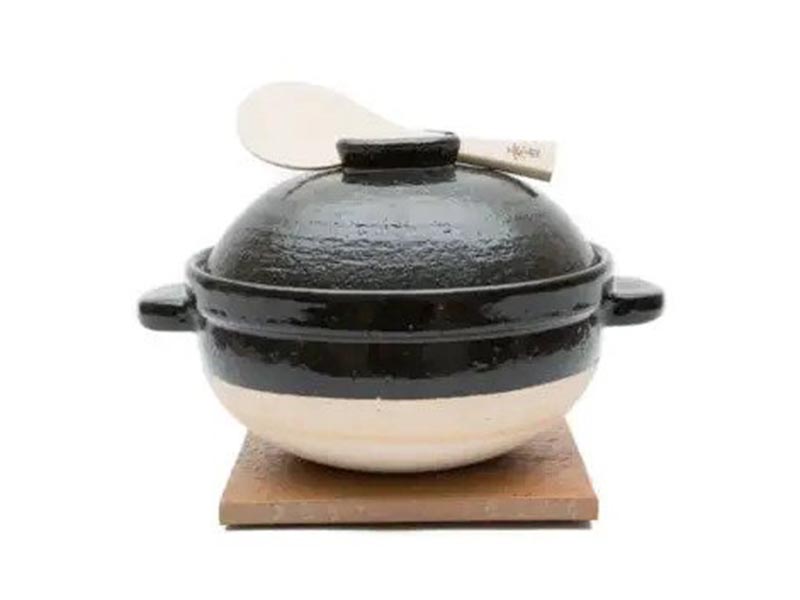
If you have searched for “Hagatani-En Donabe Kamadosan,” there is a good chance you are looking for the famous Nagatani-en Kamado-san, the Japanese double-lid donabe rice cooker that has quietly convinced many home cooks that rice is not a side dish. It is the main character wearing a fluffy white tuxedo.
Kamado-san is not an electric appliance, not a gadget with 14 blinking buttons, and definitely not something that sings a tune when dinner is ready. It is a handcrafted Iga-yaki clay pot made by Nagatani-en, a long-established pottery producer in Iga, Japan. Its job is simple: cook rice beautifully over direct heat. Yet that simple promise is exactly why this donabe has gained a loyal following among chefs, serious home cooks, Japanese food lovers, and anyone who has ever stared at a bowl of average rice and whispered, “You could be more.”
This guide explains what the Hagatani-En Donabe Kamadosan is, why the correct name matters, how Kamado-san works, what makes Iga-yaki clay special, how to use and care for the pot, and whether it deserves space in a modern American kitchen already crowded with air fryers, espresso tools, and that one blender nobody wants to wash.
What Is the Hagatani-En Donabe Kamadosan?
The phrase “Hagatani-En Donabe Kamadosan” appears to be a spelling variation of Nagatani-en Kamado-san. Nagatani-en is the maker, donabe means Japanese clay pot, and Kamado-san is the product name. “Kamado” refers to a traditional Japanese cooking stove, while “san” adds a friendly honorific. In spirit, Kamado-san roughly feels like “Mr. Hearth,” which is charming enough to make your countertop feel underdressed.
Kamado-san is designed primarily as a stovetop clay rice cooker. Unlike an electric rice cooker, it does not rely on sensors or programmed settings. Instead, it uses the physical properties of thick Iga clay, a double-lid structure, and strong heat retention to cook short-grain rice with a glossy surface, tender center, and satisfying aroma.
The pot is especially known for three features: its thick clay body, its two lids, and its ability to hold heat after the flame is turned off. These details help create steady cooking conditions, which is exactly what rice wants. Rice is dramatic. Give it uneven heat and it sulks. Give it a patient clay pot and it becomes dinner royalty.
Why Kamado-san Has a Cult Following
Many rice cookers promise convenience. Kamado-san promises involvement. That sounds like more work, and yes, it does ask you to rinse rice, soak it, turn on the burner, and let the pot rest. But the payoff is sensory. You hear the faint bubbling. You see steam begin to puff from the lid. You smell cooked rice before you open the pot. Then comes the lid-lifting moment, which is basically a tiny kitchen ceremony with carbs.
For cooks who love process, Kamado-san makes rice feel intentional. It is not fast food and it is not background food. It turns rice into something you plan around. A bowl of Kamado-san rice can carry grilled fish, miso soup, pickles, curry, braised beef, stir-fried vegetables, or a perfectly soft egg. It also stands proudly alone with furikake, sesame salt, or a small spoonful of butter and soy sauce. No judgment. The rice pot has seen things.
The Iga-Yaki Clay Difference
Kamado-san is made in the Iga-yaki tradition, a style of Japanese pottery associated with Iga in Mie Prefecture. Iga clay is valued for heat resistance and heat retention. Its coarse, porous character helps the pot heat gradually and hold warmth after the burner is turned off. This matters because rice benefits from a strong initial cooking phase followed by a calm resting phase, when remaining steam finishes the grains.
In practical terms, the pot behaves differently from metal cookware. A metal saucepan heats quickly and cools quickly. Kamado-san is more like a thoughtful old chef: slower to get moving, but once it is warm, it stays steady. That steady heat helps the rice cook evenly from surface to core. The result is rice that tastes fuller, smells sweeter, and has a more satisfying texture than rice cooked carelessly in a thin pot.
How the Double-Lid Design Works
The double-lid system is one of Kamado-san’s defining details. The inner lid sits below the outer lid, helping manage steam and reduce boil-over. The two lids create a more controlled cooking environment, allowing pressure and moisture to circulate inside the pot without requiring complicated heat adjustments.
This is one reason Kamado-san is often described as beginner-friendly for a traditional tool. You do not need to hover over the stove like a nervous helicopter parent. Once the rice and water are measured properly, the flame does the first part, the clay does the second part, and time does the rest. Your main job is not to panic and lift the lid every 30 seconds. Rice likes privacy.
How to Cook White Rice in Kamado-san
The basic method is simple, but small details matter. Start with Japanese short-grain rice or medium-grain rice if that is what you have. Rinse the rice gently until the water runs mostly clear. This removes excess surface starch and helps prevent gummy rice. Then soak the rice so the grains can hydrate evenly before cooking.
A commonly recommended ratio for short-grain white rice is about one rice cup of rice to 200 ml of water, or roughly a 9:10 rice-to-water ratio. New-crop rice may need slightly less water because it naturally contains more moisture. Older rice may appreciate a tiny bit more. Rice is like a houseplant: not difficult, but it does have opinions.
Basic Kamado-san Rice Method
For a simple white rice batch, rinse the rice, drain it, add the measured water, and let it soak. Place both lids on the pot, aligning them as instructed by the maker. Set the donabe on a gas burner and cook over medium-high heat. When steam begins to puff steadily, the rice is usually close to done. After the cooking time, turn off the heat and let the pot rest with the lids on for about 20 minutes.
That resting period is not optional. It is where the texture settles, the moisture distributes, and the rice becomes fluffy instead of wet. Opening the lid too early is like leaving a movie before the final scene. Technically you can do it, but why hurt yourself?
What Can You Cook Besides Plain Rice?
Although Kamado-san is built for rice, it can do more. Many cooks use it for seasoned rice, mixed rice, mushroom rice, chestnut rice, rice with peas, rice with chicken, or rice cooked in dashi. The pot can also be used for soup, stew, or hot pot, although for some recipes you may use only the outer lid or choose another donabe shape better suited to communal table cooking.
For American kitchens, Kamado-san can be surprisingly flexible. Try rice cooked with kombu and a splash of sake, then top it with roasted salmon. Make chicken and ginger rice on a cold night. Cook short-grain rice with mushrooms and finish with scallions and toasted sesame. Or prepare plain rice and serve it with chili crisp, braised short ribs, teriyaki tofu, or leftover roast chicken. The donabe does not care whether dinner is traditional. It cares whether dinner is good.
Kamado-san vs. Electric Rice Cooker
An electric rice cooker wins on convenience. You press a button, walk away, and return to cooked rice. A high-quality model can produce excellent results with minimal effort. For busy families, dorm rooms, offices, and people who forget they are cooking until the smoke alarm joins the conversation, electric rice cookers are fantastic.
Kamado-san wins on texture, aroma, ritual, and table presence. It asks for more attention, but many cooks find the rice more expressive. The grains can taste sweeter and feel more distinct. The pot also looks beautiful enough to bring directly to the table, which is helpful if you enjoy serving dinner with a little drama but not enough drama to start making soufflé on a Tuesday.
The choice depends on your cooking personality. If you want automatic rice every day, an electric cooker may be better. If you enjoy hands-on cooking and want rice that feels special, Kamado-san is a strong choice. Some rice enthusiasts own both: electric cooker for weekday autopilot, Kamado-san for meals where rice deserves applause.
How to Season a Donabe Before First Use
Before using a new donabe, it often needs a seasoning step called medome. This usually involves cooking a starchy mixture, such as rice porridge, in the pot. The starch helps seal tiny pores in the clay and prepares the donabe for regular cooking.
Do not skip the care instructions that come with your specific Kamado-san. Handmade clay cookware is durable when treated properly, but it is not indestructible. It dislikes sudden temperature changes, empty heating, harsh scrubbing, and long soaks in soapy water. In other words, it has boundaries. Respect them and it may serve you for years.
Care Tips for Long-Term Use
After cooking, let the pot cool before washing it. Avoid shocking hot clay with cold water, because thermal shock can cause cracking. Wash gently with water and a soft sponge. If you use mild soap, use it sparingly and do not soak the pot for a long time. Clay can absorb odors, and nobody wants tomorrow’s rice to taste faintly like lavender dish detergent. That is not fusion cuisine. That is a mistake.
Dry the donabe thoroughly before storing it. Because clay is porous, trapped moisture can lead to musty smells or damage. Store it with the lids slightly offset if possible so air can circulate. Over time, small changes in color, fine surface marks, or patina may appear. This is part of the charm of handmade earthenware, not a sign that your pot is auditioning for a haunted house.
Who Should Buy a Kamado-san?
Kamado-san is ideal for people who cook rice often and care about texture. It is also a good fit for fans of Japanese home cooking, donabe recipes, handmade cookware, and beautiful kitchen tools that earn their shelf space. If you already make miso soup, grilled fish, curry rice, nabe, onigiri, or donburi bowls, this pot fits naturally into your routine.
It may not be ideal if you need maximum convenience, cook mostly on induction, dislike hand washing, or prefer cookware you can treat like a stainless steel saucepan. Kamado-san is not fussy, but it does ask for care. Think of it less as a fragile museum object and more as a cast-iron skillet’s poetic cousin.
Common Buying Considerations
Size
Kamado-san is available in different rice-cup capacities. A smaller version works well for one person or couples. A three-cup size is popular for small families or people who enjoy leftovers. Larger sizes suit bigger households or dinner parties. Remember that a Japanese rice cup is typically 180 ml, not the 240 ml American measuring cup. This detail has caused many innocent rice disasters.
Heat Source
Traditional Kamado-san models are designed for direct flame, especially gas stovetops. They are generally not meant for induction burners unless a specific compatible accessory or model is used. Always check the product instructions before buying, especially if your kitchen has an induction or smooth electric cooktop.
Authenticity
Because the name is sometimes misspelled online, look for the maker name Nagatani-en, the product name Kamado-san, and references to Iga-yaki pottery. Buying from reputable retailers helps ensure you receive the real pot, proper instructions, and safe packaging. A donabe is not something you want shipped with the emotional support of one sad piece of bubble wrap.
Practical Examples for Everyday Meals
For a simple Japanese-style dinner, cook plain rice in Kamado-san and serve it with miso soup, broiled salmon, cucumber pickles, and a small bowl of greens. The rice becomes the calm center of the meal. For a comfort-food version, cook rice with chicken stock, ginger, and sliced mushrooms, then top it with shredded chicken and scallions. For a vegetarian bowl, pair donabe rice with roasted sweet potatoes, sautéed spinach, sesame sauce, and a soft egg.
You can also use the pot to upgrade leftovers. Yesterday’s grilled chicken becomes a rice bowl. A spoonful of curry becomes lunch worth bragging about. Even canned tuna, soy sauce, mayo, and scallions can become a surprisingly satisfying meal over fresh donabe rice. Kamado-san has a way of making humble food look like it had a reservation.
Experiences With Hagatani-En Donabe Kamadosan
The first experience many people have with a Kamado-san is surprise. Not because the process is difficult, but because it feels calmer than expected. You rinse the rice, measure the water, set the pot on the stove, and wait. There is no digital screen. No countdown. No app asking to connect to Wi-Fi. For once, dinner does not need your password.
When steam begins to rise, the kitchen changes. The smell is soft and slightly sweet. It is not dramatic like garlic hitting hot oil, but it is comforting in a quieter way. After resting, opening the lid feels like a reward. The rice surface looks glossy, and the grains seem more alive than rice scooped from a generic pot. The first spoonful explains the appeal better than any product description can.
One of the best uses is making rice for onigiri. Fresh Kamado-san rice has the right balance of stickiness and structure, so it holds together without turning into paste. Add salted salmon, umeboshi, tuna mayo, or sesame greens, and suddenly lunch looks like you planned your life better than you actually did.
Another memorable experience is cooking mushroom rice. Short-grain rice, dashi, soy sauce, mirin, and a mix of shiitake, maitake, or cremini mushrooms create a deeply aromatic dish. The donabe keeps the heat gentle enough that the rice absorbs flavor without becoming mushy. When you lift the lid, the steam smells earthy and savory, like autumn rented a small apartment in your kitchen.
The pot also changes how you serve food. Instead of transferring rice to a bowl and hiding the cookware, you can bring Kamado-san to the table. Guests naturally lean in. Someone asks what it is. Someone else says they have seen one online. Then the lid comes off and the meal has a focal point. This is the quiet magic of donabe cooking: it turns a pot into part of the conversation.
There is a learning curve, but it is friendly. The first batch may be slightly too wet or slightly too firm. Adjusting water by a tablespoon or two can make a noticeable difference. Cooking for an extra minute can create a light crust at the bottom. Resting properly improves texture. After a few tries, you begin to understand your stove, your rice brand, and your preferred softness. It becomes less of a recipe and more of a relationship.
Care becomes part of the rhythm too. You let the pot cool. You wash it gently. You dry it carefully. At first this may feel precious, especially if you are used to throwing everything into the dishwasher and hoping for the best. But the routine is quick, and it reinforces the idea that useful objects can be treated with respect. Kamado-san is not disposable convenience. It is a tool meant to age with use.
For many cooks, the biggest experience is emotional: rice starts to matter more. That may sound funny until it happens. A bowl of well-cooked rice makes simple meals feel complete. It improves leftovers. It supports soups, stews, grilled meats, vegetables, eggs, and pickles. It makes you slow down for a moment before eating. In a kitchen culture obsessed with faster, smarter, and more automated, Kamado-san offers something refreshingly old-fashioned: pay attention, cook simply, eat well.
Conclusion: Is Kamado-san Worth It?
The Hagatani-En Donabe Kamadosan, more accurately known as the Nagatani-en Kamado-san, is not just another rice cooker. It is a handcrafted Iga-yaki donabe that brings together tradition, function, and everyday beauty. Its double-lid design, thick clay body, and excellent heat retention help produce rice with impressive texture and aroma. It also invites a slower, more mindful style of cooking that many modern kitchens secretly need.
If you want push-button convenience, buy a good electric rice cooker. If you want rice that feels special, a pot that looks beautiful at the table, and a cooking ritual that rewards patience, Kamado-san deserves serious attention. It may not beep, flash, or connect to your phone, but it does something better: it makes rice worth talking about.













