
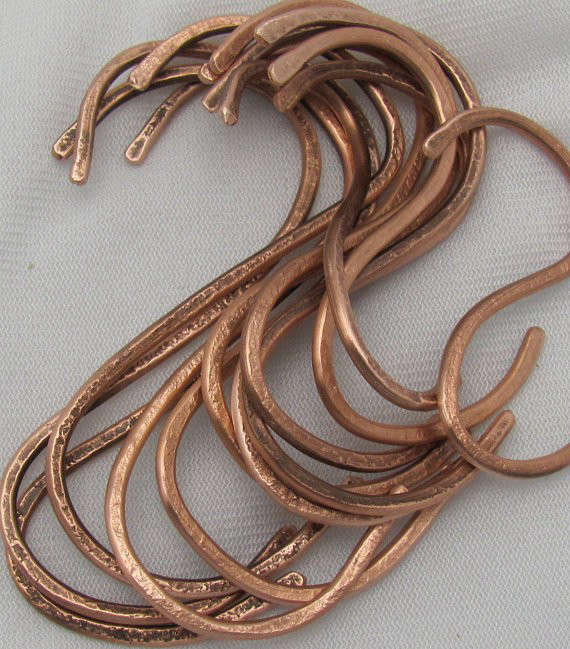
There are kitchen upgrades that whisper, and then there are kitchen upgrades that arrive wearing a leather apron and carrying a skillet. Hand hammered copper “S” pot rack hooks belong firmly in the second category. They are small pieces of hardware, but they can turn a plain ceiling rack, wall rail, or hanging bar into a warm, hardworking display that looks collected rather than copied from page 47 of a catalog.
These copper hooks are more than decorative curls of metal. They help organize cookware, free up cabinet space, keep favorite pans within reach, and add a handmade accent to the room where people somehow always gather. Whether your kitchen leans farmhouse, rustic, industrial, Mediterranean, traditional, or “I bought one vintage pan and now I have a theme,” hand hammered copper S hooks can fit right in.
This guide explains what to look for, how to use copper pot rack hooks safely, how to style them without creating a cookware traffic jam, and how to care for their finish as it develops character over time.
What Are Hand Hammered Copper “S” Pot Rack Hooks?
A copper S hook is a double-curved hook shaped like the letter “S.” One end hangs over a pot rack, rail, grid, bar, or chain link. The other end holds cookware, utensils, baskets, mugs, or lightweight kitchen tools. The design is simple, but that is exactly why it has survived the test of time. It works without springs, clips, batteries, apps, or a mysterious instruction booklet translated from another planet.
Hand hammered copper S pot rack hooks add visible texture to that familiar shape. The hammered marks may be subtle dimples, deeper faceted impressions, or a more rustic irregular pattern. Each strike catches light differently, giving the metal movement and depth. In a sunny kitchen, the hooks can glow softly. At night, they can look richer and darker, especially beside wood, black iron, aged brass, or cream-colored cabinetry.
Not every hook marketed as “copper” is solid copper. Some are copper-plated steel, copper-toned metal, brass with a copper finish, or another base metal covered in a decorative layer. That does not automatically make them bad, but it does make the details important. Solid copper, copper-plated hardware, and lacquered finishes can age and clean very differently.
Why Copper Pot Rack Hooks Make a Kitchen Feel Special
Pot racks are practical because they move cookware out of crowded cabinets and into usable vertical space. Adding hand hammered copper hooks gives that storage solution a more intentional look. Instead of seeing a row of pans suspended from anonymous hardware, you see a complete design element with warmth, texture, and a little old-world charm.
Copper is naturally expressive. Freshly polished copper can appear bright and rosy, while untreated copper gradually deepens into warmer brown, amber, and darker tones. This evolving finish is called patina. Some homeowners polish copper regularly because they love the bright shine. Others let it mellow naturally because a little patina makes the kitchen feel lived-in, layered, and less like a showroom where nobody is allowed to boil pasta.
Hand hammered hooks also pair beautifully with copper cookware, cast iron skillets, stainless steel pans, ceramic utensils, wooden spoons, and woven market baskets. The trick is not to make every object match perfectly. A pot rack looks more interesting when it mixes useful cookware with a few tactile materials, such as wood, linen, or stoneware.
How to Choose the Right Copper S Hooks
Look Beyond the Color
The first question is not simply, “Is it copper?” The better question is, “What is this hook actually made of?” Ask whether it is solid copper, copper-plated steel, brass, or another metal with a copper-colored finish. A solid copper hook offers a more authentic material appearance and can develop a natural patina. Copper-plated hooks may be more affordable, but heavy friction, scratches, or aggressive cleaning can eventually reveal the metal beneath the finish.
Also ask whether the hook is lacquered or left raw. A clear lacquer helps preserve a bright finish and slows tarnishing. Raw or unlacquered copper changes more naturally with time. Neither choice is universally better. It depends on whether you want low-maintenance shine or a finish that tells a quiet visual story about every year it has spent in your kitchen.
Check the Hook Shape and Opening
An S hook can look gorgeous and still be annoying if it does not fit your rack. Measure the diameter of the pot rack bar, rail, or grid wire before ordering. The upper curve of the hook must fit comfortably over that support without sitting at an awkward angle.
Then consider the lower opening. A narrow lower curve works well for utensils, measuring cups, small saucepans, and lightweight baskets. A broader curve is more practical for thicker cookware handles, cast iron pans, Dutch oven handles, and large ladles. You do not want to wrestle a pan onto a hook every evening as if you are trying to solve a metal puzzle box.
Do Not Guess About Weight Capacity
Weight capacity is the serious part of this otherwise charming kitchen project. The hook, rack, mounting hardware, ceiling structure, chains, fasteners, and cookware all matter. The weakest component determines the safe limit. A strong-looking hook does not magically make an under-mounted rack safe, and a beautiful rack does not turn drywall into a structural beam.
Check the manufacturer’s stated load rating for each hook and the total rating for the rack system. Add the weight of the rack itself, all hooks, and every pan you plan to hang. Heavy cookware such as cast iron, stockpots, braisers, and full-size Dutch ovens should be treated with extra caution. When in doubt, use lighter pieces for display and store the heaviest cookware elsewhere.
Choose a Finish That Fits the Rest of the Kitchen
Hand hammered copper hooks work especially well with black iron racks, dark wood beams, reclaimed wood shelving, brass fixtures, white subway tile, soapstone counters, butcher-block islands, and warm neutral paint colors. They can also look unexpectedly polished in modern kitchens when paired with simple lines and minimal clutter.
For a more rustic style, choose a darker antiqued copper finish with visible hammer texture. For a cleaner, brighter kitchen, choose polished copper with smaller, more refined hammer marks. If your kitchen already has brushed nickel appliances, you do not need to replace everything. Copper works best as an accent, not a hostage situation for every metallic surface in the room.
Smart Ways to Use Copper Pot Rack Hooks
Hand hammered copper S hooks are useful well beyond the traditional ceiling-mounted pot rack. They can hang from a wall-mounted rail, a kitchen pegboard, an open shelf bracket, a pantry bar, a freestanding baker’s rack, or even a sturdy utility shelf with a built-in hanging rail.
Use the hooks for the tools you reach for most often: a skillet, sauté pan, saucepan, colander, mesh strainer, ladle, whisk, oven mitt, kitchen shears, or measuring cups. Hanging frequently used cookware near the cooking area can make the kitchen feel more efficient, especially when your lower cabinets are already packed with lids, baking sheets, and at least three containers with missing tops.
You can also use a few hooks for decorative storage. A small copper basket can hold garlic or onions. A lightweight herb bundle can hang near a window. A favorite ceramic mug can live on a rail beside the coffee station. Just keep decorative items from crowding the pieces you use every day.
How to Arrange a Pot Rack Without Making It Look Chaotic
The easiest way to style a pot rack is to begin with function. Hang the pans you use most in the most accessible positions. Place lighter cookware on the outer sections and keep heavier pieces closer to the strongest support points, according to the rack manufacturer’s guidance.
Leave some breathing room between pans. A packed rack may hold more cookware, but it can also create a clanging metal orchestra every time you remove one skillet. Spacing also makes the hand hammered copper hooks easier to see, which is the whole point of choosing beautiful hardware in the first place.
Try grouping cookware by size or type. For example, arrange skillets from smallest to largest on one side and saucepans on the other. Or create a more relaxed composition by mixing one copper pan, one cast iron skillet, one stainless saucepan, and a hanging utensil bundle. The goal is visual balance, not military formation.
A Simple Styling Formula
For a balanced pot rack, start with three to five everyday pans, add two or three utensils or small tools, then stop and look from across the room. Add only what improves the arrangement. Empty space is not wasted space; it is what keeps the rack from looking like a cookware garage sale floating above your head.
Installation and Safety Basics
A pot rack installation should be treated as a structural project, not a decorative afterthought. Ceiling-mounted racks should be anchored into appropriate structural support, such as ceiling joists or a properly reinforced mounting system. Wall-mounted rails should be secured into studs, solid backing, or manufacturer-approved heavy-duty anchors designed for the intended load.
Before drilling, locate joists or studs with a reliable stud finder and confirm the mounting plan. Use hardware recommended by the pot rack manufacturer whenever possible. If the rack will hold heavy cookware, unusual ceiling materials are involved, or you are uncertain about the framing, hire a qualified installer or contractor. A professional visit is much less dramatic than discovering that gravity has strong opinions about your cookware collection.
Consider clearance, too. Make sure hanging pans will not block cabinet doors, interfere with pendant lights, bump heads, or swing into a busy walkway. A pot rack should make cooking easier, not turn your kitchen into an obstacle course with a sauté pan at forehead height.
How to Clean and Care for Hand Hammered Copper Hooks
Care depends on whether your hooks are raw copper, polished copper, or copper with a protective lacquer. For routine cleaning, use mild dish soap, warm water, and a soft cloth. Dry the hooks thoroughly afterward to reduce water spots and avoid letting moisture linger in textured hammer marks.
Avoid steel wool, harsh scouring pads, bleach, and aggressive abrasive cleaners. These can scratch the surface, dull the finish, or damage a protective coating. Copper may be durable, but it does not enjoy being scrubbed like a neglected grill grate.
If the hooks are lacquered, stick to gentle soap-and-water cleaning unless the manufacturer gives different instructions. Acidic homemade cleaners and polishing products can damage or cloud a clear finish. If the hooks are unlacquered and you prefer a brighter shine, use a copper-safe polish or a mild cleaning method after testing a small hidden spot first.
Patina is not a failure. It is part of copper’s personality. Some people love a bright polished finish; others prefer the deeper tones that develop with air, touch, cooking steam, and ordinary kitchen life. Choose the look you enjoy, then care for the hooks consistently rather than trying to force them to look brand-new forever.
Frequently Asked Questions About Copper Pot Rack Hooks
Are hand hammered copper S hooks strong enough for pots and pans?
They can be, but strength depends on the hook’s material, thickness, construction, manufacturer rating, rack design, and mounting system. Never assume that appearance equals load capacity. Confirm the stated rating and consider the complete system, not just the hook.
Can copper S hooks be used with cast iron cookware?
Only if both the hook and pot rack are rated for that weight and are installed correctly. Cast iron is heavy, especially in larger skillets, Dutch ovens, and grill pans. Many kitchens use cast iron on racks safely, but the mounting and hardware must be designed for it.
Will copper hooks tarnish?
Unlacquered copper naturally changes color over time. It may deepen from bright orange-pink to warm brown or darker tones. That change is normal. Lacquered hooks usually stay brighter longer, though the protective coating may eventually wear with age and use.
Can I mix copper hooks with a black pot rack?
Absolutely. Black iron and copper are a classic pairing because the dark rack gives the warm copper finish room to stand out. The contrast works especially well in farmhouse, industrial, transitional, and rustic kitchens.
Are copper hooks only for pot racks?
No. They can organize utensils, mugs, baskets, herb bundles, small colanders, oven mitts, and lightweight kitchen accessories. They are also useful in pantries, laundry rooms, garden sheds, or coffee bars, provided the supporting rail and hook rating match the load.
Hands-On Experiences With Hand Hammered Copper “S” Pot Rack Hooks
One of the most common experiences with hand hammered copper S hooks is surprise at how much difference such a small detail makes. A basic ceiling rack can look practical but unfinished, especially when it uses plain silver hooks that disappear into the background. Replacing those hooks with hammered copper versions often changes the whole mood of the kitchen. The pans are still the same pans. The rack is still the same rack. Yet the room suddenly looks warmer, more personal, and slightly more expensive in the best possible way.
Many homeowners discover that copper hooks are most satisfying when they are not treated as precious museum objects. They look best when they are actually used. A skillet comes down for breakfast, a colander gets rinsed after pasta night, and a ladle swings gently from the rail near the stove. Over time, the copper develops tiny changes in color around the curves where hands touch it most. Those areas become part of the appeal. The hooks start to look like they belong to the kitchen rather than having arrived five minutes ago in a decorative shipping box.
Another practical lesson is that spacing matters more than people expect. It is tempting to hang every pot, pan, lid, and utensil in sight because the rack finally offers open storage. Then dinner happens, one pan comes off, and the rest begin clinking together like a tiny percussion section. The better approach is to hang the cookware used most often and leave some open space between larger pieces. The rack becomes easier to use, easier to clean around, and much nicer to look at.
People also learn quickly that hook shape affects daily convenience. A hook with a narrow lower curve may look delicate but can be frustrating with wide skillet handles. A larger, more open S shape can be easier to use for cookware, while smaller hooks are excellent for measuring cups, utensils, and lightweight baskets. Mixing hook sizes often produces the most useful setup because kitchens rarely contain only one type of handle.
Cleaning preferences tend to divide copper-hook owners into two friendly camps. One group enjoys polishing the hooks until they shine like pennies that have attended a spa retreat. The other group prefers the mellow, aged finish that appears naturally over time. Both approaches work. The most important part is avoiding harsh scrubbing that can flatten the visual texture of the hammer marks or damage a protective finish.
Finally, the best experience comes from treating a pot rack as a working display instead of a storage contest. A few well-chosen pans, beautiful copper hooks, and enough room to grab what you need can make the kitchen feel more organized without looking staged. The result is a space that is functional, inviting, and just dramatic enough to make Tuesday-night soup feel like an event.
Note: Always follow the hook and rack manufacturer’s load limits, use appropriate mounting hardware, and consult a qualified installer when the ceiling structure or total cookware weight is uncertain.













