
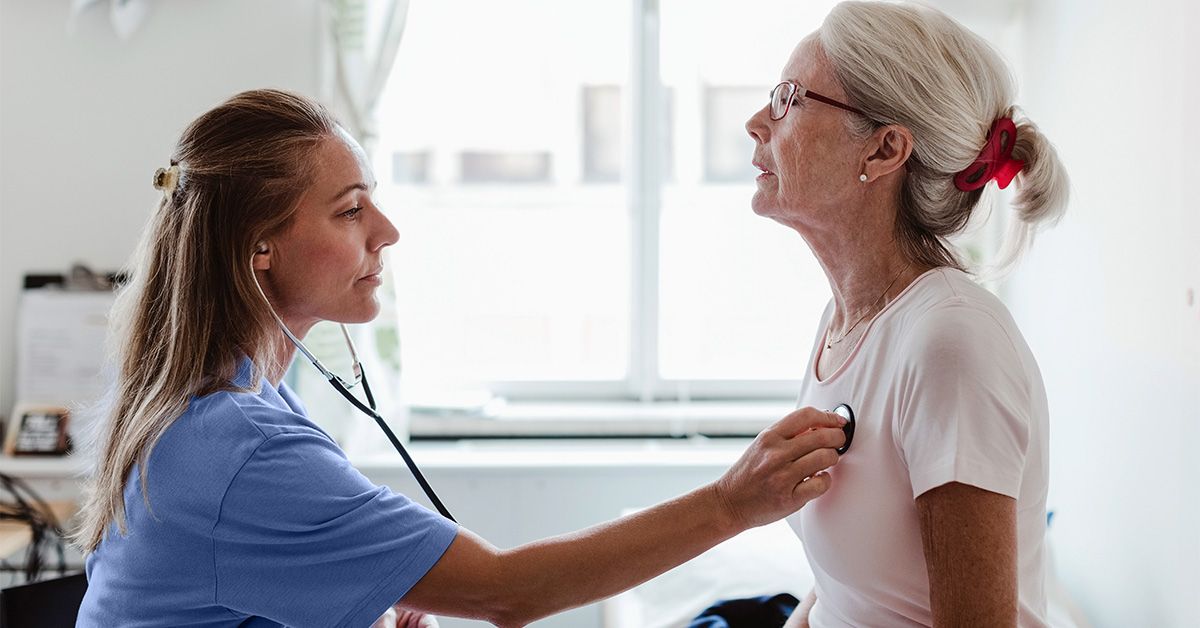
For years, uterine fibroids have mostly lived in the “gynecology drawer” of health conversations: periods, pelvic pressure, fertility, and treatment decisions. New research suggests they may deserve a spot in the heart-health drawer, too. It is not exactly the crossover episode anyone requested, but it could be an important one.
A large U.S. study found that people diagnosed with uterine fibroids had an 81% higher relative risk of developing atherosclerotic cardiovascular disease over 10 years compared with similar people without a fibroid diagnosis. That does not mean fibroids directly cause heart disease, and it does not mean every person with fibroids is headed for a cardiac problem. It does mean a fibroid diagnosis may be a useful signal to look more closely at overall cardiovascular health.
What the “81% Higher Risk” Headline Actually Means
The headline is attention-grabbing because it should be. However, it needs context before it starts sprinting around the room in tiny panic shoes.
Researchers reviewed long-term health data from more than 450,000 people diagnosed with uterine fibroids and compared them with roughly 2.25 million people without a fibroid diagnosis. The study examined atherosclerotic cardiovascular disease, a broad category that includes coronary artery disease, stroke-related vascular disease, and peripheral artery disease.
After 10 years, about 5.4% of people with fibroids had experienced a cardiovascular event, compared with about 3.0% of people without fibroids. In plain English, that is an absolute difference of roughly 2 to 3 additional cardiovascular events per 100 people over a decade in the study population.
The 81% figure refers to relative risk. Relative risk is useful for showing that two groups are meaningfully different, but it is not a personal prediction. Your individual risk depends on many factors, including age, blood pressure, cholesterol, diabetes, smoking or nicotine exposure, family history, activity level, pregnancy history, sleep, body composition, and access to preventive care.
In other words, a fibroid diagnosis should not become a reason to panic. It should become a reason to ask a better question: “Is my heart-health picture getting the same attention as my reproductive-health picture?”
What Are Uterine Fibroids?
Uterine fibroids, also called leiomyomas or myomas, are benign growths made of muscle and connective tissue in or around the uterus. They are common, especially during the reproductive years. Fibroids are not uterine cancer, and they are generally not considered cancerous growths.
Some people have fibroids and never know it. Others receive an unwanted monthly reminder that their uterus has opinions. Symptoms can include heavy or prolonged periods, pelvic pressure, pain, frequent urination, constipation, lower-back discomfort, pain during sex, and trouble with fertility or pregnancy in some cases.
Fibroids vary dramatically in size and location. A small fibroid may cause no symptoms at all, while a larger fibroid or several fibroids can affect bleeding, comfort, daily activities, and quality of life. That variety is one reason fibroid care should be personalized rather than treated like a one-size-fits-all sweater from a mystery online store.
Why Might Fibroids and Heart Disease Be Connected?
Scientists do not yet have one neat, definitive explanation. The relationship is likely complex, and several possible pathways are being studied. Think less “one villain in a lab coat” and more “several overlapping plotlines.”
Shared cardiovascular risk factors
Fibroids and cardiovascular disease can overlap with conditions such as high blood pressure, excess weight, insulin resistance, diabetes, and metabolic syndrome. High blood pressure is especially important because it can quietly damage blood vessels over time while causing few or no symptoms.
Research has also found that untreated or newly developed hypertension may be associated with a higher likelihood of a fibroid diagnosis in midlife. That does not prove blood pressure causes fibroids, but it strengthens the case for taking blood pressure seriously in people with or without fibroids.
Hormonal, inflammatory, and vascular pathways
Fibroids are hormone-sensitive growths, and hormones can influence blood vessels, metabolism, and inflammatory activity throughout the body. Researchers have proposed that fibroids and atherosclerosis may share biological pathways involving smooth-muscle growth, fibrosis, calcification, inflammation, and blood-vessel changes.
These are plausible mechanisms, not settled answers. Biology is rarely a single straight road. It is more like a roundabout with unclear lane markings and someone trying to merge while holding a smoothie.
Heavy bleeding and anemia may add stress
Fibroids can cause heavy menstrual bleeding. When bleeding is significant, iron-deficiency anemia may develop. Anemia can contribute to fatigue, dizziness, palpitations, weakness, and shortness of breath. Severe or persistent symptoms deserve medical evaluation because they can make everyday activities harder and place extra strain on the body.
Still, anemia alone does not explain the entire fibroid-heart disease link. The cardiovascular outcomes in the study involved atherosclerotic disease, which develops through long-term changes in blood vessels and risk factors.
Diagnosis and health-care access may matter
Fibroids are often underdiagnosed because many people have mild symptoms or no symptoms. Researchers can only study what is documented in medical records. People who see doctors more often may be more likely to receive a fibroid diagnosis, have blood pressure checked, and undergo heart-related testing. That kind of difference can affect research findings, even when scientists use sophisticated methods to account for it.
Important Limitation: Fibroids Are a Marker, Not a Proven Cause
This research is important, but it is observational. Observational studies can identify patterns and associations; they cannot prove direct cause and effect on their own.
For example, people with fibroids may share health conditions, environmental exposures, genetic tendencies, or social factors that also influence cardiovascular risk. Some may have had undetected fibroids before receiving an official diagnosis. Others may have more frequent medical visits, leading to more diagnoses overall.
Earlier studies have not all reached the same conclusion. Some found that people with fibroids had more cardiovascular risk factors but did not show clear evidence of early artery damage. Other studies linked fibroids with less favorable metabolic patterns, including higher cholesterol, triglycerides, or metabolic syndrome.
That mixed evidence is exactly why the latest study should be viewed as a strong reason for more research and more preventive carenot as a reason to assume fibroids are secretly tiny heart attacks in disguise.
Why This Finding Matters for Women’s Health
Heart disease is a leading cause of death among women in the United States, yet women’s cardiovascular symptoms and risk factors have historically been underrecognized. Reproductive health conditions may offer important clues about future cardiovascular risk, especially when they occur alongside high blood pressure, diabetes, obesity, high cholesterol, pregnancy complications, or a family history of early heart disease.
The fibroid-heart disease connection also matters because fibroids affect Black women disproportionately. Black women are more likely to develop fibroids at younger ages, may experience larger or more symptomatic fibroids, and also face major disparities in cardiovascular health outcomes. This does not mean race itself is a biological destiny. It means equitable access to diagnosis, symptom relief, blood-pressure care, preventive screenings, and respectful treatment is essential.
A gynecology visit should not replace primary care or cardiology care when needed. But it can be an excellent place to begin a broader conversation about blood pressure, cholesterol, blood sugar, physical activity, sleep, stress, and family history.
What to Do If You Have Uterine Fibroids
A fibroid diagnosis is not a heart disease diagnosis. It is, however, a sensible reminder to check whether your preventive care is up to date.
Ask for a heart-health check-in
Talk with a qualified health professional about your blood pressure, cholesterol, blood sugar or diabetes screening, family history, medications, pregnancy history, and lifestyle factors. These are the everyday building blocks of cardiovascular risk assessment.
Know your blood pressure
High blood pressure often has no obvious symptoms, so “I feel fine” is not a reliable screening tool. Regular readings at a clinic, pharmacy, or validated home monitor can help identify a problem before it creates bigger trouble.
Take heavy bleeding seriously
Heavy periods should not automatically be dismissed as something to “just deal with.” Tell a clinician if bleeding disrupts school, work, sleep, exercise, social plans, or daily life. Ask whether you should be checked for anemia and whether your fibroid symptoms need additional treatment.
Focus on the proven risk reducers
Heart-protective habits do not need to be dramatic. A sustainable eating pattern, regular movement, adequate sleep, avoiding tobacco and nicotine products, limiting alcohol, managing stress, and treating high blood pressure, high cholesterol, or diabetes when indicated can all support cardiovascular health.
There is no evidence that a person should undergo fibroid surgery solely to reduce future heart disease risk. Fibroid treatment decisions should be based on symptoms, anemia, fibroid size and location, fertility goals, personal preferences, and medical advice.
Questions to Ask Your Doctor About Fibroids and Heart Health
- Do my fibroid symptoms suggest that I should be checked for anemia?
- Is my blood pressure in a healthy range?
- Should I have cholesterol, triglyceride, glucose, or diabetes screening?
- Do my family history or pregnancy history affect my heart disease risk?
- What fibroid treatment options fit my symptoms and future pregnancy plans?
- Which lifestyle changes would realistically make the biggest difference for my health?
When to Seek Prompt Medical Care
Seek urgent medical care for severe vaginal bleeding, sudden severe pelvic pain, fainting, worsening shortness of breath, or symptoms that feel unusual or alarming. New chest pressure, unexplained shortness of breath, sudden weakness, or trouble speaking should also be treated as urgent symptoms and evaluated immediately.
Experiences: How the Fibroid-Heart Health Conversation Can Play Out
The following examples are fictional composite scenarios based on common clinical experiences. They are included to illustrate practical conversations, not to replace medical care.
1. The person who thought fatigue was simply part of adulthood
Maya, 34, had always had heavy periods. She assumed feeling exhausted for several days each month was the standard price of having a uterus, like parking fees or mysteriously disappearing hair ties. During a routine visit, she mentioned that she sometimes needed to change her plans because of bleeding and fatigue.
Her clinician evaluated her fibroid symptoms, checked her blood count, and found iron-deficiency anemia. Her blood pressure was also higher than expected. Neither issue meant she had heart disease, but together they gave her care team a clearer picture. She received treatment for the anemia, discussed options for fibroid-related bleeding, and started monitoring her blood pressure.
What changed most was not one magic medication or one perfect meal plan. Maya stopped treating her symptoms as separate problems. She began to see reproductive health and heart health as parts of the same larger health story.
2. The person whose exercise routine needed a redesign, not a cancellation
Danielle, 41, had pelvic pressure and heavy bleeding from fibroids. She liked being active, but intense workouts during certain weeks of her cycle felt miserable. She started skipping movement entirely because she felt that anything less than a hard workout “did not count.”
After discussing her symptoms with a clinician, Danielle adjusted her approach. On high-energy days, she took longer walks, used a stationary bike, or did strength training. On difficult days, she focused on gentle stretching, short walks, and rest. The goal was consistency, not punishment.
That shift helped her protect her cardiovascular health without pretending her symptoms did not exist. It also helped her break the all-or-nothing mindset that turns a missed workout into a three-month disappearance from the gym.
3. The person who used a fibroid diagnosis as a preventive-care reset
Rosa, 46, learned she had several fibroids after seeking care for frequent urination and pelvic pressure. Her gynecologist explained that the fibroids were benign and discussed treatment options. Rosa had also seen news about the possible heart disease connection, so she scheduled a primary-care visit instead of trying to diagnose herself through late-night internet searching.
Her primary-care clinician reviewed her blood pressure, cholesterol, blood sugar, sleep, family history, and medications. Rosa learned that her cholesterol was elevated and that her blood pressure readings were creeping upward. The fibroids did not “cause” those findings, but the diagnosis prompted a useful check-up that might otherwise have been delayed.
She worked with her clinicians on a realistic plan: treatment for fibroid symptoms, follow-up testing, healthier meals most of the time, more walking, and medication discussion based on her overall risk. It was not flashy. Prevention rarely is. But boring, reliable habits are often the real MVPs.
4. The person who asked for coordinated care
Nia, 38, had a family history of high blood pressure and a history of fibroids. She noticed that each appointment focused on one body part at a time: uterus here, blood pressure there, fatigue somewhere in the middle. She began bringing a short written list of symptoms, medication questions, family history, and recent blood-pressure readings to appointments.
That simple change helped her gynecologist and primary-care clinician communicate more clearly. She did not need to become her own medical detective with a corkboard and red string. She simply made sure each provider knew the larger context.
The lesson from Nia’s experience is practical: a fibroid diagnosis can be a useful prompt to organize your health information, ask targeted questions, and make preventive care easier to follow.
The Bottom Line
The new research linking uterine fibroids to an 81% higher relative risk of cardiovascular disease is a meaningful finding, but it should be interpreted carefully. Fibroids are common, benign uterine growths, and they do not automatically mean someone will develop heart disease.
Still, the connection is a strong reminder that reproductive health and cardiovascular health are not separate departments with locked doors between them. A fibroid diagnosis can be an opportunity to check blood pressure, cholesterol, blood sugar, anemia, family history, symptoms, and lifestyle factors that truly affect long-term heart health.














