
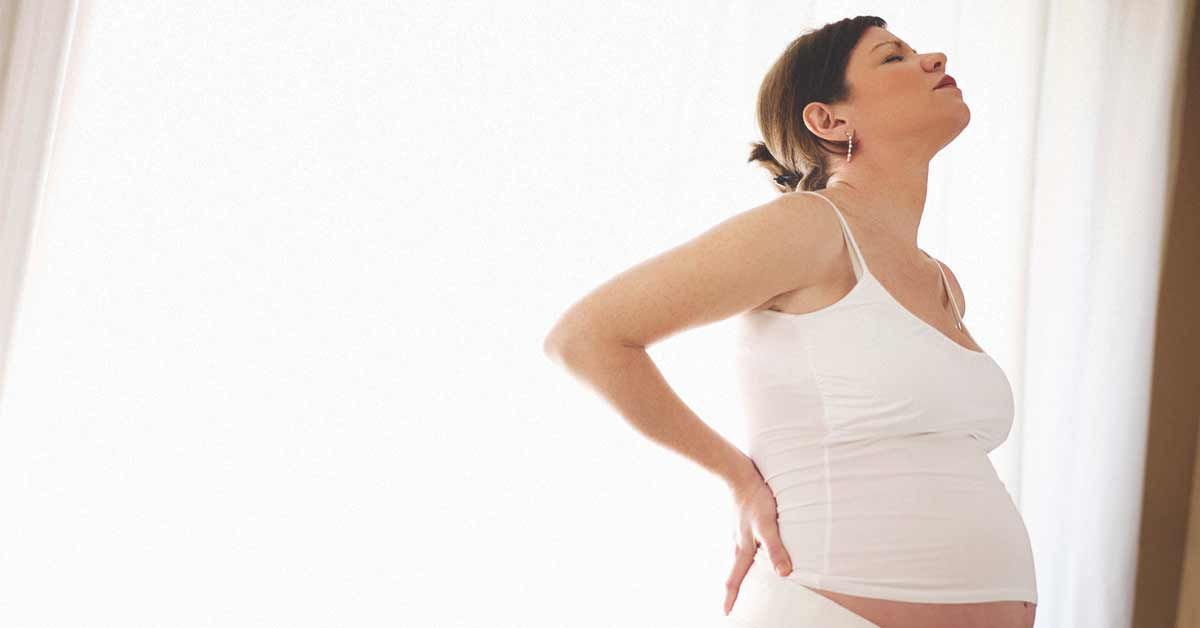
Pregnancy is beautiful, magical, life-changing, and occasionally a little rude to your back. One day you are glowing, and the next day your hips are filing formal complaints, your lower back feels like it aged 40 years overnight, and you are staring at a heating pad like it is the last reasonable adult in the room. So, the question is fair: Can you use a heating pad while pregnant, or is that a hard no?
The good news is that a heating pad is usually considered safe during pregnancy when it is used correctly. The not-so-fun fine print is that pregnancy and heat have boundaries. Doctors tend to be comfortable with short, low-heat, targeted use for sore muscles, especially on the back or hips. What they do not love is anything that could raise your core body temperature too much. That means pregnancy is not the time to turn yourself into a human burrito and slow-roast on the couch.
This guide breaks down what “safe” really means, when a heating pad can help, when it is smarter to skip it, and how to use heat without turning comfort into a bad idea.
The Short Answer
Yes, a heating pad while pregnant is generally safe if you use it on a low setting, for a short period, and on a small area of the body. Think sore lower back, tight hips, or cranky shoulders. Think “gentle relief,” not “spa salamander.”
Most experts focus on one big principle: avoid overheating during pregnancy. A heating pad used briefly on one sore area is very different from sitting in a hot tub, staying in a sauna, or exposing your whole body to high heat for a long time. Local heat is not the same as whole-body heat, and that difference matters.
Why Heat Gets Tricky During Pregnancy
Heat is not automatically dangerous in pregnancy. The issue is how much, how long, and how much of your body is exposed. When your core body temperature rises too high, especially in early pregnancy, that has been associated with a higher risk of problems.
That is why healthcare providers are usually far more cautious about hot tubs, saunas, steam rooms, severe fever, heat exhaustion, and prolonged heat exposure than they are about a heating pad on your lower back for 10 to 15 minutes.
Localized Heat vs. Whole-Body Heat
This is the part that clears up most confusion.
A heating pad delivers warmth to one small area. Used properly, it can relax muscles, ease stiffness, and take the edge off pregnancy aches. A hot tub or sauna, on the other hand, heats a much larger portion of the body and is more likely to increase internal temperature. That is the kind of heat pregnancy experts worry about most.
In plain English: warming one grumpy muscle group is different from making your entire body feel like soup.
Why Pregnancy Makes You More Heat-Sensitive
Pregnancy already asks a lot from your body. Blood volume rises. Your heart works harder. Hydration becomes extra important. You may also sweat more, tire faster, and feel warmer even when everyone around you is somehow wearing sweaters and pretending nothing is happening.
That means it can be easier to become overheated or dehydrated, especially during hot weather, after exercise, or when you are already feeling unwell. A heating pad alone usually is not the culprit when used carefully, but it should still be part of a bigger “do not overdo the heat” mindset.
When a Heating Pad Can Actually Help
Used the right way, a heating pad can be a very decent sidekick during pregnancy. It is most often used for:
- Lower back pain, which is one of the most common pregnancy complaints
- Hip pain caused by shifting posture and extra pressure on joints
- Sciatica-like discomfort or muscle tightness in the back and buttocks
- Round-the-clock shoulder and neck tension from sleeping in weird positions
- Mild cramps or muscle soreness after a long day of standing or walking
Pregnancy changes posture, balance, and the way weight is distributed. Translation: your muscles are doing surprise overtime. Heat can help those muscles relax and may improve comfort enough to help you move, stretch, or sleep more easily.
How to Use a Heating Pad More Safely During Pregnancy
If you want the comfort without the second-guessing, use these rules:
1. Keep the Setting Low
Low heat is the gold standard. If the pad feels aggressively hot, it is too hot. The goal is soothing warmth, not a dramatic life lesson.
2. Limit Sessions to About 10 to 15 Minutes
Short sessions are the safest bet. Many clinicians recommend keeping it to around 15 minutes at a time. You can always take a break and reassess later, but longer is not automatically better.
3. Use It on a Small Area
Target sore muscles instead of covering half your torso. The back, hips, shoulders, and upper thighs are common spots. The idea is localized relief, not full-body heating.
4. Put a Layer Between the Pad and Your Skin
A thin shirt, towel, or blanket layer helps prevent burns and makes the heat gentler. Bare skin plus direct heat is a bad combo, pregnant or not.
5. Never Sleep With It
This one deserves bold, underlined, and probably framed on the wall: do not sleep on a heating pad. Even a “safe” device can cause burns if it stays in one place too long, especially if you drift off and lose track of time.
6. Stop if You Feel Too Warm Overall
If you start sweating, feel flushed, dizzy, nauseated, lightheaded, or just weirdly overheated, stop using it. Drink water. Cool down. Your body is giving feedback; do not hit ignore.
Is It Safe in the First Trimester?
This is where people tend to get most nervous, and understandably so.
The first trimester is the stage where pregnancy experts are most concerned about significant overheating. That does not mean a heating pad becomes forbidden territory. It means this is the time to be extra careful about not raising your core temperature. A low-setting heating pad on your back for a short time is not the same as a long, very hot soak or a sauna session.
If you are early in pregnancy and you are the kind of person who worries for sport, the conservative approach is simple: keep heat low, brief, and targeted. If anything feels too hot, it probably is.
Can You Put a Heating Pad on Your Belly While Pregnant?
This is where nuance matters.
Many pregnancy resources specifically mention using a heating pad on the back or hips for muscle pain. That is why many people and providers prefer those areas first. In everyday pregnancy aches, it is usually smarter to keep heat focused on a small sore muscle area rather than warming a large portion of your abdomen.
If you are having belly pain, do not assume a heating pad is the answer. Mild stretching discomfort can happen in pregnancy, but persistent, severe, or worsening abdominal pain should be discussed with your healthcare provider. Pregnancy loves surprises; not all of them deserve a heating pad.
When You Should Skip the Heating Pad and Call Your Provider
A heating pad is for ordinary muscle discomfort, not for mystery pain that looks suspicious. Reach out to your healthcare provider if you have any of the following:
- Fever or chills
- Severe or worsening abdominal pain
- Rhythmic back pain or contractions
- Vaginal bleeding
- Burning with urination
- Numbness, weakness, or trouble walking
- Severe calf pain or swelling
- Dizziness, headache, nausea, or signs of dehydration
- Reduced fetal movement later in pregnancy
In other words, if your discomfort feels dramatic, unusual, or attached to other warning signs, this is not a “plug in the pad and hope for the best” situation.
What About Warm Baths, Hot Water Bottles, and Heated Blankets?
Warm Baths
A warm bath is usually considered a gentler option than a hot tub because the water cools over time and is easier to keep comfortable rather than super hot. “Warm” is the key word here. If you step in and feel like a dumpling being prepped for dinner, that is too hot.
Hot Water Bottles
A hot water bottle follows the same logic as a heating pad: brief, low-intensity, localized, and never hot enough to burn skin or make you feel overheated overall.
Electric Blankets or Full-Body Heat
These can be trickier because they warm a larger surface area and are easier to use for long periods, especially while sleeping. If there is any chance something could make you too warm for too long, pregnancy is not the season to experiment with your personal heat dome.
Other Safe Ways to Relieve Pregnancy Aches
A heating pad can help, but it does not need to do all the heavy lifting. Other common options include:
- Gentle stretching for the back, hips, and hamstrings
- Changing positions often if you sit or stand for long periods
- Support belts or belly bands for pelvic and back pressure
- Pillows between the knees and under the belly when sleeping
- Warm, not hot, showers
- Prenatal massage from a trained professional
- Physical therapy, especially for sciatica or ongoing pain
- Acetaminophen, if your healthcare provider says it is appropriate for you
Sometimes the best relief is not one magic trick but a stack of tiny smart choices: better posture, more hydration, a supportive pillow, short walks, and a heating pad used like a sensible adult instead of a campfire enthusiast.
Common Questions About Heating Pad Use During Pregnancy
Can a heating pad hurt the baby?
When used correctly, a heating pad on a small area for a short time is not generally considered a major concern. The bigger issue is overheating your whole body, not using a gentle heat source briefly on a sore back muscle.
What temperature is safe?
There is no magic sticker number for every device, which is why practical advice matters more: use the lowest setting that feels comfortable. If it feels intense, very hot, or leaves your skin red, that is too much.
How many times a day can I use it?
That depends on the reason, your symptoms, and how your body responds. For occasional muscle pain, short sessions spaced out through the day may be fine. If you need constant heat just to function, it is worth talking with your provider about what is really driving the pain.
Should I use heat or ice?
For tight muscles, heat often feels better. For swelling or a fresh strain, cold may help more. Some pregnant people alternate depending on the type of discomfort. Your body usually votes pretty clearly.
What “Safe” Really Means in Real Life
When doctors say a heating pad is safe in pregnancy, they usually do not mean “turn it to lava and nap for two hours.” They mean something much more boring and much more useful:
- Low heat
- Short use
- Small area
- No sleeping on it
- No overheating
- Stop and check in if symptoms seem unusual
That is the real definition of safe. It is not glamorous, but then again, neither is waking up with back pain and negotiating with a body pillow at 3 a.m.
Real-Life Experiences With Heating Pads During Pregnancy
Many pregnant people describe the heating pad as one of those “small but mighty” tools that earns a permanent place on the couch, the bed, or the nearest chair that does not feel personally offensive. Their experiences tend to follow a few common patterns.
One of the biggest themes is lower back pain, especially as pregnancy moves into the second and third trimesters. A lot of people say the discomfort builds quietly during the day, then suddenly announces itself at night when they finally sit down. In those moments, a low-setting heating pad on the lower back for a short session often feels less like luxury and more like diplomacy between a person and their spine.
Another common experience is hip and pelvic soreness. As posture changes and joints loosen, some people feel like their body is trying out a new alignment without asking permission first. They may use a heating pad on one hip while lying on their side with a pillow between the knees, and many say that combination feels more effective than heat alone. The heat helps, but the support setup matters just as much.
Some pregnant people also talk about using heat as part of a wind-down routine. Not because they are trying to turn bedtime into a wellness retreat, but because discomfort makes sleep harder. A short heating pad session, followed by stretching, a shower, or simply changing positions, can make it easier to fall asleep. The keyword here is short. The people who feel best about using heat during pregnancy usually use it as a quick reset, not an all-night strategy.
There are also stories from people who tried a heating pad and realized it was not the right fix for their pain. Maybe the ache was actually round ligament pain, constipation, contractions, a urinary issue, or pain serious enough to need medical attention. That is an important part of the conversation too. A heating pad can be helpful, but it is not a detective, and it should not be asked to solve every mystery.
Then there is the emotional side, which does not get enough attention. Pregnancy discomfort can make people feel worn out, impatient, and weirdly betrayed by everyday tasks like standing, rolling over, or putting on socks. In that context, the appeal of a heating pad is not just physical. It is the feeling of doing something kind for your body when your body has been acting like a dramatic roommate.
The most reassuring experiences tend to come from people who use heat with a few simple boundaries: low setting, short sessions, water nearby, and a willingness to stop if they start feeling too warm. That pattern shows up again and again because it is practical, realistic, and easy to repeat.
So while every pregnancy is different, the shared experience is pretty clear: for ordinary muscle aches, a heating pad can be a useful comfort tool. It works best when used thoughtfully, not heroically.
Final Takeaway
So, is a heating pad while pregnant safe? In most cases, yes, if you use it carefully. Stick with low heat, short sessions, and small sore areas like the back or hips. Avoid anything that makes your whole body hot, never sleep on the pad, and do not use heat to ignore pain that seems severe, unusual, or paired with warning signs.
Pregnancy discomfort is real, and you do not win extra points for suffering through it like a pioneer. Relief is allowed. Just keep it sensible, gentle, and very far away from “I forgot I was lying on it for an hour.”













