
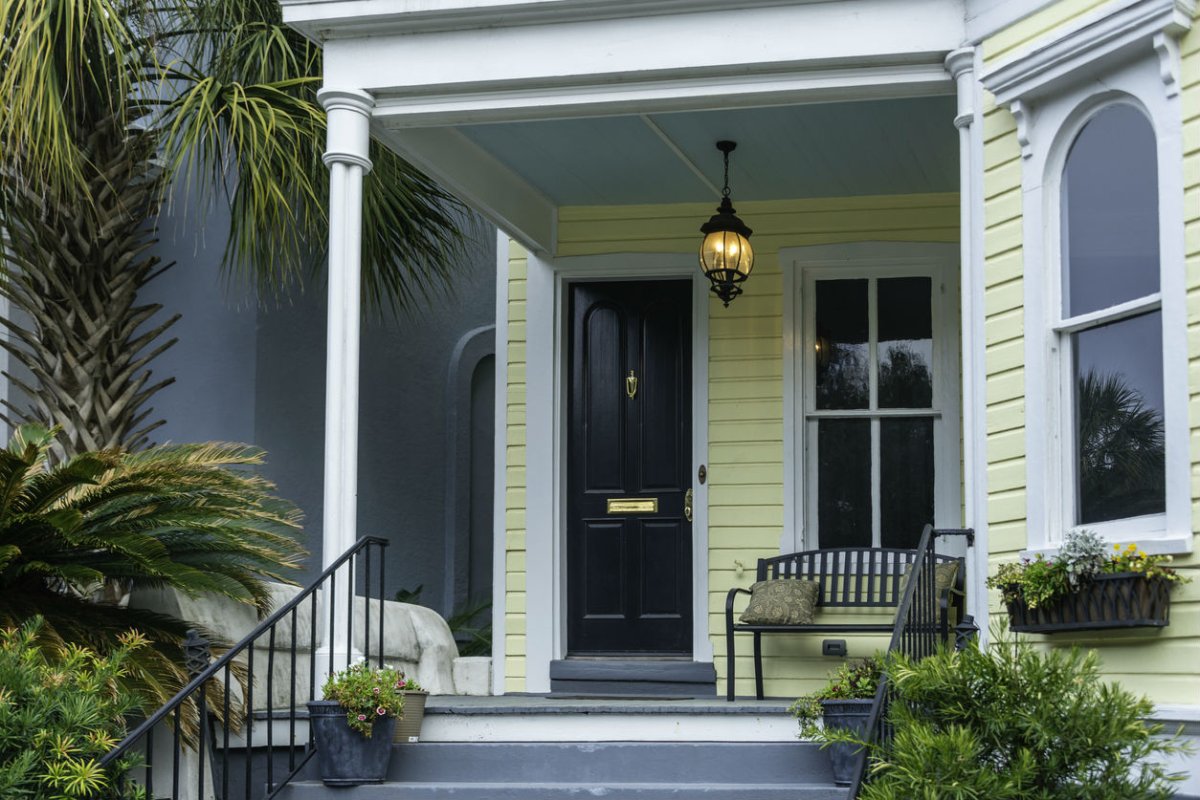
Walk beneath a pale blue porch ceiling and something curious happens: The roof seems to disappear. Instead of staring at boards, beadboard, or weathered plywood, you feel as though you are looking into a calm patch of sky. That little visual trick helps explain why blue porch ceilings have traveled far beyond their Southern roots and become a favorite design detail across the United States.
The look is pretty, but it is not merely decorative. Blue porch ceilings are connected to Gullah Geechee history, Southern folklore, architectural tradition, color psychology, and the modern appetite for outdoor rooms that feel relaxed rather than overdecorated. They also arrive with one very persistent rumor: Blue paint keeps bugs away. Spoiler alertthe mosquitoes have not signed that agreement.
Why Are Porch Ceilings Painted Blue?
The simplest answer is that blue works beautifully overhead. A soft sky blue reflects daylight, visually lifts a low ceiling, and makes a covered porch feel more open. Because the color echoes the natural sky, it creates continuity between the structure and the landscape. The porch still has a roof, of course, but it feels less boxed in.
Designers also appreciate the way a blue ceiling introduces color without taking over the entire exterior. Painting all the siding turquoise might trigger an emergency meeting with the homeowners association. Painting the porch ceiling a restrained blue-green usually reads as charming, intentional, and surprisingly traditional.
A Small Surface With a Big Visual Effect
A porch ceiling occupies a large plane, yet it is not the first thing seen from the street. That makes it an ideal place for a slightly adventurous color. Visitors notice the blue as they approach the door, sit down, or glance upward. The discovery feels gradual, which gives the detail more personality than a loud accent wall or brightly painted railing.
The History Behind Haint Blue
Many blue porch ceilings are described as “haint blue,” although the term does not refer to one standardized paint chip. It generally describes a family of pale blue, aqua, and blue-green shades associated with homes in the coastal South, especially South Carolina and Georgia.
The tradition is widely linked to Gullah Geechee communities, descendants of enslaved West and Central Africans who developed and preserved a distinct culture along the lower Atlantic coast. In regional folklore, a “haint” was a restless or harmful spirit. Blue-green paint was believed to resemble water or the open sky, confusing spirits or preventing them from crossing into the home.
That history deserves more than a quick decorating footnote. What is now shared on mood boards as a cheerful exterior color began within a cultural tradition shaped by survival, spirituality, memory, and community. Using the color today can be aesthetically delightful while still acknowledging where the story came from.
Why There Is No Single “Correct” Haint Blue
Historic paint was often mixed locally from available materials, so the resulting color could vary from washed-out blue to greenish aqua. Sun, humidity, age, surface texture, and repeated repainting created even more variation. That is why modern paint companies offer many plausible versions rather than one official shade guarded in a vault somewhere outside Charleston.
Why Blue Porch Ceilings Feel So Relaxing
Blue and blue-green are cool colors, and cool colors are commonly associated with calm, air, water, and distance. On a ceiling, those associations become especially convincing. A pale blue overhead can make a porch feel breezier even when the weather is doing its best impression of a wet towel.
Light blues also tend to recede visually. Warm, dark, or highly saturated colors can make a ceiling feel lower, while a soft blue often appears farther away. This is useful on narrow porches, compact entryways, and older homes with ceilings that feel heavy or shadowed.
It Extends the Feeling of Daylight
A covered porch naturally becomes darker than the yard around it. A light blue ceiling catches and redistributes ambient light, keeping the overhead surface from turning into a gloomy cap. Near sunset, the ceiling may retain a faint outdoor glow even as the surrounding light fades. It does not literally add hours to the day, but it can make late afternoon feel a little more generous.
How a Southern Tradition Became a National Design Trend
Blue porch ceilings remain strongly associated with Southern architecture, including Charleston single houses, Lowcountry cottages, farmhouses, coastal homes, and wide wraparound porches. Yet the idea now appears on Craftsman bungalows, New England cottages, modern suburban homes, lake houses, and even urban balconies.
Several broader design movements helped the look spread. Homeowners increasingly treat porches as outdoor living rooms rather than transitional spaces. Coastal palettes remain popular. Cottage and farmhouse styles favor details that appear time-tested. Social media also rewards a ceiling that photographs like a permanent patch of good weather.
The trend works because it can be adapted. A historic home may call for a muted blue-green with gray undertones. A modern home might use a cleaner, cooler blue. A playful cottage can handle aqua, while a large veranda may support a richer teal. The concept is recognizable, but the execution does not have to be identical.
Do Blue Porch Ceilings Really Keep Bugs Away?
This is the claim that refuses to leave the porch. According to tradition, insects may mistake a blue ceiling for open sky and avoid nesting there. Another explanation points to older milk-paint formulas that sometimes contained lime or lye. Those ingredients, rather than the blue color itself, may have discouraged some pests.
Modern blue exterior paint should not be treated as a scientifically proven insect repellent. Insects perceive color differently by species, and some are attracted to blue or other bright colors. A blue ceiling may look cleaner and more pleasant, but it is not a substitute for repairing gaps, removing nests, reducing standing water, cleaning webs, using screened enclosures, or applying appropriate pest-control measures.
The Honest Verdict
Paint the ceiling blue because it is beautiful, historically meaningful, and visually effective. If fewer wasps appear, accept the bonus with gratitudebut keep the long-handled duster nearby.
How to Choose the Best Blue for Your Porch Ceiling
The right shade depends on the home’s exterior, the amount of natural light, and the mood you want to create. Do not choose from a tiny digital swatch and immediately buy five gallons. Paint colors are notorious shape-shifters, and outdoor light exposes every undertone.
For a Traditional Look
Choose a pale blue with green or gray undertones. These softened shades pair naturally with white trim, cream siding, weathered brick, painted wood, and historic architectural details. They suggest age and tradition without making the porch look like a themed restaurant.
For a Coastal Look
Try an airy aqua or watery blue-green. This approach works well with sandy beige, driftwood gray, white, navy accents, woven furniture, and natural fibers. Keep the saturation moderate unless the porch is large enough to absorb a stronger color.
For a Modern Look
A cleaner blue with less green can complement charcoal siding, black-framed windows, concrete, and simple wood details. Crisp color can look striking against modern architecture, but test it carefully; an intense blue may reflect onto walls, windows, and nearby interior rooms.
Consider Light Reflectance
Higher-light-reflectance colors generally appear brighter and can help illuminate a shady porch. Lower values create greater depth and drama. A dark porch usually benefits from a lighter blue, while a sun-drenched veranda may tolerate a grayer or deeper shade without feeling closed in.
What Colors Pair Well With a Blue Porch Ceiling?
White is the classic partner because it sharpens the blue and highlights beams, crown molding, columns, and beadboard seams. Warm white creates a softer historic effect, while crisp white feels more coastal or contemporary.
Blue ceilings also work with natural wood, red brick, sage green, taupe, cream, charcoal, navy, and muted yellow. The key is managing undertones. A green-leaning blue may clash with a strongly violet gray, while a cool blue can make warm beige siding appear more orange.
Repeat the ceiling color sparingly elsewhere for cohesion. A planter, cushion stripe, front-door detail, or small piece of outdoor art is usually enough. Matching every accessory to the ceiling can make the porch look as though it joined a color cult.
Best Paint Finish and Materials for a Porch Ceiling
Use a high-quality exterior paint suitable for the ceiling material and local climate. Exterior acrylic latex is commonly chosen because it offers flexibility, weather resistance, and easier cleanup. Wood, fiber cement, vinyl, masonry, and previously painted surfaces may require different primers or products, so follow the coating manufacturer’s instructions.
A flat or matte finish hides surface flaws but may collect dirt and be harder to clean. Satin is a practical middle ground because it offers some washability without emphasizing every dent. Semi-gloss can resist moisture and clean easily, but its sheen may highlight uneven boards, nail heads, and patchwork.
Preparation Matters More Than the Trend
Wash away dirt, mildew, pollen, and cobwebs. Scrape peeling paint, sand rough edges, repair damaged wood, seal appropriate gaps, and allow the surface to dry. Prime bare areas and use a stain-blocking primer where tannins or old discoloration may bleed through. Then cut in around edges and fixtures before rolling or brushing the larger field.
Two thin coats usually produce a more even, durable result than one heroic coat applied with optimism and a sore shoulder. Maintain a wet edge to reduce lap marks, and follow temperature, humidity, and drying-time guidance on the label.
Common Blue Porch Ceiling Mistakes
Choosing a blue that is too bright: A color that looks gentle on a phone may become electric across several hundred square feet.
Ignoring reflected color: Blue light can bounce onto pale walls, furniture, and rooms visible through windows.
Skipping samples: Test large swatches in morning, afternoon, evening, shade, and artificial light.
Using interior paint outdoors: Covered does not mean climate-controlled. Porch ceilings still face humidity, temperature changes, dust, and wind-driven rain.
Painting over mildew or loose coatings: Fresh color cannot stabilize a failing surface. It merely gives the failure a prettier outfit.
Forgetting the whole exterior palette: The ceiling should support the siding, trim, roof, masonry, door, and landscapenot begin an argument with them.
Is a Blue Porch Ceiling Right for Every Home?
No design choice is universal, but blue is unusually flexible. It works best when the porch already has a clear architectural ceiling and when the color relates to the exterior palette. Homes with warm stone, orange brick, complex multicolor siding, or highly contemporary materials may require extra testing.
Renters and cautious homeowners can experiment on a smaller covered entry, balcony ceiling, gazebo, pergola panel, or porch swing canopy. The principle is the same: Place a sky-inspired color overhead and let it visually open the space.
Real-World Experiences With Blue Porch Ceilings
The most common reaction after a blue porch ceiling is painted is not, “What a historically informed chromatic decision.” It is usually, “Why does the porch suddenly feel bigger?” That response captures the practical magic of the idea. Homeowners often notice the effect before they consciously study the color. The ceiling seems to lift, shadows feel softer, and the seating area appears more connected to the yard.
On a small front porch, a pale blue can reduce the tunnel-like feeling created by deep overhangs and close side walls. People who previously treated the porch as a place to cross quickly may begin adding a chair, a small table, or a planter because the area feels more like a destination. The paint does not add square footage, but it can persuade the eye that the existing square footage is friendlier.
Owners of older homes frequently notice a different benefit: The blue looks as though it has always belonged there. Beadboard, tongue-and-groove planks, exposed rafters, and decorative brackets gain definition under a soft color. White paint can sometimes flatten those details, especially in strong daylight. A muted blue creates enough contrast to reveal the craftsmanship without turning the ceiling into the star of a one-surface show.
Shade selection is where many projects become educational. A sample called “soft sky” may look gray on a north-facing porch, minty beneath dense trees, or almost white in direct sun. Successful projects usually involve several large test patches rather than a quick decision made under store lighting. The winning shade is often less saturated and slightly grayer than the homeowner originally expected.
Another common surprise is how much the ceiling influences nearby materials. Warm brick may look richer beside a cool blue-green. White trim may appear cleaner. Natural wicker and wood can feel more relaxed. On the other hand, a very bright blue may cast noticeable color through windows or onto white siding. That is why the best real-world advice is wonderfully unglamorous: Sample first, then sample again.
Maintenance experiences are generally similar to those of other painted exterior ceilings. Covered surfaces receive less direct rain and sun than siding, but they still collect pollen, dust, spiderwebs, mildew, and occasional insect architecture. Satin finishes are popular because they can be wiped more easily, while flatter finishes disguise old boards and patching. Homeowners in humid areas often find that cleaning and ventilation matter more than the exact shade.
As for bugs, experiences are inconsistent. Some people swear their blue ceiling reduced nests; others notice no change at all. The safest conclusion is that a well-prepared, clean ceiling with sealed cracks may be less inviting than a neglected one, regardless of color. Blue paint can improve the mood of the porch. It should not be asked to perform the duties of an exterminator.
The strongest long-term experience is emotional rather than technical. A blue porch ceiling makes an everyday threshold feel special. It creates a recognizable moment between indoors and outdoors, shelter and sky, architecture and landscape. Guests look up. Children remember it. Evening conversations linger beneath it. That is a lot of work for a coat of paint, especially one that never complains about being overlooked.
Conclusion: A Trend With History, Beauty, and Staying Power
Blue porch ceilings remain popular because they succeed on several levels at once. They honor a distinctive Southern and Gullah Geechee tradition, make covered spaces feel brighter and more expansive, complement many architectural styles, and add memorable character without overwhelming a home’s exterior.
The insect-repelling story is better treated as folklore than a guarantee, but the design benefits are easy to see. Choose a shade with the right undertones, test it in real outdoor light, prepare the surface carefully, and use a durable exterior coating. Done well, a blue porch ceiling does not feel like a passing fad. It feels like a little piece of sky that decided to stay.













