
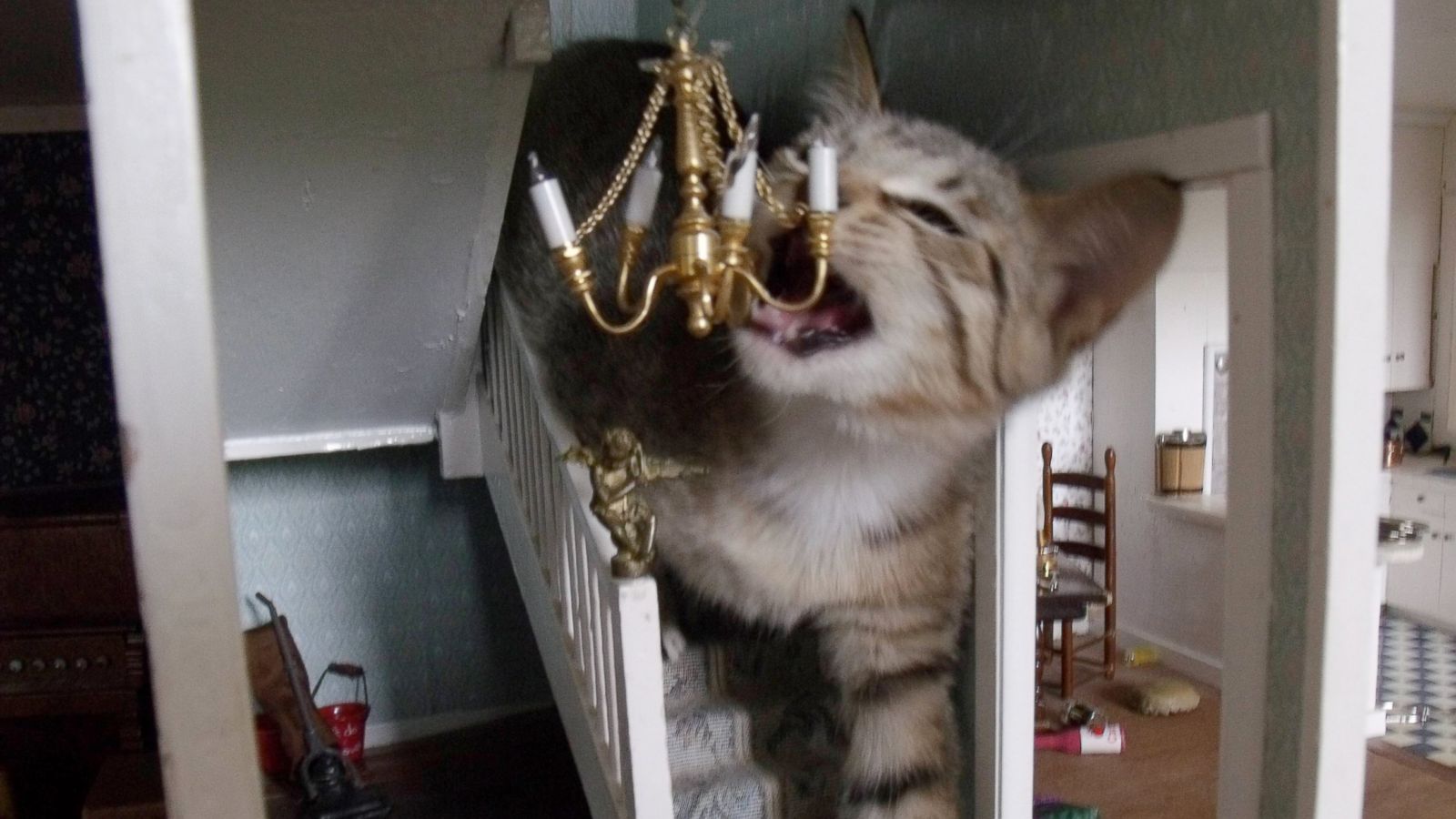
Every cat owner has a museum of tiny tragedies. A couch arm that looks like it lost a fight with a weed whacker. A roll of toilet paper transformed into indoor snow. A houseplant lying sideways like it fainted from drama. A laptop keyboard missing one suspiciously important key. And somewhere nearby, the cat sits calmly, blinking as if to say, “I improved it.”
The phrase “Hey Pandas, post a picture of something your cat ruined” works because it captures a universal truth: cats are adorable little interior designers with no budget, no permit, and absolutely no respect for throw pillows. But behind the comedy of shredded blinds and bitten charging cables is a real topic worth understanding. Cats do not ruin things because they are evil, bored billionaires in fur coats. Most so-called “cat destruction” comes from instinct, curiosity, stress, play, territory marking, or a home environment that does not give them a better option.
This article looks at the funny, frustrating, and surprisingly practical side of cat damage. We will explore why cats scratch, chew, climb, knock things down, attack furniture, and turn personal belongings into crime scenes. More importantly, we will talk about how to protect your home without turning your cat into a confused little roommate who thinks the sofa is forbidden but the curtains are a jungle gym.
Why Cat Ruined Photos Are So Funny Online
Cat-destruction posts are popular because they are instantly relatable. You do not need a degree in animal behavior to understand the pain of buying a beautiful new chair and finding it “autographed” by claws twenty minutes later. The humor comes from the contrast: the damage looks dramatic, while the suspect looks impossibly innocent.
A dog caught chewing a shoe often looks guilty. A cat caught sitting inside a broken vase looks like the vase failed the cat. That deadpan confidence is what makes these stories perfect for community prompts like “Hey Pandas.” People share pictures not just to complain, but to laugh together. There is comfort in knowing your cat is not the only one treating your home like an escape room.
The Most Common Things Cats Ruin
When cat owners start posting pictures, certain victims appear again and again. The list is long, furry, and emotionally expensive.
1. Sofas, Chairs, and Upholstery
Furniture is the classic target. Cats scratch to stretch, maintain their claws, mark territory, and leave visual and scent signals. Unfortunately, your expensive couch may have the perfect texture, height, and stability for a satisfying scratch session. To a cat, that designer armrest is not “furniture.” It is a luxury scratching mountain with human seating attached.
2. Curtains and Blinds
Vertical fabric plus a window view equals temptation. Curtains sway, blinds rattle, and both offer a lovely route to bird-watching headquarters. If your cat has ever climbed curtains like a tiny pirate scaling a sail, you already know the sound: panic, fabric stretching, and one human whispering, “Please no.”
3. Houseplants
Some cats treat plants as salad bars. Others prefer digging in soil, batting leaves, or knocking pots off shelves for scientific reasons known only to them. This is funny until it becomes unsafe. Many plants can upset a cat’s stomach, and certain plants, especially lilies, can be extremely dangerous. Cat owners should check plant safety before bringing greenery into a home.
4. Charging Cables and Headphones
Thin cords wiggle, dangle, and look suspiciously like prey. To a bored cat, your phone charger may be less “technology accessory” and more “noodle that fights back.” Chewed cords are not just annoying; they can be risky. Cord covers, cable boxes, and keeping wires out of reach can save both your electronics and your cat.
5. Toilet Paper and Paper Towels
Few things bring cats joy like a fresh roll of toilet paper. It spins. It shreds. It creates confetti. It allows the cat to redecorate the bathroom in a style best described as “haunted snowstorm.” This type of damage is usually play-driven, especially in younger cats who need more interactive activity.
6. Rugs, Carpets, and Door Frames
Some cats prefer horizontal scratching surfaces instead of vertical posts. If your cat ignores the tall scratching post and attacks the rug, the issue may not be rebellion. It may be preference. Cats have opinions about texture, angle, location, and stability. In other words, your cat is not spoiled; your cat is a tiny quality-control manager.
Why Cats Ruin Things: It Is Usually Not Revenge
One of the biggest myths about cats is that they destroy things out of spite. “He scratched my couch because I came home late.” “She knocked over my mug because I bought the wrong treats.” It feels personal, especially when the cat makes eye contact first. But cats are not plotting emotional lawsuits in the hallway.
Most destructive behavior has a reason. Scratching can be communication. Chewing can be curiosity, stress, teething, or play. Climbing may come from the need for vertical space. Knocking objects down may be exploration, attention-seeking, or hunting practice. A cat that damages things often needs an acceptable outlet, not a lecture about property values.
Scratching Is Normal, Even When Your Couch Disagrees
Scratching is one of the most misunderstood cat behaviors. It helps cats stretch their shoulders and back, remove the outer layer of their claws, and mark familiar areas. Their paws contain scent glands, so scratching can leave both a visible mark and a scent message. Your cat may be saying, “I live here,” while you are saying, “That was a $900 sectional.”
The solution is not to stop scratching completely. That would be like asking a bird to stop flapping. The goal is to move the behavior to better surfaces. A good scratching setup should include different textures, such as sisal, cardboard, carpet, or wood. It should also include different angles: vertical posts, horizontal boards, and angled scratchers. Cats are individuals. Some want to stretch upward like opera singers. Others prefer to scratch flat surfaces like tiny carpenters.
How to Protect Your Home Without Starting a War
Protecting your belongings works best when you combine management, redirection, and enrichment. Punishment usually fails because it does not teach the cat what to do instead. It may also make the cat nervous around you, which can create new problems. A better plan is simple: make the wrong target boring and the right target irresistible.
Place Scratchers Where the Damage Happens
If your cat scratches the left arm of the couch, do not put the scratching post in a lonely corner like it has been grounded. Put it near the couch. Cats often scratch in socially important areas, near resting places, or where they have already left scent. Once the cat consistently uses the scratcher, you can slowly move it if needed.
Use Texture Deterrents Carefully
Double-sided tape, furniture guards, washable covers, and plastic protectors can make a surface less appealing. The key is to offer a better scratching option nearby. A protected sofa without an approved scratcher is just a challenge. A protected sofa plus a perfect scratcher is a negotiation your cat may accept.
Trim Nails Regularly
Nail trimming can reduce accidental damage. It does not remove the desire to scratch, but it can make the results less dramatic. Start slowly, reward generously, and keep sessions short. If your cat acts like nail clippers are haunted, ask a veterinarian or groomer for help.
Reward the Behavior You Want
When your cat uses the scratcher, reward the moment. Treats, praise, play, or catnip can help build the association. Do not wait five minutes and then reward the cat on the kitchen counter; cats are smart, but they are not reading your footnotes.
Enrichment: The Secret Weapon Against Cat Chaos
A bored cat is a creative cat, and not always in ways that improve your security deposit. Cats need opportunities to hunt, chase, climb, hide, scratch, observe, and rest. Indoor cats especially benefit from environmental enrichment because the home must provide what the outdoor world naturally offers.
Interactive wand toys are excellent because they mimic prey movement. Puzzle feeders turn meals into problem-solving. Window perches provide entertainment better than most streaming subscriptions. Cardboard boxes, paper bags without handles, tunnels, and climbing trees can transform a boring room into a feline adventure park.
Short play sessions often work better than one long session. Think of it as giving your cat several mini hunting trips throughout the day. Let the toy act like prey: hide, dart, pause, and “escape.” End with a catch and a treat or meal so the cat feels satisfied. A cat who gets healthy outlets for energy is less likely to invent hobbies like “destroy the lampshade.”
When Cat Damage Points to Stress
Sometimes ruined items are more than jokes. Sudden destructive behavior can signal stress, change, or even a medical issue. A new pet, a new baby, moving furniture, loud construction, schedule changes, or conflict with another cat can all affect behavior. Cats love routine so much that moving a chair can feel like you rearranged the laws of physics.
Stress-related signs may include excessive scratching, hiding, overgrooming, appetite changes, aggression, or litter box problems. If behavior changes suddenly, it is wise to talk with a veterinarian. The goal is not to blame the cat, but to understand what changed and how to make the environment feel safe again.
Cat-Proofing Ideas That Actually Help
Cat-proofing does not mean living in an empty room with one metal chair. It means designing your space with cat instincts in mind.
Secure fragile items with museum putty or move them behind glass doors. Keep plants in rooms your cat cannot access, or choose cat-safe plants after checking reliable pet poison resources. Use cord protectors for electronics. Store yarn, ribbon, hair ties, rubber bands, and small chewable items out of reach. Provide stable climbing furniture so your cat is not forced to use bookshelves as a mountain range.
For furniture, choose tightly woven fabrics when possible. Loose weaves can invite claws. Washable throws can protect favorite areas. A beautiful home and a cat can coexist, but the home must include legal cat zones. Without those, the cat will create illegal ones.
What Not to Do When Your Cat Ruins Something
First, do not yell after the fact. If you find the damage later, your cat will not connect your anger to the earlier action. The cat may simply learn that humans become unpredictable around shredded objects. Second, do not use harsh punishment. Fear can worsen behavior. Third, do not assume the cat “knows better.” Cats know what feels rewarding, safe, and available.
Also, avoid declawing as a convenience solution. Scratching is a natural behavior, and many animal welfare organizations strongly oppose declawing for behavior management. A humane plan focuses on scratching outlets, nail care, enrichment, and environmental changes.
Turning Ruined Things Into Better Cat Stories
One reason cat owners love sharing “ruined” photos is that the damage becomes part of the relationship. The chewed corner of a book becomes “the chapter Luna edited.” The scratched ottoman becomes “Milo’s signature piece.” The destroyed feather pillow becomes “The Great Bedroom Blizzard of 2026.”
Of course, humor does not pay for replacement blinds. But laughter helps. It turns frustration into community. It reminds owners that living with animals means living with personality, instinct, and a little chaos. Cats are not decorations. They are roommates with athletic hobbies and questionable respect for ceramics.
How to Take a Great “My Cat Ruined This” Photo
If you are joining a prompt like “Hey Pandas, post a picture of something your cat ruined,” the best photos tell a tiny story. Show the damage clearly, but include the cat if possible. Bonus points if the cat looks proud, confused, or deeply bored by the investigation.
Use natural light when you can. Capture the contrast between the ruined item and the fluffy suspect. A shredded couch is funny; a shredded couch with a cat lounging beside it like a retired CEO is comedy gold. Keep the caption short and specific. “Bought this plant yesterday. Greg filed a complaint.” That is better than a long courtroom transcript, though honestly, some cats deserve one.
Personal Experiences: Life With a Tiny Furry Demolition Expert
Anyone who has lived with cats long enough eventually develops a calm, philosophical relationship with damage. At first, every ruined item feels shocking. The first scratch on the couch feels like betrayal. The first broken mug feels personal. The first plant knocked from a shelf makes you wonder whether your cat has joined a pottery-based rebellion. But after a while, you start seeing patterns.
For example, many cats ruin things at predictable times. Early morning is popular because humans are asleep and therefore failing at their primary job: serving breakfast. Late evening is another danger zone, especially when cats get bursts of energy. That is when the hallway becomes a racetrack, the rug becomes a surfboard, and the laundry basket becomes a suspicious cave that must be defeated.
One common experience is the “wrong scratcher” problem. A person buys a beautiful cat tree with sisal posts, multiple platforms, and a price tag that causes temporary dizziness. The cat sniffs it once, then walks across the room and scratches the delivery box. This is not failure. It is market research. The cat has announced a preference for cardboard, horizontal surfaces, or the scent and texture of the box. The smart move is not to argue with the customer. The smart move is to buy more cardboard scratchers and place them where the cat already likes to scratch.
Another classic experience is the forbidden shelf. You can give a cat three beds, two towers, and a heated mat, but the cat may choose the one shelf containing framed photos, candles, and a delicate souvenir from a vacation. Why? Because it is high, interesting, and clearly important. Cats are drawn to vertical spaces because height helps them observe their world. If a cat keeps invading a fragile shelf, the answer may be to create a better perch nearby. A window bed or tall cat tree can redirect that need without sacrificing every object you own to gravity.
Then there is the plant situation. Some cats ignore plants forever. Others behave like botanists with criminal records. If a cat repeatedly chews leaves or digs soil, owners can try safer plant placement, hanging planters, covered soil, or cat grass as an approved nibbling option. The important lesson is to check plant safety first. A funny bite mark on a leaf is not funny if the plant is toxic.
Many owners also learn that attention is a powerful reward. A cat knocks a pen off the desk. The human reacts. The cat learns: “Excellent. The pen button works.” If knocking items down gets instant attention every time, the behavior may continue. The better approach is to prevent access when possible, reward calm behavior, and schedule active play before the cat creates its own entertainment.
The biggest lesson from living with cats is that prevention is easier than repair. It is easier to cover cords than replace chargers. It is easier to provide scratchers than reupholster chairs. It is easier to play with a cat for ten minutes than to discover that the toilet paper roll has become modern art. Cats are not trying to ruin our lives. They are trying to meet their needs with the options available. When we give them better options, everybody wins: the cat, the couch, and the human who would prefer not to explain claw marks to guests.
Conclusion
“Hey Pandas, post a picture of something your cat ruined” is more than a funny internet prompt. It is a celebration of the strange bargain cat owners make every day. We trade perfect furniture for purring. We sacrifice a few houseplants for companionship. We lose the occasional charging cable but gain a tiny creature who follows sunbeams, sleeps in boxes, and somehow makes chaos feel charming.
The best response to cat destruction is not anger. It is understanding. Cats scratch, climb, chew, pounce, and explore because they are cats. When owners provide better scratching surfaces, more enrichment, safe climbing spaces, regular nail care, and thoughtful cat-proofing, the home becomes less of a battlefield and more of a shared habitat.
So yes, post the picture. Show the shredded curtain, the defeated toilet paper, the couch arm that now has “texture.” Laugh with other cat people. Then take the next step: figure out what your cat was trying to do, and give that instinct a safer place to go. Your cat may never respect your throw pillows, but with the right setup, your home can survive the reign of the adorable little chaos monarch.
SEO Tags
Note: This article is written in original American English for web publishing and is based on real cat behavior, pet safety, and feline enrichment guidance. No source links, duplicate text, AI citation placeholders, or unnecessary publishing elements are included in the HTML body.










