
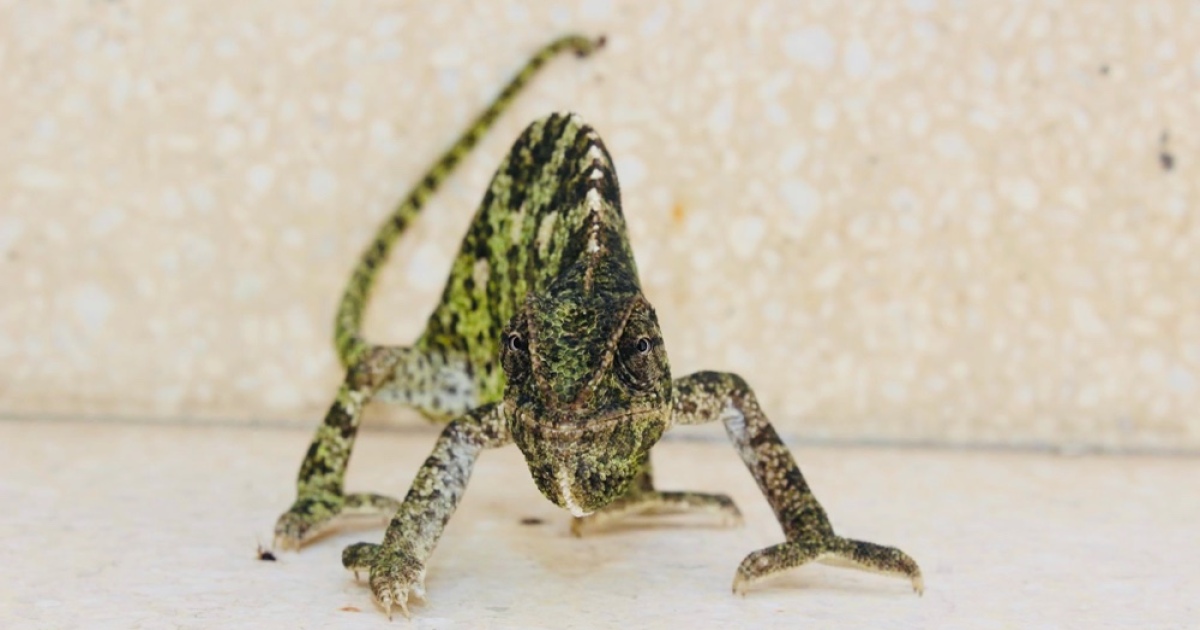
Somewhere in your photo album, hiding between a blurry picture of lunch and a screenshot you swore you would need someday, there is one image that deserves the spotlight. It might be a sunset that looks like the sky briefly hired an interior designer. It might be your dog wearing an expression of deep philosophical disappointment. It might be a family photo, a travel snapshot, a lucky wildlife shot, or a perfectly timed picture that makes people say, “Wait, how did you even capture that?”
That is the magic behind the prompt: “Hey Pandas, post your best picture from your photo album.” It is simple, friendly, and surprisingly powerful. A photo album is not just a storage folder; it is a tiny museum of your life. Some pictures document big moments, while others preserve small details that would otherwise vanish: the look on a friend’s face, the color of a street at golden hour, the chaos of a birthday party, or the suspicious confidence of a cat sitting exactly where it should not be.
In the age of smartphone photography, most of us carry thousands of images in our pockets. We take photos of vacations, pets, meals, outfits, books, clouds, receipts, plants, and occasionally our own thumb. But when asked to choose the best one, we start looking differently. Suddenly, the photo album becomes a storybook. The best picture may not be the sharpest, most expensive-looking, or most carefully edited. Often, it is the one that makes people feel something.
Why Photo Album Pictures Make People Stop Scrolling
Online communities thrive on participation, and photo prompts are participation with the volume turned up. A written answer can be funny, thoughtful, or moving, but a picture adds instant emotion. It gives people something to react to before they read a single word. A great image can make strangers laugh, gasp, ask questions, or remember something from their own lives.
This is one reason community-based prompts like “Hey Pandas” work so well. They do not demand professional photography skills or a perfectly polished social media feed. They invite everyday people to share a piece of their world. The barrier to entry is low, but the emotional payoff can be high. One person posts a picture of their grandmother’s garden. Another shares a mountain view from a road trip. Someone else uploads a ridiculous pet photo that belongs in a museum, preferably one with very strong security around the snack bar.
The Best Photos Usually Tell a Story
A strong photo has more than nice colors. It has context. It makes viewers wonder what happened before and after the shutter clicked. A child covered in cake is funny, but it becomes even better when the caption explains that the cake was meant for someone else. A beach photo is pretty, but it becomes memorable when it was taken on the first family vacation after years of saving. A blurry concert picture may technically be a crime against photography, but if it captures the happiest night of someone’s year, it still matters.
The best picture from your photo album does not need to win a contest. It needs to earn a reaction. That reaction could be laughter, nostalgia, curiosity, or the classic internet response: “I did not expect to be emotionally attacked by a photo of a sandwich.”
What Counts as the “Best” Picture?
Choosing your best photo can feel oddly dramatic. Your camera roll may contain vacation landscapes, family moments, pet masterpieces, accidental art, and at least twelve nearly identical pictures of the same meal. So how do you choose?
Start by asking what kind of “best” you mean. Some photos are best because they are beautiful. Others are best because they are rare. Some are best because they captured a once-in-a-lifetime moment, while others are best because they reveal your personality better than any bio ever could.
1. The Most Beautiful Photo
This is the image that makes people pause. It might be a landscape, city skyline, flower close-up, wildlife moment, or portrait. Beauty in photography often comes from lighting, composition, color, and timing. Golden hour helps, of course. So does rain, fog, snow, or a dramatic sky that looks like it is auditioning for a fantasy movie.
2. The Most Emotional Photo
Some pictures matter because of who is in them. A parent laughing, a child sleeping, a friend hugging you after a hard day, or an old family photo can carry emotional weight that no filter can manufacture. These images often become more valuable over time because they hold people, places, and seasons of life that cannot be recreated.
3. The Funniest Photo
Perfectly timed photos are the internet’s love language. A dog mid-sneeze, a friend caught in an unfortunate jump pose, a bird stealing food, or a toddler looking like a tiny exhausted CEO can turn a normal album into comedy gold. Funny photos work because they feel honest. They catch life misbehaving in public.
4. The Most Unexpected Photo
Sometimes the best picture is the one you did not plan. Maybe a rainbow appeared during a walk. Maybe a reflection created a strange illusion. Maybe you accidentally took a photo that looks like an album cover for a band that only plays in haunted coffee shops. Surprise gives a picture energy.
Why Looking Through Photo Albums Feels So Good
A photo album is a memory machine. Looking through old photos can bring back details you forgot: the weather, the people nearby, the music playing, or the strange shirt you once wore with full confidence. No judgment. Fashion is just time travel with buttons.
Photography and memory have a complicated relationship. Research has shown that taking photos can sometimes help people notice visual details more carefully, especially when they are actively choosing what to capture. Other studies suggest that if people photograph everything without really paying attention, they may remember less because they treat the camera like an external hard drive. In other words, your phone can help preserve memories, but it cannot live them for you.
That is why the best pictures often come from moments when the photographer was emotionally present. The camera did not replace the experience; it framed it. The photo becomes a doorway back into that moment instead of a substitute for it.
Digital Albums Changed the Way We Share Memories
Once upon a time, photo albums were heavy books with plastic sleeves, mysterious sticky pages, and at least one picture where someone’s head was cut off because film photography was a gamble. Today, photo albums live on phones, cloud services, laptops, shared drives, and social platforms. We can search by date, location, face, object, or keyword. We can make albums instantly, share them with relatives, and rediscover “memories” automatically generated by our devices.
This convenience is wonderful, but it also creates a new problem: photo overload. When your album has 20,000 pictures, finding the best one can feel like trying to choose the best grain of sand at the beach. Digital organization tools help, but human judgment still matters. A device can group images by date or location, but it cannot fully know which picture makes your heart do a small backflip.
How to Find Your Best Photo Faster
Instead of scrolling endlessly, try searching by moments: “birthday,” “beach,” “dog,” “wedding,” “snow,” “sunset,” “garden,” “grandma,” or the name of a place you love. Check your favorites folder. Look at old trips. Review screenshots from social media posts you once saved because they made you happy. You may be surprised by what rises to the surface.
Another useful trick is to choose a theme before searching. Look for your best funny photo, best nature photo, best family photo, best pet photo, best accidental masterpiece, or best “I cannot explain this, but I love it” photo. A narrower category makes the choice easier and more fun.
How to Post a Great Photo Without Overthinking It
If you are joining a community prompt, your picture does not need to be perfect. Still, a little preparation can help your post stand out.
Pick a Clear Image
Choose a photo that people can understand quickly. If it is too dark, too blurry, or too visually crowded, the story may get lost. That said, some blurry photos have legendary emotional value. Use your judgment. A technically imperfect picture can still be perfect for the moment.
Add a Short Caption
A caption gives the photo a voice. You do not need a novel. One or two sentences can transform the image. For example: “My dad took this on the last camping trip we had together,” or “This is my cat realizing the vet is not, in fact, a fun car-based restaurant.”
Respect Privacy
Before posting, think about who appears in the image and whether they would be comfortable being shared online. Avoid posting children, private addresses, license plates, school names, medical information, or anything that reveals personal details. If a photo includes other people, especially in sensitive situations, ask permission or choose another image. The internet has many talents; forgetting is not one of them.
Avoid Over-Editing
Editing can improve a photo, but too much can drain the life out of it. Adjusting brightness, cropping distractions, or straightening a horizon is usually enough. If the sky looks radioactive or everyone’s skin resembles polished furniture, the edit may have gone on a tiny vacation without supervision.
Examples of Photos That Work Well for This Prompt
Need inspiration? Here are a few types of photo album pictures that often get strong reactions in online communities.
Pet Photos With Personality
Pets are undefeated content champions. A dog looking guilty beside a destroyed pillow, a cat sitting in a sink like royalty, or a parrot photobombing dinner can turn an ordinary post into a crowd favorite. The best pet photos show attitude. Viewers love animals that appear to have rent, secrets, or strong opinions about the household schedule.
Travel Photos With a Twist
A famous landmark can be beautiful, but an unusual angle or funny moment makes it memorable. Maybe a tourist pigeon took center stage. Maybe the weather went wild. Maybe the best travel photo is not the monument, but your exhausted friend eating fries on a curb after walking twelve miles.
Old Family Photos
Vintage family photos carry texture, fashion, and mystery. They remind us that every generation had its own version of awkward poses and questionable hair decisions. These photos often invite stories: who the people were, where the picture was taken, and why everyone looked so serious in front of wallpaper that could defeat a small army.
Nature and Wildlife Shots
Nature photos work because they can be peaceful, dramatic, or surprising. A bird landing at the perfect moment, a deer in morning fog, a storm rolling over a field, or a tiny mushroom growing through pavement can make viewers feel like they discovered something with you.
Accidental Art
Some of the best photos happen by mistake. Reflections, shadows, motion blur, double exposures, and odd framing can create images that look intentional even when the photographer was just trying to unlock the phone. Accidental art is proof that creativity sometimes sneaks in through the side door wearing mismatched socks.
How to Preserve the Best Pictures in Your Album
Once you find a photo worth sharing, consider preserving it properly. Digital images can vanish through broken devices, lost passwords, accidental deletion, or the classic “I thought it was backed up” tragedy. Important photos should exist in more than one place.
For digital photos, keep backups on a trusted cloud service, an external drive, or both. Organize your favorite images into albums so they are easier to find later. Add dates, names, and locations when possible. Future you will be grateful, especially when trying to remember whether that beach trip happened in 2018, 2019, or the mysterious fog known as “before everything got weird.”
For printed photographs, storage matters. Keep them in cool, dry places away from direct sunlight, damp basements, hot attics, and sticky albums that can damage the surface. Use preservation-quality boxes, folders, or sleeves when possible. Handle old photos by the edges and avoid writing on them with random pens. The goal is to let your favorite pictures survive long enough to embarrass future generations lovingly.
Why Community Photo Threads Feel So Human
A prompt like “Hey Pandas, post your best picture from your photo album” is more than a request for images. It is an invitation to be seen. People share photos because they want to say, “This mattered to me.” In return, other people respond with recognition: “That reminds me of my dog,” “My grandma had the same curtains,” “I visited that place,” or “I needed to see something wholesome today.”
That exchange is the heartbeat of user-generated content. The best community posts are not just about showing off. They create connection through small, specific details. A single image can become a conversation starter, a memory trigger, or a moment of shared delight among strangers.
Experiences Related to “Hey Pandas, Post Your Best Picture From Your Photo Album”
The most interesting thing about asking people for their best photo album picture is how differently they interpret the word “best.” One person will post a breathtaking mountain view with clouds wrapped around the peaks like a dramatic scarf. Another will post a chaotic kitchen scene where a toddler, a dog, and a bowl of spaghetti appear to have formed a temporary government. Both can be equally perfect because “best” is not only about visual beauty. It is about meaning.
In many online communities, these prompts quickly become miniature storytelling festivals. Someone shares a photo of the first flower that bloomed after they moved into a new home. It is not technically extraordinary, but the story makes it shine. Someone else posts a picture from a hospital window, explaining that it was the first sunrise they saw after a difficult surgery. Then, a completely different person uploads a raccoon caught stealing birdseed, and suddenly everyone is laughing again. That emotional variety is what makes the topic so engaging.
Looking through a photo album for “the one” can also become a personal experience. You may begin by searching for a visually impressive image, but end up pausing over forgotten moments. A random dinner with friends. A road trip gas station stop. A blurry picture of someone laughing so hard their face became abstract art. These are not always the photos we frame, but they are often the ones that bring back the clearest feelings.
There is also a quiet joy in realizing that your album has been collecting evidence of survival, growth, humor, and love. The photo from your first apartment might show terrible lighting and furniture assembled with heroic optimism. The vacation photo might remind you of getting lost, finding the best taco place by accident, and pretending that walking seven extra blocks was “part of the adventure.” The pet photo might bring back the exact sound of paws running across the floor. A good photo does not simply show what happened; it reopens the atmosphere around it.
Sharing that photo with others adds another layer. A picture that lived privately on your phone suddenly becomes part of a public conversation. People notice things you forgot: the color of the sky, the expression in the background, the tiny funny detail in the corner. Sometimes a stranger’s comment helps you appreciate your own memory more deeply. Other times, your post gives someone else permission to revisit their album and share something meaningful too.
Of course, choosing a photo can be surprisingly difficult. Many people hesitate because they think their image is not good enough. But community prompts are not professional portfolio reviews. Nobody is standing there with a clipboard saying, “Interesting composition, but the squirrel lacks narrative ambition.” The charm comes from authenticity. A real moment, honestly shared, often beats a flawless image with no heart.
The best experience related to this topic may be the simple act of slowing down. In a world where we take photos faster than we can appreciate them, this prompt asks us to look again. It turns the camera roll from clutter into memory. It reminds us that our lives are full of images worth noticing: silly ones, beautiful ones, painful ones, lucky ones, and deeply ordinary ones that somehow become precious with time.
Conclusion
“Hey Pandas, post your best picture from your photo album” works because it is open, warm, and instantly relatable. Everyone has a photo that deserves a second life outside the camera roll. It may be funny, gorgeous, nostalgic, strange, or meaningful only after reading the caption. That is the beauty of photo-sharing communities: they turn private memories into shared moments.
Whether your best picture is a sunset, a family portrait, a pet disaster, a travel scene, or an accidental masterpiece, the real value is in the story it carries. So scroll through your album, rescue that hidden gem, add a caption, protect your privacy, and let the internet enjoy a tiny window into your world. Just maybe skip the 47 blurry duplicates. Unless one of them contains a raccoon. In that case, we need to talk.













