
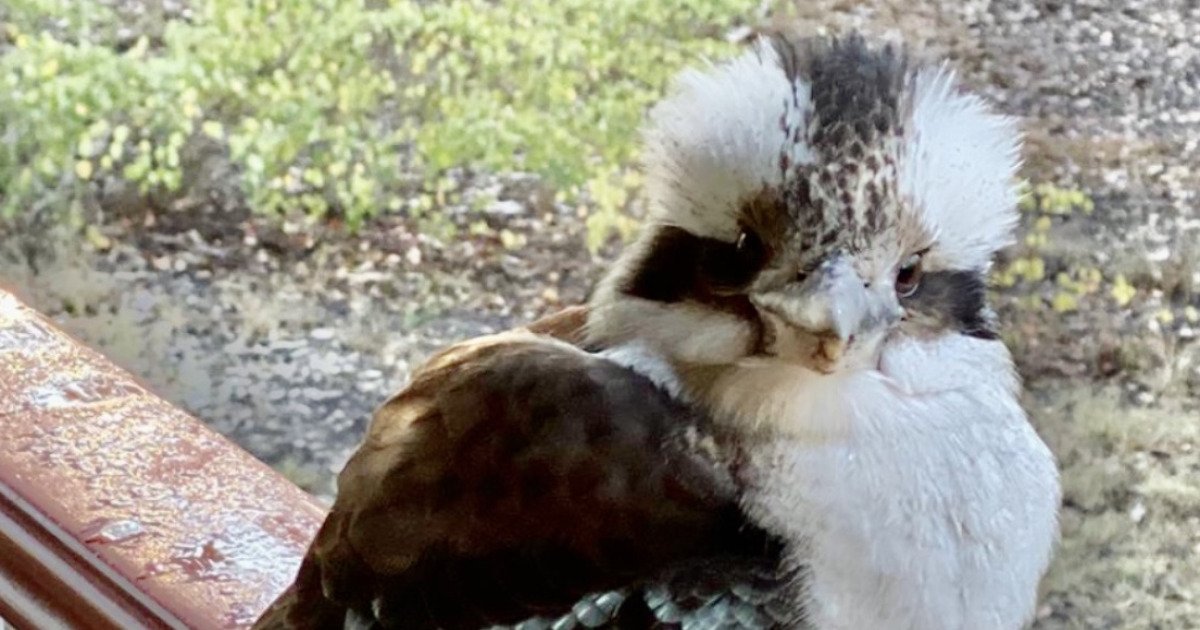
There are two types of people online: those who scroll past a bird photo politely, and those who stop, zoom in, identify the species, compliment the wing posture, and suddenly become emotionally invested in a sparrow named Gary. If you belong to the second groupor if your camera roll contains 47 blurry photos of “possibly a hawk, possibly a suspicious leaf”welcome home.
The prompt “Hey Pandas, post your best picture of a bird” sounds simple, but it taps into something surprisingly powerful. Bird photography is not just about capturing feathers. It is about patience, timing, curiosity, comedy, and the tiny thrill of seeing wild beauty land on a fence post as if it has arrived for a scheduled portrait session.
Birds are everywhere: city pigeons strutting like tiny mayors, cardinals glowing in winter shrubs, gulls stealing fries with the confidence of trained criminals, hummingbirds hovering like nature’s smallest drones, and owls looking permanently disappointed in your life choices. A great bird photo can be majestic, funny, dramatic, weird, or sweet. Sometimes the “best” picture is not technically perfect at all. Sometimes it is simply the one that made you gasp, laugh, or whisper, “Oh, look at this little guy.”
Why Bird Photos Make the Internet Happier
Bird pictures have a special kind of internet magic. They are visually beautiful, easy to share, and endlessly varied. A single community thread can include backyard robins, snowy egrets, bald eagles, mourning doves, woodpeckers, parrots, ducks, owls, and one very dramatic chicken who believes she is an eagle. That variety makes bird photography perfect for social media engagement because every image brings a small story with it.
Unlike staged lifestyle photos, bird photos feel spontaneous. You cannot ask a blue jay to “tilt your beak slightly toward the light.” You cannot tell a heron to “give us fierce but approachable.” Birds do what birds do. They perch, preen, hunt, sing, flap, squabble, bathe, nap, and occasionally stare into the camera like they know your browser history. That unpredictability gives bird pictures their charm.
There is also a deeper reason people love them. Birds connect us to the natural world without demanding a wilderness expedition. You can watch birds from a city balcony, a suburban yard, a public park, a beach, a farm road, or the window over your kitchen sink. A good bird picture reminds us that nature is not somewhere “out there.” Sometimes it is on the mailbox, loudly judging the neighborhood.
What Makes the Best Picture of a Bird?
The best picture of a bird is not always the sharpest, rarest, or most expensive-looking shot. A technically perfect image is wonderful, but emotion matters just as much. A photo of a common house finch can beat a distant eagle if the finch is caught mid-song with golden light on its feathers. A slightly imperfect shot of a duckling parade may be more memorable than a textbook portrait of a rare species.
1. A Clear Subject
A strong bird photo makes it obvious where the viewer should look. The bird does not need to fill the entire frame, but it should be visually important. If viewers have to play “Where’s Waldo, but with feathers,” the image may need cropping or a cleaner angle.
2. Good Light
Early morning and late afternoon are beloved by bird photographers for a reason. Softer, angled light adds warmth, texture, and detail to plumage. Midday light can work, especially on cloudy days, but harsh overhead sun often creates blown-out highlights and deep shadows. Translation: the bird becomes half angel, half cave creature.
3. Eye Contact or Behavior
A sharp eye can make a bird portrait feel alive. Behavior can make it unforgettable. A bird carrying nesting material, splashing in water, feeding young, stretching a wing, catching a fish, singing from a branch, or fluffing itself into a feathered beach ball gives the viewer a reason to linger.
4. A Story
The best bird photos often answer a silent question: What is happening here? A crow stealing a snack, a cardinal in fresh snow, a gull landing in storm wind, or a hummingbird guarding a feeder like a tiny airport security officer all create a story. The more specific the moment, the more shareable the image becomes.
Bird Photography Tips for Beginners
You do not need a professional camera to start. Modern phone cameras can capture impressive bird photos, especially when the bird is close, still, and well lit. A camera with a zoom lens helps, but the most important tools are patience, observation, and the ability to stand still without looking like you are plotting something suspicious in the bushes.
Start Where Birds Already Are
Backyards, parks, lakes, beaches, botanical gardens, nature centers, and wildlife refuges are excellent starting places. Birds gather where they can find food, water, shelter, and safe nesting areas. If you want more opportunities at home, create a bird-friendly space with native plants, clean water, and reduced pesticide use. Native shrubs, trees, grasses, and flowers support insects and berries, which in turn support birds. A feeder can help, but natural habitat is the real VIP lounge.
Move Slowly and Watch First
Birds are extremely good at noticing movement. If you charge toward them like a documentary crew with caffeine issues, they will leave. Instead, pause. Watch where they perch, where they feed, and how they move through the area. Often, the best strategy is not chasing the bird; it is predicting where the bird wants to go and waiting there quietly.
Use Burst Mode
Birds blink, hop, flap, turn, and vanish at exactly the wrong moment. Burst mode increases your chance of capturing the one frame where the wings are open, the eye is sharp, and the bird does not look like a flying potato. Take more images than you think you need, then edit ruthlessly later.
Focus on the Eye
For portraits, the eye is everything. If the bird’s eye is sharp, the photo usually feels intentional. If the tail is sharp but the face is blurry, the image may still be useful for proving you saw something, but it probably will not win the “best picture” crown unless the tail is doing something spectacular.
Keep the Background Simple
A clean background makes the bird stand out. Look for open sky, water, distant trees, soft foliage, or uncluttered branches. If the background is full of wires, trash cans, fence posts, garden hoses, and one mysterious plastic chair, shift your position a little. Small changes in angle can turn a messy snapshot into a polished wildlife photo.
How to Photograph Birds Ethically
A beautiful bird picture is not worth stressing the bird. Ethical bird photography means putting the bird’s safety and natural behavior first. That matters during every season, but it is especially important during nesting season, migration, extreme weather, and feeding periods.
Give Birds Space
Use zoom instead of your shoes. If a bird stops feeding, freezes, calls repeatedly, looks alarmed, moves away, or keeps glancing at you instead of behaving normally, you are too close. Back up. A respectful distance produces better photos because relaxed birds act naturally.
Do Not Disturb Nests
Nest photos can be tempting, but they come with real risks. Getting too close may attract predators, stress adult birds, or cause parents to leave eggs or chicks exposed. The safer choice is to photograph birds away from nests or use long-distance observation without revealing nest locations online.
Skip Playback and Harassment
Playing bird calls to lure a bird closer can disrupt natural behavior, especially during breeding season. Chasing, shouting, clapping, throwing objects, or repeatedly flushing birds for flight shots is not photography; it is being a nuisance with accessories. Let birds choose the moment.
Protect Fragile Habitats
Stay on marked trails where required. Beaches, wetlands, grasslands, and nesting colonies can be easily damaged by footsteps. Shorebirds and ground-nesting birds are especially vulnerable because their eggs and chicks can be nearly invisible. The photo is not worth turning a protected area into a crime scene with footprints.
Best Bird Photo Ideas for a Community Thread
If you are joining a “post your best picture of a bird” thread, think beyond the standard perched portrait. Variety keeps readers scrolling and encourages comments. Here are some crowd-pleasing ideas.
The Backyard Celebrity
Every yard has one bird that acts like it pays rent. Maybe it is a cardinal that appears every morning, a mockingbird that owns the fence, or a mourning dove that looks confused by the entire concept of existence. A familiar backyard bird can make a wonderful photo because it feels personal.
The Action Shot
Birds in flight, diving birds, splashing ducks, feeding hummingbirds, and fighting sparrows all add motion and drama. Action shots are harder, but when they work, they feel electric. Use fast shutter speeds if you have a camera, or burst mode if you are using a phone.
The Comedy Shot
Birds are unintentionally hilarious. A puffed-up bird in winter. A gull yelling into the void. A duck standing on one leg like it has forgotten the other exists. A parrot making eye contact with pure chaos in its soul. Funny bird photos often perform well because they invite captions.
The Color Explosion
Some birds look like nature opened the deluxe paint set: painted buntings, orioles, tanagers, kingfishers, hummingbirds, parrots, and wood ducks, to name a few. But subtle birds can be beautiful too. The soft browns of a wren or the gray elegance of a heron can create a calmer, more artistic image.
The Environmental Portrait
Not every bird photo needs to be a close-up. A small bird in a large landscape can be powerful. Think of a hawk on a telephone pole beneath a huge sky, a heron in misty water, or a flock of geese crossing a sunset. Environmental photos show the bird’s world, not just the bird’s face.
Editing Bird Photos Without Overcooking the Feathers
Editing can improve a bird photo, but restraint is your friend. Crop to strengthen composition. Adjust exposure so feather detail remains visible. Add a little contrast if the image is flat. Reduce noise if you shot in low light. Sharpen carefully, especially around the eye.
Be careful with saturation. Birds are already colorful. Push the colors too far and a robin can start looking like it was designed by a neon sign company. The goal is to make the photo look like the best version of the real moment, not like the bird has joined a fantasy video game.
Also consider the crop. A tight crop can create intimacy, but leaving space in front of the bird often feels more natural, especially if it is looking or flying in that direction. If the bird is facing right, give it room on the right side of the frame. It creates visual breathing room and avoids the awkward feeling that your subject is about to crash into the edge of the image.
How Bird Photos Can Support Conservation
Bird photography is fun, but it can also build awareness. When people share bird photos, they often spark curiosity: What species is that? Where was it seen? Is it migrating? What does it eat? Is it common? Is it declining? A simple image can lead someone to learn about habitat, native plants, migration, climate, window collisions, outdoor cats, light pollution, and the importance of protected spaces.
Citizen-science platforms and bird identification tools have made birdwatching more accessible than ever. Apps can help identify birds by appearance, sound, or location, while large observation databases help researchers understand where birds are being seen across seasons. Even casual birders can become part of a broader conservation picture when they record sightings responsibly.
At home, small changes help too. Keep birdbaths clean. Make windows more visible to birds. Reduce unnecessary outdoor lighting during migration. Plant native species. Avoid pesticides where possible. Keep cats indoors or in enclosed outdoor spaces. These choices may not sound dramatic, but for birds, a safer yard is basically a five-star resort with fewer predators and better snacks.
What to Write When You Post Your Bird Photo
A strong caption can make your bird photo more engaging. Mention where the photo was taken in general terms, such as “my backyard,” “a local park,” or “near the lake,” without exposing sensitive nesting sites. Include the species if you know it. If you do not, ask the community. Bird people love identifying birds. It is their cardio.
You can also describe the moment: “This little wren yelled at me for ten minutes,” “I waited all morning for this heron to take off,” or “This robin landed on the fence right after the rain.” Specific details help the viewer feel like they were there.
For example:
“This red-winged blackbird was guarding his marsh kingdom at sunrise. He screamed at everyone equally, which I respect.”
“A tiny hummingbird visited my flowers for three seconds, and I aged approximately seven years trying to focus fast enough.”
“Not rare, not fancy, just a very round sparrow having a dramatic winter morning.”
Experiences Related to “Hey Pandas, Post Your Best Picture Of A Bird”
The best part of a community bird-photo thread is that it feels like opening a window into hundreds of tiny adventures. One person may post a bald eagle photographed during a mountain hike. Another may share a pigeon from a city sidewalk, standing proudly beside a crumb like it has conquered Rome. Someone else may upload a blurry but heartfelt picture of a hummingbird that visited their porch every morning for a week. Together, these photos become more than images. They become little field notes from ordinary lives.
One common experience among bird photographers is the “almost shot.” Anyone who has tried to photograph birds knows this heartbreak. The hawk takes off the second your camera focuses. The woodpecker hides behind the only branch in the county. The heron spreads its wings magnificently while your phone is still unlocking. Bird photography teaches humility very quickly. It is hard to feel too powerful when a chickadee has outsmarted you.
Another shared experience is the sudden discovery of patience. You may begin by thinking, “I’ll just take one quick photo.” Twenty minutes later, you are crouched behind a shrub, negotiating silently with a finch, wondering whether your neighbors think you have lost a contact lens. Birds reward quiet attention. The longer you watch, the more you notice. A robin tilts its head before pulling a worm. A crow studies traffic before crossing a street. A duckling copies its mother’s movements. A hawk scans a field with complete focus. Photography becomes a reason to slow down.
Bird photos also create unexpected emotional connections. A person may start recognizing the same pair of cardinals each season. A child may learn the difference between a crow and a grackle. A family may build a small bird-friendly garden after seeing how many species visit native flowers. A commuter may notice swallows under a bridge for the first time. The camera does not just capture birds; it changes the way people look.
There is joy in the imperfect shots too. A bird mid-blink can look deeply offended. A gull with its mouth open can appear to be delivering a political speech. A puffed-up sparrow can resemble a feathered dinner roll. These photos may not belong in a museum, but they absolutely belong in a community thread. They remind everyone that nature is not always solemn and majestic. Sometimes nature is a duck slipping on mud.
The prompt “post your best picture of a bird” also welcomes all skill levels. A beginner with a phone can contribute just as meaningfully as a photographer with a long lens. The value is not only in technical perfection. It is in sharing a moment: a flash of blue wings, a quiet owl at dusk, a crow making mischief, a backyard bird after rain, a goose family crossing a path like they own the deed. Each photo says, “I saw this, and it mattered enough to save.”
That is the real beauty of bird photography. It turns everyday sightings into small celebrations. It gives people a reason to step outside, listen more closely, and look up from their screensironically, so they can later post something wonderful on those same screens. The internet may be noisy, but a good bird photo can still make it pause. For a few seconds, everyone agrees: yes, that is an excellent bird.
Conclusion
Bird photography is one of the most accessible and rewarding ways to connect with nature. Whether you capture a majestic eagle, a glowing cardinal, a chaotic gull, or a sparrow shaped like a toasted marshmallow, your best bird picture has a story worth sharing. The key is to observe patiently, use good light, respect wildlife, and remember that the bird’s well-being always matters more than the shot.
So, hey Pandas, post your best picture of a bird. Make it beautiful, funny, dramatic, peaceful, or wonderfully weird. The world has plenty of noise already. A little more birdsongand a few excellent feather photoswould do us all some good.
Note: This article synthesizes practical guidance from reputable U.S.-based birding, wildlife conservation, bird identification, and photography resources, including major conservation organizations, public wildlife agencies, bird science platforms, and photography education sources.










