
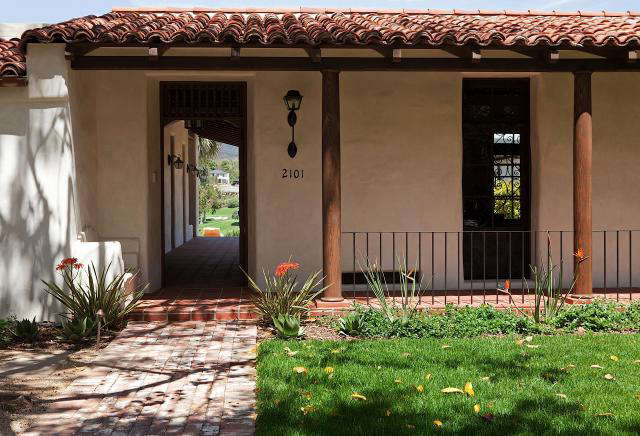
Historic adobe and modern architecture may sound like two people who showed up to the same dinner party wearing completely different outfits. One arrives in sun-dried earth, hand-shaped walls, timber beams, and centuries of quiet wisdom. The other walks in with glass, steel, clean lines, smart systems, and a slightly smug thermostat. Yet when they meet thoughtfully, the result can be extraordinary: a home or public building that feels rooted, comfortable, sustainable, and alive.
Across the American Southwest, especially in New Mexico, Arizona, California, and parts of Texas and Colorado, adobe architecture is not a decorative trend. It is a response to climate, culture, available materials, and community life. Thick earthen walls, shaded courtyards, flat roofs, vigas, plaster finishes, deep-set windows, and soft rounded edges were not invented for Instagram. They were practical, climate-smart, and deeply local long before “sustainable design” became a conference topic with reusable name badges.
Modern architecture, at its best, brings another set of strengths: structural engineering, energy modeling, daylight strategy, seismic safety, efficient mechanical systems, better accessibility, and flexible floor plans. The magic happens when new design does not try to cosplay as old adobe, and old adobe is not forced to behave like a glass condo in Scottsdale. Historic adobe plus modern architecture works when both sides are respected.
What Makes Adobe Architecture Historic?
Adobe is one of the oldest building materials in the world, but in the United States it is most closely associated with Indigenous Pueblo communities, Spanish colonial settlements, mission buildings, ranch houses, and the Pueblo Revival and Territorial Revival traditions of the Southwest. In its simplest form, adobe is made from earth, water, and organic fiber such as straw, shaped into bricks and dried in the sun. The beauty is not just in the material, but in the way it makes buildings feel connected to the land.
Historic adobe buildings are often recognized by thick walls, rounded corners, earthen plaster, small window openings, flat or low-slope roofs, projecting wooden vigas, hand-finished surfaces, and a calm relationship to the desert landscape. The walls do not shout. They sit there like they have known the sun personally for 300 years.
Adobe Is Both Material and Memory
In historic districts, adobe is rarely just “old construction.” It may hold stories of family compounds, agricultural settlements, religious life, trade routes, artistic communities, and regional identity. Taos Pueblo, for example, demonstrates how adobe can be part of a living cultural landscape rather than a frozen museum object. The Palace of the Governors in Santa Fe shows how an adobe public building can adapt over centuries while remaining an architectural anchor.
That adaptability matters. Historic adobe buildings survive not because they are indestructible, but because people maintain them, repair them, and keep using them. Adobe is durable when cared for and vulnerable when neglected. It does not appreciate leaky roofs, rising damp, bad drainage, hard cement patches, or owners who say, “We’ll deal with that crack next year.” Adobe hears that and starts making other plans.
Why Modern Architects Still Love Adobe
Modern architects are rediscovering adobe for many reasons: sustainability, thermal mass, regional character, low embodied energy, and the desire for homes that feel less like sealed boxes and more like places with a pulse. While not every modern Southwestern building is made of true adobe, many borrow from its vocabulary: thickened walls, shaded portals, courtyards, earth-toned plaster, deep window reveals, and indoor-outdoor transitions.
Adobe’s biggest environmental advantage is thermal mass. Thick earthen walls absorb heat slowly and release it slowly. In desert climates with hot days and cool nights, this can help moderate indoor temperature swings. Used with smart orientation, shading, insulation, ventilation, and modern glazing, adobe can support a comfortable and energy-conscious home.
The Thermal Mass Myth, Clarified
Adobe is not magic insulation. This is important. A thick adobe wall can store heat, but it does not automatically perform like a highly insulated wall in every climate. In cold or mixed climates, adobe needs careful detailing, insulation strategies, and mechanical support. In the high desert, where day-night temperature swings are dramatic, adobe can shine when paired with passive solar design, roof insulation, shaded openings, and nighttime ventilation.
In other words, adobe is not a “set it and forget it” slow cooker. It is more like a cast-iron pan: amazing when used properly, disappointing when treated like Teflon.
The Design Challenge: Respect Without Imitation
One of the biggest questions in historic preservation is how to add something new without damaging what came before. The best modern additions to historic adobe buildings are usually compatible but clearly contemporary. They do not bulldoze the old structure, and they do not pretend to be 200 years old after one weekend of faux distressing.
A good addition respects massing, scale, rhythm, material tone, and important views. It may use glass, steel, concrete, wood, or new plaster systems, but it should not overwhelm the historic building. Modern work can be set back, connected lightly, or placed on a secondary elevation so the original adobe remains the star of the show.
Compatible Does Not Mean Copy-Paste
Copying historic details too literally can create confusion. If a new wing uses fake vigas, artificially aged plaster, and “historic” cracks applied like makeup, the result can feel theatrical. Preservation-minded design usually works better when the new portion is honest about its age while still speaking the same architectural language.
For example, a modern kitchen addition might use a simple flat roof, earth-toned plaster, shaded glazing, and a quiet courtyard connection. It does not need to mimic every irregular curve of the original adobe. The goal is conversation, not karaoke.
Key Elements of Historic Adobe + Modern Architecture
Successful projects tend to share a few core design principles. These principles apply whether the project is a small casita renovation, a museum expansion, a boutique inn, or a contemporary desert home inspired by adobe traditions.
1. Preserve the Thick Wall Experience
Thick adobe walls create deep window openings, soft shadows, and a sense of shelter. Modern remodels should protect that feeling instead of slicing walls open without care. When new windows or doors are needed, they should be placed thoughtfully, with attention to structural stability and historic character.
2. Control Water Like Your Building Depends on It
Because it does. Moisture is one of adobe’s greatest enemies. A well-maintained roof, proper flashing, positive drainage, breathable wall finishes, and protected foundations are not glamorous, but they are essential. If historic adobe had a dating profile, its ideal match would be “good drainage, emotionally available, owns a ladder.”
3. Use Breathable Materials
Historic adobe walls need to release moisture. Hard cement stucco, impermeable coatings, and incompatible patching materials can trap water and accelerate deterioration. Traditional mud plaster or compatible lime-based finishes often perform better because they allow the wall to breathe. Modern materials can be used, but they must be chosen with the building’s physics in mind.
4. Modernize Systems Carefully
Electrical, plumbing, HVAC, Wi-Fi, lighting, and smart-home systems can be added to historic adobe, but the work should be planned carefully. Chasing random channels through original walls can damage historic fabric. Better strategies include using existing cavities, service zones, discreet surface runs, detached utility walls, or new additions that carry modern infrastructure.
5. Let Light In Without Erasing the Past
Many historic adobe homes were built with small openings to manage heat, privacy, and structural stability. Modern living often asks for more daylight and stronger indoor-outdoor flow. The solution is not always giant glass walls punched into historic facades. Courtyards, skylights, clerestories, shaded portals, and carefully placed openings can brighten interiors while preserving the building’s character.
Examples That Show the Balance
Santa Fe is one of the clearest places to see the conversation between adobe heritage and modern design. The city’s well-known low-slung forms, earth-colored walls, vigas, nichos, kiva fireplaces, and Pueblo Revival vocabulary shape both historic districts and contemporary projects. Some buildings follow traditional forms closely; others create a sharper contrast while still responding to local scale and landscape.
Historic properties such as the Palace of the Governors remind us that adobe buildings can evolve over time. They may be modified, repaired, expanded, and reinterpreted while remaining meaningful. Meanwhile, contemporary projects in Santa Fe’s Railyard district show how modern materials can exist in the same cultural city without pretending to be ancient adobe. This is where design judgment matters: the right approach for a protected historic plaza may not be the right approach for an arts district, hillside residence, or former industrial site.
At hospitality and residential properties throughout New Mexico, designers often blend historic forms with modern comfort: radiant floors, efficient glazing, solar panels, updated kitchens, spa-like bathrooms, and improved accessibility. The most convincing projects do not hide modern life. They make it feel at home inside a regional architectural story.
Interior Design: Where Old Adobe Meets New Living
Inside a historic adobe building, modern design should begin with restraint. The walls already have texture. The beams already have presence. The light already performs a daily drama. Over-designing these spaces can feel like putting a marching band in a meditation room.
A strong interior strategy usually emphasizes natural materials: wood, wool, leather, clay, stone, plaster, linen, iron, and handwoven textiles. Contemporary furniture can work beautifully against irregular adobe walls because the contrast is clear and calm. A low modern sofa, a sculptural dining table, or minimalist lighting can make old plaster feel even richer.
Color and Texture
Earth tones are common in adobe interiors, but that does not mean everything must be beige enough to disappear into a tortilla. Soft whites, warm clay, sand, charcoal, rust, olive, indigo, and muted turquoise can all work when used with intention. The key is to let texture carry much of the visual interest.
Matte plaster, hand-troweled walls, exposed beams, brick floors, and woven textiles create depth without clutter. Modern architecture often favors smooth surfaces; historic adobe favors human touch. Combining the two gives a room both clarity and soul.
Sustainability Lessons From Adobe
Adobe architecture offers a useful reminder: sustainability is not always about adding more technology. Sometimes it starts with orientation, shade, mass, local material, repairability, and an understanding of climate. Traditional adobe builders knew how to work with sun, wind, soil, and seasonal rhythms. Modern architects can add performance modeling, efficient systems, solar energy, water harvesting, and better envelope design.
The best modern adobe-inspired buildings are not nostalgic. They are forward-looking because they borrow old wisdom and update it responsibly. A well-designed modern adobe home might include roof insulation, high-performance windows, passive solar planning, energy recovery ventilation, radiant heating, rainwater management, and photovoltaic panels. The result can be both beautiful and practical.
Low Embodied Energy and Local Identity
Adobe can have relatively low embodied energy when soil is sourced locally and bricks are sun-dried rather than fired. It also supports regional identity in a way that imported materials often cannot. A building made from earth literally belongs to its place. That is hard to fake with a catalog order and a “Southwest Sunset” paint swatch.
Common Mistakes to Avoid
The most common mistake is treating adobe as a style rather than a system. Rounded walls and brown stucco do not automatically make a building adobe in any meaningful sense. True adobe involves structure, material behavior, maintenance, and climate response.
Another mistake is using incompatible repairs. Cement plaster over adobe may look tidy at first, but it can trap moisture and cause serious damage. Poor drainage, missing roof maintenance, blocked canales, vegetation too close to walls, and hard interior finishes can also create problems.
A third mistake is oversizing modern additions. A glass box can be elegant, but if it towers over a one-story adobe house, the old building starts to look like an accessory. Successful modern architecture knows when to step back, literally and visually.
How to Plan a Historic Adobe Renovation
Before designing anything, document what exists. Photograph walls, rooflines, openings, floors, beams, plaster, drainage patterns, and previous repairs. Hire professionals who understand earthen buildings, not just general remodeling. Adobe has its own rules, and it does not care how many quartz countertops someone installed last year.
Next, identify character-defining features. These might include original wall thickness, roof form, vigas, fireplaces, courtyards, portals, plaster finishes, niches, doorways, and spatial patterns. Decide what must be preserved, what can be repaired, and where modern interventions can happen with the least harm.
Finally, design for maintenance. Historic adobe is not a one-time project; it is a relationship. Roof inspections, plaster renewal, drainage checks, and seasonal observation should be part of the ownership plan. The reward is a building that ages gracefully instead of constantly fighting its environment.
The Future of Historic Adobe + Modern Architecture
The future of adobe is not limited to preservation museums or luxury desert homes. As architects search for lower-carbon materials and climate-responsive design, earthen construction is getting renewed attention. Modern codes, engineering, seismic retrofits, and hybrid wall systems can help adapt adobe principles for contemporary life.
Still, the cultural side must remain central. Adobe is connected to Indigenous knowledge, Spanish colonial history, regional craft, and local communities. Using adobe-inspired design responsibly means understanding that history, crediting traditions, and avoiding shallow imitation.
When done well, historic adobe plus modern architecture offers something rare: buildings that feel ancient and current at the same time. They are quiet but not boring, simple but not plain, earthy but not outdated. They remind us that progress does not always mean replacing the past. Sometimes progress means learning how to add one beautiful, respectful layer to it.
Experiences With Historic Adobe + Modern Architecture
Experiencing a historic adobe building is different from simply looking at one. From the street, it may appear modest: low walls, soft edges, a flat roof, maybe a wooden gate that has seen better decades. Step inside, though, and the building changes the pace of your body. The temperature feels steadier. The light is softer. Sounds land differently. Even footsteps seem to understand they should behave.
One of the most memorable experiences in adobe spaces is the way daylight moves across thick walls. In a modern drywall room, sunlight often feels flat and direct. In adobe, light has a slow conversation with the surface. It slides over hand-troweled plaster, catches tiny imperfections, and makes shadows look intentional. A deep-set window can turn a simple wall into a small architectural event. No app required. No subscription fee. Just sun doing excellent work.
Modern additions can make that experience even stronger when they are handled with care. Imagine an old adobe living room connected to a new glassy breakfast space through a short, quiet passage. The old room feels protective and grounded; the new room opens to the garden and morning sky. Moving between them is like moving between memory and possibility. The contrast helps you appreciate both.
Another powerful experience is touch. Historic adobe buildings are tactile. You notice the coolness of plaster, the grain of old wood, the slight unevenness of a wall, the rounded corner that no machine would have bothered to make so gently. Modern architecture sometimes becomes too visual, as if buildings were designed only for camera angles. Adobe reminds us that architecture is also for hands, shoulders, bare feet, and quiet afternoons.
Living in or visiting a renovated adobe home also teaches patience. These buildings ask people to notice weather. After heavy rain, you look at drainage. In summer, you learn when to open windows and when to close them. In winter, you understand how mass stores warmth. The building becomes less like an object and more like a companion with habits. Some habits are charming. Some require maintenance. That is also true of pets, relatives, and old espresso machines.
The best modern adobe projects create comfort without erasing character. A renovated kitchen can have induction cooking, efficient lighting, and clean-lined cabinets while still respecting old walls. A bathroom can be modern and waterproof without feeling like it was teleported from a hotel in Miami. A bedroom can have discreet climate control, good insulation, and soft lighting while preserving the calm, cave-like comfort that makes adobe so beloved.
For homeowners, the experience is often emotional. Restoring adobe can reveal old doorways, earlier plaster layers, handmade bricks, or construction quirks that tell stories. Not every discovery is romantic; sometimes the story is “someone made a very bad repair in 1978.” But even those moments create a deeper relationship with the house. You are not just decorating. You are joining a timeline.
For designers, historic adobe plus modern architecture is a lesson in humility. The old building usually knows more about the site than the new design team does. It knows where the sun hits hardest, where water wants to go, where shade matters, and how people once gathered. Modern architecture succeeds when it listens first and speaks second.
That may be the real beauty of this pairing. Historic adobe gives modern architecture warmth, texture, and memory. Modern architecture gives historic adobe new life, safety, comfort, and continued use. Together, they prove that old and new do not have to compete for attention. They can share the same room, pass the salsa, and make the whole place better.
Conclusion
Historic adobe and modern architecture work best when preservation and innovation are treated as partners. Adobe brings regional identity, thermal mass, texture, and cultural depth. Modern design adds performance, accessibility, structural safety, and contemporary comfort. The strongest projects protect historic materials, manage moisture carefully, use compatible additions, and let new work be honest about its own time.
Whether restoring a centuries-old adobe home, designing a modern desert retreat, or planning a sensitive public renovation, the goal is the same: keep the soul, improve the function, and never confuse authenticity with imitation. Adobe has lasted this long because it adapts. Modern architecture can help it continue, as long as it remembers to listen.










