
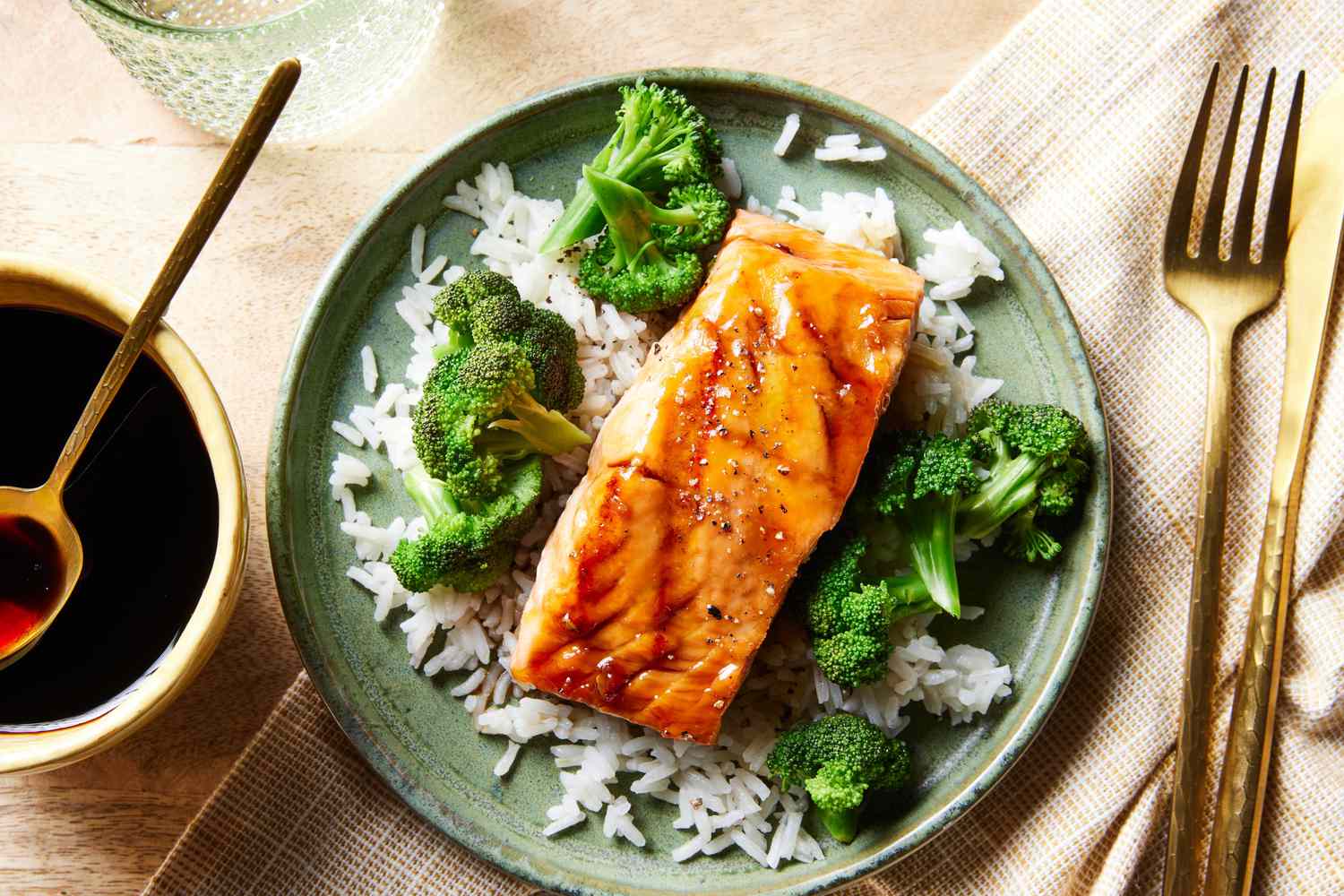
A good honey-soy glaze is the culinary equivalent of a tiny black dress: simple, reliable, and somehow perfect for almost every occasion. Brush it over salmon and it turns glossy under the broiler. Toss it with chicken wings and suddenly dinner has main-character energy. Spoon it over roasted carrots, tofu, pork chops, shrimp, or rice bowls, and your kitchen smells like you planned this meal days agoeven if you actually started cooking because everyone was staring into the fridge like it owed them money.
This honey-soy glaze recipe is sweet, savory, garlicky, lightly tangy, and flexible enough to use as a finishing sauce, basting glaze, marinade base, stir-fry coating, or drizzle. The magic comes from balance: honey brings body and shine, soy sauce brings salty umami depth, vinegar or citrus keeps the sweetness from becoming sticky-candy chaos, and garlic plus ginger add that warm, restaurant-style flavor people always describe as “What did you put in this?”
Best of all, it comes together in about 10 minutes with pantry ingredients. No complicated chef choreography required. Just whisk, simmer, thicken, and try not to taste it with a spoon so many times that half the batch mysteriously disappears.
What Is Honey-Soy Glaze?
Honey-soy glaze is a glossy sauce made by combining honey and soy sauce with aromatics, acidity, and optional thickening ingredients. It is often used in Asian-inspired home cooking, especially for glazed salmon, chicken thighs, stir-fried vegetables, wings, tofu, and rice bowls.
Unlike a thin marinade, a glaze is reduced or thickened until it clings to food. That “cling” is the whole point. A marinade soaks in; a glaze shines on the surface. When exposed to heat, the honey caramelizes slightly, the soy sauce deepens, and the sauce forms a lacquer-like coating that looks fancy without requiring fancy behavior.
Why This Honey-Soy Glaze Works
This recipe is built around four flavor pillars: sweet, salty, tangy, and aromatic. Honey provides sweetness and a beautiful sheen. Low-sodium soy sauce gives the glaze its savory backbone without making the final dish taste like a salt lick wearing a chef hat. Rice vinegar or lime juice adds brightness. Garlic and ginger make the sauce feel complete, warm, and layered.
The glaze also works because it uses a short simmer. Simmering helps the honey dissolve fully, softens the bite of raw garlic, concentrates flavor, and thickens the sauce. A small cornstarch slurry is optional, but useful if you want a faster, more dramatic thickening effect for stir-fries, wings, or crispy tofu.
Honey-Soy Glaze Ingredients
Main Ingredients
- 1/3 cup honey: The main sweetener. It gives the glaze shine, body, and caramelized flavor.
- 1/4 cup low-sodium soy sauce: Adds saltiness and umami. Low-sodium soy sauce gives you more control.
- 2 tablespoons rice vinegar: Balances the honey with gentle acidity. Apple cider vinegar or lime juice also works.
- 2 teaspoons sesame oil: Adds nutty aroma. Use toasted sesame oil for stronger flavor.
- 3 garlic cloves, minced: Gives the glaze bold savory depth.
- 1 tablespoon fresh ginger, grated: Adds warmth and a slightly peppery lift.
- 1 teaspoon cornstarch mixed with 1 tablespoon water: Optional, for a thicker glaze.
- 1/4 teaspoon red pepper flakes or sriracha: Optional, for heat.
- 1 teaspoon lime juice: Optional finishing touch for brightness.
Ingredient Notes and Substitutions
If you need a gluten-free honey-soy glaze, use tamari instead of traditional soy sauce. Coconut aminos can also work, though they are usually sweeter and less salty, so you may need to reduce the honey slightly or add a pinch of salt.
For a deeper, more caramel-like glaze, add 1 tablespoon of brown sugar. For a brighter sauce, increase the vinegar by 1 teaspoon. For a richer glaze for chicken or pork, whisk in 1 tablespoon of butter at the end. For a spicier version, add chili garlic sauce, sriracha, gochujang, or crushed red pepper flakes.
How to Make Honey-Soy Glaze
Step 1: Whisk the Base
In a small bowl, whisk together the honey, low-sodium soy sauce, rice vinegar, sesame oil, garlic, ginger, and optional red pepper flakes. Whisk until the honey loosens and blends into the soy sauce. If your honey is very thick, microwave it for 8 to 10 seconds first, just enough to make it easier to stir.
Step 2: Simmer Gently
Pour the mixture into a small saucepan and set it over medium heat. Bring it to a gentle simmer, not a wild boil. A glaze should bubble politely, not audition for a volcano documentary. Stir often for 3 to 5 minutes, until the garlic smells fragrant and the sauce starts to look slightly syrupy.
Step 3: Thicken the Glaze
If you prefer a naturally reduced glaze, continue simmering for another 2 to 4 minutes until it coats the back of a spoon. If you want a thicker sauce quickly, stir in the cornstarch slurry. Simmer for 30 to 60 seconds, stirring constantly, until glossy and smooth.
Step 4: Finish and Taste
Remove the pan from the heat. Stir in lime juice if using. Taste carefully. If it is too salty, add a teaspoon of honey or a splash of water. If it is too sweet, add a few drops of vinegar or lime juice. If it tastes flat, add a little more ginger or a tiny pinch of salt.
Best Uses for Honey-Soy Glaze
Honey-Soy Glazed Salmon
Salmon is one of the best partners for honey-soy glaze because its natural richness loves sweetness, salt, and acidity. Brush the glaze over salmon during the last few minutes of baking, broiling, grilling, or pan-searing. For salmon fillets, cook until the fish flakes easily and reaches a safe internal temperature. Add sesame seeds and sliced green onions for a restaurant-style finish.
Honey-Soy Chicken
Use the glaze on chicken thighs, drumsticks, wings, or chicken breast. For baked chicken, brush the glaze on during the final 10 to 15 minutes of cooking so the sugars caramelize without burning. For wings, toss them in the glaze after baking or air frying, then return them to the oven briefly to set the coating. Always cook chicken to a safe internal temperature of 165°F.
Honey-Soy Pork Chops
Pork chops are excellent with honey-soy glaze, especially when seared first. Cook the chops until browned, reduce the heat, add the glaze, and spoon it over the meat until shiny. Let pork rest before slicing so the juices stay where they belong: inside the pork, not running across the plate like they have somewhere better to be.
Honey-Soy Tofu
For tofu, press it first to remove excess moisture. Cut it into cubes, coat lightly with cornstarch, and pan-fry until crisp. Toss with warm honey-soy glaze right before serving. The contrast between crispy edges and sticky sauce is wildly satisfying.
Honey-Soy Vegetables
Try this glaze with roasted carrots, Brussels sprouts, broccoli, green beans, mushrooms, bok choy, or sweet potatoes. Add the glaze near the end of roasting so it caramelizes instead of scorching. It is especially good with vegetables that have browned edges because the sweet-salty sauce grabs onto those crispy bits.
Recipe Card: Easy Honey-Soy Glaze
Prep Time
5 minutes
Cook Time
5 to 8 minutes
Total Time
10 to 13 minutes
Yield
About 2/3 cup glaze, enough for 4 servings of salmon, chicken, tofu, or vegetables.
Ingredients
- 1/3 cup honey
- 1/4 cup low-sodium soy sauce
- 2 tablespoons rice vinegar
- 2 teaspoons toasted sesame oil
- 3 garlic cloves, minced
- 1 tablespoon fresh ginger, grated
- 1/4 teaspoon red pepper flakes, optional
- 1 teaspoon cornstarch mixed with 1 tablespoon cold water, optional
- 1 teaspoon lime juice, optional
- Sesame seeds and sliced green onions, for serving
Instructions
- In a bowl, whisk together honey, soy sauce, rice vinegar, sesame oil, garlic, ginger, and red pepper flakes.
- Pour the mixture into a small saucepan over medium heat.
- Bring to a gentle simmer and cook for 3 to 5 minutes, stirring often.
- For a thicker glaze, stir in the cornstarch slurry and simmer for 30 to 60 seconds.
- Remove from heat and stir in lime juice if desired.
- Brush, toss, drizzle, or spoon over cooked protein, tofu, or vegetables.
- Garnish with sesame seeds and sliced green onions before serving.
Pro Tips for the Best Honey-Soy Glaze
Use Low-Sodium Soy Sauce
Regular soy sauce can become too salty once reduced. Low-sodium soy sauce gives the glaze room to concentrate without overwhelming the honey, garlic, and ginger.
Do Not Walk Away From the Saucepan
Honey can go from glossy to scorched faster than a toddler can find a permanent marker. Stir often, keep the heat moderate, and remove the glaze from the burner as soon as it thickens.
Add Acid for Balance
A little rice vinegar, apple cider vinegar, lemon juice, or lime juice keeps the sauce from tasting heavy. Acidity is what makes the glaze feel lively instead of syrupy.
Apply Glaze Near the End of Cooking
Because honey contains sugar, it can burn over high heat. When roasting, grilling, or broiling, brush the glaze on during the final stage of cooking. This creates caramelization without turning your dinner into edible charcoal.
Keep Raw Marinade Separate
If you use the glaze as a marinade for raw chicken, pork, seafood, or meat, do not reuse it as a finishing sauce unless it has been boiled thoroughly. The easiest method is to divide the batch: one portion for marinating and one clean portion for serving.
Flavor Variations
Spicy Honey-Soy Glaze
Add 1 to 2 teaspoons sriracha, chili garlic sauce, or gochujang. This version is excellent on wings, shrimp, and tofu bowls.
Citrus Honey-Soy Glaze
Add orange zest and 2 tablespoons orange juice. This version tastes bright and fresh with salmon, chicken, and roasted carrots.
Garlic Butter Honey-Soy Glaze
Whisk in 1 tablespoon butter after removing the glaze from the heat. This creates a silkier sauce that works beautifully with pork chops and chicken thighs.
Teriyaki-Style Honey-Soy Glaze
Add 1 tablespoon mirin and reduce the vinegar slightly. This gives the glaze a sweeter, rounder, teriyaki-inspired flavor.
How to Store Honey-Soy Glaze
Let the glaze cool completely, then transfer it to an airtight jar or container. Store it in the refrigerator for up to 1 week. Reheat gently in a small saucepan or microwave in short bursts, stirring between each one. If the glaze becomes too thick after chilling, add a teaspoon of water and stir until smooth.
Freezing is possible, but not ideal. The texture can change slightly after thawing. Since the glaze is so quick to make, fresh is usually better.
What to Serve With Honey-Soy Glaze
Honey-soy glaze pairs well with steamed jasmine rice, brown rice, coconut rice, soba noodles, roasted vegetables, cucumber salad, slaw, or stir-fried greens. For a fast weeknight bowl, layer rice, glazed salmon or tofu, steamed broccoli, shredded carrots, avocado, and scallions. Add extra glaze over the top and prepare to feel unusually proud of yourself for a Tuesday.
Common Mistakes to Avoid
Making the Glaze Too Salty
Use low-sodium soy sauce and taste before adding salt to the rest of your dish. The glaze becomes saltier as it reduces.
Boiling Too Hard
A hard boil can make the glaze reduce unevenly or burn. Keep it at a steady simmer.
Adding Cornstarch Directly
Always mix cornstarch with cold water first. Adding dry cornstarch directly to hot sauce creates lumps, and nobody invited lumpy sauce to dinner.
Glazing Too Early
Honey burns if cooked too long at high heat. Brush the glaze on near the end for the best shine and flavor.
Experience Notes: What Cooking With Honey-Soy Glaze Teaches You
The first thing you learn from making honey-soy glaze is that simple food is not the same as boring food. This sauce has only a handful of ingredients, yet it behaves like it has attended culinary school and owns a very confident apron. The honey gives it shine, the soy sauce adds depth, and the garlic-ginger combination makes it smell like dinner is about to be better than expected.
In everyday cooking, this glaze is especially useful because it rescues plain ingredients. A basic chicken thigh becomes sticky, golden, and deeply savory. A piece of salmon becomes glossy enough to look like it came from a restaurant with tiny plates and dramatic lighting. Even vegetables get a glow-up. Roasted broccoli, carrots, and Brussels sprouts take on a sweet-salty finish that makes people reach for seconds before politely checking whether anyone else wants more.
Another experience worth noting is how quickly the glaze changes in the pan. At first, it looks thin and ordinary. Then the bubbles get smaller, the color deepens, and the spoon begins to leave a trail through the sauce. That is the moment to pay attention. A perfect honey-soy glaze should coat the spoon but still move easily. If it becomes too thick, it can turn chewy once cooled. If that happens, do not panic. Add a splash of water, warm it gently, and stir. Cooking is often just problem-solving with better smells.
When using this glaze on proteins, timing matters. Brushing it onto chicken or salmon too early can make the honey darken too much before the inside is cooked. The better move is to cook the protein most of the way, then glaze near the end. This gives you caramelization, shine, and flavor without bitterness. On the grill, keep the food away from direct flames after glazing. In the oven, add the glaze during the final stretch. In a skillet, lower the heat before adding it so the sauce thickens instead of burning.
This glaze is also a meal-prep hero. Make a batch on Sunday and you can use it throughout the week. Drizzle it over rice bowls, toss it with leftover chicken, brush it on shrimp, or stir it into noodles. It turns “I guess we are eating leftovers” into “Actually, this is kind of amazing.” That is a valuable kitchen trick.
The best part is that honey-soy glaze welcomes personal style. Some cooks like it spicy with sriracha. Others prefer it citrusy with orange or lime. Some want it thicker for wings, while others keep it loose for drizzling over bowls. Once you understand the basic balancesweet, salty, tangy, aromaticyou can adjust it confidently. That is when a recipe stops being just a recipe and becomes part of your cooking instincts.
Conclusion
This honey-soy glaze recipe proves that a small saucepan can do big things. With honey, soy sauce, vinegar, garlic, ginger, and a few optional upgrades, you get a glossy, flavorful sauce that works on salmon, chicken, pork, tofu, shrimp, and vegetables. It is fast enough for a weeknight, flexible enough for meal prep, and impressive enough to serve when you want dinner to look like you tried harder than you did.
Keep the heat gentle, use low-sodium soy sauce, balance sweetness with acidity, and glaze near the end of cooking. Do that, and you will have a sauce that clings beautifully, tastes balanced, and makes almost anything on the plate more exciting.














