
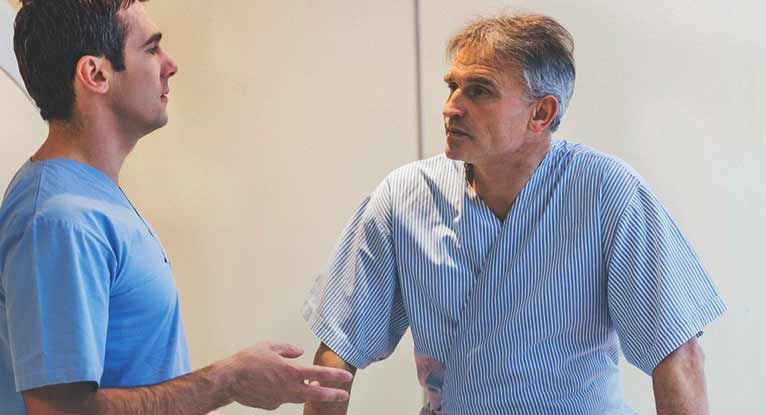
If the phrase “prostate exam” makes you immediately want to become a mysterious man of the wilderness and live in a cabin with no forwarding address, you are not alone. Many people feel awkward, nervous, or downright allergic to the idea of discussing anything involving the prostate, rectum, or a doctor wearing gloves. But here is the surprisingly comforting truth: a prostate exam is usually quick, routine, and far less dramatic than your imagination’s horror-movie trailer suggests.
A prostate exam is a medical check used to evaluate prostate health. Depending on your age, symptoms, risk factors, and the reason for the visit, it may include a digital rectal exam, often called a DRE, a prostate-specific antigen blood test, called a PSA test, or both. The exam can help a healthcare provider check for signs of an enlarged prostate, prostate inflammation, infection, or possible prostate cancer.
This guide explains how a prostate exam is done, what it feels like, why doctors recommend it, what results may mean, and how to make the experience less awkward. Spoiler alert: breathing helps, jokes are optional, and your doctor has almost certainly done this hundreds of times before lunch.
What Is the Prostate?
The prostate is a small gland found below the bladder and in front of the rectum. It surrounds part of the urethra, the tube that carries urine out of the body. The prostate produces fluid that helps make up semen, which means it plays a role in reproduction. In younger adults, it is often described as walnut-sized, though it can grow larger with age.
Because the prostate sits right next to the rectum, a healthcare provider can feel part of it during a digital rectal exam. That location is the reason the exam is done through the rectum rather than from the outside of the body. Anatomy, as usual, did not ask for anyone’s opinion before designing the floor plan.
What Is a Prostate Exam?
A prostate exam is not one single test in every situation. The term usually refers to one or both of the following:
Digital Rectal Exam
A digital rectal exam is a physical exam in which a healthcare provider inserts a gloved, lubricated finger into the rectum to feel the prostate. The word “digital” here means finger, not computer. No software update required.
During the DRE, the provider checks the prostate’s size, shape, firmness, tenderness, and texture. They may feel for hard spots, lumps, nodules, swelling, or areas that seem unusual. The exam can also help assess rectal issues such as hemorrhoids, fissures, tenderness, or bleeding.
PSA Blood Test
The PSA test measures prostate-specific antigen, a protein made by prostate cells. A small amount of PSA in the blood is normal. Higher PSA levels may happen with prostate cancer, but they can also occur because of benign prostatic hyperplasia, prostatitis, age-related prostate changes, recent procedures, infection, or even temporary irritation.
That is why PSA results are not interpreted like a simple pass-fail quiz. A higher PSA does not automatically mean cancer, and a lower PSA does not guarantee that nothing is wrong. Doctors look at PSA results along with age, risk factors, symptoms, DRE findings, previous PSA trends, medications, and sometimes imaging or biopsy results.
Why Would Someone Need a Prostate Exam?
A prostate exam may be recommended for several reasons. Some people have one as part of a discussion about prostate cancer screening. Others have one because they are experiencing urinary or pelvic symptoms.
Common reasons include:
- Frequent urination, especially at night
- Weak urine stream
- Difficulty starting or stopping urination
- A feeling that the bladder does not fully empty
- Pain or burning during urination
- Blood in urine or semen
- Pelvic, rectal, lower back, or groin discomfort
- Concern about prostate cancer risk
- Family history of prostate cancer
- Follow-up after an abnormal PSA test
These symptoms do not automatically mean prostate cancer. Many prostate problems are benign, including enlarged prostate and prostatitis. Still, symptoms deserve attention because ignoring the prostate rarely makes it behave better. It is not a toddler, but it can certainly act like one.
How Is a Prostate Exam Done Step by Step?
1. The Visit Starts With Questions
Before the physical exam, the healthcare provider usually asks about your medical history, symptoms, medications, family history, and previous prostate test results. They may ask how often you urinate, whether your stream has changed, whether you wake up at night to use the bathroom, and whether you have pain or bleeding.
Be honest. This is not the time to say, “Everything is fine,” when you are secretly mapping every restroom within a three-mile radius. Clear answers help the provider decide whether you need a DRE, PSA test, urine test, imaging, medication, or referral to a urologist.
2. You Get Privacy to Prepare
If a digital rectal exam is needed, you will be asked to undress from the waist down or lower your clothing enough for the exam. You will usually be given a drape or sheet. Clinics are used to protecting privacy during sensitive exams, and you can ask for a chaperone if one is not automatically offered.
You may be asked to lie on your side with your knees drawn toward your chest. In some offices, the exam may be done while you stand and bend forward over the exam table. Either position allows the provider to reach the prostate safely and quickly.
3. The Provider Checks the Outside Area First
The clinician may first look at the outside of the anus for visible issues such as hemorrhoids, irritation, fissures, or bleeding. This part is brief. It also helps the provider avoid causing unnecessary discomfort if there is a painful spot.
4. A Gloved, Lubricated Finger Is Inserted
The provider puts on gloves and applies lubricant. Then they gently insert one finger into the rectum. You may be asked to take a slow breath, relax your muscles, or bear down slightly as if having a bowel movement. That sounds strange, but it can make insertion easier and more comfortable.
Most people describe the sensation as pressure rather than sharp pain. It may feel awkward, but it should not be intensely painful. If you feel significant pain, tell the provider immediately. You are allowed to speak up. This is your body, not a surprise obstacle course.
5. The Provider Feels the Prostate
Once the finger is in place, the provider feels the prostate through the rectal wall. They check whether it feels enlarged, tender, unusually firm, lumpy, or asymmetrical. A normal prostate often feels smooth, rubbery, and symmetrical. An enlarged prostate may feel bigger than expected. Tenderness may suggest inflammation or infection. A hard nodule may require additional evaluation.
The exam usually lasts only a short time. Many people are surprised by how fast it is. The mental buildup often takes longer than the actual exam, which is one of medicine’s least charming magic tricks.
6. The Exam Ends and You Clean Up
After the provider removes the finger, they give you tissues or wipes to clean off lubricant. You can get dressed again in private. Your doctor may tell you the basic DRE findings right away, such as whether the prostate felt enlarged, tender, or normal.
Does a Prostate Exam Hurt?
A prostate exam may feel uncomfortable, embarrassing, or odd, but it is usually not painful. The most common sensations are pressure, fullness, or the urge to urinate. If the prostate is inflamed, the rectum is irritated, or hemorrhoids are present, the exam may be more uncomfortable.
To reduce discomfort, try relaxing your hips, breathing slowly, and letting your shoulders drop. Tensing up can make the exam feel more uncomfortable. Think of it like trying to put a fitted sheet on a mattress while the mattress is actively resisting. Relaxation makes everything easier.
How Should You Prepare for a Prostate Exam?
For a digital rectal exam, special preparation is usually not needed. You do not typically need to fast, take laxatives, or do anything dramatic. Showering as usual is enough.
If you are also getting a PSA test, ask your healthcare provider whether you should avoid ejaculation, vigorous cycling, or activities that may temporarily affect PSA levels for a short period before the blood draw. Also tell your doctor about medications, especially drugs used for enlarged prostate, because some can lower PSA and affect interpretation.
What Do Prostate Exam Results Mean?
Normal Results
A normal DRE means the provider did not feel anything concerning during the exam. The prostate may feel smooth and expected in size for your age. If a PSA test is also normal and you have no symptoms, your provider may recommend routine follow-up based on your risk profile.
Enlarged Prostate
An enlarged prostate is common with aging and is often related to benign prostatic hyperplasia, or BPH. BPH is not cancer, but it can cause urinary symptoms because the prostate surrounds the urethra. Treatment may include lifestyle changes, medication, or procedures depending on symptom severity.
Tender Prostate
A tender prostate may suggest prostatitis, which means inflammation of the prostate. Prostatitis can be caused by infection or other inflammatory conditions. Symptoms may include pelvic pain, painful urination, urinary urgency, fever, or discomfort during ejaculation. Treatment depends on the cause.
Lumps, Nodules, or Hard Areas
If a provider feels a hard area, nodule, or irregularity, that does not automatically mean cancer. However, it usually means more evaluation is needed. The next steps may include a PSA test, repeat PSA test, urine testing, MRI, referral to a urologist, or prostate biopsy.
What Happens If the PSA Test Is High?
If your PSA level is higher than expected, your doctor may not jump straight to a biopsy. Many clinicians repeat the PSA test after several weeks to confirm the result, especially if there may be another explanation such as infection, inflammation, recent ejaculation, or recent prostate irritation.
If PSA remains elevated or rises over time, your provider may recommend additional blood or urine tests, imaging such as prostate MRI, or a biopsy. A biopsy is the test that can confirm whether prostate cancer is present because it allows a pathologist to examine prostate tissue under a microscope.
When Should Men Talk About Prostate Screening?
Different medical organizations phrase screening advice differently, but most agree on one point: prostate cancer screening should involve shared decision-making. That means you and your clinician discuss your risk, possible benefits, possible harms, and personal preferences before deciding.
The American Cancer Society recommends that men at average risk have this discussion at age 50 if they are expected to live at least 10 more years. Men at higher risk, including Black men and men with a father or brother diagnosed with prostate cancer at an early age, should discuss screening at age 45. Men at even higher risk, such as those with more than one first-degree relative diagnosed early, should discuss it at age 40.
The U.S. Preventive Services Task Force recommends that PSA-based screening for men ages 55 to 69 be an individual decision after discussion with a clinician. It recommends against PSA-based screening for men age 70 and older. In real life, your doctor may personalize advice based on your health, family history, race, genetics, prior results, and preferences.
Benefits and Limitations of a Prostate Exam
The benefit of a prostate exam is that it may identify prostate changes that need attention. A DRE can detect some abnormalities in size, shape, texture, or tenderness. A PSA test may help detect prostate cancer earlier in some people, when treatment may be more effective.
However, prostate testing has limitations. A DRE can only feel part of the prostate. A PSA test can be elevated for reasons other than cancer. Screening can lead to false positives, anxiety, repeat testing, biopsies, and sometimes treatment for cancers that may never have caused harm. On the other hand, skipping evaluation when symptoms or high risk are present can delay diagnosis of a serious condition.
This is why the best prostate exam strategy is not “test everyone the exact same way forever.” It is “talk with a qualified clinician and make an informed decision.” Less catchy, yes. More accurate, absolutely.
How to Make the Exam Less Awkward
Awkwardness is normal. Doctors know that. Nurses know that. The exam table probably knows that. But a few simple steps can help:
- Ask what will happen before the exam starts.
- Tell the provider if you have hemorrhoids, fissures, pain, trauma history, or anxiety.
- Ask for a chaperone if it makes you feel more comfortable.
- Use slow breathing during the exam.
- Remember that the exam is usually brief.
- Focus on the health benefit, not the awkward moment.
You can also bring questions written down. Many people forget their questions once the paper gown appears and dignity starts flapping in the air conditioning.
Questions to Ask Your Doctor
Before or after a prostate exam, consider asking:
- Do I need a PSA test, a DRE, or both?
- What is my personal risk for prostate cancer?
- How does my family history affect screening?
- What PSA level would concern you for someone my age?
- If my PSA is high, would we repeat it before doing more tests?
- Should I see a urologist?
- How often should I be checked?
Good medical care is a conversation, not a mysterious ceremony performed behind a curtain of Latin words. Ask questions until the plan makes sense.
Experiences Related to “How Is a Prostate Exam Done?”
For many people, the hardest part of a prostate exam is not the exam itself. It is the anticipation. The appointment gets scheduled, the imagination wakes up, and suddenly the brain starts producing a full documentary titled “Absolutely Not.” This is common. A prostate exam involves a private area of the body, so embarrassment is understandable. But people who have had the exam often say the same thing afterward: “That was it?”
A typical experience begins in the waiting room, where the person may feel nervous but also slightly annoyed at themselves for being nervous. Once in the exam room, the provider asks ordinary questions about urination, sleep, pain, family history, and general health. This part often feels more like a regular checkup than anything dramatic. The conversation can actually reduce anxiety because it turns the visit from a scary unknown into a practical health discussion.
When the DRE is needed, the clinician explains the steps. That explanation matters. Knowing that the exam usually takes only moments can make it easier to relax. The patient is given privacy, changes position, and waits under a drape. This is the point where most people think, “Well, this is not my favorite Tuesday.” Fair enough. But the exam proceeds quickly.
The actual sensation is often described as pressure. Some people feel the urge to urinate. Others feel mild discomfort, especially if they are tense. The provider may ask the patient to breathe deeply or relax the muscles. The finger is lubricated, and the exam is not meant to be forceful. If there is pain, the patient can and should say so. A respectful clinician will pause, adjust, or stop if needed.
Emotionally, the experience can shift from embarrassment to relief within seconds. Once the provider says the exam is finished, the patient cleans up, gets dressed, and hears the initial findings. If everything feels normal, the sense of relief can be immediate. If something needs follow-up, the provider explains the next step. Even then, many people feel better because uncertainty has been replaced by a plan.
People also learn that healthcare professionals are not judging them. Doctors perform sensitive exams all the time. To the patient, it may feel like a major personal event. To the clinician, it is a routine medical check done with professional focus. That difference is comforting. The provider is thinking about anatomy, symptoms, risk, and results, not your socks, your awkward joke, or the fact that you forgot to fold your underwear neatly.
The biggest takeaway from real-world prostate exam experiences is this: the fear is usually bigger than the exam. The appointment may feel awkward, but it can provide important information about prostate health. For people with urinary symptoms, family history, elevated PSA, or age-related risk, that brief moment of discomfort may lead to earlier diagnosis, better treatment choices, or simple reassurance. In the grand competition between temporary awkwardness and long-term health, awkwardness can take a seat.
Conclusion
A prostate exam is a common medical evaluation used to check prostate health. It may include a digital rectal exam, a PSA blood test, or both. During a DRE, a healthcare provider uses a gloved, lubricated finger to feel the prostate through the rectum and check for enlargement, tenderness, lumps, hardness, or other changes. The exam is usually quick, requires little preparation, and is more uncomfortable emotionally than physically for many people.
The most important thing to know is that a prostate exam is not a diagnosis by itself. It is one part of a bigger picture that may include symptoms, personal risk, PSA trends, imaging, and sometimes biopsy. If you are unsure whether you need prostate screening, talk with your healthcare provider about your age, family history, race, symptoms, and preferences. A short conversation today may save you a lot of worry tomorrow. And yes, you can still make one awkward joke. Doctors have heard worse.














