
Fajr prayer is the spiritual espresso shot of the Muslim day: small, powerful, and best taken before the world starts yelling through notifications. It is the first of the five daily prayers in Islam, performed at dawn before sunrise, and it carries a special place in the heart of Muslim worship. If you are learning how to pray, returning to salah after a break, teaching a child, or simply double-checking because your sleepy brain at 5:12 a.m. cannot be trusted, this guide will make the Fajr prayer clear and practical.
So, how many rakats are in Fajr? The simple answer is: Fajr has 2 obligatory rakats, known as Fard, and 2 highly emphasized Sunnah rakats before them. That makes the commonly performed Fajr prayer 4 rakats total: 2 Sunnah followed by 2 Fard. The Fard rakats are required, while the Sunnah rakats are not obligatory but are extremely important and beloved in Islamic tradition.
This article explains what those rakats mean, how to perform Fajr step by step, what to recite, when to pray it, common beginner mistakes, and how to make this quiet dawn prayer a steady part of daily life.
How Many Rakats Are in the Fajr Prayer?
The Fajr prayer is made up of two parts:
- 2 Sunnah rakats before Fajr strongly recommended and highly emphasized.
- 2 Fard rakats of Fajr obligatory for every adult Muslim who is required to pray.
In everyday language, many Muslims say, “Fajr is four rakats,” because they regularly pray both the Sunnah and Fard together. More precisely, however, the required Fajr prayer is 2 Fard rakats, and the additional 2 Sunnah rakats are prayed before it.
Quick Fajr Rakat Breakdown
| Prayer Part | Number of Rakats | Status | When to Pray |
|---|---|---|---|
| Sunnah of Fajr | 2 rakats | Highly emphasized Sunnah | Before the Fard prayer |
| Fard of Fajr | 2 rakats | Obligatory | After the Sunnah, before sunrise |
If you are short on time and sunrise is very close, prioritize the 2 Fard rakats. The obligation comes first. Think of the Sunnah as a priceless bonus, not a replacement for the required prayer.
What Is a Rakat?
A rakat is one complete unit of Islamic prayer. Each rakat includes standing, reciting from the Quran, bowing, rising, prostrating, sitting briefly, and prostrating again. If salah were a beautifully structured song, a rakat would be one full verse with its own rhythm and meaning.
In a typical rakat, you:
- Stand facing the Qibla.
- Begin with the opening takbir: Allahu Akbar.
- Recite Surah Al-Fatihah.
- Recite another short surah or verses from the Quran.
- Bow in ruku.
- Stand again.
- Prostrate in sujood.
- Sit briefly.
- Prostrate a second time.
Two rakats repeat this structure twice, with the final sitting, tashahhud, salawat, and taslim at the end.
Why Are the 2 Sunnah Rakats Before Fajr So Important?
The 2 Sunnah rakats before Fajr are among the most emphasized Sunnah prayers in Islam. The Prophet Muhammad, peace and blessings be upon him, consistently prayed them and spoke of their immense reward. They are short, gentle, and often recited lightly, but their spiritual value is enormous.
This is one of the beautiful surprises of Fajr: the prayer is not long, but it is deep. You do not need to perform a dawn marathon. You simply stand before Allah while most of the world is asleep, and that quiet sincerity has a weight of its own.
For beginners, the Sunnah rakats also serve as a calm entrance into the Fard prayer. Instead of jumping into the obligatory prayer while your alarm clock is still emotionally attacking you, the Sunnah helps your heart settle, your breathing slow, and your attention turn toward worship.
When Is Fajr Prayer Performed?
Fajr begins at true dawn and ends at sunrise. In practical terms, you should check a reliable local prayer timetable, mosque schedule, or prayer app for your area. Fajr timing changes throughout the year because dawn and sunrise shift with the seasons.
The safest habit is to pray Fajr soon after its time enters. Waiting until the final minutes before sunrise is risky, especially if you are the type of person who negotiates with the snooze button like it is a legal contract.
Can You Pray Fajr After Sunrise?
If you accidentally oversleep and miss Fajr, you should make it up when you wake, while avoiding times in which prayer is generally prohibited according to scholarly guidance. Different schools of Islamic law explain details slightly differently, so follow the guidance of a trusted scholar, imam, or madhhab if you need a precise ruling.
The key point is this: do not shrug it off. Missing Fajr should not become “Well, there goes Tuesday.” Make it up, ask Allah for forgiveness, and adjust your routine for the next morning.
How to Prepare for Fajr Prayer
Before praying Fajr, prepare yourself physically and spiritually. You do not need a dramatic mountain sunrise, a perfectly folded prayer rug, or lighting worthy of a documentary. You need cleanliness, intention, and focus.
1. Perform Wudu
Wudu, or ablution, is required before salah unless you already have it. Wash the required parts of the body in the proper order. For many people, wudu before Fajr is also the moment the body admits, reluctantly, that it is awake.
2. Wear Appropriate Clothing
Wear clean clothing that covers the awrah according to Islamic guidelines. The clothing should be modest, not transparent, and suitable for standing before Allah.
3. Face the Qibla
Stand facing the Qibla, the direction of the Kaaba in Makkah. If you are unsure, use a Qibla app, mosque marker, compass, or ask someone knowledgeable. Do your best; Islam does not require panic gymnastics over a few degrees.
4. Make Your Intention
Intention, or niyyah, is made in the heart. You do not have to say a long formula out loud. Simply know which prayer you are performing: the 2 Sunnah rakats of Fajr or the 2 Fard rakats of Fajr.
How to Perform the 2 Sunnah Rakats of Fajr
The Sunnah rakats before Fajr are prayed as a normal two-rakat prayer. They are usually kept brief and focused.
Step-by-Step Sunnah of Fajr
- Stand facing the Qibla and make the intention to pray 2 Sunnah rakats before Fajr.
- Raise your hands and say Allahu Akbar to begin.
- Place your right hand over your left while standing.
- Recite the opening supplication if you normally do so.
- Recite Surah Al-Fatihah.
- Recite another short surah or a few verses from the Quran.
- Say Allahu Akbar and bow into ruku.
- Rise from ruku.
- Go down into sujood.
- Sit briefly, then perform the second sujood.
- Stand for the second rakat and repeat the recitation, ruku, and sujood.
- After the second rakat, sit for tashahhud, send prayers upon the Prophet, and end with salam to the right and left.
These two rakats do not need to be long. Many Muslims recite short surahs they know well. The goal is not to impress the ceiling fan; the goal is sincerity, humility, and presence.
How to Perform the 2 Fard Rakats of Fajr
After completing the 2 Sunnah rakats, you perform the 2 Fard rakats of Fajr. These are obligatory and must be prayed within the Fajr time before sunrise.
Step-by-Step Fard of Fajr
- Stand facing the Qibla and make the intention to pray the 2 Fard rakats of Fajr.
- Raise your hands and say Allahu Akbar.
- Recite Surah Al-Fatihah.
- Recite another surah or verses from the Quran.
- Bow in ruku and glorify Allah.
- Stand upright again.
- Go into the first sujood.
- Sit briefly between the two prostrations.
- Perform the second sujood.
- Stand for the second rakat and repeat the same sequence.
- After the second rakat, sit for tashahhud and salawat.
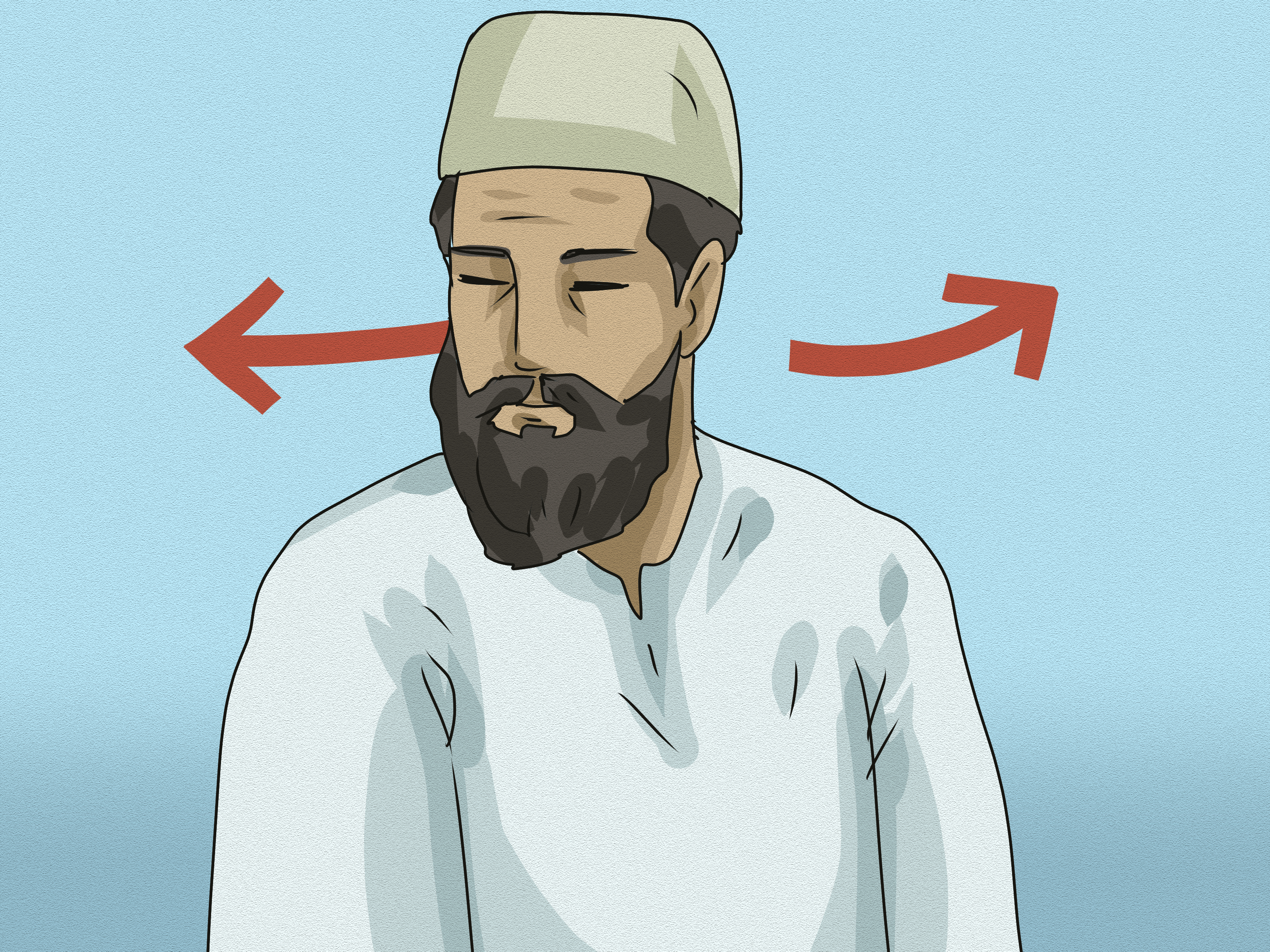
- End the prayer by turning your head to the right and left, saying salam.
In congregational Fajr prayer, the imam recites aloud in the Fard rakats. If you are praying alone, practices may vary by school and personal learning, but many Muslims recite Fajr audibly enough for themselves to hear.
What Should You Recite in Fajr?
Every rakat includes Surah Al-Fatihah. After Al-Fatihah, recite another surah or a portion of the Quran. Beginners often start with shorter surahs, such as:
- Surah Al-Ikhlas
- Surah Al-Falaq
- Surah An-Nas
- Surah Al-Kawthar
- Surah Al-Asr
If you are still learning Arabic recitation, start with what you know and keep improving. Salah is a lifelong relationship, not a one-week language exam. Learn gradually, practice carefully, and ask a teacher to help with pronunciation when possible.
Do You Pray Sunnah or Fard First?
For Fajr, the normal order is:
- 2 Sunnah rakats before Fajr
- 2 Fard rakats of Fajr
The Sunnah comes before the Fard. However, if sunrise is very near and you only have time for one, pray the Fard first. The obligatory prayer must not be missed because you were trying to complete the optional prayer.
Can You Pray More Than 2 Sunnah Before Fajr?
The regular Sunnah connected to Fajr is 2 rakats before the Fard. Voluntary night prayers, such as Tahajjud or Qiyam al-Layl, may be performed before Fajr time enters, after Isha and before dawn. Once Fajr time begins, the emphasized Sunnah before Fajr is two rakats.
This distinction matters because people sometimes confuse Tahajjud, Witr, Sunnah, and Fard prayers. Think of it like a morning schedule: Tahajjud belongs to the night shift, the 2 Sunnah rakats are the dawn warm-up, and the 2 Fard rakats are the required Fajr prayer.
Is Fajr Shortened When Traveling?
No. The 2 Fard rakats of Fajr are not shortened during travel. In Islamic travel prayer rules, the four-rakat obligatory prayers may be shortened under specific conditions, but Fajr remains 2 Fard rakats. Maghrib also remains 3 Fard rakats.
Many Muslims also try to maintain the 2 Sunnah rakats before Fajr while traveling because of their special emphasis. Of course, travel can be messy: airports, buses, hotel checkouts, and the mysterious disappearance of socks all happen. Still, Fajr itself remains two obligatory rakats.
Common Mistakes Beginners Make with Fajr
Mistake 1: Thinking Fajr Is Only Sunnah
The 2 Sunnah rakats are important, but the 2 Fard rakats are obligatory. Do not pray only the Sunnah and stop there.
Mistake 2: Waiting Too Close to Sunrise
Fajr must be prayed before sunrise. Waiting until the last minute makes it easy to miss the prayer entirely.
Mistake 3: Overcomplicating the Intention
Niyyah is in the heart. You do not need to recite a complicated statement. Know what you are praying and begin.
Mistake 4: Trying to Be Perfect Before Starting
Some beginners delay prayer because they feel their pronunciation is not perfect. Learn, improve, and ask for help, but do not let perfectionism keep you from praying.
Mistake 5: Forgetting the Spiritual Purpose
Salah is not only movement and memorization. It is worship, remembrance, humility, and connection with Allah.
Practical Tips to Wake Up for Fajr
Waking for Fajr is easier when you prepare before sleeping. Your morning self is not always a reliable employee, so help that person out the night before.
- Sleep earlier when possible.
- Place your alarm across the room.
- Make wudu before bed if you can.
- Avoid endless late-night scrolling.
- Ask a family member or friend to help wake you.
- Keep your prayer clothes and rug ready.
- Remind yourself of the reward before sleeping.
Consistency matters more than dramatic motivation. A simple routine repeated daily beats a grand spiritual plan that collapses after two mornings.
Experiences and Reflections: What Fajr Teaches in Real Life
Anyone who has tried to pray Fajr consistently knows that the hardest part is often not the prayer itself. The prayer is short. The real wrestling match happens under the blanket, where your soul says, “Get up,” and your pillow says, “We have a long-term commitment.” That small battle is part of what makes Fajr so meaningful. It asks for sincerity before the day offers applause.
Many people describe Fajr as the prayer that changes the emotional shape of the day. When you wake before sunrise, make wudu, and stand in prayer while the world is still quiet, you begin the day with order instead of chaos. Before emails, school, work, traffic, chores, headlines, and human drama arrive with their little marching band, Fajr gives you a private meeting with your Creator.
For beginners, Fajr may feel intimidating at first. The Arabic may be new. The movements may feel unfamiliar. You may wonder whether you are standing correctly, reciting correctly, or ending correctly. But over time, the prayer becomes familiar in the best way. Your body learns the rhythm. Your tongue learns the words. Your heart begins to recognize the peace that comes from showing up consistently.
One helpful experience is to treat Fajr as a routine with three stages: before sleep, when waking, and after prayer. Before sleep, set your intention and prepare your space. Put your phone away from the bed, because an alarm under your pillow is just a lullaby with extra steps. When waking, avoid debate. Do not hold a courtroom session about whether five more minutes will help. Stand up, make wudu, and move. After prayer, stay seated for a moment if possible. Make dua, remember Allah, or simply breathe quietly before starting the day.
Fajr also teaches honesty. Nobody usually sees whether you prayed it on time. There is no audience, no social performance, and no need to appear spiritual. It is just you, Allah, and the early morning. That privacy can soften the heart. It reminds a person that faith is not only what is visible in public but also what is protected in private.
Families often build beautiful memories around Fajr. A parent gently waking a child, siblings bumping into furniture half-asleep, someone whispering because the house is still quietthese small scenes can become lifelong spiritual anchors. Even if the morning is not picture-perfect, the effort matters. Some days you wake easily. Some days you feel like a confused raccoon in a blanket. Keep going.
For students and busy workers, Fajr can become a source of discipline. It divides the day into something intentional. Instead of waking in panic, you begin with worship. Instead of letting the phone decide your first thought, you begin with Allah. This does not magically remove stress, exams, deadlines, or bills, but it gives the heart a stronger place to stand.
There will be missed mornings. That is part of being human. The important thing is not to let one missed Fajr become a week of distance. Make it up, repent, adjust your sleep, and return. Spiritual growth is not built by never slipping; it is built by coming back quickly.
In the end, Fajr is only a few minutes long, yet it can reshape an entire life. Two Sunnah rakats and two Fard rakats may look small on paper, but they carry light, discipline, humility, and peace. The dawn prayer reminds us that before we chase the world, we stand before the One who created it.
Conclusion
Fajr prayer consists of 2 Sunnah rakats before Fajr and 2 obligatory Fard rakats. The Fard rakats are required, while the Sunnah rakats are highly emphasized and carry immense spiritual value. For beginners, the best approach is simple: learn the structure, pray on time, start with the Quran you know, and improve gradually.
Fajr is not meant to be a confusing ritual locked behind advanced knowledge. It is a clear, beautiful act of worship that begins the day with remembrance of Allah. Whether you are praying at home, in the mosque, while traveling, or quietly before a busy workday, the formula remains steady: wake, purify yourself, face the Qibla, pray with sincerity, and let dawn become a doorway to discipline and peace.














