
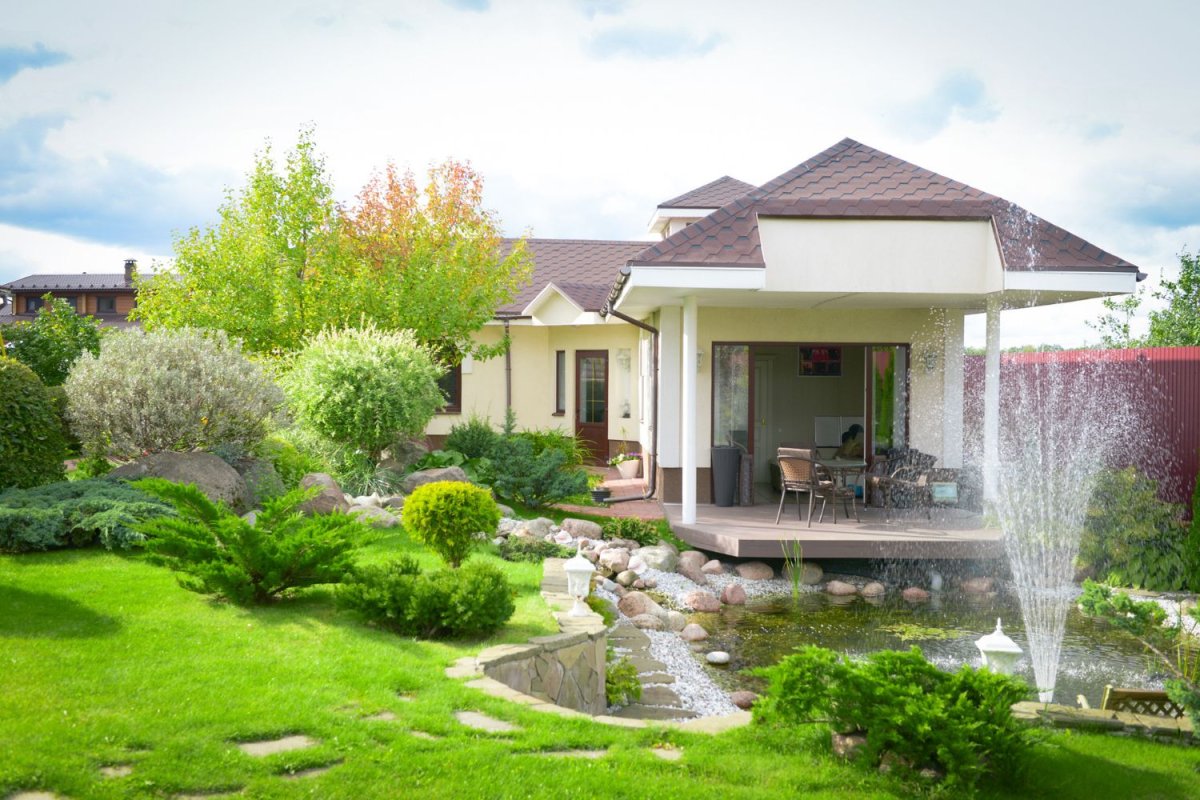
A beautiful yard rarely begins with someone randomly buying six hydrangeas, three bags of mulch, and a suspiciously large ceramic frog. Great oesign comes inand where homeowners inevitably ask the big question: How much does landscape design cost?
Recent national pricinghly $1,900 to $7,300, with an average near $4,500 to $4,600. However, a simple front-yard planting plan may cost only a few hundred dollars, while a detailed master plan involving drainage, retaining walls, an outdoor kitchen, lighting, and a pool can send design fees well into five figures.
The price depends on the size of the property, the complexity of the project, the professional’s experience, local labor rates, and the level of detail included in the plan. In other words, asking for the average landscape design cost is a little like asking, “How much is dinner?” The answer changes dramatically depending on whether you mean tacos or a seven-course anniversary meal.
This guide breaks down landscape design prices, major cost factors, common fee structures, and practical ways to save money without creating a yard that looks as though every plant lost an argument with the garden center.
What Is the Average Cost of Landscape Design?
For most residential projects, homeowners can expect to spend approximately $1,900 to $7,300 on professional landscape design. The national average sits at about $4,500.
Those figures generally refer to design and planning services. They do not necessarily include the actual landscaping installation, materials, plants, excavation, or construction of hardscape features.
Typical Landscape Design Cost Ranges
- Basic consultation or small concept plan: $300 to $1,000
- Small residential landscape plan: $1,000 to $2,500
- Detailed whole-yard design: $2,500 to $7,500
- Complex or luxury landscape design: $7,500 to $15,000 or more
- Extensive design and project management: $10,000 to $50,000 or more
A straightforward design for new flower beds and a walkway will naturally cost less than planning an entire backyard renovation with grading, drainage, a fireplace, pergola, irrigation zones, and a kitchen capable of making your indoor stove feel professionally threatened.
Landscape Designer vs. Landscape Architect: What’s the Cost Difference?
Before collecting estimates, homeowners should understand who they may be hiring. The terms landscape designer and landscape architect are sometimes used interchangeably in casual conversation, but the professions are not identical.
Landscape Designer
A landscape designer commonly focuses on plant selection, bed layouts, outdoor living concepts, pathways, aesthetic themes, and the overall appearance and function of residential yards.
Designers may charge approximately $50 to $150 per hour, although rates vary significantly by location and experience. Some provide a fixed price for the entire plan.
For a homeowner who wants better curb appeal, a pollinator garden, a new patio layout, or a low-maintenance backyard, a landscape designer may be the right professional.
Landscape Architect
Landscape architects have specialized professional education and may be subject to state licensing requirements. Their technical expertise can be particularly important for complicated properties involving significant grading, stormwater management, erosion, drainage, structural features, or large-scale site planning.
Landscape architect costs can range from several hundred dollars for limited services to thousands of dollars for comprehensive plans. Complex properties with pools, major retaining structures, extensive hardscaping, and construction management can cost much more.
The lesson is simple: Do not pay for a bulldozer when you need a shovel, but do not show up with a shovel when your hillside is trying to relocate itself into the neighbor’s yard.
What Factors Affect Landscape Design Cost?
No two yards present exactly the same challenges. Several major factors determine the final landscape design price.
1. Property Size
A larger property usually takes more time to measure, analyze, and design. A professional must consider circulation, existing vegetation, views, utilities, sun exposure, planting zones, and the relationship between different outdoor areas.
A compact urban backyard may need only one cohesive layout. A multi-acre property could require separate plans for an entry area, entertaining zone, pool, gardens, utility areas, and large planting sections.
More land does not automatically mean an outrageous design bill, but more design decisions generally mean more professional hours.
2. Project Complexity
Complexity is one of the biggest cost drivers. A new foundation planting is relatively straightforward. A backyard with an outdoor kitchen, fireplace, retaining wall, water feature, lighting, and drainage corrections is a different animal entirely.
Complicated projects may require technical drawings, material specifications, construction details, multiple design revisions, and coordination with contractors or engineers.
Every major outdoor feature adds another piece to the design puzzle. At some point, the puzzle stops being a peaceful Sunday activity and starts demanding professional supervision.
3. Existing Site Conditions
A designer must work with the yard that actually exists, not the flawless green rectangle living in the homeowner’s imagination.
Steep slopes, compacted soil, poor drainage, erosion, mature tree roots, awkward property lines, and existing structures can make a project more challenging. Proper site analysis helps prevent expensive mistakes later.
For example, putting a patio in an area with unresolved drainage problems may create a very attractive place to watch water collect around your foundation. Good landscape planning identifies these issues before construction begins.
4. Hardscaping
Hardscaping includes patios, walkways, driveways, retaining walls, decks, outdoor kitchens, fire pits, pergolas, and similar permanent features.
The more hardscaping a project contains, the more detailed the design may need to be. Material dimensions, elevations, drainage, access, and construction relationships must be carefully considered.
Hardscape installation itself can also significantly increase the total landscaping budget. Major landscaping projects and backyard renovations can cost tens of thousands of dollars, especially when demolition, grading, masonry, and specialty construction are involved.
5. Plant Selection
Planting plans range from extremely simple to surprisingly technical. Designers consider mature plant size, sunlight, soil, drainage, climate, seasonal interest, maintenance, and water requirements.
Matching plants to site conditions can reduce the likelihood of premature plant failure. University extension guidance consistently emphasizes understanding light, soil, available planting space, and long-term maintenance when planning sustainable landscapes.
Native and regionally appropriate plants may also need less supplemental irrigation once established. Grouping plants with similar water requirements into irrigation zones can help reduce water waste.
That matters because replacing the same unhappy shrub every two years is not technically a landscape strategy. It is a subscription service you did not mean to purchase.
6. Designer Experience and Reputation
Highly experienced designers and in-demand firms often charge more. Their fees may reflect years of technical knowledge, extensive plant expertise, efficient planning, and established relationships with contractors.
A newer independent designer may offer lower rates for a relatively simple project. For challenging sites, however, paying more for relevant expertise can be worthwhile.
Review portfolios rather than comparing prices alone. A designer who specializes in formal European-style gardens may be brilliant but not necessarily the ideal choice for a drought-tolerant desert landscape.
7. Location
Landscape design rates vary across the United States. Costs are generally influenced by local labor markets, property values, project demand, and regional construction expenses.
Plant palettes also differ. Designing for Phoenix requires a different strategy from designing for Minneapolis, Miami, or Seattle. Local climate knowledge is valuable because the right plant in the right place can reduce replacement and maintenance costs.
8. Revisions and Design Detail
A simple hand-drawn concept usually costs less than a comprehensive master plan with scaled drawings, plant schedules, material recommendations, lighting concepts, irrigation notes, and 3D visualizations.
Ask how many revisions are included in the proposal. Changing your mind from “quiet woodland retreat” to “Mediterranean resort with a pizza oven” after the final plan is finished may result in additional design charges. Fair enough, really.
How Do Landscape Designers Charge?
Professionals use several fee structures. Understanding the pricing method makes estimates easier to compare.
Hourly Rates
Some landscape designers bill by the hour. Rates commonly fall around $50 to $150 per hour, although experienced professionals and specialized consultants may charge more.
Hourly pricing can work well for consultations and smaller projects. Ask for an estimated number of hours before work begins.
Flat Design Fee
A designer may quote a fixed price based on the scope of the project. For example, a backyard master plan might cost $3,500, including the site consultation, preliminary concept, one revision, and final planting layout.
Flat fees offer budget predictability. Carefully review the contract to understand exactly what is included.
Percentage of Project Cost
For larger projects, design or management fees may be calculated as a percentage of the total landscape construction budget.
This structure is more common when the professional remains involved throughout installation and coordinates contractors, materials, and project details.
Per-Square-Foot Pricing
Some firms use square-foot pricing. This can be useful for clearly defined areas, although design complexity still matters. Two equally sized yards can require dramatically different amounts of planning.
A flat lawn is not the same design challenge as a steep waterfront property with erosion and drainage concerns, despite what a calculator may optimistically suggest.
What Does a Professional Landscape Design Include?
The exact deliverables depend on the designer and package. A detailed residential landscape plan may include:
- Initial consultation and homeowner interview
- Site measurements and existing-condition analysis
- Functional outdoor space planning
- Concept drawings
- Scaled landscape plans
- Planting layouts and plant lists
- Hardscape placement
- Material recommendations
- Lighting concepts
- Drainage or grading considerations
- Irrigation planning recommendations
- 3D renderings or digital visualizations
- Cost or phasing guidance
- Contractor coordination or project management
Never assume every service is included. One designer may deliver a detailed construction-ready package, while another provides an overall concept intended to guide a landscaping contractor.
Sample Landscape Design Budgets
Real projects are easier to understand through examples. The following hypothetical budgets illustrate how scope can change design fees.
Example 1: Small Front Yard Refresh
A homeowner wants new foundation plants, a small ornamental tree, improved bed shapes, and better curb appeal.
Possible design budget: $500 to $1,500.
The plan is relatively limited and may require only a consultation, basic measurements, and a planting design.
Example 2: Family-Friendly Backyard
The project includes a patio, lawn area, privacy screening, children’s play space, shade trees, and planting beds.
Possible design budget: $2,000 to $5,000.
The designer must balance entertainment, circulation, privacy, plant performance, and maintenance needs.
Example 3: Full Outdoor Living Renovation
A homeowner wants an outdoor kitchen, fire feature, large patio, pergola, lighting, drainage improvements, irrigation changes, and extensive landscaping.
Possible design budget: $5,000 to $15,000 or more.
Installation could cost substantially more. Large backyard renovations can easily enter the tens of thousands of dollars depending on materials and construction.
Additional Costs to Include in a Landscaping Budget
The landscape design fee is only one part of the total project cost. Homeowners should also consider several potential expenses.
Permits
Local permits may be required for certain structural work, electrical installations, pools, major grading, drainage changes, or retaining walls. Requirements vary by municipality.
Site Surveys
A property survey may be needed when boundaries, easements, or structural placement are important.
Soil Testing
Soil testing can help identify pH and other soil characteristics before expensive plant material is installed. Recommendations may guide soil amendments and plant selection.
Demolition and Removal
Removing old patios, shrubs, trees, concrete, or outdated landscape features can significantly affect the installation budget.
Grading and Drainage
Drainage corrections should be addressed early in the planning process. Landscape architects can be particularly useful for sites with technically demanding grading, drainage, and erosion concerns.
Material Delivery
Stone, soil, mulch, pavers, and plants must reach the property somehow. Sadly, pallets of natural stone have yet to develop the ability to migrate seasonally.
How to Save Money on Landscape Design
Professional planning does not have to destroy the home improvement budget. A few strategic decisions can control costs.
Set a Realistic Budget Before Design Begins
Tell the designer what you can realistically spend on the entire project. A $75,000 concept presented to a homeowner with a $20,000 installation budget benefits no one except the person selling emotional-support aspirin.
A good designer can prioritize features and recommend alternatives.
Design the Entire Yard but Install in Phases
A master plan allows homeowners to complete the project over several years without creating conflicts between individual improvements.
For example, underground drainage and irrigation work can be planned before installing an expensive patio. Trees can be positioned so their mature canopies will not interfere with future structures.
Handle Simple Planting Tasks Yourself
Some homeowners save money by hiring professionals for grading, retaining walls, electrical work, and hardscape installation while completing basic planting and mulching themselves.
Be realistic about physical ability and available time. Buying 40 shrubs on Saturday is an exciting event. Meeting those same 40 shrubs in your driveway on Sunday morning is a character-building experience.
Reuse Existing Features
A designer may be able to incorporate healthy mature plants, existing patios, or usable pathways into the new plan. Reusing suitable materials can lower demolition and replacement costs.
Choose Plants for the Site
Plants should match existing sun, soil, moisture, and space conditions. Native or regionally appropriate species can also support a lower-water landscape when selected correctly.
Water-efficient design may include mulch, hydrozones that group plants with similar irrigation requirements, and efficient irrigation controls. These choices can affect long-term maintenance and water use.
Limit Major Last-Minute Changes
Review the preliminary concept carefully. Moving a digital patio on a design drawing is easy. Moving 12 tons of installed pavers is considerably less charming.
Is Hiring a Landscape Designer Worth the Cost?
For a small flower bed, professional design may not be necessary. A confident gardener can sketch a basic layout, research suitable plants, and complete the project independently.
Professional planning becomes more valuable as the project grows in complexity. Designers can help coordinate function, aesthetics, circulation, plant selection, future maintenance, and the relationship between hardscape and softscape elements.
The real value often comes from avoiding expensive mistakes. A beautiful tree planted too close to a house can become a future removal bill. Incorrectly installed hardscape may crack or shift. Poor drainage planning can cause far more serious problems than an unattractive flower bed.
Landscape design is essentially the roadmap for the outdoor investment. Spending thousands on materials and labor without a coherent plan can be like starting a cross-country drive because someone pointed vaguely west.
Real-World Experiences and Lessons From Landscape Design Projects
After looking at the way residential landscape projects commonly unfold, one experience appears repeatedly: Homeowners often underestimate the value of planning and overestimate the amount of information they have communicated.
A homeowner may tell a designer, “We just want a simple backyard.” Simple sounds inexpensive and peaceful. Then the conversation continues.
The family needs a table for eight. The dog requires an open lawn. The neighbors’ second-story windows create a privacy concern. One spouse dreams of tomatoes. The other wants absolutely no yard work and has developed a personal grievance against fallen leaves. There needs to be shade, but not near the pool that might be installed in five years. Oh, and everyone loves fire pits.
Suddenly, the “simple backyard” is a small urban planning exercise.
Experience 1: The Cheapest Plan Is Not Always the Least Expensive
Imagine a homeowner skipping professional design and installing a patio immediately behind the house. The patio looks great during the first summer. Unfortunately, the yard naturally drains toward the house, and the new hard surface changes how water moves across the property.
Correcting drainage after the patio is installed could require removing sections of expensive work. A site analysis before construction might have identified the problem.
This does not mean every homeowner needs a licensed landscape architect for a row of daisies. It means technical problems should be respected. Drainage has never been impressed by optimism.
Experience 2: Mature Plant Size Changes Everything
Another common lesson involves plants that look adorable at the nursery. A three-gallon shrub appears innocent. Homeowners naturally assume five of them will fit beneath a window.
Then the shrubs grow.
A professional planting plan considers mature height and width. Proper spacing may look slightly empty immediately after installation, but plants need room to develop.
Overplanting can create crowded beds, increased maintenance, and repeated pruning. In extreme cases, homeowners pay to remove plants they enthusiastically purchased only a few years earlier.
The experience is humbling. The shrub did not become aggressive. It simply followed the instructions encoded in its biology.
Experience 3: A Master Plan Makes Phased Projects Easier
One of the smartest approaches for budget-conscious homeowners is designing the complete property before installing everything.
Consider a family with a $60,000 long-term landscape vision but only $20,000 available this year. A master plan could divide construction into three phases.
Year one might address drainage, grading, major trees, and underground utilities. Year two could add the patio and walkways. Year three might complete planting, lighting, and an outdoor kitchen.
Without a master plan, phase two may accidentally require digging through phase one’s improvements. This is the landscaping equivalent of carefully making a bed and then remembering the fitted sheet.
Experience 4: Homeowners Should Discuss Maintenance Honestly
A designer may present a gorgeous garden filled with layered perennial borders, flowering shrubs, ornamental grasses, and seasonal interest. The homeowner loves it.
There is only one issue: The homeowner hates gardening.
That information needs to surface during the first conversation, preferably before several hundred plants join the family.
A landscape should reflect the owner’s realistic maintenance habits. Some people genuinely enjoy pruning, dividing perennials, weeding, and experimenting with plants. Others consider watering a houseplant to be an annual administrative burden.
Neither lifestyle is wrong. The design simply needs to acknowledge reality.
Experience 5: Budget Conversations Should Happen Early
Many uncomfortable landscape design experiences begin because homeowners are hesitant to reveal a budget. They fear that telling a designer the maximum amount will automatically make the project cost exactly that amount.
However, clear financial limits help define the appropriate design.
A $15,000 backyard plan can still be attractive and functional, but it probably should not begin with a $12,000 outdoor kitchen. The designer can prioritize a patio, shade, and core plantings while reserving space for future upgrades.
Good landscape design is not about squeezing the largest number of features into a yard. It is about making deliberate decisions.
The Biggest Lesson: Pay for Planning Before Paying to Fix Mistakes
Perhaps the most useful experience from landscape projects is this: The exciting part is buying plants, choosing stone, and watching equipment arrive. Planning feels slower.
Yet planning determines whether those expensive materials work together.
A thoughtful design studies how people will move through the property, where water travels, which areas receive sun, what plants can survive, how large trees will become, and how future projects may affect today’s construction.
That is why the cost of landscape design can make sense even when homeowners initially experience sticker shock. Paying $3,000, $5,000, or more for drawings can feel expensive because the immediate result is paper or a digital plan rather than a finished patio.
But the plan may guide tens of thousands of dollars in construction and landscaping decisions. Seen in that context, design is less of a decorative extra and more of a risk-management tool.
The best landscape projects usually do not look heavily “designed.” They simply feel comfortable. The walkway seems to be in the obvious place. The patio catches pleasant evening light. Trees create shade where it is useful. Plants fit their surroundings. Outdoor areas connect naturally to the house.
Achieving that effortless feeling often requires considerable thoughtwhich is annoyingly typical of things that look effortless.
Conclusion: How Much Should You Budget for Landscape Design?
So, how much does landscape design cost? Most homeowners can expect professional design fees of roughly $1,900 to $7,300, with the average hovering near $4,500. A limited consultation or planting plan may cost considerably less, while extensive master planning and project management can exceed $10,000.
The final price depends on property size, project complexity, site conditions, professional experience, hardscape features, and the amount of technical detail required.
Before hiring a professional, define your overall installation budget, list your must-have features, discuss maintenance honestly, and ask exactly what the design fee includes. For large projects, consider creating a complete master plan and installing it in phases.
A landscape designer cannot guarantee that you will never buy an unnecessary plant because it looked charming beside the garden center cash register. No professional has that kind of power. A good plan can, however, help turn a collection of outdoor ideas into a functional, attractive yardand prevent expensive landscaping decisions from becoming permanent monuments to Saturday-afternoon enthusiasm.
Note: Landscape design and installation prices vary by location, project scope, site conditions, materials, and professional qualifications. Homeowners should obtain detailed local estimates and verify permit or licensing requirements before starting technical or structural landscape work.













