
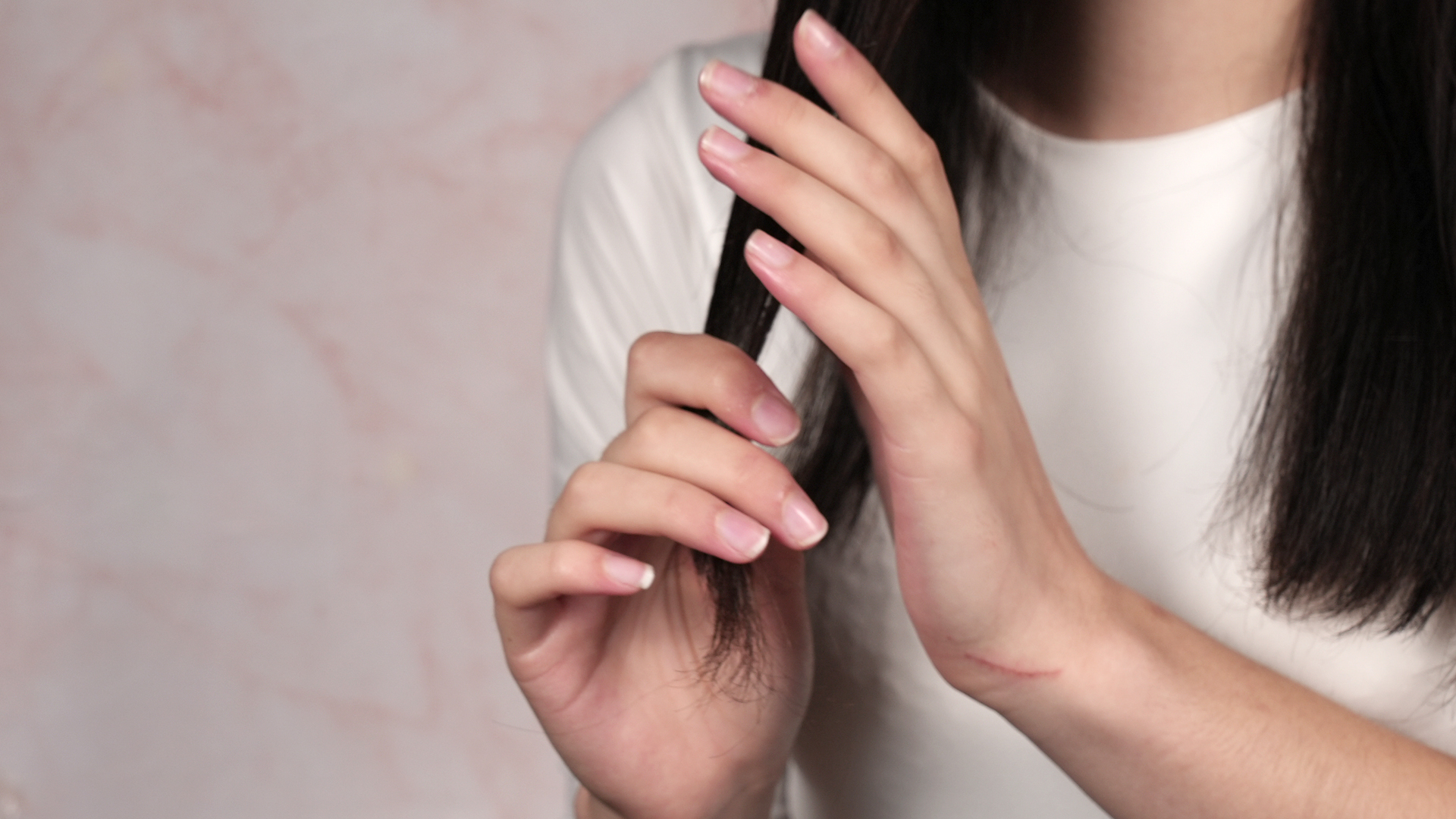
Almond oil has quietly become one of those hair-care ingredients that sounds fancy, feels luxurious, and does not require you to take out a small loan at a beauty counter. Used correctly, it can help hair look smoother, shinier, softer, and less frizzy. Used incorrectly, it can leave you looking like you lost a wrestling match with a bottle of salad dressing. The difference is technique.
This guide explains exactly how to apply almond oil to hair in 12 practical steps, whether your goal is to tame flyaways, soften dry ends, prep for shampoo day, or give your scalp a little comfort. Almond oil is not magic, and it will not glue split ends back together like a tiny botanical welder. But as a lightweight emollient rich in fatty acids and vitamin E, it can be a helpful part of a healthy hair routine when matched to your hair type and used in the right amount.
Before we begin, one important safety note: use sweet almond oil, not bitter almond oil. Sweet almond oil is the type commonly used in cosmetic and hair-care products. If you have a tree nut allergy, sensitive skin, scalp eczema, dandruff, seborrheic dermatitis, or unexplained hair loss, check with a dermatologist or allergist before applying almond oil to your scalp. Your hair deserves glow, not drama.
What Is Almond Oil, and Why Use It on Hair?
Almond oil is pressed from almonds and is widely used in skin and hair products because it acts as an emollient. In plain English, that means it helps smooth and soften. On hair, it can coat the strands, reduce friction, improve slip, and make rough or dry hair feel easier to comb. That is especially useful for people dealing with frizz, dullness, tangles, or brittle-looking ends.
Sweet almond oil is also lighter than many heavier oils, which makes it appealing for fine, wavy, curly, coily, dry, color-treated, or heat-styled hair. It does not suit everyone equally, though. Fine hair may need only a few drops. Thick, coarse, or textured hair may tolerate more. Oily scalps may prefer using almond oil only as a pre-shampoo treatment rather than as a leave-in product.
Benefits of Almond Oil for Hair
1. Helps soften dry strands
Dry hair often feels rough because the outer layer of the hair shaft is not lying smoothly. Almond oil can help reduce that rough feeling by coating the hair and improving smoothness. It is particularly helpful on the mid-lengths and ends, where natural scalp oils may not reach easily.
2. Adds shine without heavy buildup
When used sparingly, almond oil can give hair a soft, healthy-looking shine. The trick is to start with less than you think you need. Hair oil is a lot like hot sauce: easy to add, hard to take back.
3. Reduces frizz and flyaways
Frizz often happens when hair is dry, raised, damaged, or affected by humidity. A tiny amount of almond oil can smooth the surface of the hair and help flyaways behave like civilized members of society.
4. Makes detangling easier
Because almond oil improves slip, it can make combing easier, especially before shampooing or after lightly dampening the hair. Less tugging means less mechanical breakage, which is good news for anyone who has ever looked at a brush and wondered if it was secretly plotting against them.
5. Supports scalp comfort for some people
For a dry scalp, a small amount of almond oil may help soften flaky areas before shampooing. However, scalp oiling is not ideal for everyone. If your scalp is oily, itchy, inflamed, acne-prone, or dandruff-prone, use caution. Some scalp conditions can worsen when heavy products build up.
How to Apply Almond Oil to Hair: 12 Steps
Step 1: Choose high-quality sweet almond oil
Start with pure sweet almond oil, ideally cold-pressed and fragrance-free. Fragrance may smell delightful, but it can irritate sensitive scalps. Look for a product with a short ingredient list. “Prunus amygdalus dulcis oil” is the ingredient name you may see on cosmetic labels.
Avoid bitter almond oil for DIY hair treatments. Sweet almond oil is the standard cosmetic option. If the bottle looks suspicious, smells rancid, or has been sitting in a hot bathroom cabinet since the era of flip phones, replace it.
Step 2: Patch test before full application
Apply a small amount of almond oil to a discreet area of skin, such as the inner arm or behind the ear. Wait 24 to 48 hours and watch for redness, itching, burning, bumps, or swelling. This step matters even if you use “natural” products. Poison ivy is natural too, and nobody invites it to brunch.
If you have a known almond or tree nut allergy, do not experiment casually. Ask a healthcare professional first, especially before applying almond oil near your face, scalp, or broken skin.
Step 3: Decide your goal
Before applying almond oil, choose what you want it to do. For deep conditioning, use it before shampooing. For shine, use a few drops after styling. For dry ends, apply it only to the last few inches of hair. For scalp dryness, use a small amount before washing.
This prevents overuse. Almond oil is helpful, but your hair does not need to be baptized in it.
Step 4: Start with dry or slightly damp hair
Almond oil can be applied to dry hair or slightly damp hair. Dry hair makes it easier to see where the oil is going. Slightly damp hair may help distribute the oil more evenly and seal in a bit of moisture.
Avoid applying oil to soaking wet hair unless you are doing a full pre-shampoo treatment. Too much water can make the oil slide around instead of coating the strands evenly.
Step 5: Use the right amount for your hair type
The correct amount depends on length, density, and texture. For fine or short hair, start with 2 to 4 drops. For medium-length hair, try 1/4 teaspoon. For thick, curly, coily, or very dry hair, use 1/2 teaspoon to 1 tablespoon, depending on whether it is a leave-in or pre-wash treatment.
When in doubt, begin with less. You can always add more. Removing too much oil usually requires shampoo, patience, and a small speech about learning from the past.
Step 6: Warm the oil between your palms
Pour the almond oil into your palm and rub your hands together for a few seconds. This warms the oil slightly and helps it spread in a thin, even layer. You do not need to heat it in the microwave. Overheating oil can burn your skin or scalp, and nobody wants a beauty routine with a plot twist.
If you prefer a warm oil treatment, place the bottle or a small bowl of oil in warm water for a few minutes. Test the temperature on your wrist before applying.
Step 7: Apply from mid-lengths to ends first
For most people, the safest place to begin is the mid-lengths and ends. These areas are usually the driest and most damaged because they are older than the hair near your roots. Smooth the oil downward, gently sandwiching sections between your palms.
Avoid rubbing aggressively. Hair is not laundry. A gentle smoothing motion helps reduce friction and keeps the cuticle lying flatter.
Step 8: Massage lightly into the scalp if needed
If your scalp feels dry, apply a small amount of almond oil directly to the scalp using your fingertips or a dropper. Massage gently for two to five minutes using small circular motions. Do not scratch with your nails.
Scalp massage can feel relaxing and may help loosen dry flakes before washing. But if your scalp is inflamed, painful, very itchy, oily, or has dandruff, skip scalp oiling and speak with a dermatologist. Dandruff is often related to yeast and inflammation, and oils may not be the best first-line solution.
Step 9: Comb through gently
Use a wide-tooth comb or your fingers to distribute the almond oil. Start at the ends and work upward to avoid tugging. This is especially important for curly, coily, bleached, or fragile hair.
If your hair tangles easily, divide it into sections. Four sections usually work well for thick or textured hair. For fine hair, two sections may be enough.
Step 10: Let it sit for the right amount of time
For a quick shine treatment, almond oil can stay in your hair as a leave-in, but use only a tiny amount. For a pre-shampoo treatment, leave it on for 20 to 60 minutes. For very dry or coarse hair, you may leave it on longer, but overnight oiling is not necessary for everyone.
If you do leave almond oil on overnight, protect your pillowcase with a towel or wear a satin bonnet. Otherwise, your pillow may wake up looking moisturized too.
Step 11: Shampoo thoroughly
If you used almond oil as a treatment, shampoo your scalp well and let the suds run down the lengths. You may need two gentle shampoos if you used a lot of oil. Focus shampoo on the scalp, not on scrubbing the ends.
After shampooing, use conditioner on the mid-lengths and ends. Conditioner helps restore softness and makes detangling easier after cleansing.
Step 12: Adjust your routine based on results
Pay attention to how your hair behaves after almond oil. If it looks shiny, soft, and manageable, you found your amount. If it looks flat, greasy, or stringy, use less next time or apply only before shampooing. If your scalp itches or breaks out, stop using it and consider professional advice.
Hair care is personal. The best routine is not the one trending online; it is the one your hair accepts without filing a formal complaint.
Best Ways to Use Almond Oil by Hair Type
For fine hair
Use almond oil mainly on the ends. One to three drops may be enough. Apply after styling to smooth flyaways, or use a small amount before shampooing. Avoid applying oil directly to the roots unless your scalp is truly dry.
For thick hair
Thick hair can usually handle more oil. Apply almond oil in sections from the mid-lengths down. For a pre-wash treatment, use enough to lightly coat the strands without dripping.
For curly and coily hair
Curly and coily hair often benefits from oils because natural sebum has a harder time traveling down bends and coils. Use almond oil after a water-based leave-in conditioner to seal softness, or apply it before wash day to reduce tangling.
For color-treated or heat-damaged hair
Almond oil can improve softness and shine, but it cannot reverse chemical or heat damage. Use it as part of a gentle routine that includes conditioner, heat protection, limited hot-tool use, and regular trims.
Common Mistakes to Avoid
Using too much oil
The most common mistake is overapplication. Almond oil spreads easily, and a little can go a long way. If your hair looks greasy after use, reduce the amount by half next time.
Skipping the patch test
Patch testing may feel boring, but scalp irritation is much more boring in the worst possible way. Always test first if almond oil is new to you.
Applying oil before heat styling
Do not coat your hair in almond oil and then immediately use a flat iron or curling wand. Oils are not the same as heat protectants. Use a dedicated heat-protectant product before hot tools.
Expecting hair growth miracles
Almond oil may help reduce breakage by improving softness and manageability, which can make hair appear healthier over time. However, it is not a proven cure for hair loss. Sudden shedding, bald patches, scalp pain, or thinning should be evaluated by a medical professional.
How Often Should You Apply Almond Oil to Hair?
For dry or textured hair, once a week may work well as a pre-shampoo treatment. For fine or oily hair, once or twice a month may be enough. For daily shine control, use only a drop or two on the ends.
Your hair will tell you when you have overdone it. Signs include limp roots, sticky strands, dull buildup, itchy scalp, or needing extra shampoo to feel clean. If that happens, pause the oil and reset with a gentle wash routine.
DIY Almond Oil Hair Treatment Ideas
Simple almond oil pre-shampoo treatment
Apply 1 teaspoon to 1 tablespoon of sweet almond oil to the mid-lengths and ends. Leave it on for 30 minutes, then shampoo and condition as usual. This is the easiest beginner method.
Almond oil scalp massage
Apply a few drops to dry areas of the scalp. Massage gently for two to five minutes, leave on for 20 to 30 minutes, then shampoo. Use this only if your scalp tolerates oils well.
Almond oil shine finisher
Rub one or two drops between your palms and smooth over dry ends after styling. Avoid the roots. This works well when your hair looks finished but needs a little “I drink water and make good choices” shine.
Real-Life Experience: What Applying Almond Oil to Hair Actually Feels Like
The first time many people try almond oil, they make the same mistake: they use too much. It is understandable. The bottle looks harmless, the oil feels silky, and suddenly half the palm is full. Then the hair goes from “glossy goddess” to “freshly buttered toast” in under five minutes.
A better experience starts with restraint. Imagine someone with shoulder-length, slightly wavy, dry-at-the-ends hair. After washing and blow-drying throughout the week, the ends begin to look fuzzy. Instead of applying almond oil all over, they place two drops in the palm, rub both hands together, and gently press the oil into the last three inches of hair. The result is subtle: less puffiness, more shine, and ends that look smoother without losing movement.
Now picture someone with thick, curly hair on wash day. Their hair tangles easily, especially near the nape of the neck. They divide the hair into four sections and apply almond oil from mid-length to ends before shampooing. After letting it sit for 30 minutes, they wash gently and follow with conditioner. The biggest difference is not necessarily dramatic shine; it is easier detangling. The comb moves with less resistance, and fewer broken pieces appear in the sink. That is the kind of quiet victory hair-care routines are built on.
For people with dry scalp, the experience can be mixed. A small amount of almond oil massaged into dry patches before shampoo may feel soothing. But leaving oil on the scalp for too long can feel heavy or itchy for some. The lesson is simple: scalp oiling should be treated like a test drive, not a lifetime contract. Start with 20 minutes before washing, then decide whether your scalp approves.
One practical tip from real-world use is to apply almond oil before an “everything shower,” not five minutes before you need to look presentable. Oil treatments are relaxing when you have time. They are stressful when you are late, your hair is greasy, and your shampoo suddenly decides to produce only three bubbles.
Another useful experience-based lesson: almond oil works best when paired with basic hair-care discipline. It cannot compensate for scorching flat irons, harsh brushing, skipping conditioner, or towel-drying hair like you are trying to start a campfire. The best results happen when almond oil is part of a gentle routine: mild shampoo, conditioner, wide-tooth combing, heat protection, and regular trims.
People with fine hair often discover that almond oil is best as a finishing product, not a full-head treatment. One drop can smooth ends beautifully. Five drops can collapse volume like a sad soufflé. On the other hand, people with coarse or coily hair may find that almond oil disappears quickly into the routine and works better layered over a leave-in conditioner.
The smell is another advantage. Pure sweet almond oil usually has a mild, nutty scent or almost no scent at all. That makes it easier to use than heavily perfumed products, especially for people who do not want their hair to smell like a cupcake opened a flower shop.
Over time, the most realistic benefit is manageability. Hair may feel softer, look shinier, and tangle less. Breakage caused by rough handling may decrease because the strands have more slip. But almond oil should not be judged as a miracle growth serum. Its best role is supportive: it helps hair look and feel better while you protect the hair you already have.
The final takeaway from experience is this: almond oil rewards patience and moderation. Start small, apply strategically, wash thoroughly when needed, and adjust based on how your hair responds. When used with common sense, almond oil can become one of those simple bathroom-cabinet staples that quietly earns its place.
Conclusion
Learning how to apply almond oil to hair is less about complicated beauty rituals and more about using the right amount in the right place. Choose sweet almond oil, patch test first, apply mainly to the mid-lengths and ends, and use scalp oiling only if your scalp tolerates it. For many people, almond oil can help soften dry hair, reduce frizz, add shine, and make detangling easier.
The best method is usually the simplest: warm a few drops in your hands, smooth them over dry ends, or use a slightly larger amount as a pre-shampoo treatment. Keep expectations realistic. Almond oil can support healthier-looking hair, but it cannot repair split ends permanently or cure medical hair loss. Think of it as a helpful assistant, not the CEO of your entire hair journey.













