
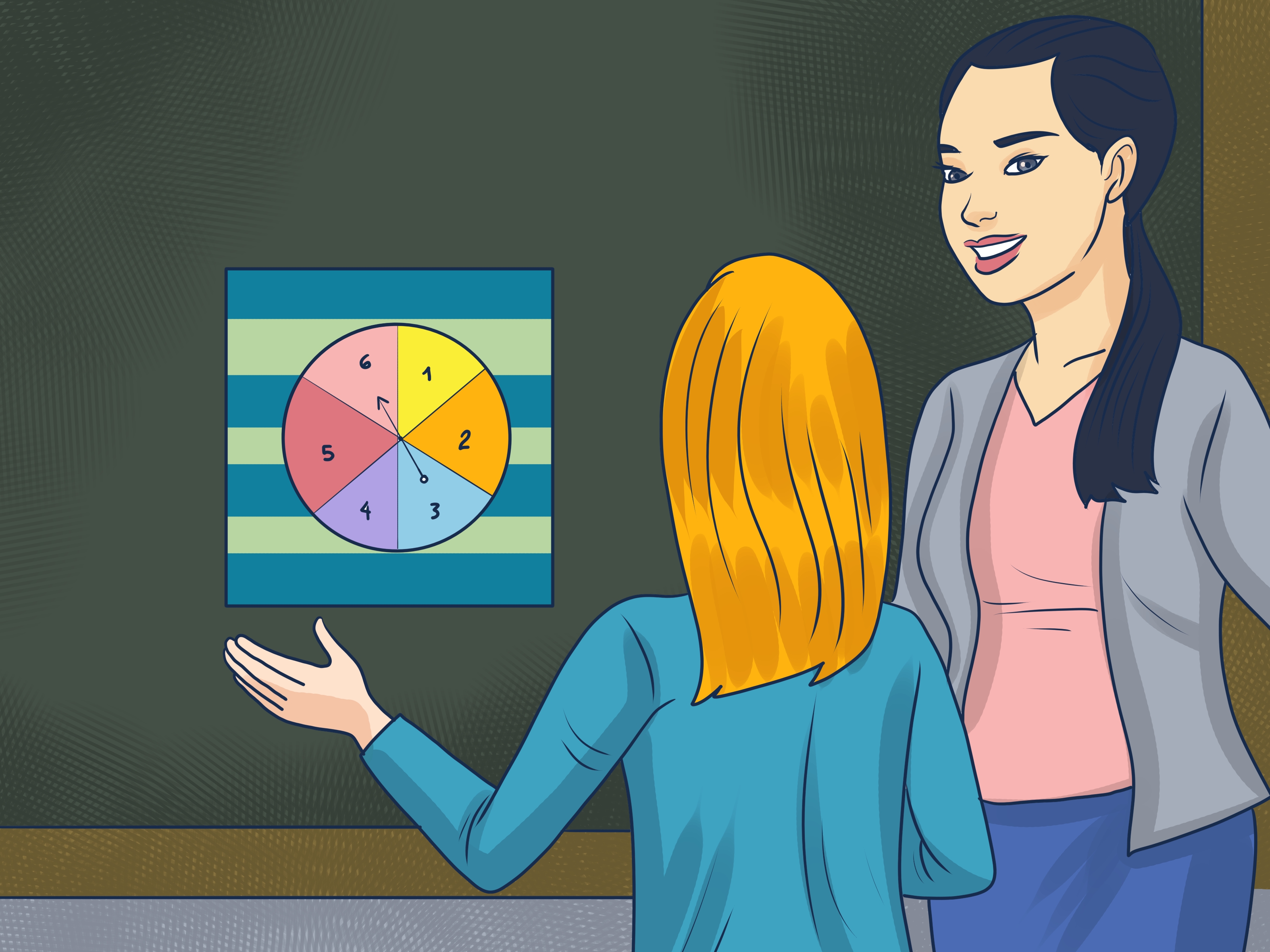
The teachers students remember most are rarely the ones who assigne young people feel seen, safe, capable, and appropriately challenged. Being loved by students does not mean becoming their best friend or lowering expectations. It means building enough trust that students will take risks, accept correction, and keep working when learning becomes difficult. Here is how to create a classroom where kindness and rigor sit at the same desk.
Being a Beloved Teacher Is Not a Popularity Contest
Teachers sometimes fear they must choose between being liked and being effective. Students, however, often appreciate adults who are warm, fair, prepared, and consistent. They may complain about a quiz or the shocking injustice of revising a paragraph, but they also notice when a teacher keeps promises and treats everyone with dignity.
The goal is not to keep every child happy every minute. That would require unlimited snacks, no deadlines, and a school day ending before lunch. The goal is to become a trusted adult who cares about students as people and cares enough about their future to teach them well. Research connects positive teacher-student relationships with stronger engagement and development, while clear classroom structure supports achievement and confidence. The winning combination is caring structure.
Research basis:
Make Every Student Feel Known
Learning names quickly matters, but connection grows through repeated signals: remembering that Maya had a soccer tournament, asking Luis about his science project, or noticing that Jordan is unusually quiet. Greet students at the door and use brief conversations during arrival, independent work, or dismissal.
Collect Information You Will Actually Use
Start with a short interest survey asking what students enjoy, what helps them learn, what makes school difficult, and what they wish teachers understood. Revisit the answers instead of filing them in the cabinet where good intentions go to nap. Use student interests in examples, reading choices, projects, and discussions. This does not mean surrendering the curriculum. It means showing students that their identities and knowledge have a place in it.
Research basis:
Create Belonging Before You Demand Bravery
Learning involves risk. Students answer before knowing whether they are right, show unfinished work, and admit confusion. A child who expects embarrassment may protect themselves by becoming silent, silly, defiant, or “too cool to care.” Treat mistakes as information rather than proof that someone does not belong.
Respond to wrong answers with curiosity: “Show me how you got there,” or “Which step felt uncertain?” Correct behavior privately when possible, and never make a student the punchline. Humor works best when students laugh with you, not when they wonder who will be targeted next. Use think time, partner talk, written responses, and structured group roles so participation is not reserved for the five fastest hands in the room.
Research basis:
Set Clear Boundaries and Keep Them Calmly
Students feel safer when expectations are understandable and predictable. Choose a small number of positively stated norms such as “Be ready,” “Be respectful,” and “Help everyone learn.” Explain what each norm looks like during discussion, independent work, transitions, group projects, and technology use.
Teach Routines Instead of Assuming Them
Demonstrate how to enter, get materials, ask for help, move into groups, and finish class. Practice, give feedback, and reteach after breaks. It can feel absurd to teach twelve-year-olds how to pass in papers, but it is less absurd than watching those papers migrate across the room like confused pigeons.
When a rule is broken, respond briefly: name the expectation, redirect the behavior, and return to teaching. Firm does not have to mean loud. Fairness also allows appropriate supports, such as visual checklists, movement breaks, or private reminders.
Research basis:
Teach Lessons Worth Paying Attention To
A charming personality cannot rescue chronically confusing instruction. Students tend to enjoy classes where they understand the goal, experience progress, and see a reason for the work. Explain what students are learning, why it matters, and what successful work looks like.
Break difficult tasks into manageable steps, model your thinking, check understanding, and adjust before half the class is academically underwater. Use retrieval questions and revisit important ideas over time rather than teaching them once and hoping they remain permanently installed.
Make Engagement Intellectual, Not Decorative
Fun is welcome, but engagement is not the same as entertainment. Debates, investigations, design challenges, and real problems can produce deeper thinking than a flashy game. Ask students to explain, compare, predict, defend, revise, or create. Relevance should deepen the lesson, not merely add a cartoon avocado to the worksheet.
Research basis:
Give Students Voice Without Giving Away the Steering Wheel
Useful choices can strengthen motivation: select one of three topics, demonstrate learning through an essay or presentation, or choose which problem to solve first. The choices should be meaningful but bounded. “Write about anything” can overwhelm students; “Choose one of these three questions” offers freedom with structure.
Ask students what helps them learn and what makes learning harder. You do not need to adopt every suggestion. A request to replace all assessments with recess may require further peer review. Still, explain what you can change, what you cannot, and why. Students respect adults who listen seriously, even when the final answer is no.
Research basis:
Use Praise and Feedback That Teach
“Good job” is pleasant but vague. Specific feedback identifies what worked: “Your evidence supports your claim,” “You tried a second strategy,” or “Your group disagreed without interrupting.” Students can repeat actions they understand.
Praise effort carefully. Effort matters, but effort without strategy becomes exhausting. Recognize revision, persistence, help-seeking, improvement, and effective choices. Pair encouragement with direction: “Your opening is clear. Now add an example.” Notice more than quick answers and high grades. Acknowledge thoughtful questions, responsible risk-taking, and classmates who help others rejoin the task. What teachers notice becomes a map of what the classroom values.
Research basis:
Correct the Behavior Without Defining the Child
There is a major difference between “You are disrespectful” and “That comment was disrespectful.” The first turns a mistake into an identity; the second identifies behavior that can change.
During conflict, lower your voice, reduce the audience, and avoid arguing with a student overwhelmed by emotion. Once everyone is calmer, ask what happened, who was affected, and what needs to happen next. Accountability should repair learning and relationships, not simply produce suffering in the name of consequences.
Reconnect afterward. A brief “Yesterday was rough, but today is a new start” prevents one bad moment from becoming the permanent story between you and the student. Restoring connection does not erase responsibility. It shows that responsibility and belonging can coexist.
Research basis:
Show Personality While Keeping Professional Boundaries
Students enjoy teachers who are recognizably human. Share your enthusiasm for astronomy, gardening, basketball, old movies, or aggressively organized pens. Tell short, relevant stories, laugh at yourself, and build harmless classroom traditions.
Warmth is not oversharing. Students should not become your emotional support team or hear intimate details they are not equipped to hold. Use humor inclusively and avoid jokes about appearance, ability, identity, family circumstances, accents, or grades. The safest teacher humor points at universal school weirdnessor at the copier, which has earned it.
Partner With Families Before Problems Appear
Send an early positive note about curiosity, kindness, improvement, or persistence. If a concern arises later, the family already knows you see more than the problem. Treat caregivers as experts on their children. Ask what motivates the student, what routines work at home, and what circumstances the school should understand.
Stay factual and solution-oriented. “I want Ana to feel confident participating” invites collaboration more effectively than “Ana lacks engagement.” Families will not always agree with you, and you will not always have the whole story. The strongest teacher-family conversation sounds less like a courtroom and more like a team meeting.
Research basis:
Protect Your Energy So Kindness Is Sustainable
Being the teacher kids love does not require being available every hour, decorating every surface, or creating a Broadway production for each lesson. Exhaustion makes patience harder and consistency shakier. Use repeatable routines, shared resources, and realistic communication windows.
Choose relationship habits you can maintain: greet students, learn one new detail about someone each day, send one positive family message each week, and conduct brief check-ins. Small actions repeated reliably matter more than one spectacular bonding activity followed by six weeks of survival mode. When a student needs more than one teacher can provide, involve counselors, special educators, behavior specialists, administrators, and families. Asking for support is responsible teaching, not failure.
A Daily Formula for Warm, Rigorous Teaching
- Welcome: Greet students and provide a predictable starting task.
- Purpose: State what students will learn and why it matters.
- Teach: Model clearly, check understanding, and adjust.
- Practice: Give meaningful work with appropriate choices.
- Notice: Offer specific feedback about learning and behavior.
- Repair: Address problems calmly and restore connection.
- Close: Ask students to retrieve or apply the key idea.
This routine will not go viral under the headline “Teacher Uses Consistent Instruction; Students Gradually Improve.” Yet dependable practice is what creates both affection and achievement.
Experiences From the Classroom: What Students Remember
Imagine two teachers giving the same difficult assignment. The first says, “You should already know this,” circles mistakes, and moves on. The second says, “This is challenging, so we will break it into three parts. I will model the first, we will try the second together, and you will attempt the third.” Both keep the same academic standard. Only one makes students believe they can reach it.
Many powerful relationship moments are almost invisible. A teacher quietly places a missing handout on a student’s desk without announcing the absence. A middle school teacher notices a child hovering outside after lunch and says, “You can come in early.” A high school teacher writes, “Your argument became stronger after revision,” rather than only recording a grade. These small actions communicate, “I see you, and your growth matters here.”
Consider a student who constantly calls out. The teacher could respond with escalating irritation until both sides become actors in a daily drama. A better approach is private and specific: “You have ideas worth hearing, but calling out makes it harder for others to think. I will pause after each question and look for your hand.” The teacher then invites the student into discussion and later says, “Thank you for waiting and building on Elena’s point.” The child receives a boundary and a path back to success.
Humor matters too. When the projector refuses to connect, a teacher might announce that it has entered its “independent learning phase,” then calmly switch to a backup plan. The class laughs, tension drops, and nobody becomes the target. That is different from teasing a student about a wrong answer, which may earn a quick laugh while reducing future participation.
Students also remember fairness during conflict. Suppose two classmates argue during group work. A thoughtful teacher does not instantly label one child the troublemaker. The teacher separates them, gathers information, names the impact, and requires repair. Each student may explain what happened, hear the other perspective, and help rebuild the group plan. Conflict has consequences, but nobody is permanently exiled from the classroom community.
One of the most meaningful experiences is the fresh start. A student may fail a test, refuse a task, or have a terrible Tuesday. The next morning, the teacher greets them normally and offers a concrete next step: “Let’s look at the first two questions together.” The response does not pretend yesterday never happened. It simply refuses to let yesterday own today.
Finally, students remember teachers who made content feel alive. A history teacher stages a town-hall debate. A math teacher asks students to design a tiny home within a budget. A science teacher challenges teams to protect a dropped object using limited materials. These lessons are fun not because they avoid learning, but because students do something purposeful with what they know.
The lesson is simple: children love teachers who combine humanity with competence. They want adults who notice them, teach clearly, keep the room safe, laugh kindly, and refuse to give up on them. The teacher students love is not the one who removes every obstacle. It is the one who stays nearby while they learn how to climb.
Conclusion: Care Enough to Teach
To become a teacher kids love, build relationships deliberately, protect belonging, explain expectations, design worthwhile lessons, listen to student voices, and correct mistakes without attacking identity. Keep standards high while making the route to success visible. Be playful without becoming careless, firm without becoming cold, and personal without losing professional boundaries.
Students may not thank you immediately. Some will roll their eyes while doing exactly what you taught them. Others may understand your impact years later while revising an important email, solving a difficult problem, or encouraging someone else not to quit. Teaching is full of delayed applause.
The deepest form of teacher popularity is not being declared “the coolest.” It is becoming the adult whose classroom students trusted enough to think, struggle, laugh, recover, and grow.














