
There is a special kind of magic in earning the trust of a cat who did not ask for your friendship, your snacks, or your entire emotional investment. One day you see a little face under the porch, behind the shed, or near the trash cans, and suddenly you are negotiating with a tiny whiskered diplomat who considers eye contact a hostile treaty violation.
Before we begin, let’s clear up one important point: most people who say “wild cat” are usually talking about a stray, feral, or community catnot an actual wild species. A stray cat may have lived with people before and might become friendly again. A feral cat was not socialized to humans and may never enjoy indoor life. A kitten, especially a young one, often has a better chance of becoming comfortable with people when handled carefully, patiently, and safely.
This guide explains how to befriend a wild cat or kitten in a humane, realistic way. The goal is not to force a cat into liking you. Cats are not software updates; you cannot click “accept” and move on. The goal is to build trust, reduce fear, protect your health, and make the best decision for the animalwhether that means adoption, fostering, veterinary care, or supporting the cat through a local Trap-Neuter-Return program.
Step 1: Identify Whether the Cat Is Stray, Feral, or a Kitten
The first step in befriending a wild cat or kitten is understanding what kind of cat you are dealing with. A stray cat may approach people, meow, make eye contact, or linger near doors. A feral cat usually avoids people, hides during daylight, and may only come out when the area feels quiet. A kitten may be scared simply because everything in the world is huge, loud, and apparently wearing shoes.
Watch before acting
Spend a few days observing the cat from a distance. Does the cat look healthy? Is the coat clean? Is one ear tipped, meaning the cat may already be spayed or neutered through a community cat program? Does the cat appear at the same time every day? Does it travel with other cats? These clues help you decide whether the cat may have an owner, a caretaker, or a colony nearby.
For kittens, be extra careful. If you find very young kittens outside, their mother may be nearby searching for food. Removing kittens too quickly can put them at greater risk unless they are sick, injured, cold, or in immediate danger. When in doubt, contact a local shelter, rescue group, or veterinarian for guidance before moving them.
Step 2: Create a Safe Feeding Routine
Food is not love, but in the cat world it is a very persuasive opening statement. Feeding a stray or feral cat at the same time and place every day teaches the cat that your presence predicts something good. Use wet cat food, dry cat food, or kitten food if the animal is young enough to need extra calories. Avoid cow’s milk, which can upset a cat’s stomach and create a backyard situation nobody requested.
Keep the feeding area clean
Place food in a quiet, sheltered spot away from busy sidewalks, dogs, traffic, and loud activity. Remove leftovers after the cat has eaten so you do not attract ants, raccoons, or the neighborhood possum who looks like he has seen things. Keep a bowl of fresh water nearby, especially in hot weather.
Do not try to touch the cat while it eats at first. Sit several feet away and let the cat decide whether your presence is tolerable. Over time, you can gradually sit a little closer. The key word is gradually. Cats notice everything, including the fact that you moved your chair six inches and are pretending you did not.
Step 3: Use Body Language That Says “I Am Not a Threat”
Cats read body language extremely well. A direct stare, fast movement, or looming posture can feel frightening to a nervous cat. Instead, sit low to the ground, turn your body slightly sideways, and avoid reaching toward the cat. Speak softly or stay quiet. Your goal is to look as uninteresting as possiblewhich, for once, is a compliment.
Try the slow blink
A slow blink is a gentle way to communicate calmness. Look toward the cat without staring, slowly close your eyes, then open them again. Some cats may slow blink back. Others may ignore you completely, because cats are masters of emotional cliffhangers.
Let the cat approach you first. If it sniffs nearby, keep your hands still. If it backs away, let it go. Trust grows when the cat learns that moving closer does not result in grabbing, chasing, or dramatic human excitement.
Step 4: Build Trust Through Consistency
Consistency is the secret ingredient in befriending a wild cat or kitten. Feed at the same time. Use the same calm voice. Sit in the same general area. Move slowly. Cats feel safer when the world becomes predictable.
For a shy stray cat, progress might look like this: first the cat eats only after you leave, then it eats while you are far away, then while you sit nearby, then it stays after eating, then it casually pretends it was always your best friend. For a feral adult cat, progress may stop at “comfortable eating while you sit nearby,” and that can still be a meaningful success.
Do not rush the timeline
Some cats soften in days. Others need weeks or months. A few may never want human touch, and that does not mean you failed. Befriending a cat is not always about turning it into a lap cat. Sometimes friendship means providing food, water, shelter, spay or neuter support, and respectful distance.
Step 5: Introduce Treats and Gentle Interaction
Once the cat reliably eats in your presence, you can add special treats. Soft treats, small bits of plain cooked chicken, or a spoonful of wet food can help create a positive connection. For kittens, some rescuers use food on a spoon to help them associate hands with good things without putting fingers too close to tiny needle teeth.
Let the cat set the pace
Offer food with your hand low and still, or place it on the ground near you. Do not wave treats around like you are conducting an orchestra. If the cat comes closer, stay calm. If the cat hisses, freezes, swats, or retreats, pause and give more space.
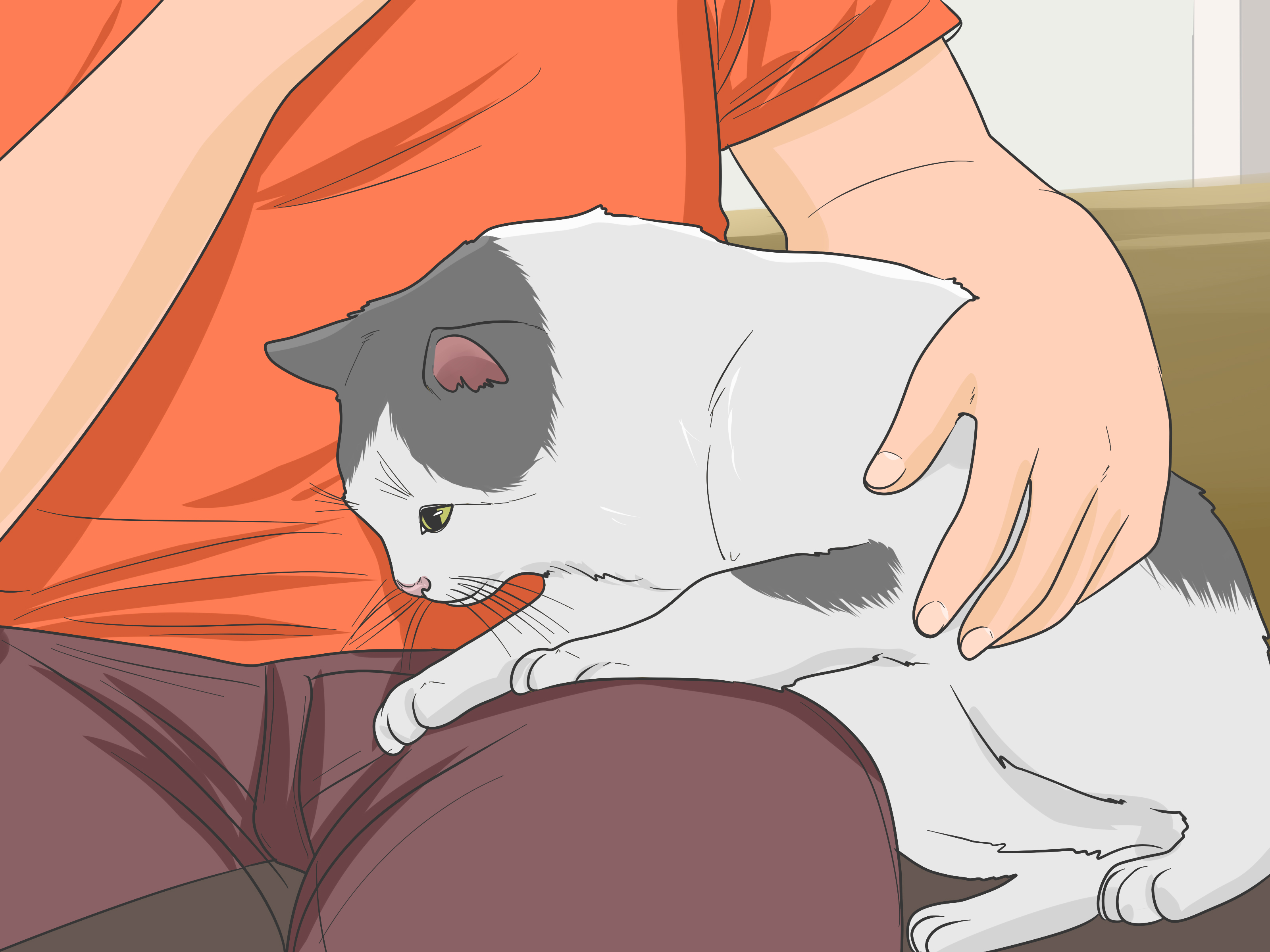
When a cat seems relaxedtail neutral, body loose, ears forward or sideways rather than pinnedyou may eventually offer one finger for sniffing. Do not reach over the cat’s head. Many cats dislike hands descending from above, especially cats who have survived outdoors. If the cat rubs against you, congratulations: you have been inspected and temporarily approved.
Step 6: Avoid Picking Up or Cornering the Cat
This is where many well-meaning people accidentally ruin weeks of progress. A frightened cat can bite or scratch when cornered, even if it is small, adorable, and shaped like a cinnamon roll. Never grab a wild cat, chase it, trap it with your hands, or force it into your arms.
Respect defensive signals
Warning signs include flattened ears, a stiff body, growling, hissing, dilated pupils, tail thrashing, and crouching low as if preparing to bolt. If you see these signs, stop interacting and give the cat space. The safest friendship is one where nobody bleeds, panics, or learns new vocabulary from the garage.
If the cat needs veterinary care, do not attempt a heroic bare-handed rescue. Contact a local rescue group, shelter, humane society, or TNR organization. They can explain safe, humane options for getting the cat help without turning your afternoon into a medical bill with whiskers.
Step 7: Know the Special Rules for Befriending a Wild Kitten
Kittens are usually easier to socialize than adult feral cats, but age matters. Very young kittens can often learn that people are safe when handled gently and consistently. Older unsocialized kittens may still make progress, but it can take more time, skill, and patience.
Start with a small, quiet space if the kitten is rescued
If a kitten has been safely brought indoors with help from a rescue or veterinarian, use a small room or large crate setup with food, water, a litter box, bedding, and hiding space. A giant open house is overwhelming. To a scared kitten, your guest bedroom is not cozy; it is a wilderness with curtains.
Spend short sessions sitting nearby. Read out loud, work quietly, or simply sit on the floor. Use meals to build trust. Offer food while you are present, then gradually reduce distance. Gentle play with wand toys can also help kittens relax because play lets them be brave without feeling trapped.
Handle with care
When the kitten is ready for touch, begin with brief, calm contact during meals or treat time. Keep sessions short and positive. If the kitten panics, slow down. Socialization should build confidence, not teach the kitten that humans are grabby furniture with opinions.
Step 8: Plan for Veterinary Care, Spay/Neuter, and TNR
Whether the cat becomes friendly or remains outdoors, veterinary care matters. Outdoor cats may need spay or neuter surgery, vaccinations, flea treatment, deworming, and evaluation for injuries or illness. For community cats who are not suitable for indoor adoption, Trap-Neuter-Return is widely used by animal-welfare groups to reduce breeding and improve colony health.
Why spay and neuter matters
Unaltered cats can reproduce quickly, which leads to more kittens born outdoors and more pressure on local shelters and rescues. Spaying and neutering also reduces mating behaviors such as roaming, fighting, and yowling. In many community cat programs, cats are also vaccinated and ear-tipped so people can recognize that they have already been through the process.
If the cat is friendly enough to become a pet, schedule a vet visit before introducing it to resident animals. Keep the new cat separated until a veterinarian checks for parasites, contagious illness, vaccination needs, and overall health. Your current pets did not sign up for mystery germs as a roommate gift.
Step 9: Decide Whether the Cat Belongs Indoors, Outdoors, or With a Rescue
The final step is choosing the kindest long-term plan. A friendly stray may adapt beautifully to indoor life. A young kitten may become adoptable after socialization and veterinary care. A truly feral adult cat may be happiest living outdoors with a responsible caretaker after TNR.
Look for signs of adoptability
A cat may be a good candidate for indoor life if it seeks attention, eats comfortably near people, allows gentle touch, uses a litter box, and recovers from stress without panic. A cat may be better suited to outdoor care if it consistently hides, avoids touch, becomes highly stressed indoors, or shows no interest in human interaction after patient effort.
There is no shame in asking for help. Local rescues, foster networks, low-cost spay/neuter clinics, and animal shelters can help you make a realistic plan. Befriending a wild cat or kitten should be about the animal’s welfare, not about winning a personal challenge titled “Can I Hug the Untouchable Goblin?”
Safety Tips Before You Befriend a Wild Cat or Kitten
Even sweet-looking cats can carry germs, parasites, or diseases, especially if they have lived outdoors. Wash your hands after feeding or handling bowls, bedding, traps, or litter. Keep children away from unknown cats unless an adult is supervising and the cat is already known to be friendly. Do not let an outdoor cat lick open cuts.
If you are bitten or scratched, wash the wound right away with soap and running water. Cat bites can become infected because their teeth create small punctures that may trap bacteria under the skin. Seek medical advice for cat bites, deep scratches, swelling, redness, pain, fever, or any possible rabies exposure. It is much better to be mildly embarrassed at urgent care than dramatically regretful at home.
Common Mistakes to Avoid
Trying to pet the cat too soon
Touch is a big deal to an unsocialized cat. Let the cat earn comfort step by step. Food, routine, and calm presence come before petting.
Feeding without a plan
Feeding helps, but feeding alone can lead to more cats if nobody is spayed or neutered. Pair feeding with a plan for TNR, veterinary care, or rescue support.
Assuming every outdoor cat is homeless
Some outdoor cats have owners or caretakers. Look for collars, ask neighbors, check local lost pet pages, and consider having a friendly cat scanned for a microchip.
Bringing a cat indoors without preparation
A scared cat loose in a house can hide in walls, behind appliances, or under furniture. Use a controlled space, speak with a rescue if needed, and schedule veterinary care before introductions.
Experience Section: What Befriending a Wild Cat or Kitten Really Feels Like
Befriending a wild cat or kitten is less like adopting a pet and more like being accepted into a secret society where the initiation ceremony involves sitting quietly near a food bowl for three weeks. At first, progress can feel invisible. You put out food, step back, and the cat waits until you leave. You wonder if the cat even knows you exist. It does. It has probably studied your shoes, your schedule, your breathing pattern, and the suspicious way you say “kitty-kitty” like a cartoon farmer.
One of the most common experiences people have is the “two steps forward, one dramatic leap backward” phase. A kitten may eat near you on Monday, then hiss on Tuesday as if you personally invented thunder. A stray cat may rub against your chair one evening and refuse to come out the next. This is normal. Outdoor cats live by caution. Their survival depends on noticing change, and humans are basically change wearing pants.
The turning point often comes quietly. Maybe the cat eats while you are still sitting nearby. Maybe it blinks slowly at you. Maybe it stops running the moment you open the door. Maybe a kitten bats at a wand toy and forgets to be afraid for ten seconds. These tiny moments matter. They are the building blocks of trust.
People who succeed with shy cats usually learn to celebrate small wins. The first relaxed meal is a win. The first sniff is a win. The first time the cat sits with its paws tucked under its body instead of crouching like a furry emergency siren is definitely a win. You may not get a cuddle right away. You may not get one ever from a truly feral adult. But you can still improve that cat’s life with food, water, shelter, and medical support.
With kittens, the experience can be both adorable and chaotic. A young wild kitten may hiss with the full confidence of a tiny dragon, then fall asleep in a blanket five minutes later. Socializing kittens requires routine, food rewards, gentle play, and calm repetition. The key is to make human presence boring in the best possible way. You want the kitten to think, “Oh, that giant creature again. It brings dinner and does not eat me. Acceptable.”
One practical lesson is that confidence grows faster when the environment is simple. A scared kitten in a whole room has too many places to hide and too many reasons to panic. A small, quiet setup makes daily care easier and helps the kitten observe you without feeling hunted. Short sessions work better than marathon bonding attempts. Ten peaceful minutes can do more than one stressful hour.
Another lesson: friendship does not always look the way humans expect. A community cat that waits for breakfast, lounges in your yard, and keeps a respectful three-foot distance may already be showing trust. Not every cat wants indoor life. Not every cat wants petting. A good caretaker learns to ask, “What does this cat need?” instead of “How do I make this cat act like my dream pet?”
The most rewarding part is seeing fear soften into choice. A cat who once hid may begin to stay visible. A kitten who once flattened its ears may start playing. A stray who once bolted may walk toward you with a tail held high. That moment feels earned because it is earned. You did not force it. You created safety, and the cat decided to believe you.
So yes, befriending a wild cat or kitten takes patience. It also takes humility, soap, a feeding schedule, and the emotional strength to be rejected by a seven-pound animal with no job. But when trust finally appears, even in a tiny way, it feels like being handed a medal by the universeexcept the medal has whiskers and may still swat you if you get too excited.
Conclusion
Learning how to befriend a wild cat or kitten starts with respect. Observe first, feed consistently, move slowly, use calm body language, and never force contact. For kittens, early and gentle socialization can make a life-changing difference. For adult feral cats, the kindest friendship may be outdoor care, spay or neuter support, vaccination, and a safe routine.
The best approach is patient, practical, and humane. You are not trying to “win” the cat. You are trying to become predictable enough that the cat can stop worrying about you. In the language of cats, that is basically a standing ovation.










