
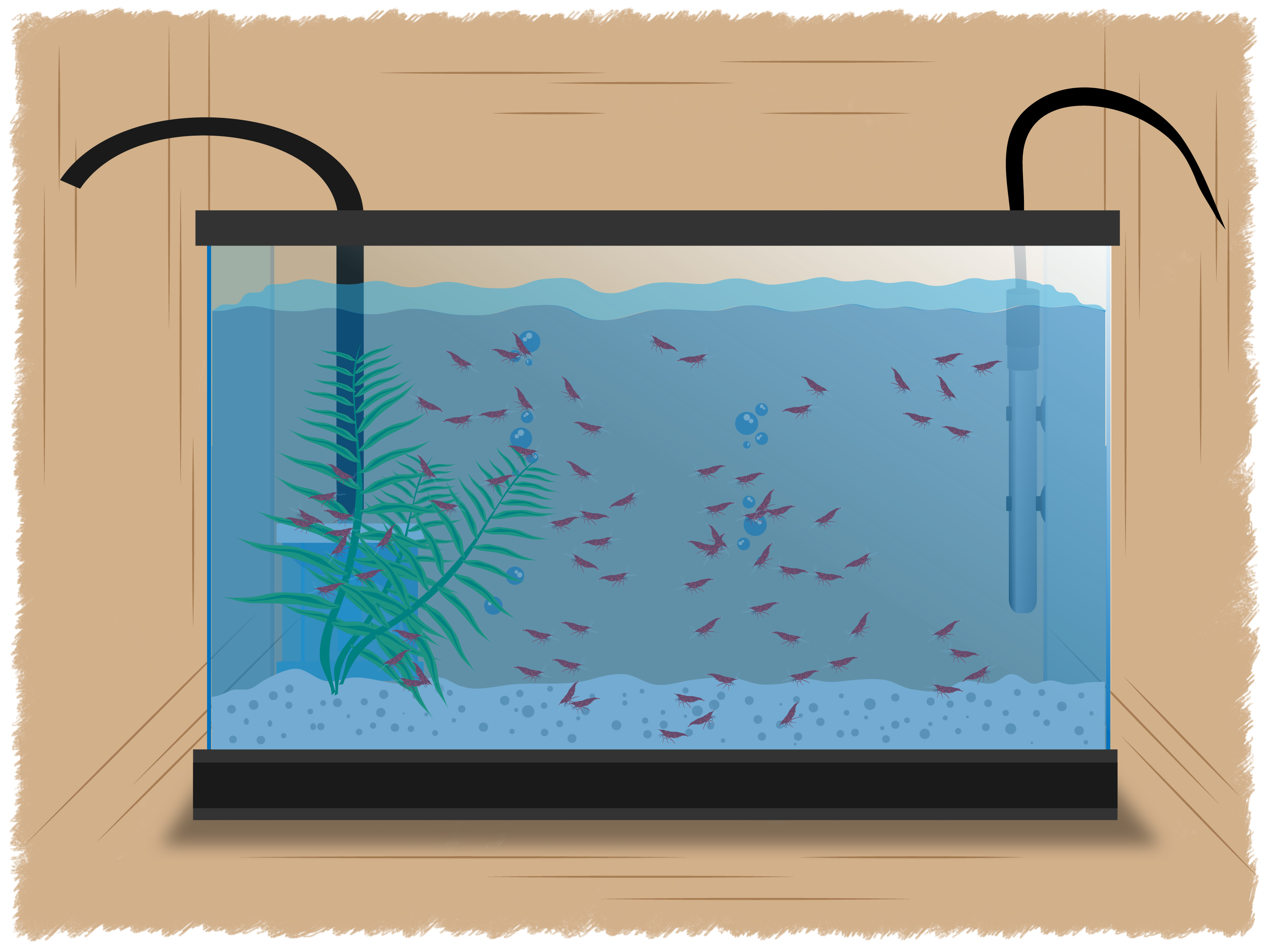
Breeding red cherry shrimp is one of the most satisfying projects in the freshwater aquarium hobby. These tiny red gems, scientifically known as Neocaridina davidi, are peaceful, active, colorful, and surprisingly productive when their basic needs are met. In other words, give them clean water, a safe tank, steady parameters, and enough food, and they may reward you with a shrimp population boom that makes your aquarium look like a tiny underwater strawberry farm.
The good news is that red cherry shrimp breeding does not require complicated equipment, saltwater stages, hormone tricks, or a secret handshake from an elite shrimp society. Unlike some aquarium shrimp, cherry shrimp reproduce entirely in freshwater. Baby shrimp hatch as miniature versions of the adults, not floating larvae, which makes raising them much easier for beginners.
Still, “easy” does not mean “ignore everything and hope for tiny shrimp confetti.” Successful breeding depends on stability. Red cherry shrimp are hardy, but they dislike sudden changes, dirty water, aggressive tankmates, and filter intakes that behave like tiny shrimp vacuums. This guide walks you through 10 simple steps to build a healthy colony from the ground up.
Step 1: Start With a Mature, Cycled Aquarium
The first rule of breeding red cherry shrimp is simple: do not rush the tank. Shrimp are sensitive to ammonia and nitrite, so a fully cycled aquarium is essential. A cycled tank contains beneficial bacteria that convert toxic waste into less harmful nitrate. Without that biological filter, shrimp may become stressed, stop breeding, or die before your colony ever gets started.
A 5-gallon tank can work for a small colony, but a 10-gallon aquarium is easier for beginners because larger water volume gives you more stability. Think of it like cooking soup: it is much easier to oversalt a teacup than a big pot. The same idea applies to shrimp tanks. Small tanks can change temperature, pH, and waste levels quickly, while larger tanks forgive small mistakes.
Best tank size for breeding cherry shrimp
For a beginner breeding setup, choose a 10-gallon planted aquarium. It is affordable, manageable, and roomy enough for adults, berried females, and shrimplets. If you want a larger colony or plan to selectively breed for deep red color, a 20-gallon long tank gives even more grazing space and stable water conditions.
Step 2: Use Shrimp-Safe Filtration
Filtration should keep the water clean without turning baby shrimp into filter snacks. Sponge filters are the classic choice for red cherry shrimp breeding because they are gentle, affordable, and safe for shrimplets. They also grow biofilm, which shrimp graze on all day like tiny lawnmowers with whiskers.
If you use a hang-on-back or canister filter, cover the intake with a sponge pre-filter. This prevents adults and babies from being sucked into the filter. It also creates another grazing surface. In a shrimp tank, any surface that grows biofilm is valuable real estate.
Recommended filtration setup
Use an air-driven sponge filter for a dedicated shrimp breeding tank. Add an air pump with a check valve, and keep the water movement gentle. Cherry shrimp like oxygen-rich water, but they do not need a river current blasting them across the aquarium like popcorn in a wind tunnel.
Step 3: Keep Water Parameters Stable
Red cherry shrimp can tolerate a fairly wide range of water conditions, but they breed best when parameters are stable. Chasing perfect numbers every day usually causes more harm than good. The goal is not to create laboratory-grade water; the goal is to avoid sudden swings.
A good breeding range for red cherry shrimp is:
- Temperature: 72–78°F
- pH: 6.8–7.6
- GH: 6–10 dGH
- KH: 2–6 dKH
- Ammonia: 0 ppm
- Nitrite: 0 ppm
- Nitrate: ideally below 20 ppm
GH, or general hardness, matters because shrimp need minerals such as calcium and magnesium for healthy molts. KH, or carbonate hardness, helps buffer pH. If your water is extremely soft, you may need to remineralize it. If your tap water already falls within a good range, do not overcomplicate things. Many successful shrimp breeders use conditioned tap water because their local water happens to suit Neocaridina.
Step 4: Add Live Plants, Moss, and Hiding Places
A planted tank is one of the easiest ways to encourage red cherry shrimp breeding. Plants improve water quality, provide shelter, and grow the microscopic biofilm that shrimp love to eat. Java moss, Christmas moss, guppy grass, hornwort, floating plants, anubias, and java fern are all useful options.
Moss is especially helpful for baby shrimp. Shrimplets are tiny, often only a few millimeters long, and they spend much of their early life hiding and grazing. Moss gives them a safe cafeteria. Adults also appreciate cover after molting, when their new exoskeleton is soft and they feel as confident as a crab wearing wet pajamas.
Simple shrimp-safe aquascape
Use fine-leaved plants, driftwood, cholla wood, Indian almond leaves, and small caves. Avoid sharp decorations. Shrimp constantly climb, graze, and squeeze into awkward places, so smooth, natural surfaces are best.
Step 5: Choose Healthy Breeding Stock
To breed red cherry shrimp, you need both males and females. Buying a group of 10 to 20 shrimp gives you a much better chance of getting a balanced mix. Juveniles can be difficult to sex, so buying a small group is smarter than trying to pick one perfect pair.
Female red cherry shrimp are usually larger, rounder, and more colorful. Mature females may show a yellow or greenish “saddle” behind the head, which is a cluster of developing eggs in the ovaries. Males are typically smaller, slimmer, and less intensely colored. Once females molt and release pheromones, males may swim around the tank excitedly looking for them. This sudden male zooming behavior is often a sign that breeding activity is happening.
For strong color, choose the reddest, healthiest shrimp you can find. If possible, buy tank-bred shrimp from a reliable breeder or local aquarium store. Shrimp already raised in aquarium conditions often adapt better than stressed imports.
Step 6: Acclimate Shrimp Slowly
Cherry shrimp dislike sudden changes in temperature, pH, and mineral content. Slow acclimation helps them adjust to your aquarium water without shock. Drip acclimation is the most popular method.
Place the shrimp and their shipping water in a clean container. Use airline tubing to slowly drip tank water into the container for one to two hours. Once the water volume has doubled or tripled, gently net the shrimp and place them into the aquarium. Avoid pouring store or shipping water into your tank.
Acclimation tip
Turn off bright lights during acclimation and for a few hours after introducing the shrimp. Dim conditions reduce stress and encourage them to explore instead of hiding like they owe rent.
Step 7: Feed a Varied Diet Without Overfeeding
Red cherry shrimp are omnivorous grazers. They eat biofilm, algae, detritus, leftover fish food, blanched vegetables, algae wafers, shrimp pellets, and specialized shrimp foods. A varied diet supports growth, molting, egg production, and strong color.
Good foods include high-quality shrimp pellets, spirulina-based foods, blanched zucchini, spinach, kale, nettle, mulberry leaves, and small amounts of protein-rich food. Calcium-rich foods can help support healthy shells, but minerals in the water are even more important for molting.
Feed lightly. In a mature planted tank, shrimp already find plenty to graze on. Add only what they can finish within a few hours. Remove leftovers before they rot. Overfeeding is one of the fastest ways to ruin water quality, and shrimp do not appreciate living in soup.
Step 8: Encourage Breeding With Safety and Consistency
Once your shrimp are mature, comfortable, and well-fed, breeding usually happens naturally. Red cherry shrimp can reach breeding age within a few months. After mating, the female carries fertilized eggs under her abdomen, attached to her swimmerets. At this stage she is called “berried.”
Berried females fan their eggs to keep them clean and oxygenated. Depending on temperature and conditions, eggs often hatch in about two to four weeks. Warmer water can speed development, while cooler water slows it down. However, do not raise temperature too high just to force faster breeding. Higher temperatures can increase metabolism and reproduction, but they may also reduce oxygen and shorten lifespan.
How to tell if eggs are close to hatching
As eggs develop, you may see tiny dark eye spots inside them. This is a good sign that shrimplets are nearly ready. When they hatch, they look like miniature adults and immediately begin grazing on biofilm.
Step 9: Protect Baby Shrimp
Baby red cherry shrimp are extremely small and vulnerable. The best way to raise them is to provide safe hiding places and avoid hungry tankmates. Even peaceful fish may eat shrimplets because, to a fish, a baby shrimp looks suspiciously like a delicious moving comma.
For maximum survival, use a shrimp-only tank. If you want tankmates, choose carefully. Snails are usually safe. Small peaceful fish may coexist with adults, but they will likely reduce baby survival. Avoid bettas, gouramis, cichlids, large tetras, barbs, and anything with a mouth big enough to treat shrimp as tapas.
Do not vacuum the substrate aggressively when shrimplets are present. Instead, use a turkey baster or small siphon with a mesh guard. Baby shrimp hide in mulm, moss, and leaf litter, so clean gently.
Step 10: Maintain the Colony and Improve Color
Once your colony grows, maintenance becomes the secret to long-term success. Perform small, regular water changes of about 10–20% weekly or every other week, depending on your tank size, stocking level, and nitrate readings. Match temperature and parameters as closely as possible when adding new water.
Over time, some offspring may appear paler or more transparent. This is normal. Red cherry shrimp are selectively bred from wild-type shrimp, and color intensity varies. To maintain a deep red colony, remove pale shrimp and keep your best red individuals as breeders. This process is called culling. It does not have to be cruel; many hobbyists move lower-grade shrimp to a separate tank or trade them with other aquarists.
Avoid mixing different Neocaridina color morphs, such as red, blue, yellow, and orange, in the same breeding tank. They can interbreed, and future generations often revert toward wild-type brown or clear coloration. If your goal is a beautiful red colony, keep only red cherry shrimp in the breeding line.
Common Red Cherry Shrimp Breeding Problems
No berried females
If your shrimp are not breeding, check age, sex ratio, food, temperature, and water stability. A tank with only males will be peaceful but unproductive. A tank with unstable parameters may keep shrimp alive but not comfortable enough to reproduce.
Females drop eggs
New females sometimes drop their first batch of eggs. Stress, poor water quality, sudden parameter changes, or lack of experience can cause this. If the tank is stable, many females succeed on later attempts.
Molting deaths
Failed molts often point to mineral imbalance, unstable water, or poor nutrition. Test GH and KH, avoid huge water changes, and provide a varied diet. Leave molts in the tank unless they are covered in fungus or clearly rotting; shrimp often eat them to recover minerals.
Shrimplets disappear
If adults are healthy but babies vanish, suspect fish predation, filter intake problems, or lack of hiding places. Add moss, sponge pre-filters, leaf litter, and consider moving the colony to a shrimp-only tank.
Extra Experience: Practical Lessons From Breeding Red Cherry Shrimp
One of the biggest lessons in breeding red cherry shrimp is that stability beats perfection. Beginners often look for the exact magic pH, the perfect temperature, or the one legendary food that turns a shrimp tank into a baby factory overnight. In practice, the best colonies usually come from simple routines. The tank is cycled. The water is consistent. Food is modest. Plants are growing. Nobody is poking around every five minutes like a detective at a crime scene.
A useful approach is to keep a small notebook or digital log. Record water change dates, temperature, pH, GH, KH, nitrate, feeding changes, and when you first see saddled or berried females. After a month or two, patterns become obvious. Maybe your shrimp breed more after small water changes. Maybe they hide after large ones. Maybe they ignore an expensive food but swarm a blanched spinach leaf like it is a shrimp holiday buffet. These observations help you improve the tank without guessing.
Another practical tip is to resist overcleaning. Many new shrimp keepers want the aquarium to look spotless, but shrimp love mature surfaces. Biofilm grows on glass, wood, leaves, sponge filters, and plant stems. That invisible layer is a major food source, especially for shrimplets. A shrimp tank should be clean in terms of water quality, but it does not need to be sterile. A little mulm in the moss is not failure; it is often a nursery.
When feeding, less is usually more. If shrimp rush to the food and finish it quickly, you are probably on the right track. If food sits for hours, reduce the amount. Overfeeding can cause bacterial blooms, planaria, hydra, and poor water quality. A thriving shrimp colony should spend most of the day grazing naturally, not waiting for a buffet tray to land from the sky.
Patience matters. A new colony may take several weeks to settle in before breeding begins. Shrimp often hide after shipping or relocation. Once they feel safe, females mature, molt, mate, and carry eggs. The first time you spot a berried female, avoid the temptation to rearrange the tank for a better view. Let her do her job. She knows more about carrying shrimp eggs than we do.
For color improvement, start selective breeding early but gently. Move pale shrimp to a separate “cull tank” if you want to maintain high-grade red coloration. Feed quality foods, use dark substrate to help colors stand out, and keep stress low. Remember that color can change with age, mood, diet, lighting, and background. A shrimp that looks dull in a bare tank may glow beautifully in a planted aquarium with dark substrate.
Finally, have a plan for population growth. A healthy red cherry shrimp colony can expand quickly. Extra shrimp can be shared with friends, sold locally, traded at aquarium clubs, or moved into another tank. Never release aquarium shrimp into natural waterways. Responsible breeding protects local ecosystems and keeps the hobby healthy.
Conclusion
Breeding red cherry shrimp is simple when you focus on the fundamentals: a cycled tank, safe filtration, stable water, live plants, quality food, and peaceful surroundings. You do not need fancy equipment or complicated tricks. You need patience, consistency, and the ability to stop yourself from “fixing” a tank that is already working.
Set up a mature planted aquarium, add a healthy group of red cherry shrimp, feed lightly, protect babies, and let nature handle the tiny details. Before long, you may see berried females, then shrimplets, then a lively red colony grazing across the tank. It is peaceful, colorful, and oddly addictive. Consider yourself warned: one shrimp tank often becomes two.














