
Building your own fishing pond sounds wonderfully simple at first: dig a hole, add water, toss in fish, wait for your future trophy bass to pose for photos. Unfortunately, fish are rude enough to require oxygen, stable water levels, proper habitat, good soil, smart drainage, and a pond design that does not turn into a muddy cereal bowl after the first thunderstorm.
The good news? A well-built fishing pond can become one of the most rewarding features on rural land, a small farm, or a large private property. It can provide family recreation, wildlife habitat, irrigation backup, fire protection water, scenic value, and a peaceful place to stand with a fishing rod while pretending you are “checking the property.”
This guide explains how to build a fishing pond from planning to maintenance, using practical recommendations drawn from U.S. pond construction, fisheries, and extension guidance. The goal is not just to make a pond that holds water. The goal is to build a healthy, manageable, fish-friendly pond that can keep producing good fishing for years.
Start With the Big Question: What Is the Pond For?
Before you move one scoop of dirt, define the pond’s main purpose. A fishing pond designed for largemouth bass and bluegill is not exactly the same as a decorative koi pond, a livestock water pond, or a stormwater basin. One pond can serve several purposes, but every extra purpose adds design decisions.
Common Goals for a Private Fishing Pond
Most landowners want one or more of the following:
- Recreational fishing for bass, bluegill, catfish, or other species
- A family-friendly outdoor space
- Wildlife habitat for birds, frogs, insects, and deer
- Improved property value and landscape appeal
- Water storage for irrigation or fire protection
- A quiet escape from email, errands, and that one neighbor with the leaf blower
Your pond goals affect size, depth, shoreline shape, stocking plan, water quality strategy, and budget. A pond built for balanced sport fishing needs enough surface acreage, the right depth, stable banks, controlled runoff, and a well-planned fish community.
Step 1: Choose the Right Site
Site selection is the difference between a pond that becomes a favorite fishing spot and a pond that becomes an expensive mosquito motivational seminar. The best location has reliable water supply, suitable soil, safe drainage, and enough space for construction equipment and future maintenance.
Look for a Natural Drainage Area
Many fishing ponds are built by capturing surface runoff from a watershed. The watershed is the land area that drains toward the pond after rain. If the watershed is too small, the pond may not fill or may drop too low during dry weather. If it is too large, heavy storms may overload the pond, erode the spillway, or wash muddy water and nutrients into your fish habitat.
A good pond site often sits in a shallow valley or low area where runoff naturally collects. However, “low” does not automatically mean “good.” Avoid wetlands, streams, floodplains, unstable soils, or areas with legal restrictions unless you have proper permits and professional guidance.
Test the Soil Before You Dig
Soil is the pond’s natural liner. Clay-rich soils usually hold water better than sand, gravel, or fractured rock. If the site has loose, sandy, or highly permeable soil, the pond may leak faster than a toddler with a juice box.
Before construction, dig test holes or hire a qualified professional to evaluate the soil. A pond contractor, soil scientist, engineer, or local conservation office may help determine whether the site has enough clay or whether the pond will need sealing with compacted clay, bentonite, or another approved method.
Avoid Polluted Runoff
Do not place a fishing pond where runoff will carry pesticides, fertilizers, manure, road salt, septic drainage, or heavy sediment into the water. Nutrient-rich runoff can trigger algae blooms and aquatic weed problems. Muddy water reduces sunlight penetration and can interfere with fish feeding and spawning.
A buffer strip of grass and native vegetation around the pond helps filter runoff before it reaches the water. Think of it as the pond’s mustache: it catches things before they get in the mouth.
Step 2: Check Permits, Rules, and Professional Requirements
Private pond construction may involve local zoning, dam safety rules, water rights, stormwater regulations, wetland protection, erosion control requirements, and Clean Water Act permitting. Requirements vary by state, county, watershed, pond size, dam height, and whether construction affects wetlands or waterways.
Before building, contact your county planning office, state environmental agency, local conservation district, and the USDA Natural Resources Conservation Service office in your area. If the project affects wetlands, streams, or other regulated waters, the U.S. Army Corps of Engineers may also be involved.
Why Permits Matter
Skipping permits can create expensive problems: stop-work orders, fines, forced restoration, insurance issues, or a pond you cannot legally maintain. More importantly, poor pond placement can damage downstream property, wetlands, roads, or neighboring land. A pond is peaceful when finished, but during a storm, it becomes a hydraulic structure. Water does not care about optimism.
Step 3: Design the Pond for Fishing, Not Just for Looks
A fishing pond should be designed for fish survival, angler access, shoreline stability, and long-term maintenance. A pretty pond that is too shallow, weedy, or leaky will not produce good fishing for long.
Recommended Pond Size
For a balanced warmwater fishery, a pond of at least one-half acre is often easier to manage than a tiny pond. Smaller ponds can still support fish, especially channel catfish or hybrid sunfish, but they require closer management. Larger ponds generally provide more stable water temperatures, better dissolved oxygen patterns, and more room for predator-prey balance.
If your goal is bass and bluegill fishing, plan enough surface area to support both forage fish and predator fish. Fish are usually stocked based on pond surface acreage, not on how dramatically you describe the pond to visitors.
Recommended Pond Depth
Many recreational fishing ponds perform well with an average depth of about 6 to 8 feet, with some deeper areas for drought protection and winter refuge. Shallow edges are useful for spawning and habitat, but too much shallow water can encourage aquatic weeds.
Avoid creating large areas less than 2 or 3 feet deep unless they are intentional habitat shelves. A pond that is shallow everywhere warms quickly, grows weeds enthusiastically, and may suffer oxygen stress. Fish enjoy comfort. They do not enjoy living in warm soup.
Shoreline Slopes
Stable shoreline slopes reduce erosion and make the pond safer and easier to maintain. Gentle slopes are useful in selected access areas, but overly shallow slopes around the whole pond can create weed-filled margins. A common approach is to design banks that drop quickly enough to reduce weed growth while still avoiding dangerous, unstable edges.
Include at least one safe access point for fishing, maintenance, and emergency use. If children or guests will visit the pond, safety should be part of the design from day one.
Step 4: Plan the Dam, Spillway, and Outlet
If your pond uses a dam or embankment, this is not the place for guesswork. A pond dam must be properly designed, compacted, stabilized, and protected from erosion. Poorly built dams are one of the biggest reasons private ponds fail.
The Dam
The dam should be built with suitable soil, placed in thin layers, and compacted properly. Organic matter, roots, stumps, trash, and loose topsoil do not belong in the dam. The foundation must be prepared so water cannot easily seep underneath or around the structure.
Many pond dams include a core trench, which is a compacted clay barrier keyed into the foundation. This helps reduce seepage. The details depend on soil, slope, pond size, and local engineering standards, so professional design is strongly recommended.
The Principal Spillway
The principal spillway or outlet controls the normal water level. It may include a pipe through the dam, an inlet structure, anti-seep collars, trash racks, valves, or other components. The outlet must be sized and installed correctly to handle normal flows without eroding the dam.
The Emergency Spillway
The emergency spillway safely carries excess stormwater around the dam when heavy rain exceeds normal outlet capacity. This feature is not optional decoration. It is the pond’s “please do not destroy the dam” system.
A well-designed emergency spillway is broad, stable, protected with vegetation or other erosion control, and located where overflowing water will not damage the dam, roads, buildings, or neighboring property.
Step 5: Excavate and Shape the Pond Basin
After permits, design, and contractor selection are complete, excavation can begin. For most fishing ponds, this is a job for experienced equipment operators, not a weekend shovel party. Heavy equipment, unstable banks, and waterlogged soils can be dangerous.
Remove Trees, Brush, and Topsoil
Clear the pond basin of trees, stumps, brush, and organic debris. Organic material decomposes under water and can contribute to water quality problems. Save suitable topsoil for final grading and grass establishment around the pond, but do not bury it in the dam.
Create Bottom Contours
A pond bottom does not need to be perfectly smooth. In fact, some contour is helpful. Build deeper channels, gradual shelves, points, humps, and spawning areas where appropriate. Fish relate to structure, shade, depth changes, and cover.
However, avoid leaving random sharp drop-offs, unstable holes, or underwater hazards near swimming or access areas. The goal is fish habitat, not a submarine obstacle course.
Add Fish Habitat Before Filling
The best time to place fish habitat is before the pond fills. Consider adding rock piles, gravel spawning beds, brush piles, anchored cedar trees, wooden stake beds, or commercial fish attractors. Place habitat at different depths so fish have options as water temperatures change.
Do not overdo it. Cover should improve fishing, not make every cast feel like you are donating lures to the underwater museum.
Step 6: Stabilize Banks and Control Erosion
Once construction is complete, stabilize exposed soil immediately. Seed the dam, spillway, banks, and disturbed areas with an appropriate grass or native vegetation mix for your region. Mulch may help reduce erosion while vegetation becomes established.
Erosion control is not glamorous, but it is one of the best investments you can make. Sediment reduces pond depth, muddies water, smothers spawning areas, and carries nutrients that feed weeds and algae.
Build a Vegetated Buffer
Maintain a grass or native plant buffer around the pond. A good buffer filters sediment and nutrients, discourages geese from treating your shoreline like a buffet, and creates habitat for pollinators and beneficial wildlife.
Keep large trees off the dam. Tree roots can create seepage paths, and fallen trees can damage the embankment. Trees around non-dam shorelines may be acceptable where they do not interfere with access or stability.
Step 7: Fill the Pond the Smart Way
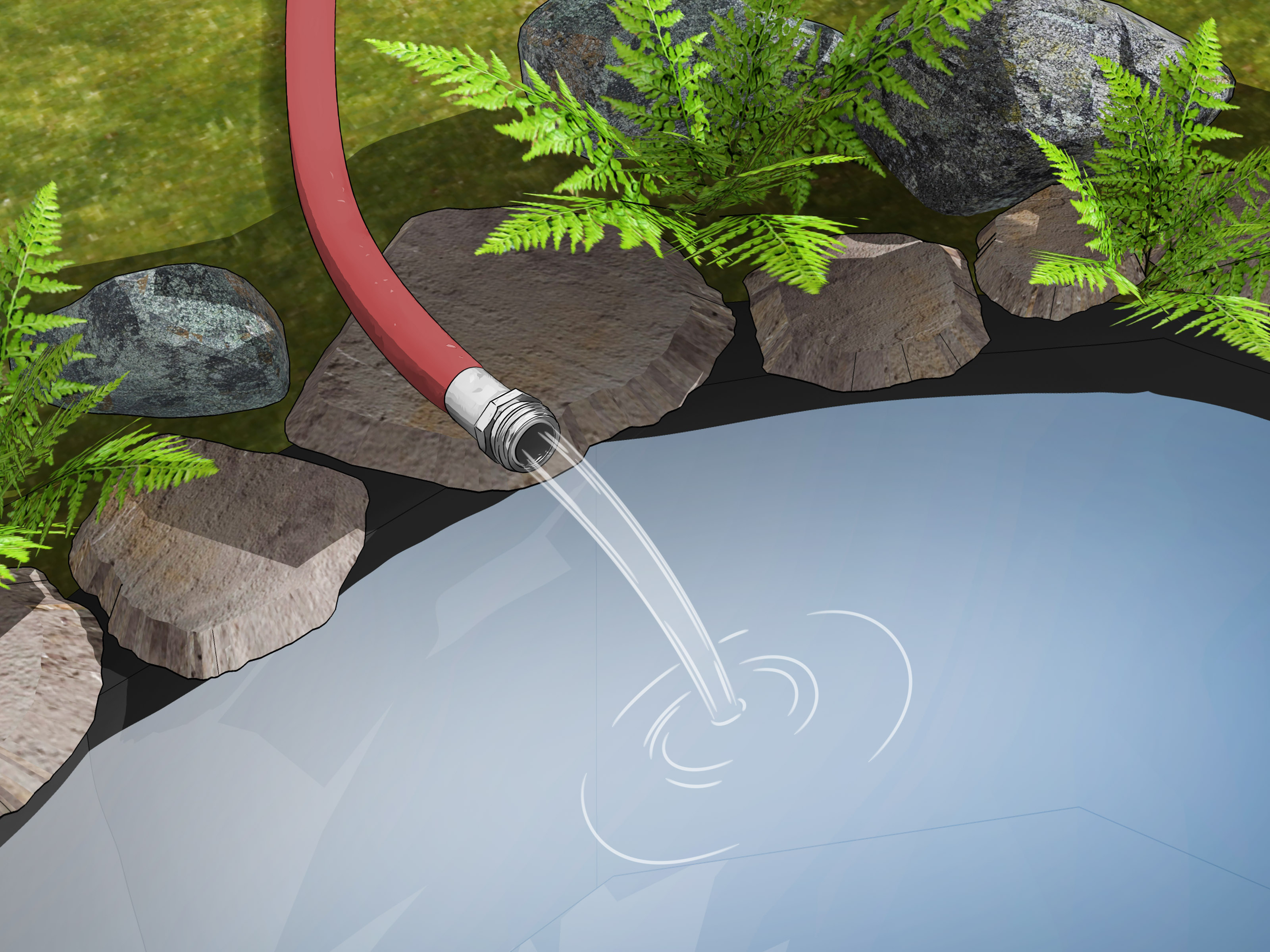
After construction, the pond may fill naturally with rainfall and runoff. Depending on climate, watershed size, and season, this may take weeks or months. Do not rush to stock fish before the pond has enough stable water volume and acceptable water quality.
New ponds can become muddy if bare soil remains exposed or if runoff enters too quickly. Stabilizing the watershed, controlling erosion, and waiting for water clarity to improve will make the fish stocking phase much more successful.
Step 8: Test Water Quality
Healthy fish need suitable water chemistry. Before stocking, test basic water quality factors such as pH, alkalinity, hardness, and dissolved oxygen if possible. Many extension offices, conservation districts, pond consultants, or fisheries professionals can advise on local testing options.
Important Water Quality Factors
- pH: Most pond fish prefer a moderate range, not highly acidic or highly alkaline extremes.
- Alkalinity: Helps stabilize pH and supports plankton productivity.
- Dissolved oxygen: Essential for fish survival, especially in summer and under ice in colder regions.
- Clarity: Extremely muddy water can limit fish production and plant balance.
- Nutrients: Too few nutrients can limit productivity; too many can trigger algae and weed problems.
If lime, fertilization, aeration, or other treatments are needed, base them on test results and local recommendations. Randomly throwing products into a pond is not management; it is aquatic gambling with worse snacks.
Step 9: Stock the Right Fish at the Right Time
Fish stocking should follow a plan. The common warmwater combination in many parts of the United States is largemouth bass, bluegill, and sometimes redear sunfish or channel catfish. The exact species, stocking rates, and timing depend on region, pond size, goals, and local regulations.
Why Stocking Order Matters
For bass-bluegill ponds, forage fish are often stocked first so they can reproduce and build a food base before predator fish are added. If bass are stocked too early or in the wrong numbers, they may not have enough prey. If bluegill overpopulate without enough predators, growth can become stunted.
Buy fish from reputable hatcheries and avoid moving fish from wild waters. Wild fish may introduce disease, parasites, invasive species, or unwanted fish such as carp, bullheads, or green sunfish. One bucket of mystery fish can undo a lot of careful pond planning.
Do Not Overstock
More fish does not automatically mean better fishing. Overstocking can lead to slow growth, poor body condition, oxygen stress, and unbalanced populations. Follow region-specific stocking recommendations from your state extension service, fish and wildlife agency, or pond consultant.
Step 10: Manage the Pond After the First Fish Go In
A fishing pond is not finished when it fills with water. That is when management begins. The best private ponds are inspected regularly, harvested wisely, and adjusted as conditions change.
Keep Fishing Records
Track what you catch, including species, length, weight, harvest, and release. Fishing records reveal whether the pond is balanced. For example, too many small bass may suggest overcrowded predators. Too many thin bluegill may suggest inadequate predation or poor forage balance.
Harvest Fish Strategically
Harvest rules vary by pond goal. A trophy bass pond, a family bluegill pond, and a catfish pond need different harvest strategies. Do not assume catch-and-release is always best. In some ponds, selective harvest is necessary to keep fish populations healthy.
Watch Aquatic Plants
Aquatic vegetation is not automatically bad. Moderate plant growth provides cover, oxygen, habitat, and food chain support. But excessive weeds can interfere with fishing, reduce oxygen at night, and make the pond look like it is trying to become a salad.
Identify plants before treating them. Mechanical removal, shading, nutrient control, biological options, and approved herbicides may all play a role, but the right solution depends on the plant species and pond conditions.
Common Mistakes to Avoid When Building a Fishing Pond
Building Too Shallow
Shallow ponds are cheaper to dig but harder to manage. They warm quickly, grow more weeds, lose more water to evaporation, and may not protect fish during drought or extreme temperatures.
Ignoring the Watershed
A pond is only as healthy as the land draining into it. Bare soil, fertilized lawns, livestock access, construction areas, and eroding ditches can all send problems downhill.
Letting Livestock Damage the Banks
If livestock need water, use fencing and controlled access points or alternative watering systems. Animals walking freely around the pond can trample banks, muddy the water, and add nutrients.
Skipping Professional Design
A small decorative pond may be a do-it-yourself project. A fishing pond with a dam, spillway, watershed, and stocked fishery is often better handled with professional help. A good contractor or engineer costs money. A failed dam costs more money and usually arrives with a headache.
Approximate Budget Factors
The cost to build a fishing pond varies widely. Factors include pond size, soil type, dam height, excavation volume, liner or sealing needs, permits, engineering, clearing, fish habitat, access roads, spillways, and final landscaping.
A simple pond on a naturally suitable site may cost far less than a pond requiring major excavation, imported clay, drainage structures, or wetland permitting. When comparing bids, make sure each contractor is pricing the same scope of work. The cheapest bid is not always the cheapest pond.
Maintenance Checklist for a Healthy Fishing Pond
- Inspect the dam and spillway after major storms.
- Keep trees and woody brush off the dam.
- Repair erosion quickly.
- Maintain grass cover on banks and disturbed soil.
- Test water quality when fish growth or clarity changes.
- Track fish catches and harvest.
- Control excess nutrients entering the pond.
- Remove trash, debris, and clogged spillway screens.
- Watch for signs of leaks, muskrat damage, or bank collapse.
- Review stocking and harvest plans every year.
Real-World Experience: What Building a Fishing Pond Teaches You
One of the first lessons of building a fishing pond is that dirt has opinions. On paper, a pond plan may look clean, symmetrical, and almost relaxing. Then the excavator opens the first cut and the soil reveals clay in one place, sand in another, an old root mass where nobody expected it, and a rock that seems personally committed to delaying the project. That is why experienced pond builders spend so much time studying soil before construction begins.
Another practical lesson is that water always wins arguments. If runoff naturally wants to move through a valley, across a field road, or around the side of a dam, it will keep trying until the design gives it a safe path. Many first-time pond owners focus on the hole that holds the water, but the real success often comes from what happens around the pond: the watershed, grass cover, spillway, outlet pipe, and erosion control.
Stocking fish also teaches patience. It is tempting to stock larger fish immediately because everyone wants instant fishing stories. But a pond is a food web, not a vending machine. Forage fish need time to reproduce. Bass need prey. Bluegill need spawning habitat. Water quality needs to stabilize. The first year may feel slow, but a patient stocking plan often produces better fishing than rushing the process.
Many pond owners also learn that clear water is not always the same as healthy water. Slightly green water can indicate plankton productivity, which supports the food chain. Crystal-clear water may look beautiful but may also mean low fertility in some ponds. On the other hand, muddy brown water can limit production and signal erosion, livestock disturbance, or suspended clay. The trick is learning what your pond’s color is telling you instead of judging it like a swimming pool.
Maintenance becomes part of the rhythm of ownership. After heavy rain, you walk the dam. In spring, you check vegetation. In summer, you watch for low oxygen stress, algae issues, or dropping water levels. In fall, you review fishing records and decide what to harvest. A pond is not needy in the way a houseplant is needy, but it does appreciate attention. Ignore it for years, and it may respond with weeds, leaks, stunted fish, or a shoreline that slowly relocates itself.
The best experience, of course, is the first successful fishing day. Maybe it is a kid catching a bluegill near the dock. Maybe it is a bass hitting a lure near a brush pile you placed before the pond filled. Maybe it is just a quiet evening with frogs calling and the water reflecting the sky. At that moment, all the planning, permits, soil tests, muddy boots, and budget conversations feel worth it.
Building your own fishing pond is not just a construction project. It is a long-term relationship with land, water, fish, weather, and patience. Build it carefully, manage it consistently, and it can become one of the most useful and enjoyable features on your property.
Conclusion
Learning how to build your own fishing pond starts with good planning and ends with ongoing management. Choose the right site, test the soil, understand permit requirements, design proper depth and drainage, build a safe dam and spillway, stabilize the banks, test the water, stock fish wisely, and manage the pond every year.
A successful fishing pond is never just a hole with water. It is a living system. When you build it right, stock it right, and fish it right, it can provide years of recreation, wildlife value, and quiet satisfaction. And yes, it also gives you a perfectly valid excuse to buy another fishing rod. For pond management purposes, obviously.
Note: This HTML contains only the body section and is written as original, publication-ready American English content based on reputable U.S. pond construction and extension guidance.













