
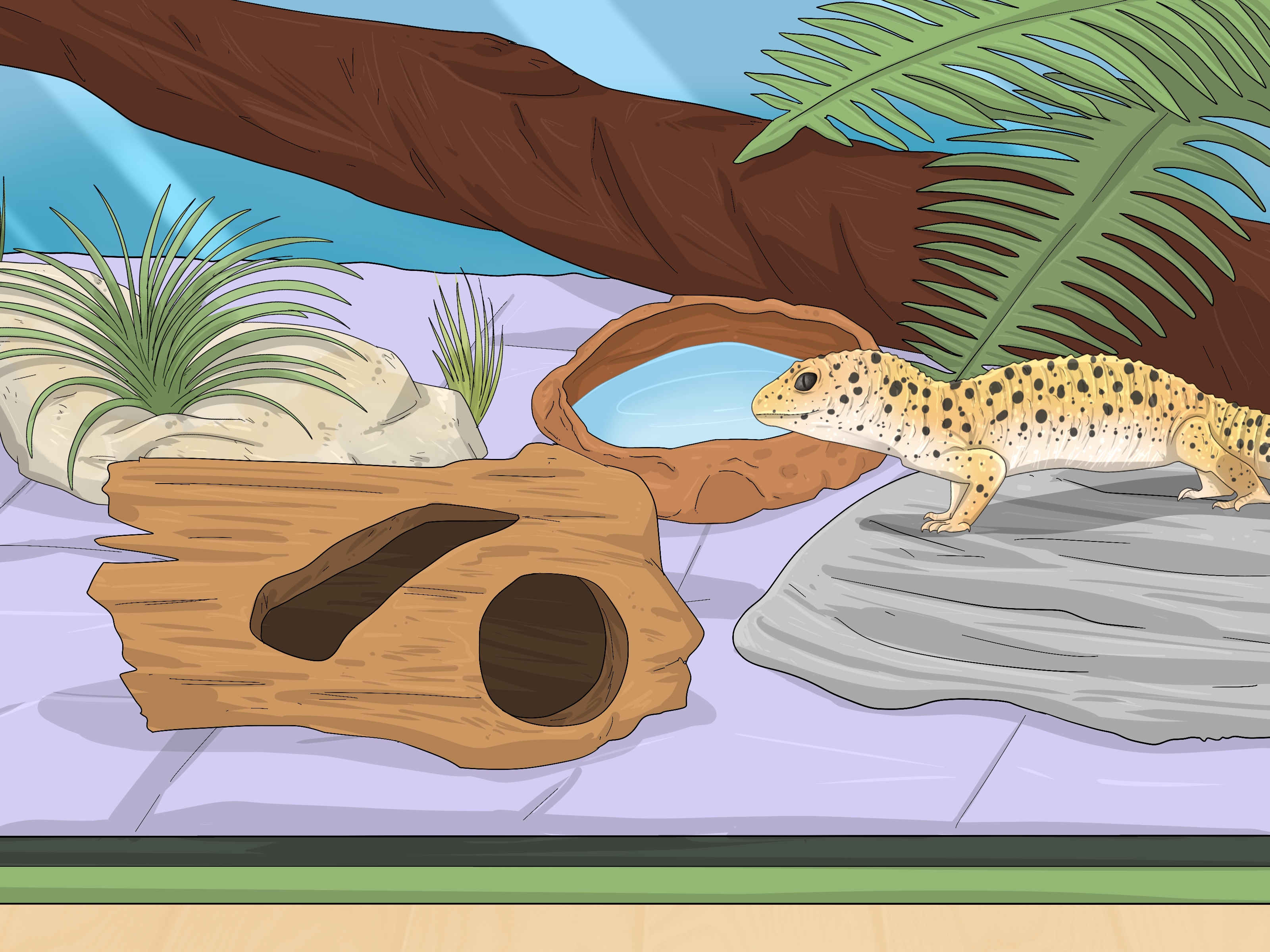
A pet lizard can be an incredible roommate: quiet, fascinating, low on judgment, and unlikely to steal the TV remote. But reptiles are not “set it and forget it” pets. A healthy lizard depends on a carefully managed habitat, species-appropriate food, clean water, proper lighting, and an owner who notices the little changes before they become big problems.
Whether you share your home with a bearded dragon, leopard gecko, crested gecko, anole, skink, or another scaly character, this lizard care guide covers the foundations of responsible reptile ownership. Think of it as setting up a tiny climate-controlled apartment for an animal that did not request central heating, but absolutely expects it.
Set Up the Right Foundation Before Bringing Your Lizard Home
1. Research Your Exact Lizard Species
The first rule of lizard care is simple: do not buy the animal first and ask questions later. A tiny hatchling can grow into a large adult, and a bargain-priced lizard may require an enclosure, lighting system, food budget, and lifespan commitment that are anything but bargain-sized.
Start by learning your species’ adult size, expected lifespan, activity pattern, diet type, temperature range, humidity range, and whether it lives mostly on the ground, in trees, or somewhere in between. A leopard gecko needs a very different setup than a green iguana, which can grow into a full-blown dinosaur with opinions about your furniture.
Whenever possible, choose a healthy, captive-bred lizard from a reputable source. Avoid taking wild lizards from outdoors. Wild reptiles may struggle in captivity, can carry parasites, and belong in the ecosystems where they were found.
2. Choose a Secure, Properly Sized Enclosure
Your lizard’s enclosure should suit its adult size and natural behavior, not merely fit in the corner of your room. Ground-dwelling lizards need usable floor space, while arboreal species need vertical climbing room. A healthy enclosure is large enough for your pet to move, thermoregulate, hide, explore, eat, and rest without feeling like it lives in a shoebox with a lamp.
Choose an enclosure with reliable ventilation and a secure lid or front-opening doors. Lizards are surprisingly skilled escape artists. A reptile that can squeeze through a gap, climb a cord, or launch itself from a branch may eventually attempt all three before breakfast.
Before your lizard arrives, set up and test the habitat for several days. Check that the lights work, temperatures remain stable, humidity can be maintained, and all décor is secure. It is much easier to fix a faulty thermostat before your pet moves in and begins filing complaints.
3. Create a Consistent Day-and-Night Schedule
Lizards benefit from predictable daily routines. Most pet species need a regular cycle of light and darkness that resembles their natural environment. Timers are useful because they keep the schedule steady even when school, work, vacations, or your tendency to forget what day it is get in the way.
Many diurnal lizards need roughly 10 to 12 hours of daytime light, though the correct schedule depends on the species and season. Nocturnal and crepuscular lizards still need a normal day-and-night rhythm, but they should not be blasted with bright lights at all hours.
Avoid leaving lights on overnight unless your reptile veterinarian specifically recommends it. Lizards need periods of darkness and rest just as people do. A brightly lit enclosure at 2 a.m. is less “natural habitat” and more “tiny 24-hour convenience store.”
4. Build a Safe Temperature Gradient
Lizards are ectothermic, meaning they rely on their environment to regulate body temperature. They need a temperature gradient: a warmer basking or heat zone on one side of the enclosure and a cooler area on the other. This lets the lizard choose where it feels comfortable throughout the day.
Never guess at temperature by touching the glass and declaring it “pretty warm.” Use digital thermometers with probes, an infrared temperature gun, or both. Measure the basking surface, warm side, cool side, and nighttime conditions according to your species’ care requirements.
Heat lamps, radiant heat panels, ceramic heat emitters, and under-tank heating may be appropriate depending on the species and enclosure design. Any heat source should be safely installed, guarded where needed, and controlled with a reliable thermostat. Direct, unregulated contact with a heat source can cause serious burns.
5. Provide Species-Appropriate UVB Lighting
Many pet lizards need access to properly installed UVB lighting to support normal vitamin D production and calcium metabolism. This is especially important for many diurnal species that naturally bask in sunlight. Without suitable lighting and nutrition, reptiles can develop serious bone and health problems.
The word to remember is appropriate. UVB strength, bulb type, distance from the animal, fixture design, mesh screening, and daily exposure all matter. Glass and plastic can block useful UVB, and an old bulb may still glow while producing far less UVB than it did when new.
Follow manufacturer placement instructions and replace bulbs on the recommended schedule. Some species, particularly certain nocturnal lizards, have different lighting needs, so do not copy a bearded dragon setup for every gecko on the planet.
6. Match Humidity and Water to Your Lizard’s Natural Habitat
Humidity is not a decorative mist effect. It affects hydration, shedding, respiratory health, and comfort. Desert species generally need drier conditions, while tropical lizards may require much higher humidity and regular misting. The correct target depends entirely on the species.
Use a reliable hygrometer instead of estimating humidity by how “jungle-ish” the enclosure looks. Some lizards need a humid hide, while others need a water bowl large enough to drink from or soak in. Arboreal species may drink droplets from leaves or enclosure walls, which can require a misting system or carefully timed hand misting.
Replace drinking water regularly and keep water dishes clean. Stagnant water is not a spa; it is an invitation for bacteria, debris, and the occasional piece of salad to become something nobody wants to investigate.
Build a Lizard Habitat That Encourages Natural Behavior
7. Select Safe, Practical Substrate
Substrate is the material covering the bottom of the enclosure. It can influence cleanliness, humidity, digging behavior, foot health, and the risk of accidental ingestion. The best choice depends on your lizard’s age, species, health, and enclosure type.
Paper towels, reptile-safe liners, tile, and other easy-to-clean surfaces are often useful for young, newly acquired, or quarantined lizards because they make it easier to monitor droppings and keep the habitat sanitary. Naturalistic substrate mixes may work well for some established species, but they should be selected carefully.
Avoid choosing substrate because it looks cool in a social-media photo. A beautiful enclosure is only successful when it is safe, cleanable, and appropriate for the animal living in it.
8. Add Hides, Climbing Areas, and Enrichment
A healthy lizard habitat should provide more than a bowl, a lamp, and an empty corner. Include secure hides, branches, rocks, hammocks, cork bark, plants approved for reptile habitats, and climbing structures when appropriate. The goal is to create choices: warm or cool, exposed or hidden, high or low, dry or humid.
Most lizards need at least one secure hiding place, and many benefit from a hide on both the warm and cool sides of the enclosure. A hide is not a sign that your lizard dislikes you. It is a sign that your lizard enjoys not being observed like a celebrity in a glass studio apartment.
Secure heavy décor so it cannot shift, collapse, or trap your pet. Branches should be stable, rocks should not teeter, and climbing features should match the animal’s size and strength.
9. Feed the Correct Diet for the Species
Lizard diets vary dramatically. Some species are primarily insect-eaters, some are herbivores, some are omnivores, and some require specialized prey or prepared diets. Feeding a lizard the wrong food consistently can lead to malnutrition even when it appears to be eating enthusiastically.
Insect-eating lizards may need appropriately sized feeder insects such as crickets, roaches, worms, or other veterinarian-approved options. Feeders should be nutritious themselves through proper gut-loading before they are offered to your lizard. In other words, your lizard’s dinner needs a decent dinner too.
Herbivorous and omnivorous lizards may need a rotating mix of leafy greens, vegetables, approved fruits in limited amounts, insects, and commercial diets designed for their species. Do not rely on iceberg lettuce, random leftovers, or one favorite food every day. Variety and balance matter.
10. Use Supplements and Feeding Schedules Carefully
Calcium and vitamin supplements are often part of reptile nutrition, but the right product and schedule depend on the lizard’s species, age, diet, UVB exposure, and veterinary guidance. More powder is not automatically better. Oversupplementing can be harmful too.
Dust feeder insects or prepare food according to a species-specific plan. Juvenile lizards often eat more frequently than adults because they are growing, while larger adult species may eat less often. Track what your pet actually consumes rather than assuming every offered meal was eaten.
Remove uneaten live insects when necessary, especially overnight, because some feeders can bother or injure a resting reptile. Fresh greens and prepared diets should also be removed before they spoil.
Keep Your Lizard Healthy, Clean, and Comfortable
11. Clean the Enclosure Without Cutting Corners
Good lizard care includes routine cleaning. Spot-clean droppings, shed skin, old food, and spilled water every day. Wash food and water dishes regularly. Deep-clean the enclosure and replace or refresh substrate on a schedule that fits the species and enclosure setup.
Use reptile-safe cleaning products and rinse surfaces thoroughly when required. Keep cleaning tools separate from kitchen items, and do not wash reptile dishes in food-preparation areas. Reptiles can carry germs such as Salmonella even when they look perfectly healthy.
Wash your hands with soap and water after handling your lizard, its food, décor, water, substrate, or enclosure supplies. Do not kiss your lizard, let it wander through the kitchen, or snack while cleaning its tank. Your lizard may be adorable, but it should not become part of the sandwich-making process.
12. Handle Your Lizard Gently and Respect Its Boundaries
Some lizards tolerate handling well; others prefer to admire you from a respectful distance. Begin slowly and let your pet adjust to its new home before expecting regular handling sessions. Approach calmly, support the body, and avoid sudden grabbing.
Never pick up a lizard by its tail. Some species can drop their tails as a defense mechanism, and although some may regrow one, the new tail may not look or function exactly the same. Let the animal walk onto your hand whenever possible.
Learn your lizard’s stress signals. Rapid escape attempts, hissing, puffing up, tail whipping, darkened coloration, open-mouth displays, or freezing may indicate that the animal needs space. Handling should be brief, calm, and optional from the lizard’s point of view. You are building trust, not auditioning for a wrestling match.
13. Monitor Health and Establish a Reptile Vet Relationship
Healthy reptiles are often quiet, which means small changes can be easy to miss. Keep a simple lizard care log with feeding dates, shedding, weight, stool appearance, enclosure temperatures, humidity readings, and behavior changes. A small kitchen scale or reptile scale can be one of the most useful tools in your care routine.
Arrange an initial wellness examination with a veterinarian experienced in reptiles, especially after acquiring a new lizard. Bring details about the enclosure, lighting, temperatures, humidity, food, supplements, and recent behavior. A photo of the setup can be surprisingly helpful.
Contact a reptile veterinarian promptly if you notice unusual weakness, ongoing refusal to eat, rapid weight loss, swelling, trouble moving, breathing changes, injuries, unusual stool, incomplete sheds affecting toes or tail tips, or a sudden major shift in normal behavior. Do not try to diagnose a reptile with internet comments and wishful thinking.
A Quick Daily and Weekly Lizard Care Routine
Daily Tasks
- Check warm-side and cool-side temperatures.
- Check humidity if your species requires controlled humidity.
- Refresh water and remove waste or old food.
- Observe your lizard’s posture, activity, appetite, and appearance.
- Confirm lights, timers, and heating equipment are working safely.
Weekly Tasks
- Clean dishes, hides, and frequently used décor.
- Inspect cords, fixtures, thermostats, and enclosure locks.
- Review feeding and shedding notes.
- Weigh your lizard when appropriate for its temperament and species.
- Refresh substrate or deep-clean sections of the habitat as needed.
What Experienced Lizard Keepers Learn Over Time
The biggest lesson many experienced lizard keepers learn is that the “cool pet” part comes after the “careful routine” part. In the beginning, it is tempting to focus on the fun purchases: dramatic backgrounds, fake vines, fancy caves, and a decorative skull that makes the enclosure look like a tiny fantasy movie set. Those things can be enjoyable, but the boring equipment usually matters more. A dependable thermostat, accurate temperature probes, a good hygrometer, a safe UVB fixture, and a consistent timer will do more for your lizard than the most photogenic fake palm tree in the store.
Experienced keepers also learn to watch patterns instead of reacting to one weird moment. Lizards can have quieter days, skip a meal during shedding, or spend extra time hiding when they are adjusting to a new environment. One unusual behavior does not always mean an emergency. But a pattern of reduced appetite, weight loss, poor shedding, weak movement, or a lizard that never uses its basking area can reveal that something about the habitat needs attention. The best owners become part detective, part weather technician, and part short-order chef for bugs.
Another common experience is discovering that automation is helpful but not magical. Timers make lighting easier. Misters can support humidity. Thermostats can regulate heat. But none of these tools removes the need for daily observation. A water dish can tip over, a probe can shift, a bulb can burn out, and a plant can block the route to a favorite hide. Technology is wonderful, but a lizard still needs a person who notices when its miniature world stops working the way it should.
Handling is another place where patience pays off. New owners often hope their lizard will become instantly calm, cuddly, and delighted to sit on a shoulder. Some lizards eventually enjoy gentle handling; others simply tolerate it. The most rewarding relationships usually develop when owners let the animal set the pace. Sitting near the enclosure, offering food calmly, moving slowly, and letting the lizard approach a hand can create more trust than repeated forced pickup sessions ever will.
Keepers also discover that a good habitat is not static. As a lizard grows, its climbing ability, appetite, confidence, and space needs can change. A tiny juvenile may need a simple, easy-to-monitor enclosure, while a confident adult may benefit from larger hides, stronger branches, more enrichment, and a more complex layout. Updating the habitat is not a sign that the first setup failed; it is a sign that the owner is paying attention.
Finally, experienced lizard owners become humble about species differences. Advice that works beautifully for one reptile can be completely wrong for another. A dry habitat may be ideal for one lizard and miserable for a tropical species. A bright UVB setup may be essential for one animal and inappropriate in the wrong form for another. The smartest habit is not memorizing every reptile fact on Earth. It is learning how to find reliable, species-specific information and adjusting care when evidence, veterinary advice, or your lizard’s needs call for it.
Conclusion
Caring for a lizard is less about owning an exotic decoration and more about managing a living environment with precision and patience. When you provide the right enclosure size, heat gradient, UVB lighting, humidity, nutrition, hygiene, enrichment, and veterinary support, your lizard has the best chance to thrive.
The payoff is worth it. A healthy lizard can be active, curious, colorful, surprisingly expressive, and endlessly entertaining. Build the habitat carefully, keep a routine, respect your reptile’s individual personality, and you may earn the honor of becoming the trusted giant who delivers breakfast on time.













