
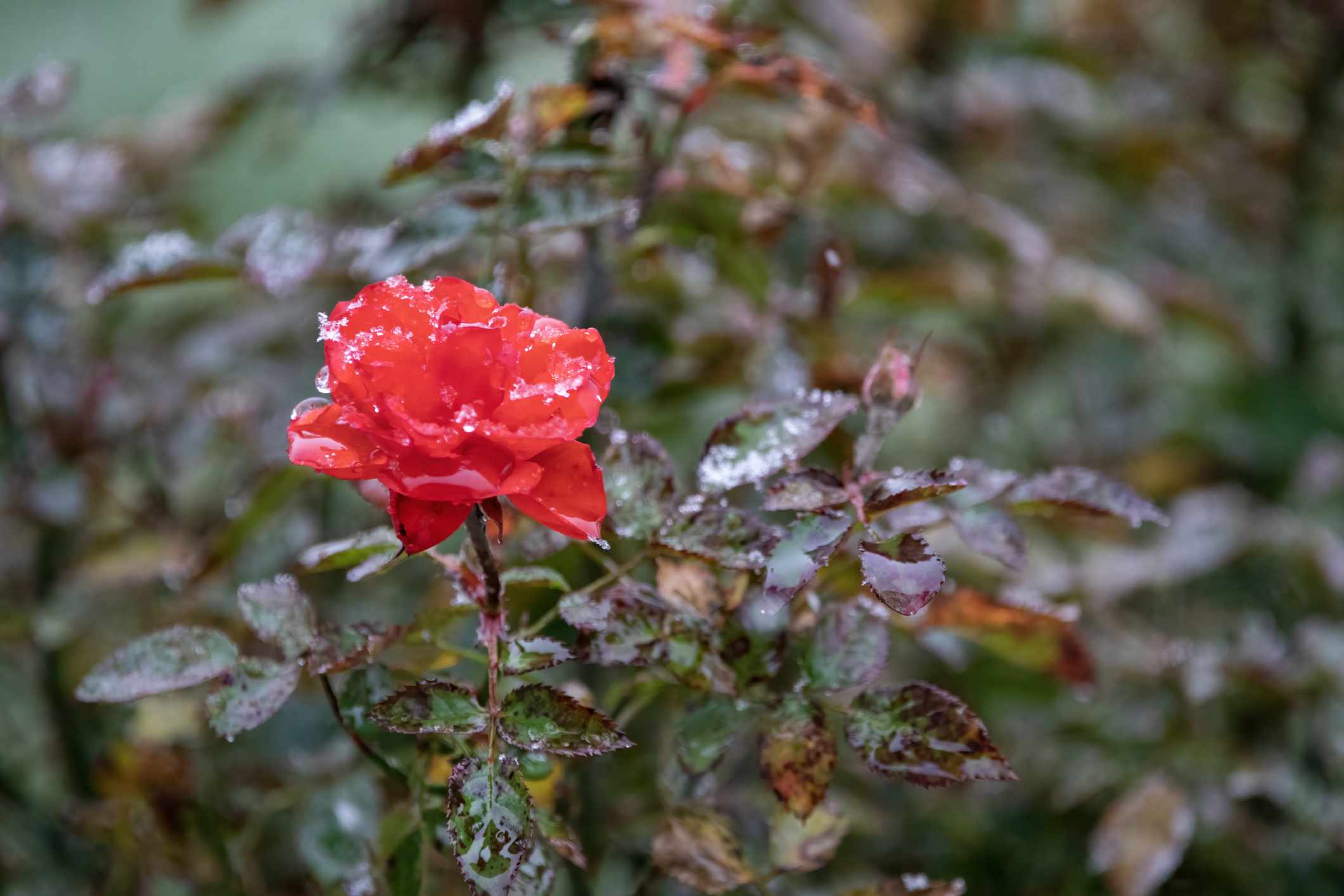
Fall is when rose gardens stop showing off and start negotiating with winter. The blooms are fewer, the mornings are cooler, and your roses are basically saying, “I had a great summer, but I would now like a blanket and a drink of water.” If you give them the right care in autumn, they head into dormancy stronger, healthier, and far more prepared to burst back to life in spring.
That is the secret to better roses next year: fall care is not about squeezing out one last dramatic flush of flowers. It is about helping the plant slow down naturally, protecting it from cold damage, and reducing the disease problems that love to lurk in fallen leaves and messy beds. In other words, good fall rose care is less “spa weekend” and more “smart seasonal strategy.”
Whether you grow hybrid teas, floribundas, climbers, shrub roses, or those famously tough landscape roses that act like they pay the mortgage, this guide will walk you through exactly what to do in fall. You will learn when to stop fertilizing, how much to prune, when to mulch, how to water before winter, and what mistakes can accidentally make your roses more vulnerable. By the end, you will have a clear fall rose care routine that helps produce happier, healthier flowers next season.
Why Fall Rose Care Matters
Roses do not glide into winter the way some perennials do. They need a little help transitioning from active growth to dormancy. If you keep pushing soft new growth in fall with too much fertilizer, aggressive pruning, or constant deadheading, the plant may produce tender shoots that are easily damaged by frost. That damage can weaken the rose, stress the canes, and set the stage for spring disappointment.
On the other hand, when you let roses slow down naturally, keep them hydrated, clean up disease-prone debris, and protect the crown or graft union at the right time, you improve their odds of coming through winter with less cane dieback and fewer disease issues. Think of fall care as giving your roses a sturdy winter coat instead of sending them outside in a party dress.
Your Fall Rose Care Checklist
1. Stop deadheading early in fall
If you have been happily snipping spent blooms all summer, autumn is the moment to ease off. One of the classic fall rose care tips is to stop deadheading in early fall and allow the last flowers to form hips, which are the seedpods roses produce after blooming. This helps signal to the plant that the growing season is winding down.
Why does that matter? Because continued deadheading can encourage fresh, tender growth at exactly the wrong time. New shoots produced late in the season are far more likely to get zapped by frost. So, as tempting as it is to keep your bushes looking salon-fresh, let a few blooms fade naturally. Your rose may look slightly less polished for a few weeks, but it will be better prepared for winter.
2. Stop fertilizing at the right time
One of the biggest mistakes gardeners make with roses in fall is fertilizing too late. Roses need time to harden off before cold weather hits. Feeding them late in the season, especially with nitrogen-heavy fertilizer, can stimulate soft new growth that is likely to suffer winter injury.
A good rule of thumb is to stop routine fertilizing about six weeks before your average first frost date. In many parts of the country, that means late summer to early fall. There is one important nuance: in some regions, gardeners use a fall fertilizer only after roses are fully dormant, often choosing a product lower in nitrogen and higher in potassium. If your local extension guidance recommends that approach, follow regional advice. But for most home gardeners, the safest general plan is simple: do not keep feeding roses as if summer lasts forever.
3. Keep watering during dry fall weather
Roses still need water in fall, even when they are not flowering like overachievers. In fact, one of the kindest things you can do before winter is make sure your plants do not head into dormancy dry and stressed. Drought-stressed roses are more vulnerable to winter injury, and dry soil can worsen cold damage.
Keep watering during dry spells through autumn, especially for newly planted roses and any shrub growing in sandy or fast-draining soil. Water deeply rather than sprinkling lightly. The goal is to moisten the root zone, not just tease the surface. Once the ground freezes or your area receives consistent late-season moisture, you can ease off. Until then, think of fall watering as sending your roses into winter with a full tank instead of fumes.
4. Clean up fallen leaves and diseased debris
Rose diseases do not always pack up and leave just because summer is over. Black spot, mildew, and other fungal issues can overwinter in infected leaves and debris, then jump right back into action in spring like tiny, obnoxious squatters. Fall sanitation is one of the smartest things you can do for long-term rose health.
Rake up fallen leaves around the base of the plant, especially if they show signs of disease. Remove any dead or infected canes. Pull weeds. Clear away old mulch if it is full of diseased debris, and replace it later with clean mulch. If the foliage is clearly diseased, do not toss it into the compost pile unless your compost system reliably gets hot enough to kill pathogens. When in doubt, bag it and remove it.
This step may not be glamorous, but it can make a big difference in reducing next year’s disease pressure. Your future self, standing in the spring garden with fewer ugly leaf spots to worry about, will be extremely grateful.
5. Do not do heavy fall pruning
This is where many rose lovers get a little too enthusiastic with the pruners. Fall is not the time for a major rose haircut. Hard pruning can stimulate growth or expose the plant to more winter injury. For most roses, major shaping and size reduction are best left for late winter or early spring, when buds begin to swell.
What should you prune in fall? Keep it light. Remove dead, damaged, or diseased wood any time you see it. You can also shorten very long canes that may whip around in winter wind or snap under snow and ice. For many bush roses, cutting extra-long canes back to a manageable height helps prevent wind rock, which can loosen roots and damage the crown.
In short: fall pruning should be about protection, not perfection. Save the dramatic spring makeover for later.
6. Mulch late, not early
Mulch is a terrific winter ally for roses, but timing matters. Piling mulch around your roses too early can trap warmth and moisture when the plant should be settling into dormancy. That can create conditions that encourage disease and confuse the rose into staying active longer than it should.
The better strategy is to wait until the weather has turned consistently cold, after a few hard frosts, or once the ground has started to freeze. Then apply winter protection. In cold-winter regions, mound soil, compost, or loose mulch around the base of the plant, especially over the bud union or crown. Depending on your climate and rose type, this protective mound may be around 6 to 10 inches deep.
The goal is not to keep the plant warm like a tropical beach vacation. The goal is to keep it consistently cold, which reduces damage caused by repeated freezing and thawing. Winter protection is less about pampering and more about temperature stability.
7. Know which roses need extra winter protection
Not all roses need the same level of fall care. Hardy shrub roses and many own-root roses often need less fuss than grafted hybrid teas or grandifloras. Grafted roses have a bud union that can be more vulnerable to cold damage, so they usually benefit from more careful protection in cold climates.
Here is the simple version:
- Hybrid teas and grafted roses: Usually need the most winter protection in colder zones.
- Shrub and landscape roses: Often need only basic cleanup and mulch, depending on climate.
- Own-root roses: May recover more easily even if top growth dies back, because the roots and crown produce true-to-type growth.
- Climbing roses: Need canes secured to supports and may require extra protection at the base in cold, windy areas.
- Container roses: Need special care because roots in pots are more exposed to cold than roots in the ground.
If you know your USDA hardiness zone and the type of rose you are growing, you can make smarter fall care decisions. When in doubt, protect the base and avoid anything that encourages late soft growth.
8. Protect roses from wind as well as cold
Winter damage is not always about brutal temperatures alone. Drying winds and winter sun can also damage canes, especially in exposed sites. That is why some gardeners use burlap, rose collars, wire cylinders filled with leaves, or ventilated rose cones in colder climates.
If you use covers, avoid sealing the plant up too early or too tightly. Roses still need air movement. The best time to add extra protection is late in the season, after hard frosts. In windy locations, tie canes gently with soft twine to keep them from thrashing around. This is especially helpful for taller roses and climbers.
9. Give climbing roses a little extra attention
Climbing roses can be magnificent in spring, but in fall they need a bit of structural common sense. Long canes can catch wind, shift supports, and suffer breakage in ice or snow. Instead of heavily pruning, focus on securing the canes. Tie them gently to the trellis, arbor, or fence so they stay put through winter weather.
In colder regions, protect the crown and lower canes with mulch or mounded soil. If your climate is especially harsh, local rose societies and extension offices may recommend additional insulation methods. But the golden rule remains: keep the framework stable, and do not hack the whole plant down just because the leaves are looking tired.
10. Do not forget potted roses
Container roses are the drama club of the rose world. They can be gorgeous, but they are definitely more sensitive to winter conditions. Because roots in pots are above ground, they are much more vulnerable to freezing than roses planted in the garden.
In mild climates, a sheltered spot and extra mulch may be enough. In colder regions, many gardeners wait until the rose goes dormant after a hard freeze, then move the container to an unheated garage, shed, or other cold but protected location. The plant should remain dormant, not cozy and actively growing in your kitchen next to the toaster.
Keep the soil barely moist over winter, not soggy. A completely dry potted rose is asking for trouble, but constant wetness is no prize either.
Common Fall Rose Care Mistakes to Avoid
Rose care gets a lot easier when you know what not to do. These are the classic autumn missteps:
- Pruning too hard in fall: Save heavy pruning for spring.
- Fertilizing too late: Late feeding can push vulnerable new growth.
- Mulching too early: Early mulch can trap heat and moisture.
- Letting diseased leaves stay put: That is basically a written invitation for spring disease.
- Ignoring dry weather: Roses need moisture before winter, especially newly planted ones.
- Treating every rose the same: A tough shrub rose and a grafted hybrid tea do not read from the same script.
A Simple Fall Rose Care Routine
If you like your gardening advice with fewer complications and fewer opportunities to overthink, here is the short version:
- Stop deadheading in early fall.
- Stop routine fertilizing about six weeks before first frost.
- Water deeply during dry autumn weather.
- Remove diseased leaves, fallen debris, and damaged canes.
- Lightly shorten extra-long canes if needed for wind protection.
- Wait for hard frosts or frozen ground.
- Mound mulch or soil around the base in cold climates.
- Secure climbers and protect potted roses before severe winter weather.
That is it. No mystical potion. No moonlight chanting. Just timely, sensible care.
Gardeners’ Experiences: What People Learn the Hard Way With Fall Roses
Ask a few rose growers about fall care, and you will quickly hear a pattern. Most people do not learn the best autumn routine from a flawless first season. They learn it from one weird winter, one overenthusiastic pruning session, or one spring surprise where half a favorite bush looks like it lost a bet. Roses are generous teachers, but they do have a sense of humor.
One common experience is the gardener who cannot resist trimming every spent bloom deep into fall because the plant still looks active. It feels productive. The rose looks neat. Everyone is pleased right up until a cold snap arrives and those fresh little shoots turn black and mushy. By spring, the plant survives, but it wastes energy recovering from damage that never needed to happen. That is often the moment gardeners become believers in letting hips form and letting the plant slow down naturally.
Another familiar lesson comes from dry autumn weather. People tend to think of watering as a summer chore, so once temperatures cool, the hose gets retired like a baseball player at the end of a championship season. Then winter arrives, and the roses go into it dry. In spring, the canes show more dieback, the buds are slower to wake up, and the plant seems generally grumpy. After that, experienced rose growers start paying far more attention to fall moisture, especially if rainfall is spotty.
There is also the great mulch timing lesson. Many gardeners, full of admirable ambition, apply winter mulch at the first chilly weekend in October. It feels efficient. It also can be too soon. If the weather warms up again, the plant sits in trapped moisture and warmth when it should be easing toward dormancy. Gardeners who have seen that mistake once usually become much more patient. By the second or third year, they are waiting for real cold before piling on protection, and their roses are better for it.
Disease cleanup is another experience-driven conversion. Plenty of gardeners have looked at a few spotted leaves in fall and thought, “Eh, winter will handle that.” Spring then arrives with black spot ready for a sequel. After a season like that, fallen rose leaves suddenly become less like decorative confetti and more like tiny fungal booby traps. It does not take many disease flare-ups before people become excellent at cleanup.
Then there are the rose owners in cold climates who discover that not every rose behaves the same. Their rugged shrub roses sail through winter with minimal fuss, while the beloved grafted hybrid tea needs protection worthy of a royal heir. That contrast teaches a valuable lesson: good rose care is not just about the season. It is also about knowing your plant, your weather, your exposure, and your soil. The gardener who learns that becomes calmer, smarter, and a lot less likely to treat every rose like it came from the same instruction manual.
In the end, the most useful fall rose-care experience is simple: the best results usually come from doing a little less, but doing it at the right time. Less late feeding. Less aggressive pruning. Less panic. More observation. More cleanup. More patience. Roses reward that kind of gardener handsomely, usually with healthier canes, cleaner foliage, and a spring performance that feels like a very floral thank-you note.
Conclusion
If you want happier, healthier rose flowers next year, fall is the season that quietly makes it happen. Stop encouraging soft growth, keep your plants hydrated, clean up diseased debris, avoid heavy pruning, and protect the crown when true cold arrives. Those few smart tasks help roses rest properly, survive winter more safely, and return in spring with more vigor and better blooms.
So yes, your roses may look a little less glamorous in fall. That is fine. They are off-duty, not failing. Give them a thoughtful autumn routine now, and they will return the favor when spring rolls back around with buds, fragrance, and the kind of bloom show that makes neighbors “just happen” to wander by more often.













