
A smoke detector is one of those tiny household heroes that gets ignored until it starts chirping at 2:37 a.m. with the confidence of a smoke-powered rooster. Annoying? Absolutely. Important? Even more absolutely. That chirp is your smoke detector’s dramatic way of saying, “Hey, I would like to continue saving your life, please.”
Knowing how to change the batteries in your smoke detector is a simple DIY skill every homeowner, renter, parent, grandparent, roommate, and “I’ll get to it later” person should have. Working smoke alarms provide early warning during a fire, and those extra seconds can make the difference between a safe escape and a dangerous emergency.
The good news: replacing a smoke detector battery usually takes less than five minutes. The even better news: you do not need to be an electrician, a contractor, or someone who owns seven kinds of screwdrivers. You just need the right battery, a safe way to reach the alarm, and the patience to press the test button afterward.
Why Smoke Detector Batteries Matter
A smoke detector cannot do its job if the battery is weak, missing, installed backward, or older than your favorite takeout menu stuck to the fridge. Battery-powered smoke detectors rely entirely on batteries. Hardwired smoke detectors usually have backup batteries so they can still work during a power outage.
Many safety organizations recommend testing smoke alarms monthly and replacing replaceable batteries at least once a year. Some manufacturers and safety experts suggest changing batteries every six months, often when clocks change for daylight saving time. Either schedule can work, but the key is consistency. Pick a reminder you will actually follow.
Also remember this: a smoke detector with a dead battery is basically wall decor with anxiety. It may look official, but it will not protect your household when smoke appears.
Before You Start: Identify Your Smoke Detector Type
Not every smoke detector uses the same battery setup. Before you start twisting, pulling, or giving the alarm a suspicious side-eye, identify which type you have.
Battery-Powered Smoke Detector
This type is powered only by batteries. It may use a 9-volt battery, AA batteries, AAA batteries, or another manufacturer-approved battery. These models are common in older homes, apartments, hallways, bedrooms, and rental properties.
Hardwired Smoke Detector With Backup Battery
A hardwired smoke detector is connected to your home’s electrical system but still has a backup battery. If the power goes out, the battery keeps the alarm working. Many hardwired alarms twist off a mounting bracket, while others have a front-loading battery drawer.
Sealed 10-Year Smoke Alarm
Some modern smoke alarms come with sealed, long-life lithium batteries. These batteries are not designed to be replaced. If a sealed 10-year smoke alarm chirps near the end of its life, fails a test, or reaches its expiration date, replace the entire unit. Do not pry it open like you are cracking a safe in a spy movie.
Tools and Supplies You Need
Changing a smoke detector battery is usually simple, but a little preparation prevents the classic “standing on a chair while holding three wrong batteries” situation.
- A fresh battery recommended by the smoke detector manufacturer
- A stable step stool or ladder
- A small screwdriver, if your alarm has a screw-secured cover
- A clean cloth or vacuum brush attachment for dust removal
- Your smoke detector manual, if available
- A marker or label for writing the replacement date, if desired
Use new batteries, not the mysterious half-used battery from a remote control. Smoke detectors deserve the good stuff. Your television remote can survive a little uncertainty; your fire alarm should not have to.
How to Change the Batteries in Your Smoke Detector Step by Step
Step 1: Stay Safe While Reaching the Alarm
Most smoke detectors are mounted on ceilings or high walls, which means the first safety step has nothing to do with the battery. Use a stable step stool or ladder and place it on a flat surface. Avoid standing on rolling chairs, wobbly dining chairs, laundry baskets, or anything that makes your inner common sense quietly scream.
If the alarm is in a stairwell, vaulted ceiling, or another difficult location, ask someone to spot you or consider getting help. A working smoke detector is important, but so is not becoming the reason someone else has to call for help.
Step 2: Remove the Smoke Detector From the Mounting Bracket
Many smoke detectors detach by twisting counterclockwise. Hold the base gently, rotate the unit, and lower it carefully. Some models have a locking tab that must be pressed before the alarm comes loose. Others have a battery drawer on the front or side, allowing you to replace the battery without removing the whole unit.
If the detector is hardwired, do not pull it aggressively. It may have a wiring harness connected to the back. In most cases, you can replace the backup battery without disturbing the wiring. If you need to disconnect the plug to access the battery compartment, follow the manufacturer’s instructions carefully. If anything looks damaged, loose, burned, or confusing, stop and call a qualified electrician.
Step 3: Open the Battery Compartment
Look for a small battery door, drawer, or cover. Some open with finger pressure; others require a small screwdriver. Open the compartment gently. Plastic tabs can become brittle over time, especially in older smoke detectors.
If the battery compartment will not open, do not force it with heroic energy. Check for a latch, a locking pin, or a manufacturer-specific release. Forcing it may crack the alarm housing or damage the compartment, and then your five-minute battery job becomes a shopping trip.
Step 4: Remove the Old Battery
Take out the old battery and note how it was positioned. Many smoke detectors have positive and negative markings inside the compartment. A 9-volt battery connects to a snap connector, while AA or AAA batteries usually slide into spring-loaded slots.
If you see corrosion, leaking battery residue, melted plastic, or a battery that looks like it has been through a tiny chemical war, replace the entire smoke detector. Do not try to “clean it up and hope.” Smoke alarms are safety devices, not thrift-store mysteries.
Step 5: Insert the New Battery Correctly
Install the new battery according to the positive and negative symbols inside the smoke detector. With a 9-volt battery, make sure the connectors snap firmly into place. With AA or AAA batteries, ensure each battery is seated securely and facing the correct direction.
This is the step where many chirping problems begin. A battery that is slightly loose, reversed, or not fully seated can make the detector continue chirping even though you technically “changed the battery.” Take a few seconds to confirm the battery is snug and aligned properly.
Step 6: Close the Battery Door Completely
Close the battery drawer or cover until it clicks. Many smoke detectors will not operate correctly if the battery compartment is not fully closed. Some models are designed to prevent reattachment to the ceiling unless a battery is installed correctly. That feature may feel annoying in the moment, but it is actually your smoke detector being a responsible adult.
Step 7: Reattach the Smoke Detector
If you removed the unit from its bracket, place it back onto the mounting plate and twist it clockwise until it locks. For hardwired units, make sure the wiring harness is secure before reinstalling the alarm. The unit should sit flush against the ceiling or wall and should not hang loose.
Step 8: Press the Test Button
Do not skip the test button. Press and hold it until the alarm sounds. Warn anyone nearby first, especially children, pets, sleeping adults, or that one person in the house who reacts to sudden noises like a startled squirrel.
The alarm should sound loudly and clearly. If it is weak, silent, or inconsistent, check the battery again. If it still fails, replace the smoke detector. A quiet smoke detector is not being polite; it is being useless.
How Often Should You Change Smoke Detector Batteries?
For smoke detectors with replaceable batteries, change the batteries at least once a year. Many households do it every six months for extra peace of mind. A practical schedule is to replace batteries when clocks change in spring and fall, then test the alarms monthly in between.
You should also replace the battery immediately if the alarm chirps, flashes a low-battery signal, fails a monthly test, or produces a weak sound. Never remove the battery just to stop the noise. That is like taking batteries out of a flashlight because the room is dark.
What If the Smoke Detector Still Chirps After a New Battery?
A smoke detector that keeps chirping after a battery change can test anyone’s patience. Before you start negotiating with it, check these common causes.
The Battery Is Installed Incorrectly
Open the compartment and confirm the positive and negative ends match the markings. Even a brand-new battery will not help if it is reversed or not making contact.
The Battery Door Is Not Fully Closed
Many alarms chirp if the battery drawer is slightly open. Close it until you hear or feel a click.
The Alarm Needs to Be Reset
Some smoke detectors hold a small residual charge. Remove the battery, press and hold the test button for 15 to 30 seconds, then reinstall the battery and test again.
The Detector Is Dirty
Dust, insects, and debris can interfere with sensors. Gently vacuum around the vents using a brush attachment or wipe the outside with a dry cloth. Do not spray cleaners into the alarm.
The Unit Is Too Old
Smoke detectors should generally be replaced every 10 years from the manufacture date. Look on the back of the alarm for a date label. If yours is old enough to have watched several phone chargers become obsolete, it may be time for a new one.
Battery Tips for Different Smoke Detector Models
9-Volt Battery Smoke Detectors
These are common and easy to replace. Snap the connector firmly onto the battery terminals. If the connector feels loose, damaged, or corroded, replace the unit.
AA or AAA Battery Smoke Detectors
Replace all batteries at the same time. Do not mix old and new batteries or different battery brands. Mixed batteries can drain unevenly and cause early chirping.
Lithium Battery Smoke Detectors
If your alarm uses replaceable lithium batteries, use only the type recommended by the manufacturer. If it is a sealed 10-year model, replace the whole alarm when it reaches the end of life or fails testing.
Hardwired Smoke Detectors
Hardwired alarms still need attention. Replace the backup battery at least once a year unless the unit has a sealed battery. Test the alarm monthly and replace the entire detector every 10 years or according to the manufacturer’s instructions.
Where Smoke Detectors Should Be Installed
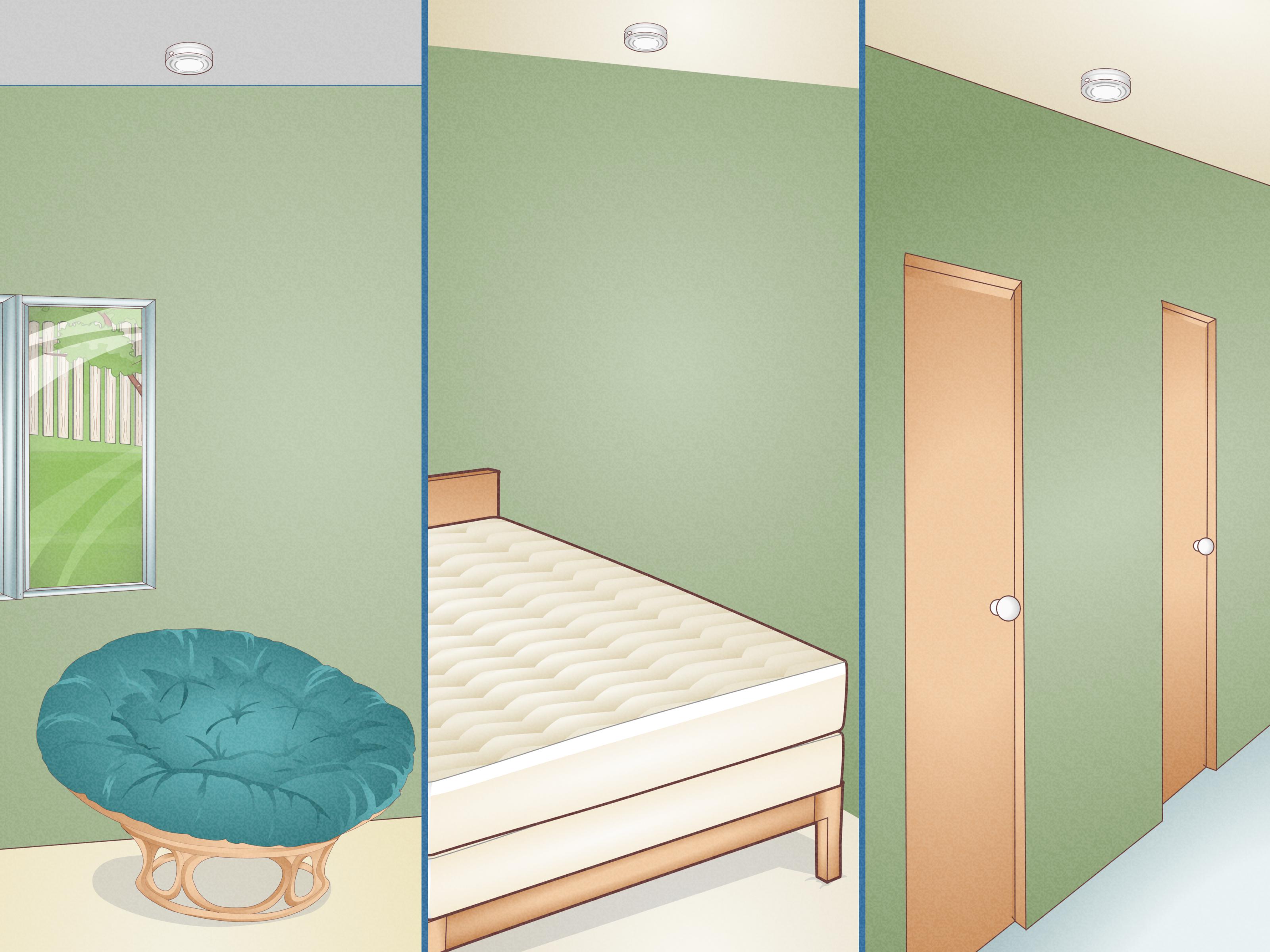
Changing batteries is only part of smoke detector safety. Placement matters too. Homes should have smoke alarms on every level, inside each bedroom, outside sleeping areas, and in hallways where appropriate. Basements should have an alarm near the stairway leading upstairs.
Avoid placing smoke detectors too close to cooking appliances, bathrooms, ceiling fans, windows, or vents, because steam, drafts, and cooking particles can cause false alarms. If your kitchen alarm screams every time you make toast, it may not be judging your cooking; it may simply be installed too close to the stove.
When to Replace the Entire Smoke Detector
Changing the battery will not fix every smoke detector problem. Replace the entire unit if:
- It is 10 years old or older
- It does not sound during testing
- It continues chirping after a new battery and reset
- The battery compartment is damaged
- The alarm has corrosion or visible damage
- The manufacturer date is missing and you do not know its age
- It has reached the end-of-life warning stage
Replacing an old smoke detector is not an overreaction. Sensors become less reliable over time. A fresh alarm is a small investment for a very large safety upgrade.
Common Mistakes to Avoid
Removing the Battery and Forgetting to Replace It
This is the classic “I’ll do it tomorrow” mistake. Tomorrow becomes next week, next week becomes next month, and suddenly the smoke detector is just a plastic ceiling ornament. Replace the battery immediately.
Using the Wrong Battery Type
Always use the battery type recommended by the manufacturer. Some alarms are picky, and for once, they are allowed to be.
Ignoring Monthly Testing
A battery change is not a one-time safety spell. Test every smoke detector monthly. Press the button, hear the sound, and move on with your day like the responsible legend you are.
Forgetting About Carbon Monoxide Alarms
When you check smoke detectors, check carbon monoxide alarms too. They are different devices, but both protect your household from serious danger.
A Simple Smoke Detector Maintenance Schedule
Here is an easy schedule you can actually stick to:
- Every month: Press the test button on every smoke detector.
- Every six months: Vacuum dust from alarms and consider replacing batteries.
- Every year: Replace batteries in models that require battery changes.
- Every 10 years: Replace the entire smoke detector.
- Any time it chirps: Investigate immediately and replace the battery if needed.
Put reminders on your phone, calendar, fridge, or smart speaker. The best smoke detector maintenance plan is not the most complicated one. It is the one you remember.
Real-Life Experiences: What Changing Smoke Detector Batteries Teaches You
Changing smoke detector batteries sounds boring until you actually do it in real life. Then it becomes a tiny household adventure involving ladders, chirps, confused pets, and at least one person asking, “Which one is beeping?” The experience is simple, but it teaches several practical lessons.
First, the chirping alarm is rarely located where you think it is. Sound bounces around hallways and ceilings in strange ways. A chirp from the upstairs hallway may sound like it is coming from the guest room, the linen closet, or possibly another dimension. The easiest trick is to stand quietly and wait for the next chirp, then move closer. Do not remove batteries from every alarm in frustration. That creates more problems than it solves.
Second, keeping spare batteries at home is a gift to your future self. Smoke detectors have a magical talent for needing batteries at inconvenient times: late at night, during a storm, right before guests arrive, or while you are already wearing pajamas. A small drawer with 9-volt, AA, and AAA batteries can save you from an emergency trip to the store.
Third, labels help. After replacing the battery, write the date on a small piece of tape inside the battery compartment or on the side of the alarm where it does not block vents. You can also note the manufacture date of the alarm. Months later, when you wonder whether you changed that battery “recently” or “during a previous presidential administration,” the label will answer for you.
Fourth, testing the alarm can be surprisingly reassuring. The sound is loud, yes, and nobody enjoys it. But hearing that strong beep confirms the detector is awake and ready. It also gives children a chance to recognize the sound and understand what it means. For families, smoke detector testing can become part of a larger home fire safety routine, including reviewing escape routes and choosing a meeting place outside.
Fifth, older alarms can be stubborn. You may replace the battery perfectly and still hear chirping. That is often the moment you discover the detector is past its useful life. Instead of battling it for three days, check the manufacture date. If it is around 10 years old, replacing the whole unit is usually the smarter move.
Finally, changing smoke detector batteries is one of those small home maintenance jobs that feels bigger than it looks. It takes only a few minutes, but it protects bedrooms, hallways, kitchens, basements, and everyone who sleeps under your roof. It is not glamorous. Nobody posts vacation-style photos of a fresh 9-volt battery. But it is responsible, inexpensive, and genuinely important.
The best experience is the quiet one: no late-night chirps, no dead alarms, no guessing, and no panic. Just working smoke detectors doing their job silently in the background, like tiny ceiling-mounted bodyguards.
Conclusion
Learning how to change the batteries in your smoke detector is one of the easiest and most important home safety tasks you can do. Remove the alarm carefully, open the battery compartment, replace the old battery with the correct new one, close everything securely, and press the test button. That is the basic process, but the bigger habit is regular maintenance.
Test smoke detectors monthly, replace batteries at least once a year, clean away dust, and replace alarms that are 10 years old or no longer working properly. A smoke detector is small, inexpensive, and easy to overlook, but when smoke fills a home, it becomes one of the most important devices you own.
So the next time your smoke detector chirps, do not glare at it like it ruined your evening. It is just asking for a little attention. Give it a fresh battery, test it, and enjoy the sweet sound of silencethe safe kind.














