
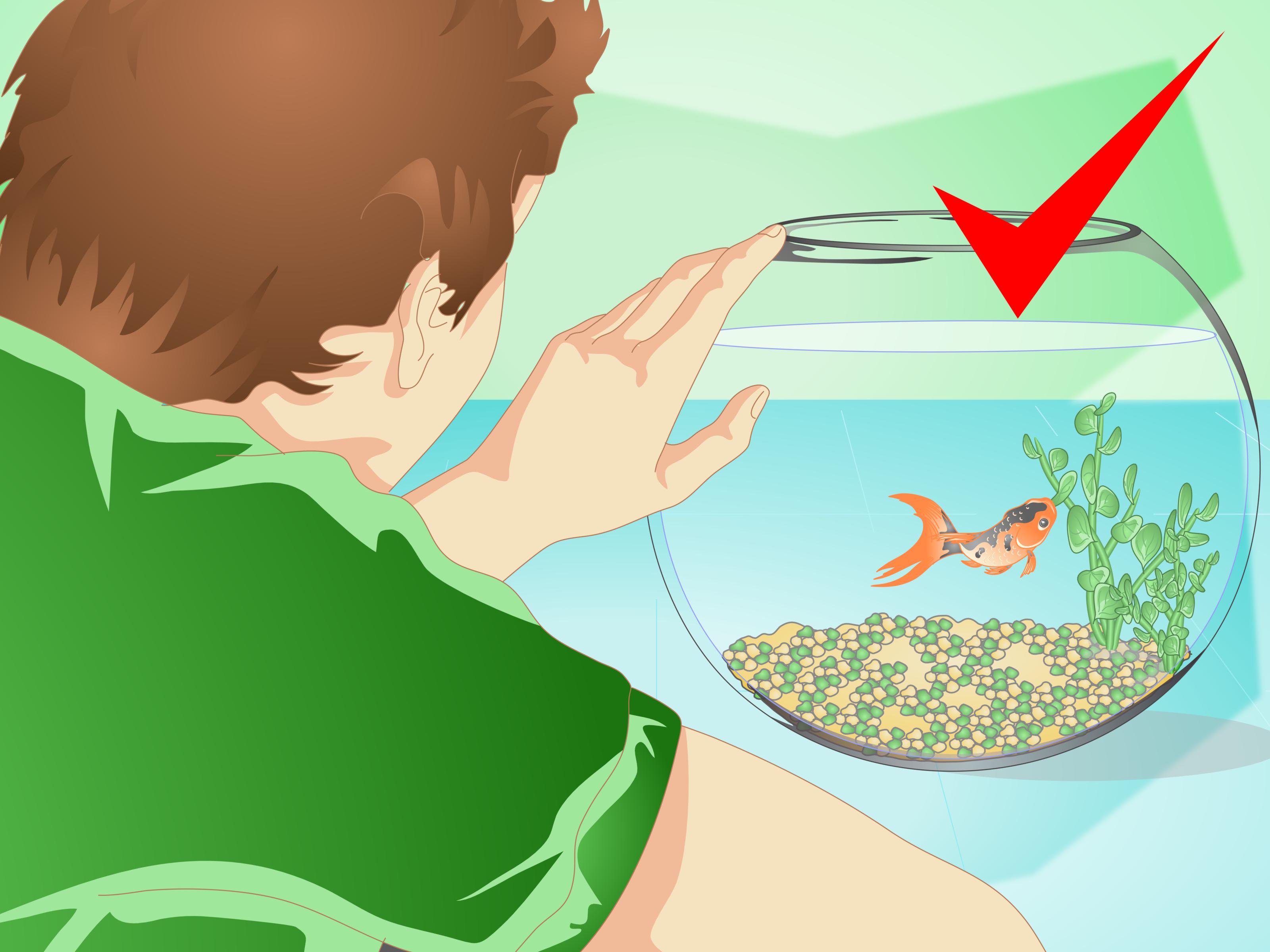
Changing the water in a fish bowl sounds simple: pour out the old water, pour in the new water, admire your tiny underwater roommate, and call yourself Captain Aquarium. Unfortunately, fish are not tiny submarines with emotional support gills. They live in every drop of that water, which means temperature, chlorine, waste, oxygen, and sudden chemistry changes matter more than most beginners realize.
A fish bowl can be charming on a desk or shelf, but it is also one of the hardest homes to keep stable. Because bowls are small and often unfiltered, waste builds up quickly, oxygen can drop, and water temperature may swing faster than a toddler’s mood in a toy aisle. The good news: with the right routine, you can make water changes safer, cleaner, and much less stressful for your fish.
This guide walks you through how to change the water in a fish bowl in 14 practical steps, including how much water to replace, how to prepare tap water, how to clean decorations, and what not to do unless you enjoy turning a simple chore into a fish emergency.
Why Fish Bowl Water Changes Matter
Fish produce waste every day. Uneaten food, fish poop, plant debris, and bacteria all contribute to ammonia, nitrite, nitrate, and general grime. In a large filtered aquarium, beneficial bacteria and equipment help manage the load. In a small fish bowl, there is less water to dilute waste and usually little or no filtration to support a stable nitrogen cycle.
That is why routine fish bowl maintenance is not just about making the water look clear. Clear water can still contain harmful compounds. A bowl that looks “fine” may still have poor water quality, especially if the fish is gasping near the surface, hiding, clamping its fins, refusing food, or acting unusually sluggish.
Before You Start: Know What Kind of Fish You Have
Different fish have different needs. Bettas are often kept in bowls, but they are tropical fish that usually do best in warm, stable, filtered aquariums. Goldfish are even messier and generally need much more room than a bowl provides. Small bowls may work temporarily, but they should not be treated as low-maintenance homes.
If your fish is living in a bowl long-term, consider upgrading to a properly sized aquarium with a filter and, for tropical species, a heater. Water changes will still be necessary, but the environment will be easier to keep stable and healthier for the fish.
Supplies You Need to Change Fish Bowl Water
Gather everything before you begin. Fish do not appreciate mid-cleaning drama, and neither will your floor.
- A clean bucket or container used only for aquarium water
- Water conditioner or dechlorinator
- A small siphon, turkey baster, or clean cup
- A soft algae pad or sponge for aquarium use
- A thermometer
- A fish net or clean cup, only if you must move the fish
- Paper towels for spills
- Optional: aquarium water test strips or liquid test kit
Never use soap, dish detergent, glass cleaner, bleach inside the bowl, perfume-scented wipes, or household cleaning sprays. Even tiny residues can harm fish. Aquarium cleaning is one place where “squeaky clean” can become “scientifically unfortunate.”
How Often Should You Change Water in a Fish Bowl?
For a small unfiltered fish bowl, partial water changes are often needed every few days. A common routine is changing about 25% to 50% of the water, depending on bowl size, fish species, feeding habits, and water test results. Very small bowls may require more frequent attention because waste builds up fast.
For a filtered aquarium, weekly partial water changes of about 10% to 25% are often enough for many setups. But a fish bowl is not a full aquarium system. It has less water volume, fewer surfaces for beneficial bacteria, and usually no filter to help manage waste. When in doubt, test the water and watch your fish’s behavior.
How to Change the Water in a Fish Bowl: 14 Steps
Step 1: Wash and Rinse Your Hands
Start by washing your hands thoroughly, then rinse them extremely well. You want your hands clean, but not coated in soap residue, lotion, sunscreen, perfume, or hand sanitizer. Fish are sensitive to chemicals, and a bowl gives those chemicals nowhere to hide.
Step 2: Prepare the Replacement Water First
Before removing any water from the bowl, prepare the new water. Use tap water only after treating it with a water conditioner that neutralizes chlorine and chloramine. These disinfectants make public water safer for people, but they can damage fish gills and harm beneficial bacteria.
Follow the conditioner label carefully. More is not always better, and guessing is not a water-care strategy. Use the amount recommended for the volume of new water you are preparing.
Step 3: Match the Temperature
The replacement water should be close to the bowl’s current temperature. A sudden temperature change can shock fish. Use a thermometer instead of your hand, because your hand is dramatic and not scientifically calibrated.
For bettas, water is commonly kept in the warm tropical range. Goldfish prefer cooler water than bettas. The key is stability: do not add cold tap water straight into a warm bowl or warm water straight into a cooler bowl.
Step 4: Decide How Much Water to Change
For routine maintenance, avoid replacing all the water unless there is an emergency, such as contamination or a severe water-quality problem. A partial water change is safer because it removes waste while keeping the environment more stable.
For many bowls, changing about one-third of the water every few days is a reasonable starting point. If the bowl is very small, heavily soiled, or home to a messy fish, you may need to change more water more often. If water tests show ammonia or nitrite, act quickly with a safe partial change and improved care routine.
Step 5: Keep the Fish in the Bowl If Possible
In most routine water changes, leave the fish in the bowl. Chasing a fish with a net is stressful and can damage fins or scales. Work slowly, keep movements gentle, and avoid bumping decorations.
If the bowl is tiny and you must move the fish to clean safely, use a clean cup to scoop the fish with some of its existing bowl water. Place it in a secure temporary container with a lid or cover that allows air exchange. Keep it away from pets, children, sunlight, and temperature changes.
Step 6: Remove Old Water Slowly
Use a small siphon, turkey baster, or clean cup to remove the old water. Aim near the bottom, where waste and uneaten food settle. Do not stir everything into a cloudy soup unless your goal is to recreate a swamp documentary.
Move slowly so the fish is not pushed around by sudden currents. If using a siphon, make sure the fish cannot get pulled toward the tube. A gentle water change is safer than an enthusiastic one.
Step 7: Remove Visible Debris
Pick out leftover food, dead plant matter, and obvious waste. A turkey baster works surprisingly well for tiny bowls because it lets you target debris without removing too much water at once.
This step matters because decomposing leftovers can quickly worsen water quality. Feeding less is often part of better bowl care. Most fish need only what they can eat quickly, and extra food does not become “a snack for later.” It becomes pollution with crumbs.
Step 8: Clean the Inside Glass Gently
If algae is growing on the bowl, use an aquarium-safe sponge or algae pad. Do not use a kitchen sponge that may contain soap. Do not use abrasive pads that can scratch the glass or acrylic.
A little algae is not always dangerous, but heavy algae may signal too much light, excess nutrients, or overfeeding. Move the bowl out of direct sunlight and review feeding habits if algae keeps returning like an unwanted sequel.
Step 9: Rinse Decorations in Old Bowl Water
If decorations, stones, or artificial plants look dirty, rinse them in the old water you removed from the bowl. This helps preserve some helpful bacteria living on surfaces. Avoid rinsing decorations under untreated tap water, especially if your tap water contains chlorine or chloramine.
Do not scrub everything sterile during every water change. Fish bowls are living environments, not dinner plates. The goal is to remove excess waste while keeping the environment stable.
Step 10: Avoid Replacing All Gravel at Once
If the bowl has gravel, do not throw it all away during a normal cleaning. Gravel can hold beneficial bacteria that help process waste. If the gravel is extremely dirty, gently swish a portion of it in old bowl water, then return it.
If you want to switch substrate, do it gradually. Sudden changes can affect water chemistry and remove helpful bacteria. Your fish does not need a surprise home renovation and a chemistry experiment on the same afternoon.
Step 11: Add the Treated Water Slowly
Once the replacement water is conditioned and temperature-matched, pour it back slowly. You can pour it over a small plate, clean decoration, or your hand to reduce disturbance. The goal is to refill the bowl without blasting your fish into an involuntary water park ride.
Leave enough space at the top so the fish cannot easily jump out, especially if you keep a betta. A breathable cover or proper lid can help, but make sure there is still access to oxygen at the surface.
Step 12: Watch Your Fish After the Water Change
Observe the fish for several minutes. Normal behavior may include a little curiosity, swimming around, or briefly hiding. Warning signs include gasping, rolling, darting wildly, lying on the bottom, or clamped fins.
If the fish reacts badly, check temperature, confirm that the water was conditioned, and test water parameters if possible. Sudden distress after a water change often points to temperature mismatch, chlorine exposure, pH shock, or contamination from cleaning products.
Step 13: Test the Water When You Can
A water test kit is one of the best tools for responsible fish keeping. At minimum, test for ammonia, nitrite, nitrate, and pH. In a healthy freshwater setup, ammonia and nitrite should be at zero. Nitrate should be kept low through regular water changes and good feeding habits.
Testing removes guesswork. Without it, you are judging water quality by sight, and fish waste does not always send a calendar invite before becoming a problem.
Step 14: Build a Regular Maintenance Schedule
Create a simple routine. Write down the date of each water change, how much water you changed, and any unusual fish behavior. This is especially helpful in small bowls because conditions can change quickly.
A good schedule may include small debris removal daily, partial water changes every few days, and a gentle bowl cleaning as needed. Feed lightly, remove leftovers, avoid overcrowding, and consider upgrading to a filtered tank for better long-term fish health.
Common Mistakes to Avoid When Changing Fish Bowl Water
Changing 100% of the Water Every Time
Full water changes can shock fish because they suddenly alter temperature, pH, minerals, and bacteria levels. They may be necessary in rare emergencies, but they should not be your normal routine.
Using Untreated Tap Water
Tap water may contain chlorine or chloramine. These chemicals are useful for human drinking water safety, but fish need them neutralized before the water enters the bowl. Always use a proper aquarium water conditioner.
Cleaning with Soap
Soap residue can be dangerous to fish. Use aquarium-only tools and plain water. If an item has been cleaned with household chemicals, do not put it back in the bowl unless you are certain it is safe.
Overfeeding After Cleaning
Some owners reward fish after a water change with extra food. That is sweet, but it can quickly create more waste. Feed a normal small amount and remove leftovers.
Keeping Too Many Fish in One Bowl
Overcrowding makes water quality harder to manage. More fish means more waste, more oxygen demand, and more stress. A bowl should never be treated like a tiny apartment complex with fins.
How Much Water Should You Change in a Fish Bowl?
The exact amount depends on bowl size, fish type, and water quality. For routine care, many owners change about 25% to 50% of the water at a time. Smaller, unfiltered bowls may need partial changes more often than larger filtered aquariums.
If your fish bowl smells bad, looks cloudy, or tests high for ammonia or nitrite, do a partial water change right away and review your setup. Cloudiness may come from overfeeding, bacterial blooms, dirty substrate, or too much waste in too little water.
Can You Use Bottled Water in a Fish Bowl?
Bottled water is not automatically better for fish. Some bottled waters lack the minerals fish need, while others may have mineral levels or pH values that differ from your fish’s normal environment. Distilled water alone is usually not ideal because it lacks important minerals unless it is properly remineralized.
For most beginners, treated tap water is the practical choice. Use a conditioner, match the temperature, and keep the routine consistent. Stability is often more important than chasing “perfect” water.
Should You Remove the Fish During a Bowl Water Change?
Usually, no. Removing the fish can cause unnecessary stress. Leave the fish in place during normal partial water changes, and work slowly. Only move the fish if the bowl is so small that safe cleaning is impossible, or if there is a contamination issue that requires immediate relocation.
If you must move the fish, scoop rather than chase. Use existing bowl water in the temporary container and return the fish gently after the bowl is ready.
Signs Your Fish Bowl Needs a Water Change
- The water looks cloudy or yellowish
- There is visible waste on the bottom
- The bowl smells unpleasant
- The fish is gasping at the surface
- The fish is unusually inactive or hiding
- Algae is spreading quickly
- Water tests show ammonia, nitrite, or high nitrate
Do not wait for every sign to appear. By the time a fish acts sick, the water problem may already be serious. Preventive maintenance is much easier than emergency rescue.
Experience-Based Tips for Changing Fish Bowl Water
After caring for small fish setups, one lesson becomes obvious very quickly: the smaller the bowl, the less forgiveness you get. A large aquarium gives beginners a little breathing room because changes happen more gradually. A small bowl can go from clear and cute to cloudy and questionable in a surprisingly short time.
One practical habit is to keep a dedicated “fish water station.” This can be as simple as a clean jug, a small bottle of water conditioner, a thermometer, and a turkey baster stored together. When everything is in one place, water changes feel like a five-minute routine instead of a dramatic household event involving towels, panic, and someone yelling, “Where is the dechlorinator?”
Another helpful experience is learning not to over-clean. Beginners often assume a fish bowl should be scrubbed until it looks brand-new. But fish need stability. A light film on decorations or gravel is not always the enemy. The real enemy is decaying food, untreated tap water, and sudden changes. Gentle, frequent maintenance beats occasional aggressive cleaning almost every time.
Feeding habits also make a huge difference. Many water problems start with kindness. A beginner looks at a fish, decides it seems hungry, and adds a generous snowstorm of flakes. The fish eats a little, the rest sinks, and the bowl becomes a waste factory. Feed tiny amounts. If food is still floating or sinking after a couple of minutes, you probably gave too much. Your fish does not need brunch, second brunch, and a midnight buffet.
Temperature matching is another detail that feels minor until you see what happens when it is ignored. Adding water that is much colder or warmer than the bowl can stress fish quickly. Keeping a cheap aquarium thermometer nearby prevents this mistake. Do not trust your fingers; they are great for texting, less great for aquatic science.
It also helps to observe your fish before and after every water change. A healthy fish usually has a familiar pattern: where it swims, how eagerly it eats, how its fins look, and how it reacts when you approach. Once you know normal behavior, you can spot problems earlier. A fish that suddenly gasps, clamps fins, hides constantly, or refuses food is giving you useful information.
If algae keeps returning, look at light and nutrients. A bowl sitting in direct sunlight may grow algae quickly and experience temperature swings. Move it to a spot with indirect light. Also check feeding amounts and water-change frequency. Algae is often not random; it is usually a tiny green memo from your bowl saying, “Something is out of balance.”
The biggest experience-based recommendation is to view a bowl as a temporary or special-care setup, not the easiest permanent home. Many fish advertised for bowls do better in filtered tanks with enough swimming space. Upgrading to a small proper aquarium can reduce stress for the fish and make maintenance easier for you. It may feel like more equipment at first, but it often means fewer emergencies, clearer water, and a happier fish.
Finally, keep your routine realistic. A perfect plan that you never follow is less useful than a simple schedule you can maintain. Change part of the water regularly, condition every drop of new water, avoid soap, feed lightly, and watch your fish. Fish keeping is not about perfection. It is about consistency, patience, and accepting that the smallest pet in the house may have the most specific opinions about water.
Conclusion
Learning how to change the water in a fish bowl is really learning how to protect a tiny aquatic environment. The basic process is simple: prepare treated water, match the temperature, remove old water slowly, clean debris gently, refill carefully, and monitor your fish afterward. The details matter because fish bowls are small, and small habitats change quickly.
For the healthiest long-term setup, consider moving your fish to a properly sized filtered aquarium. But if you are maintaining a bowl right now, frequent partial water changes, light feeding, safe cleaning tools, and careful observation can make a major difference. Your fish may not applaud, but healthy swimming, bright color, and a good appetite are basically the aquatic version of a standing ovation.
Note: This article is written for general fish-care education. Always research the specific needs of your fish species, because bettas, goldfish, and other common pet fish do not all require the same water temperature, space, or maintenance routine.














