
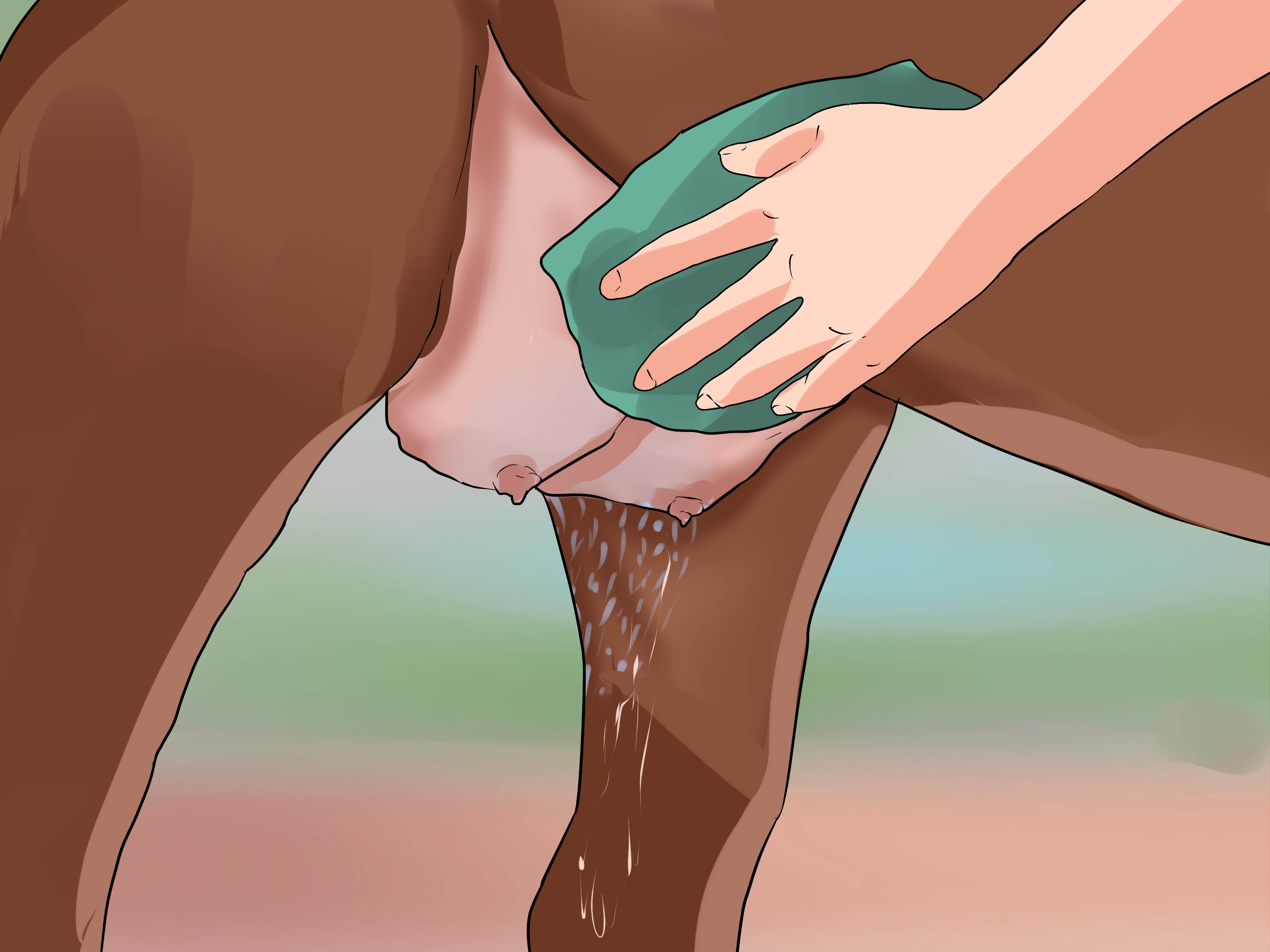
Cleaning a mare’s female parts is one of those barn chores that sounds awkward until you realize it is really about comfort, hygiene, and good horse care. The more accurate term is cleaning the mare’s vulva and perineal area, which includes the external reproductive area, the skin below the tail, and the surrounding folds where sweat, urine residue, bedding dust, and manure can collect.
The goal is not to scrub your mare like a frying pan after a chili cook-off. In fact, overcleaning can irritate sensitive skin and disturb the mare’s natural defenses. The goal is gentle external cleaning: warm water, clean supplies, patience, and a calm handler. Done correctly, the process helps reduce grime, makes routine checks easier, and allows you to spot problems early, such as swelling, unusual discharge, soreness, odor, or skin irritation.
This guide explains how to clean a mare’s private area safely in 11 practical steps, using clear barn-friendly instructions. Whether you own a broodmare, a retired pasture queen, a riding mare, or a dramatic diva who believes every sponge is a personal insult, the same basic rule applies: be gentle, be clean, and when something looks abnormal, call your veterinarian.
Why Cleaning a Mare’s Vulva and Perineal Area Matters
A mare’s vulva is the external opening of the reproductive tract. Its normal shape and seal help protect the deeper reproductive organs from outside contamination. Dirt, manure, dried urine, sweat, and bedding can collect around the tail, vulvar folds, udder area, and inner thighs. Most mares handle normal hygiene quite well on their own, but some need occasional help, especially during heat cycles, after foaling, during hot weather, when stalled for long periods, or when urine scald or manure buildup becomes visible.
Good hygiene is especially important for breeding mares, mares being examined by a veterinarian, and mares close to foaling. However, a normal owner-care cleaning should stay external. Do not insert fingers, sponges, hoses, wipes, soaps, antiseptics, or any tool into the vagina. Internal cleaning or reproductive examination belongs in the hands of a qualified equine veterinarian.
Before You Begin: Know What Is Normal
Before cleaning, take a quick look at your mare’s normal condition. Some moisture during heat can be normal. Mild dirt around the tail or thighs is common. What is not normal is a foul smell, thick yellow or green discharge, obvious swelling, bleeding, sores, repeated straining, fever, loss of appetite, depression, or strong pain when touched. If your mare recently foaled, had a difficult birth, retained placenta, or seems unwell, do not treat cleaning as the solution. Call your veterinarian first.
Also pay attention to behavior. A mare that suddenly clamps her tail, kicks, squeals, pins her ears, or moves away may not be “being difficult.” She may be sore. In horse care, attitude is information. Sometimes very loud information.
Supplies You Will Need
Gather everything before bringing your mare to the wash area. You do not want to be standing behind a horse while shouting, “Can someone find the towel?” That is how barn comedy becomes barn chaos.
- Disposable gloves
- Clean warm water
- Clean cotton, soft disposable towels, or clean washcloths
- A small clean bucket or spray bottle used only for this purpose
- A mild, unscented soap only if needed
- Clean dry towels
- A tail wrap or clean bandage
- Halter and lead rope
- A calm helper, if your mare is nervous
Avoid harsh disinfectants, heavily scented soaps, baby wipes with fragrance, alcohol-based products, strong antiseptics, and pressure washing. The area is sensitive, and irritation can create more trouble than the original dirt.
How to Clean a Mare’s Female Parts: 11 Steps
Step 1: Choose a Safe, Quiet Place
Pick a flat, non-slippery area where your mare is comfortable. A wash stall is ideal, but a clean, quiet grooming space can work if you are using a bucket or spray bottle instead of a hose. Avoid crowded aisles, loose dogs, loud machinery, and curious horses leaning over stall doors like nosy neighbors.
Your mare should be haltered and handled by someone she trusts. If she is nervous, reactive, or likely to kick, do not push through the job. Safety comes first. Ask an experienced handler or veterinarian for help.
Step 2: Wash Your Hands and Put on Gloves
Put on clean disposable gloves before touching the area. Gloves protect both you and your mare by reducing the transfer of bacteria. If you touch dirty surfaces, manure, the floor, or another horse, change gloves. Clean handling is especially important when caring for multiple mares, broodmares, or horses in a breeding barn.
Step 3: Check the Area Before Cleaning
Stand slightly to the side, not directly behind the mare. Gently lift or move the tail enough to inspect the external area. Look for dried manure, urine staining, crusty debris, swelling, cuts, sores, hair loss, discharge, odor, or signs of discomfort.
If you notice thick discharge, a bad smell, significant swelling, bleeding, open wounds, fever, or strong pain, stop and contact your veterinarian. Cleaning may remove surface grime, but it will not fix infection, reproductive injury, urinary problems, or post-foaling complications.
Step 4: Wrap or Hold the Tail Safely
A tail wrap keeps hair out of the cleaning area and prevents dirty tail strands from dragging across freshly cleaned skin. Wrap gently and never too tight. If tying the tail out of the way, use a quick-release method and never tie it to anything fixed in a way that could injure the mare if she moves.
If your mare objects to tail handling, slow down. Start with grooming around the hindquarters and reward calm standing. For some mares, this step requires more training than cleaning.
Step 5: Rinse the Outside Area With Warm Water
Use warm water to soften dried dirt around the vulva, perineum, inner thighs, and under the tail. A gentle stream, damp towel, or spray bottle is enough. Do not blast the area with high pressure, and do not aim water into the vaginal opening.
Warm water is usually sufficient for routine cleaning. Many owners make the mistake of reaching for soap first. Think of soap as the backup singer, not the star of the show.
Step 6: Clean From the Cleaner Areas Toward the Dirtier Areas
Use clean cotton or a soft towel dampened with warm water. Wipe the outer vulvar lips and surrounding skin gently. Use a fresh piece of cotton or a clean section of towel for each pass. Work carefully so you do not drag manure or dirt toward the vulva.
For general owner care, stay external. Clean the outside folds and skin you can see. Do not insert anything inside the mare. If a veterinarian needs to perform a reproductive exam, culture, ultrasound, or breeding procedure, they will use sterile technique and proper restraint.
Step 7: Use Mild Soap Only When Needed
If plain warm water does not remove sticky urine residue or heavy grime, use a very small amount of mild, unscented soap diluted in water. Apply it to the external skin only. Avoid perfumed soaps, antibacterial kitchen soaps, strong shampoos, and anything designed to “deodorize.” Your mare is not a laundry basket.
Soap residue can irritate sensitive tissue, so use as little as possible. In many cases, warm water and patience are safer than aggressive scrubbing.
Step 8: Rinse Thoroughly
Rinse until the water runs clean and no slippery soap residue remains. This step matters. Leftover soap can dry the skin, cause itching, or make your mare rub her tail. If you used soap, rinse longer than you think you need to. Then rinse once more for good measure.
Step 9: Dry the Area Gently
Use a clean towel to pat the area dry. Do not rub hard. Moisture trapped under the tail or between skin folds can contribute to irritation, especially in humid weather or when the mare is stalled on dusty bedding. Drying also gives you one last chance to notice skin changes.
Step 10: Remove the Tail Wrap and Reward Calm Behavior
Remove the tail wrap carefully. Check that no hair is pulled or tangled. Give your mare a moment to relax, then reward calm standing with praise, a scratch in her favorite spot, or a small treat if that fits your barn routine.
The goal is for cleaning to feel boring. Boring is excellent. Boring means no kicking, no spinning, no offended mare glaring at you as if you have personally ruined her afternoon.
Step 11: Record Anything Unusual
Make a quick note if you saw discharge, swelling, skin irritation, urine scald, unusual smell, or strong sensitivity. Include the date, what you noticed, and whether it improved after cleaning. If the problem returns, gets worse, or is accompanied by fever, discomfort, appetite changes, or behavioral changes, call your veterinarian.
How Often Should You Clean a Mare’s Private Area?
Most mares do not need frequent cleaning. Occasional cleaning is enough when visible grime, urine residue, sweat buildup, or manure contamination appears. Overcleaning can irritate the skin and may disturb the normal protective environment around the reproductive tract.
Consider checking the area during routine grooming, especially in these situations:
- During or after heat cycles
- After trailering or heavy sweating
- During hot, humid weather
- When the mare is stalled for long periods
- Before foaling, under veterinary or experienced broodmare guidance
- Before breeding or reproductive procedures, handled with proper hygiene protocols
- Any time there is visible manure, urine staining, or irritation
What Not to Do
Do not use harsh chemicals, disinfectant sprays, deodorizing products, essential oils, or scented wipes. Do not scrub aggressively. Do not insert towels, sponges, fingers, or hoses internally. Do not assume every discharge is “just heat.” And do not clean so often that the skin becomes dry, red, or irritated.
Also avoid sharing towels, buckets, sponges, or wraps between horses without proper cleaning. In barns with multiple mares, hygiene tools should be disposable or thoroughly cleaned between animals. Cross-contamination is one of those invisible barn problems that nobody notices until it becomes a very visible vet bill.
When to Call a Veterinarian
Call your equine veterinarian if you notice any of the following:
- Foul-smelling discharge
- Thick, yellow, green, bloody, or pus-like discharge
- Swelling of the vulva or surrounding tissue
- Open sores, blisters, wounds, or painful skin
- Straining to urinate or defecate
- Fever, depression, poor appetite, or colic-like signs
- Discomfort after foaling
- Repeated tail rubbing with irritation
- Signs that return soon after cleaning
Your veterinarian may need to check for reproductive infection, urinary tract issues, poor vulvar conformation, urine pooling, trauma, or complications after foaling. Cleaning is good maintenance; it is not a diagnosis.
Special Notes for Broodmares and Foaling Mares
Broodmares deserve extra attention because reproductive hygiene can affect comfort, breeding management, and foaling preparation. Before breeding, artificial insemination, reproductive examination, or foaling, the perineal area may need to be cleaned more carefully using a protocol recommended by a veterinarian or breeding manager.
However, do not confuse routine owner cleaning with sterile reproductive preparation. Breeding-related procedures require stricter hygiene, clean equipment, proper restraint, and professional judgment. If your mare has a Caslick’s procedure, a history of reproductive infection, poor vulvar conformation, or previous foaling problems, ask your veterinarian for a specific care plan.
Common Mistakes Owners Make
Using Too Much Soap
More soap does not mean cleaner. It often means more rinsing, more irritation, and more tail rubbing later. Use plain warm water first.
Scrubbing Dried Debris Too Hard
Soften crusty debris with warm water before wiping. If you have to scrape, you are probably going too fast.
Standing Directly Behind the Mare
Even a sweet mare can kick if surprised or sore. Stand to the side, stay alert, and keep one hand on her body so she knows where you are.
Ignoring Behavior Changes
If your mare suddenly hates being touched near the tail or hindquarters, investigate. Pain, skin irritation, urinary issues, or reproductive problems may be involved.
Cleaning Internally
External cleaning is owner care. Internal examination is veterinary care. That line is important.
Experience-Based Tips for Cleaning a Mare’s Female Parts
In real barn life, the best cleaning sessions are rarely the ones with the fanciest products. They are the ones where the handler is calm, the mare is prepared, and nobody is rushing. One practical lesson many horse owners learn quickly is that mares appreciate routine. If your mare is used to having her tail handled during grooming, she is much less likely to object when you need to clean under it. Start small. Lift the tail briefly, reward her, and put it down. Repeat during normal grooming days so the action does not always predict “the weird bucket moment.”
Another useful experience is to warm the water properly. Cold water on sensitive skin can make even a polite mare tuck her hindquarters and step away. The water does not need to be hot; it should feel comfortably warm on your wrist. In winter, a damp warm towel may be better than a hose. In summer, drying still matters, especially in humid barns where moisture can sit under the tail and attract dust.
Owners also discover that disposable materials make the job easier. A stack of clean cotton or soft disposable towels lets you use a fresh piece for each wipe. That matters because one dirty towel can simply move grime from one place to another. If you use reusable washcloths, wash them separately in hot water and do not use the same cloth for faces, wounds, udders, and perineal cleaning. The barn does not need a “community mystery rag.”
For mares that are ticklish, sensitive, or opinionated, do not begin with the dirtiest area. Groom the hip, tailhead, and hind legs first. Let the mare settle. Keep your body language relaxed and your movements predictable. A helper at the head can make a big difference, but that helper should also be calm. Two nervous humans do not equal one confident horse.
It also helps to clean after exercise only when the mare has cooled down and is standing quietly. A sweaty mare may have more residue, but she may also be impatient, hungry, or ready to return to her friends. Timing matters. Choose a moment when the barn is quiet and the mare is not distracted by feed carts, turnout, or another horse calling from the field like a dramatic opera singer.
Finally, trust your observations. If your mare’s area looks clean, smells normal, and she is comfortable, leave it alone. Good mare care is not about constant washing; it is about noticing what is normal for that individual horse. Some mares need occasional help during heat cycles. Some stay tidy almost all year. Some older mares or mares with conformation issues may need more monitoring. The best owners are not the ones who scrub the most; they are the ones who notice changes early and know when to call the veterinarian.
Conclusion
Cleaning a mare’s female parts is a simple but sensitive task. Use clean gloves, warm water, soft materials, and a gentle external-only approach. Keep the tail safely out of the way, avoid harsh products, rinse thoroughly, dry carefully, and watch for warning signs. Most mares only need occasional cleaning, not a weekly spa appointment. When in doubt, choose less scrubbing, more observation, and professional veterinary advice.
Done well, the process supports your mare’s comfort and helps you become more familiar with her normal condition. That familiarity is valuable. It means you can spot small changes before they become big problems. And your mare, while perhaps not sending you a thank-you card, will appreciate the gentle handling.













