
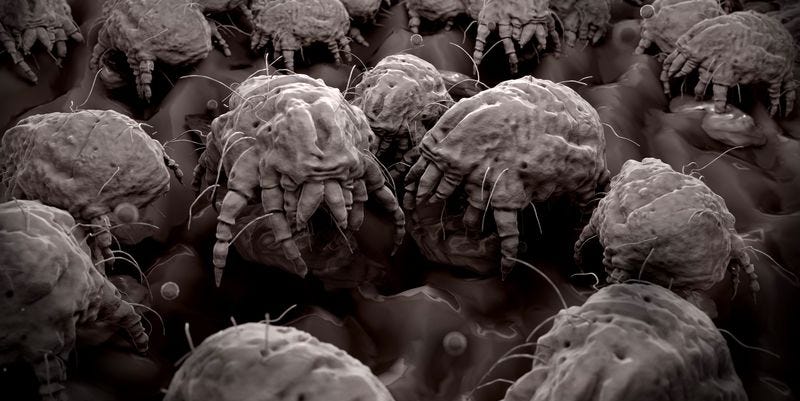
Your mattress quietly works the night shift every single day. It supports your back, catches your crumbs, absorbs sweat, collects dust, and listens patiently while you promise, “I’ll wash the sheets tomorrow.” The problem is that most people clean their sheets often but forget the mattress underneath, which is a little like washing your socks and ignoring the shoes that have been through three summers and a rainstorm.
The good news? Learning how to clean a mattress is not difficult, expensive, or dramatic. You do not need a laboratory, a hazmat suit, or a professional cleaning van parked in your driveway. With a vacuum, baking soda, a few mild cleaning ingredients, and a little patience, you can refresh your mattress, remove odors, treat stains, and make your bed feel cleaner and more inviting.
This guide walks you through how to deep clean a mattress at home, how to handle common stains, what not to do, and how to keep your mattress fresher for longer. Whether you sleep on memory foam, innerspring, hybrid, latex, or a mattress that has mysteriously survived since your first apartment, the same basic rule applies: clean gently, use as little moisture as possible, and let everything dry completely before putting the bed back together.
Why Cleaning Your Mattress Matters
A mattress may look clean because it is covered by sheets, blankets, and maybe a decorative pillow army. But over time, it can collect dust, dead skin cells, body oils, sweat, pet dander, crumbs, allergens, and everyday household debris. If you have allergies or asthma, regular mattress cleaning can be especially helpful because dust mites and allergens often settle into bedding and soft surfaces.
Cleaning your mattress also helps control odor. That “stale bedroom” smell is not always coming from the laundry hamper pretending to be furniture. Sometimes the mattress itself needs freshening. Deodorizing with baking soda, vacuuming thoroughly, and washing bedding on a regular schedule can make your whole bedroom feel lighter, cleaner, and more comfortable.
Mattress maintenance can also help protect your investment. A quality mattress is not cheap. Treating stains quickly, using a washable mattress protector, and preventing trapped moisture can extend its usable life and delay that expensive “why does everything cost so much?” shopping trip.
How Often Should You Clean a Mattress?
For most homes, a light mattress refresh every one to three months is a smart routine. This can include stripping the bed, washing the bedding, vacuuming the mattress surface, and deodorizing with baking soda. A deeper clean can be done every six months, or sooner if there are spills, stains, illness, pet accidents, heavy sweating, or allergy symptoms.
Sheets and pillowcases should be washed much more often than the mattress itself. Weekly washing is a good habit for many households, especially if you sleep hot, share the bed with pets, snack in bed, or live in a warm climate. Mattress protectors should also be washed according to the care label. If your protector is waterproof, make sure it is fully dry before putting it back on the bed.
What You Need to Clean a Mattress
Before you begin, gather your supplies so you are not wandering around the house holding a damp cloth and questioning your life choices.
Basic Mattress Cleaning Supplies
- Vacuum cleaner with upholstery attachment
- Clean white cloths or microfiber towels
- Baking soda
- Mild dish soap or gentle laundry detergent
- Cold water
- Spray bottle
- Soft brush
- Hydrogen peroxide for certain stains
- White vinegar for odor and urine stains
- Enzyme cleaner for biological stains
- Fan or open windows for drying
- Gloves for unpleasant messes
Always check your mattress care tag before using any cleaner. Some mattress materials, especially memory foam and latex, do not tolerate heavy moisture well. If a cleaning solution is new to you, test it on a small hidden area first.
Step-by-Step: How to Clean a Mattress
Step 1: Strip the Bed Completely
Remove sheets, pillowcases, blankets, mattress pads, protectors, and anything else sitting between you and the mattress. Wash all washable bedding according to the care label. Hot water can help reduce dust mites on many fabrics, but always follow the manufacturer’s instructions to avoid shrinking, fading, or damaging delicate materials.
Do not forget pillow protectors and mattress protectors. These items do the dirty work of blocking sweat, oils, spills, and allergens, so they deserve regular washing. Think of them as the bodyguards of your bed. Brave, underappreciated, and occasionally in need of a spa day.
Step 2: Vacuum the Mattress Thoroughly
Use the upholstery attachment on your vacuum to clean the top, sides, corners, seams, and piping of the mattress. Move slowly. The goal is to lift dust, hair, skin flakes, crumbs, and debris hiding in fabric texture and stitched edges.
Pay special attention to seams and tufted areas because they are magnets for dust. If your vacuum has a crevice tool, use it along the edges. A vacuum with a HEPA filter may be especially useful for homes with allergies, pets, or lots of dust.
Step 3: Spot-Clean Stains Gently
Never soak a mattress. This is the golden rule. Mattresses are thick, absorbent, and slow to dry. Too much moisture can lead to lingering odors or even mold and mildew. Instead, spot-clean stains with a lightly damp cloth or a gentle spray-and-blot method.
For a basic stain, mix a few drops of mild dish soap with cool water. Dip a cloth into the solution, wring it out well, and blot the stained area. Do not scrub aggressively. Scrubbing can spread the stain, push liquid deeper into the mattress, and rough up the fabric. Blot with a second cloth dampened with plain water, then press with a dry towel to absorb moisture.
Step 4: Deodorize With Baking Soda
Once stains are treated and the surface is only slightly damp or fully dry, sprinkle a generous layer of baking soda over the mattress. Baking soda helps absorb odors and moisture. Let it sit for at least one hour. If you can leave it for several hours, even better. This is one of the few times procrastination is helpful.
For extra freshness, you may add a few drops of a mild essential oil to the baking soda before sprinkling, but this is optional. Avoid strong fragrances if you have allergies, asthma, sensitive skin, pets, or young children in the home.
Step 5: Vacuum Again
After the baking soda has done its quiet little science project, vacuum the mattress again. Move slowly to remove all powder from the surface, seams, and edges. If baking soda remains in the fabric, keep vacuuming until the surface feels clean and smooth.
Step 6: Let the Mattress Dry Completely
Before putting bedding back on, make sure the mattress is completely dry. Open windows, turn on a fan, or allow sunlight into the room if possible. Good airflow is your best friend here. Do not rush this step. Covering a damp mattress is like putting a lid on a problem and hoping it writes you a polite resignation letter.
Step 7: Rotate the Mattress If Recommended
If your mattress manufacturer recommends rotation, rotate it 180 degrees after cleaning. This can help distribute wear more evenly. Not every mattress should be flipped, especially many modern pillow-top, hybrid, and memory foam models. Check the care label before flipping. If it is not designed to be flipped, do not force it into a new career.
How to Remove Common Mattress Stains
How to Clean Sweat Stains From a Mattress
Sweat stains often appear as yellowish discoloration. For light stains, start with mild dish soap and cool water. Blot gently, rinse with a barely damp cloth, and dry thoroughly.
For tougher yellow stains, a small amount of hydrogen peroxide can help. Mix one part 3% hydrogen peroxide with two parts cool water and a drop of dish soap. Lightly apply it to the stain with a cloth or spray bottle, then blot. Do not oversaturate the mattress. Hydrogen peroxide can have a mild bleaching effect, so test first on a hidden area.
How to Clean Urine From a Mattress
For fresh urine, act quickly. Remove bedding and blot the area with clean towels. Press firmly, but do not rub. The more liquid you absorb early, the easier the cleanup will be.
Spray a light mist of equal parts white vinegar and water onto the affected area, then blot again. For odor, sprinkle baking soda over the spot and let it sit for several hours before vacuuming. If odor remains, use an enzyme cleaner designed for fabric and upholstery. Enzyme cleaners are especially helpful because they break down organic matter instead of just covering the smell with perfume.
How to Clean Blood Stains From a Mattress
Use cold water only. Hot water can set blood stains and make them more stubborn. Blot the stain with a cloth dampened with cold water. For remaining marks, use a small amount of hydrogen peroxide on a cloth and dab carefully. Let it bubble briefly, then blot with a clean dry towel.
Repeat gently if needed, but avoid soaking the mattress. Patience works better than panic-cleaning, which is when people accidentally turn one stain into a modern art installation.
How to Clean Vomit From a Mattress
Put on gloves first. Remove solid material carefully, then blot moisture with disposable towels or washable cloths. Use a mild soap solution or an enzyme cleaner suitable for upholstery. Blot, rinse lightly with a damp cloth, and dry thoroughly.
After the area is dry, cover it with baking soda to absorb odor. Let the baking soda sit for several hours before vacuuming. Keep the room well ventilated during and after cleaning.
How to Remove Food or Drink Stains
Coffee, tea, juice, and snack stains should be handled quickly. Blot liquid first. Then use a small amount of mild dish soap mixed with water. Work from the outside of the stain toward the center so it does not spread. Blot with plain water and dry with a clean towel.
For greasy food stains, sprinkle baking soda on the area first to absorb oil. Let it sit for 15 to 30 minutes, vacuum it up, then spot-clean with a tiny amount of dish soap solution.
Can You Steam Clean a Mattress?
Steam can help sanitize some surfaces, but it is not always the best choice for every mattress. The main risk is moisture. If steam pushes too much water into the mattress and it does not dry quickly, you may end up with odor, mildew, or material damage.
If your mattress care instructions allow steaming, vacuum first, use the lowest effective steam setting, keep the steamer moving, and avoid making the surface wet. The mattress should feel slightly damp at most, never soaked. Let it dry completely with strong airflow before replacing bedding.
For memory foam and latex mattresses, be extra careful. These materials can trap moisture, and many manufacturers recommend spot cleaning rather than deep wet cleaning. When in doubt, skip the steam and use vacuuming, baking soda, and careful stain treatment instead.
What Not to Do When Cleaning a Mattress
Do Not Pour Water Directly on the Mattress
A mattress is not a bathtub, even if your toddler, puppy, or late-night smoothie incident has tried to convince you otherwise. Use minimal moisture and blot often.
Do Not Use Harsh Chemicals Without Checking the Label
Bleach, strong solvents, and harsh stain removers can discolor fabric, damage foam, and leave irritating fumes. Also, never mix cleaning chemicals. Mixing bleach with ammonia or other cleaners can create dangerous fumes.
Do Not Put Bedding Back Too Soon
Even a slightly damp mattress can develop musty odors if covered too quickly. Let it dry fully. If you are unsure, wait longer.
Do Not Ignore the Mattress Protector
A dirty protector can transfer odor and residue back onto a clean mattress. Wash it regularly and replace it if it loses waterproofing, stretches out, cracks, or no longer fits properly.
How to Keep Your Mattress Clean Longer
The easiest mattress to clean is the one you protect before disaster arrives. A washable waterproof mattress protector is one of the best investments you can make. It helps block spills, sweat, body oils, dust, and allergens from reaching the mattress.
Wash sheets weekly or at least regularly enough that your bed stays fresh. Showering before bed can also reduce body oils and sweat on bedding. Keep food and drinks away from the bed if possible. Yes, breakfast in bed sounds romantic, but syrup has no respect for upholstery.
If you have pets, consider using a washable throw blanket on top of the bedding or training pets to sleep in their own bed. If pets do sleep with you, vacuum more often and wash bedding frequently.
Keep the bedroom dry and well ventilated. Moisture is the villain in many mattress problems. Use a dehumidifier or air conditioner in humid weather, fix leaks promptly, and avoid placing a mattress directly on the floor where airflow is limited.
When Should You Replace Instead of Clean?
Cleaning can freshen a mattress, but it cannot fix everything. Consider replacing your mattress if it has deep sagging, broken springs, persistent odors that return after cleaning, visible mold, or stains caused by long-term moisture. Also consider replacement if you wake up sore, sleep poorly, or notice allergy symptoms that improve when you sleep elsewhere.
Most mattresses have a practical lifespan, and cleaning is maintenance, not magic. If your mattress has reached the point where it looks like it has survived a documentary about extreme weather, it may be time to retire it with dignity.
Extra Experience: Real-Life Lessons From Cleaning a Mattress
The first thing experience teaches you about mattress cleaning is this: speed matters. A fresh spill is a problem. A dried spill is a project. If coffee, urine, sweat, or any mysterious liquid lands on the mattress, blot immediately. Do not wait until after breakfast, after one more episode, or after you “emotionally prepare.” The faster you absorb liquid, the less it travels into the mattress layers.
Another practical lesson is that more cleaner does not mean more clean. It usually means more drying time. Many people spray a stain until the mattress looks wet enough to grow rice. That is a mistake. Light application, blotting, and repetition work better. A mattress should be treated like a fabric-covered sponge that you do not want to fully activate.
Baking soda is also more useful when you give it time. A quick sprinkle and vacuum may help a little, but several hours can make a bigger difference with odors. If you are doing a seasonal deep clean, start in the morning. Strip the bed, wash the bedding, vacuum the mattress, treat stains, add baking soda, and let the mattress sit while you do other chores. By evening, your bed is much more likely to be dry, fresh, and ready.
White towels or white microfiber cloths are better than brightly colored rags. Colored cloths can sometimes transfer dye, especially when dampened with cleaning solution. That is a deeply annoying way to turn a small stain into a larger, more colorful stain. White cloths also let you see what you are lifting from the mattress, which is satisfying in a slightly gross but productive way.
Experience also says: do not skip the edges. Mattress seams collect dust, hair, lint, and crumbs like tiny upholstered gutters. Run the crevice tool slowly around the border. If you share your bed with pets, this step may reveal enough fur to assemble a second pet. Do not be alarmed. Vacuum patiently.
For odor problems, airflow can be just as important as cleaning products. A fan pointed across the mattress helps dry treated areas and reduces mustiness. Sunlight can help freshen a room too, though not every mattress should be dragged outside or exposed to harsh direct sun for hours. If you can open windows safely, do it. A clean mattress in a stuffy room will not feel as fresh as a clean mattress in a well-ventilated room.
Finally, the best mattress-cleaning experience is the one you barely need because you used a protector. A good waterproof, washable mattress protector turns disasters into laundry instead of emotional events. It is much easier to wash a protector than to perform emergency stain surgery on a queen-size mattress at 11:48 p.m. Protect first, clean regularly, and your future self will be very grateful.
Conclusion
Cleaning a mattress is not glamorous, but neither is sleeping on a surface full of dust, sweat, stains, and mystery smells. The process is simple: strip the bed, wash the bedding, vacuum thoroughly, spot-clean gently, deodorize with baking soda, vacuum again, and let the mattress dry completely. Add a washable mattress protector and a regular cleaning schedule, and your bed will stay fresher with far less effort.
The most important rule is to avoid soaking the mattress. Use gentle cleaning solutions, blot instead of scrub, and give the mattress plenty of airflow. With a little care, your mattress can stay cleaner, smell better, and feel more inviting every night. Your bed does a lot for you. Occasionally returning the favor is only fair.













