
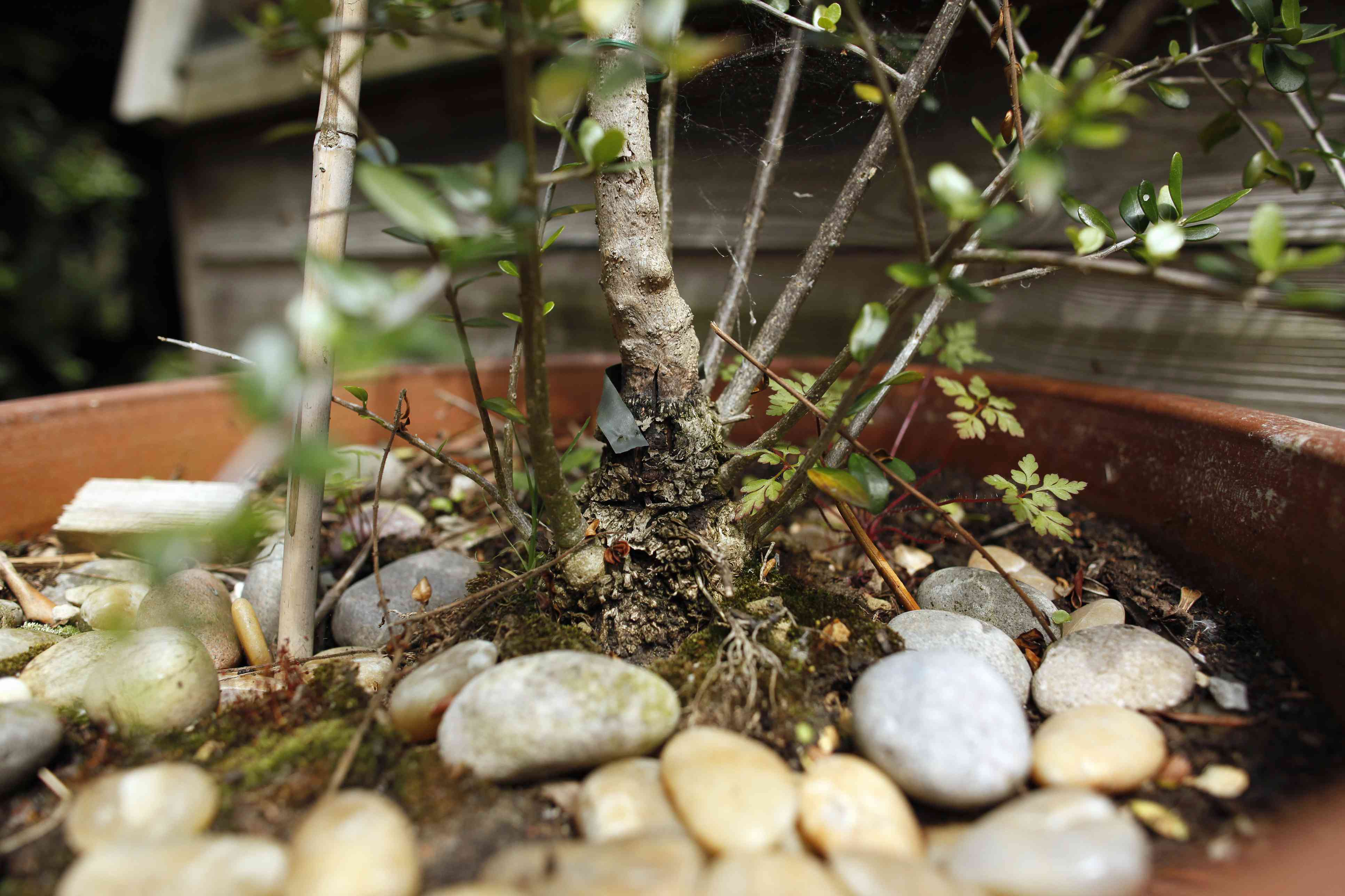
Plant suckers are the garden’s version of surprise guests: they show up without an invitation, bring their own agenda, and somehow multiply when you are not looking. One week your rose, apple tree, lilac, tomato, or crape myrtle looks polite and well-behaved. The next week, tiny shoots are popping from the base, the roots, the trunk, or every awkward corner like they have formed a leafy rebellion.
The good news? Plant suckers are not mysterious. They are simply vigorous shoots that grow from roots, the lower trunk, the base of a plant, or sometimes below a graft union. Some are harmless. Some are useful. Others steal energy, crowd the plant, reduce airflow, ruin the shape, or grow into a completely different plant than the one you thought you bought. Yes, gardening has plot twists.
Learning how to control and remove plant suckers helps keep trees, shrubs, vines, and vegetables healthier, neater, and more productive. Whether you are pruning tomato suckers for better airflow, cutting root suckers from fruit trees, or managing aggressive shoots around ornamental shrubs, the basic idea is the same: identify the sucker early, remove it correctly, and prevent the plant from responding with even more wild growth.
What Are Plant Suckers?
A plant sucker is a shoot that grows from a place where you usually do not want new growth. It may appear from underground roots, the base of a shrub, the lower trunk of a tree, or below the graft union on a grafted plant. On tomato plants, suckers grow in the leaf axils, which are the little “V” spaces between the main stem and side branches.
Suckers are often fast-growing because they are connected to a strong root system. They may look innocent when small, but if left alone, they can become thick stems, crowded branches, or even competing trunks. In fruit trees and ornamentals, suckers often pull energy away from flowers, fruit, and attractive structure. In vegetables such as tomatoes, excessive suckers can create dense foliage that reduces airflow and makes disease problems more likely.
Plant Suckers vs. Water Sprouts: What Is the Difference?
Gardeners often use the words “suckers” and “water sprouts” as if they are the same thing, but there is a helpful difference. Suckers usually arise from the roots, plant base, or lower trunk. Water sprouts are vigorous upright shoots that grow from branches or the trunk, often inside the canopy of a tree.
Both can be signs of stress, heavy pruning, injury, or a plant trying to recover from damage. For example, a fruit tree that has been pruned too hard may respond by sending up a forest of vertical water sprouts. The tree is not being dramatic for fun; it is trying to replace lost leaves quickly. Unfortunately, those shoots are often weak, crowded, and poor choices for long-term structure.
Why Do Plants Produce Suckers?
Plants produce suckers for several reasons. Some species naturally spread by suckering. Lilacs, raspberries, blackberries, aspens, sumacs, and some ornamental shrubs can use suckers as a normal growth strategy. In those cases, suckering is not a defect; it is the plant doing exactly what its genetics told it to do.
Other suckers appear because the plant is stressed. Root disturbance, drought, trunk injury, improper planting depth, winter damage, pests, disease, or severe pruning can all trigger new shoots. When a tree or shrub feels threatened, it may push out quick growth from dormant buds or roots.
Grafted plants are another major category. Many fruit trees, roses, citrus trees, and ornamental trees are grafted, meaning the desirable top part of the plant is joined to a different rootstock. If shoots grow from below the graft union, they usually belong to the rootstock, not the named variety. Left alone, these suckers may outgrow the desirable top and produce different leaves, flowers, thorns, or fruit.
Why You Should Control Plant Suckers
They Steal Energy
Suckers compete for water, nutrients, and sunlight. In fruit trees, this can reduce energy available for fruiting wood. In shrubs, it can make the plant look messy and overgrown. In tomatoes, too many suckers may produce extra foliage at the expense of manageable growth and good airflow.
They Can Ruin Plant Shape
A carefully trained tree can quickly lose its form when suckers sprout from the base or trunk. Crape myrtles, crabapples, cherries, apples, pears, and ornamental trees often look cleaner and healthier when lower suckers are removed early.
They May Increase Disease Risk
Crowded growth traps moisture and limits airflow. That creates a cozy little resort for fungal and bacterial problems. On susceptible fruit trees, tender sucker growth can also be vulnerable to certain diseases. Removing unwanted suckers helps open the plant and makes it easier for leaves and stems to dry after rain or irrigation.
They Can Come From the Wrong Plant
On grafted plants, suckers below the graft union may be vigorous but undesirable. A rootstock sucker can eventually dominate the plant. That means your lovely grafted rose or fruit tree may begin behaving like its rougher, tougher rootstock cousin. Family resemblance is not always a compliment.
How to Identify Plant Suckers
Before cutting, take a moment to identify where the shoot is coming from. This is the most important step because not all new growth is bad.
Look at the Origin Point
If the shoot comes from the soil near the plant, from an exposed root, or from the base of the trunk, it is likely a sucker. If it grows straight up from a branch or inside the canopy, it is more likely a water sprout. If it grows from the leaf axil of a tomato plant, it is a tomato sucker.
Check the Graft Union
On grafted plants, look for a swollen, knobby, or slightly angled area near the lower trunk. This is the graft union. Any shoot growing below that point should usually be removed because it comes from the rootstock.
Compare the Leaves
Rootstock suckers may have different leaf shapes, colors, thorns, or growth habits than the main plant. If a rose suddenly produces a cane with unusual foliage from below the graft, treat it with suspicion. It may be a botanical impersonator.
Best Tools for Removing Plant Suckers
For small suckers, your fingers may be enough. Young shoots can often be rubbed, pinched, or snapped off before they become woody. This is the easiest and cleanest method.
For larger suckers, use sharp hand pruners, loppers, or a small pruning saw. Clean tools are especially important when moving between plants, because dirty blades can spread disease. A quick wipe with disinfectant or alcohol between cuts is a smart habit, especially when pruning fruit trees, roses, and tomatoes.
Wear gloves when working around thorny roses, blackberries, citrus, or rough-barked trees. Safety glasses are also wise when reaching into shrubs. Few gardening moments are more humbling than being poked in the forehead by a branch you were trying to improve.
How to Remove Plant Suckers Step by Step
Step 1: Remove Suckers While They Are Small
The best time to remove suckers is when they are young, soft, and easy to detach. Small suckers create smaller wounds and are less likely to trigger a huge regrowth response. Walk through your garden every week or two during the growing season and look for new shoots at the base of plants, along trunks, and in tomato leaf axils.
Step 2: Trace the Sucker to Its Base
Do not simply clip off the top. Follow the sucker down to where it attaches. Cutting halfway up leaves a stub, and stubs often resprout. For root suckers, gently pull back mulch or soil so you can cut as close to the origin as practical.
Step 3: Pull, Rub, or Cut Cleanly
Soft suckers can often be rubbed off with a thumb or pulled downward with a quick motion. Woody suckers should be cut close to the trunk, root, or base without gouging the main plant. Make clean cuts. Ragged wounds heal poorly and invite problems.
Step 4: Do Not Leave Long Stubs
A long stub is basically an engraved invitation for more shoots. Cut close, but do not cut into the trunk or major root. The goal is to remove the sucker without creating unnecessary injury.
Step 5: Monitor for Regrowth
Some plants are persistent. After removing suckers, check again in a few weeks. Repeat removal is often necessary, especially with species that naturally sucker or with trees recovering from stress.
How to Control Suckers on Fruit Trees
Fruit trees such as apple, pear, peach, plum, cherry, and citrus often produce suckers from the base, lower trunk, or rootstock. These should usually be removed promptly, especially when they appear below the graft union.
For young fruit trees, sucker control is part of training. Remove shoots that compete with the main trunk or grow from the rootstock. For mature trees, remove base suckers and water sprouts that crowd the canopy, shade fruiting wood, or interfere with airflow. Avoid heavy pruning all at once, because severe cuts can encourage more vigorous sprouting.
When pruning fruit trees, keep your goal simple: preserve strong structure, allow sunlight into the canopy, and reduce weak, crowded, vertical growth. Suckers rarely help with that mission.
How to Remove Tomato Suckers
Tomato suckers are the shoots that grow between the main stem and a leaf branch. Whether you remove them depends on the type of tomato and how you support the plant.
Indeterminate tomatoes, which keep growing and producing through the season, often benefit from some sucker removal. Pruning helps keep the plant manageable, improves airflow, and can encourage earlier or larger fruit. Staked tomatoes are commonly pruned more than caged tomatoes.
Determinate tomatoes, which grow to a set size and produce most of their crop in a shorter window, usually need little or no sucker pruning. Removing too much growth from determinate varieties can reduce harvest.
For indeterminate tomatoes, pinch suckers when they are small, ideally a few inches long. Use your fingers rather than a knife when possible. Avoid pruning wet tomato plants because moisture can help spread disease. If you use scissors or pruners, clean them between plants.
How to Control Suckers on Shrubs
Many shrubs sucker naturally. Lilacs, sweetshrubs, kerria, sumac, forsythia, raspberries, and some viburnums can spread by sending up shoots from the base or roots. In a casual garden, this may create a fuller, more natural look. In a tight foundation bed, it can become a leafy traffic jam.
To control shrub suckers, cut unwanted shoots to the ground as they appear. For older, overgrown shrubs, renewal pruning may help. This means removing some of the oldest stems at ground level over several years rather than shearing the top into a green meatball. Renewal pruning encourages healthier new growth while keeping the plant within bounds.
If a shrub spreads aggressively beyond its space, consider installing a root barrier, relocating it, or replacing it with a better-behaved plant. Some plants do not want a small apartment; they want a whole neighborhood.
Should You Use Herbicide on Plant Suckers?
For ordinary garden maintenance, hand removal is usually the safest and best approach. Herbicides can injure desirable plants if applied carelessly, and some products can move through connected roots or contact exposed suckers and shallow roots.
Herbicides may be useful for controlling invasive woody plants, unwanted tree sprouts, or persistent root systems, but they require careful label reading and precise application. Cut-stump treatments, for example, are sometimes used on unwanted woody plants immediately after cutting. However, this is different from casually spraying suckers around a beloved fruit tree or ornamental shrub.
If the sucker belongs to a desirable plant you want to keep, avoid broad spraying. If you are dealing with invasive brush or a tree you are removing entirely, follow local extension guidance and the product label exactly. When in doubt, choose pruning first and chemicals last.
How to Prevent Plant Suckers From Coming Back
Avoid Over-Pruning
Heavy pruning is one of the biggest triggers for suckers and water sprouts. Remove what is necessary, but do not strip the plant bare. A tree that loses too much canopy often responds with frantic new growth.
Plant at the Right Depth
Trees planted too deeply may struggle and produce more suckers. The root flare should be visible at the soil surface. On grafted trees, keep the graft union above the soil line unless the plant’s instructions say otherwise.
Reduce Stress
Healthy plants sucker less aggressively than stressed plants. Water deeply during drought, mulch properly, avoid damaging trunks with mowers or string trimmers, and do not over-fertilize with nitrogen. Too much nitrogen can push soft, fast growth that invites more pruning and more problems.
Choose the Right Plant for the Space
If you plant a naturally suckering shrub in a narrow bed, you may spend years arguing with it. Choose compact cultivars, non-suckering alternatives, or plants that match the size and style of the location.
Common Mistakes to Avoid
The first mistake is waiting too long. A sucker that could have been rubbed off in May may need loppers by August. The second mistake is cutting suckers too high and leaving stubs. The third is removing too much healthy growth from a plant that actually needs some of those stems, such as cane berries or renewal-pruned shrubs.
Another common mistake is confusing suckers with desirable replacement growth. On older shrubs, some new shoots from the base may be exactly what you want. The trick is to remove weak, misplaced, crowded, or rootstock growth while keeping healthy stems that improve the plant.
Real Garden Experience: What Controlling Plant Suckers Teaches You
If you garden long enough, plant suckers will teach you patience, observation, and humility. They also teach you that plants do not read the design plan. You may draw a neat little garden layout, plant everything with care, and imagine a tidy paradise. Then a lilac sends a sucker two feet away from the main clump, a tomato turns into a jungle, and the apple tree grows a dozen vertical shoots that look like it is trying to become a radio antenna.
One of the most useful experiences is learning to catch suckers early. The first few times, gardeners often ignore them because they look small and harmless. Then those shoots harden, thicken, and become harder to remove. After a season or two, you start noticing them sooner. A quick garden walk with pruners becomes as normal as watering. You spot the shoot, trace it to the base, remove it cleanly, and move on before it becomes a weekend project.
Tomatoes are a perfect training ground. Many new gardeners hear “remove tomato suckers” and panic, as if every wrong pinch will ruin dinner. In practice, tomatoes are forgiving. You learn to identify the little shoots in the leaf axils, pinch them while they are small, and leave enough foliage to shade fruit and feed the plant. You also learn that pruning style depends on support. A staked indeterminate tomato may need regular pruning, while a large caged plant can carry more foliage. The plant, the support system, and the climate all matter.
Fruit trees offer a different lesson. Rootstock suckers are not just cosmetic. They can become serious competitors. When you remove them early, the tree keeps its energy focused on the grafted variety you actually want. When you ignore them, the base can become crowded, mowing becomes annoying, and the tree starts looking neglected. A few minutes of seasonal attention saves much bigger pruning later.
Suckering shrubs teach another lesson: control does not always mean total elimination. Some shrubs look best with a steady supply of young stems. Lilacs, for example, can benefit from renewal pruning that removes older trunks while allowing selected younger stems to replace them. In that case, the gardener’s job is not to destroy every sucker, but to choose which stems earn a place. Think of it as plant auditions. Not everyone gets a callback.
The biggest practical lesson is that sucker control works best when combined with good plant care. If a tree is planted too deep, battered by string trimmers, overfed, underwatered, or pruned like a coat rack, sucker removal alone will not solve the problem. The plant is reacting to stress. Fix the stress, and the sucker problem often becomes easier to manage.
Finally, experience teaches you not to be too dramatic. A few suckers do not mean your garden has failed. They are normal plant behavior. The key is regular attention. Remove what is unwanted, keep what is useful, and avoid turning pruning into punishment. The best gardeners are not the ones who cut the most. They are the ones who know why they are cutting.
Conclusion
Learning how to control and remove plant suckers is one of those small gardening skills that makes a big difference. It keeps fruit trees focused, shrubs attractive, tomatoes manageable, and grafted plants true to type. The secret is simple: identify where the sucker is coming from, remove it while it is small, use clean tools, and avoid the stress factors that encourage excessive regrowth.
Plant suckers may be persistent, but they are not unbeatable. With regular inspection and smart pruning, you can keep your garden looking intentional instead of overrun. And when a plant sends up one more unwanted shoot after you just cleaned it up? Smile, grab your pruners, and remember: gardening is just nature’s way of making sure you never run out of tiny chores.
Note: This article is for general home gardening education. For severe disease, invasive woody plants, or large tree work, consult a certified arborist or your local Cooperative Extension office.










