
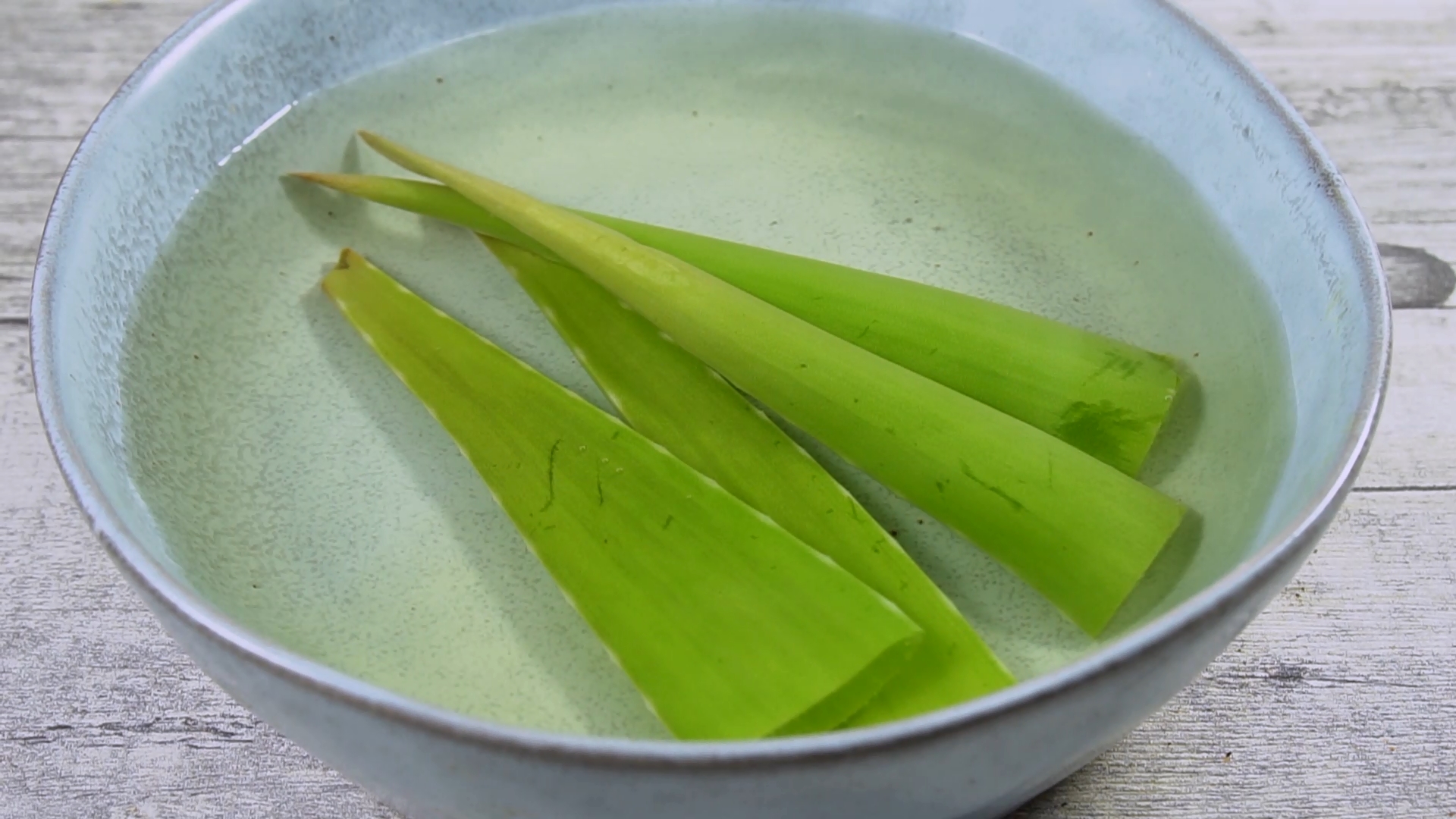
Aloe vera is famous for soothing sunburns, sitting politely on kitchen windowsills, and surviving the kind of plant care that would make a basil plant file a complaint. But here is the fun twist: the clear inner gel of edible aloe vera leaves can also be prepared for drinks, desserts, salads, and refreshing light dishes. Learning how to cook aloe vera is less about “cooking” it like a carrot and more about cleaning, trimming, blanching, and flavoring it correctly.
The secret is simple but important: use only the clear inner gel, remove the bitter yellow latex, and never eat aloe vera skin-care gel from a bottle. Fresh aloe has a cool, slippery, mildly crisp texture when prepared well. Prepared badly, it tastes like a bitter houseplant with commitment issues. This guide walks you through 11 practical steps for cooking aloe vera safely, reducing bitterness, and turning the plant into something you actually want to eat.
Is Aloe Vera Edible?
Yes, parts of aloe vera can be edible, especially the clear inner gel from food-grade aloe vera leaves. However, aloe vera is not a “just chew the whole leaf” ingredient. The leaf has three main parts: the green outer rind, the yellow latex just under the rind, and the clear gel in the center. The gel is the part most commonly used in homemade aloe drinks, desserts, and cooling recipes.
The yellow latex is the problem child. It contains bitter compounds, including aloin, and may cause stomach cramps or diarrhea if consumed. That is why proper trimming, soaking, and rinsing are not optional. Think of it as the culinary equivalent of removing the plastic wrap before microwaving leftovers: technically obvious, but still worth saying loudly.
What Does Cooked Aloe Vera Taste Like?
Properly prepared aloe vera gel has a mild, clean, slightly vegetal flavor. Its texture is more interesting than its taste: slippery at first, then lightly crunchy when blanched and chilled. It works beautifully with citrus, honey, mint, cucumber, coconut water, green tea, lychee, pineapple, yogurt, and chilled fruit desserts.
If your aloe tastes aggressively bitter, something went wrong. Usually, the yellow latex was not drained or rinsed away thoroughly. Do not try to “fix” very bitter aloe with three pounds of sugar and optimism. Rinse it again, soak it, blanch it, or start over with a cleaner piece of gel.
Ingredients and Tools You Need
Ingredients
- 1 large fresh food-grade aloe vera leaf
- Cold water, for rinsing and soaking
- 1 tablespoon lemon or lime juice
- 1/2 teaspoon salt, optional for soaking
- Ice water, for cooling after blanching
- Optional sweeteners: honey, maple syrup, agave, or simple syrup
- Optional flavorings: mint, ginger, orange juice, coconut water, cucumber, pineapple, or green tea
Tools
- Sharp knife
- Cutting board
- Spoon
- Bowl
- Small saucepan
- Fine-mesh strainer
- Clean storage container
How to Cook Aloe Vera: 11 Steps
Step 1: Choose the Right Aloe Vera Leaf
Start with a thick, mature, food-grade aloe vera leaf. Many grocery stores, Latin markets, Asian markets, and specialty produce sections sell large aloe leaves for culinary use. Choose a leaf that feels firm, heavy, and fresh. Avoid leaves that are moldy, mushy, dried out, or leaking too much liquid.
Do not use decorative houseplants unless you are sure the plant is true edible aloe vera and has not been treated with pesticides or ornamental plant chemicals. Also, do not use bottled aloe vera gel meant for sunburns. If the label belongs in the first-aid aisle, it does not belong in your smoothie.
Step 2: Wash the Leaf Thoroughly
Before cutting, rinse the entire aloe leaf under cool running water. Rub the surface gently to remove dirt and residue. This matters because your knife can drag bacteria or dirt from the outside of the leaf into the clear gel as you cut.
Use water only. Soap, detergent, and household cleaners are not food ingredients, even when they smell like “mountain breeze.” After washing, pat the leaf dry with a clean towel so it does not slide around the cutting board like a green banana peel in a cartoon.
Step 3: Trim the Base and Drain the Yellow Latex
Place the aloe leaf on a cutting board and trim off about one inch from the thick base. Stand the leaf upright in a bowl or jar with the cut end facing down. Let it drain for 15 to 30 minutes. You may see yellow liquid drip out. That is aloe latex, and it is the part you want to remove.
Draining is one of the most important steps in preparing aloe vera for cooking. It reduces bitterness and helps keep your final dish clean-tasting. When the draining time is finished, rinse the cut end again under running water.
Step 4: Cut Away the Spiky Edges
Lay the leaf flat on the cutting board. Using a sharp knife, slice off the spiky edges on both sides. Try to remove the thorns cleanly without taking away too much gel. The spiky edges are not dangerous once trimmed, but they are not pleasant to handle or eat.
If your leaf is very large, cut it into shorter sections before peeling. Smaller sections are easier to manage, especially if this is your first time handling aloe. Aloe gel is slippery, and nobody wins an argument with a wet cutting board.
Step 5: Peel Off the Green Rind
Now remove the green outer skin. Slide your knife carefully between the rind and the clear gel, working slowly. You can also peel one flat side first, then use a spoon to scoop the gel away from the remaining rind.
Trim away any green or yellowish pieces still attached to the gel. The goal is clear, transparent aloe only. If the gel has yellow streaks, rinse it well. If it still smells strongly bitter, trim more generously near the rind.
Step 6: Rinse the Aloe Gel Several Times
Place the clear gel pieces in a bowl of cold water. Swish them around gently, drain, and repeat two or three times. This helps remove remaining latex and reduces the slick, bitter coating on the surface.
For extra bitterness control, soak the cubes for 10 to 15 minutes in cold water with lemon juice and a small pinch of salt. Then rinse again. The lemon brightens the flavor, while the soak helps make the gel taste cleaner and fresher.
Step 7: Cut the Gel Into Cubes or Strips
Cut the rinsed aloe gel into small cubes, thin strips, or “noodles,” depending on how you plan to use it. Small cubes are perfect for drinks, fruit bowls, yogurt, and chilled desserts. Thin strips work nicely in salads or herbal teas.
Keep the pieces bite-sized. Large chunks of aloe can feel too slippery and awkward, like trying to eat a jellyfish that went to finishing school. Small cubes give you a pleasant pop of cool texture without overwhelming the dish.
Step 8: Blanch the Aloe Vera Briefly
Bring a small pot of water to a boil. Add the aloe cubes and blanch them for 30 to 60 seconds. Do not boil them for a long time. Aloe vera gel is delicate, and overcooking can make it watery and limp.
Blanching helps tame the raw flavor, reduces slime, and gives the gel a cleaner texture. It also makes the aloe more pleasant in drinks and desserts. After blanching, drain the cubes immediately.
Step 9: Shock the Aloe in Ice Water
Transfer the hot aloe cubes to a bowl of ice water. Let them sit for about 3 to 5 minutes, then drain well. This quick cooling step helps preserve a light, bouncy texture.
At this point, taste a small piece. It should be mild, refreshing, and only slightly vegetal. If it is still bitter, rinse again in cold water. If it is extremely bitter, the gel may have held too much latex and should not be used.
Step 10: Flavor the Aloe Vera
Aloe vera is a quiet ingredient, so it appreciates louder friends. Toss the prepared cubes with lime juice, honey, and mint for a quick topping. Stir them into coconut water with pineapple. Add them to green tea with lemon. Mix them into fruit salad with oranges, strawberries, and kiwi.
For a simple aloe vera drink, combine 2 tablespoons of prepared aloe cubes with 1 cup cold coconut water, 1 teaspoon lime juice, and honey to taste. Stir, chill, and serve over ice. For a dessert-style version, add aloe cubes to chilled lychee, melon, or mango. Suddenly your humble aloe leaf has vacation energy.
Step 11: Store Cooked Aloe Vera Safely
Fresh prepared aloe vera is best used the same day. If you need to store it, place the drained cubes in a clean airtight container and refrigerate. Use within 2 to 3 days for the best texture and flavor.
Do not leave prepared aloe sitting at room temperature for hours. Once it is peeled, cut, and cooked, treat it like fresh cut produce. Keep it cold, use clean utensils, and discard it if it smells sour, turns cloudy, grows mold, or develops an unpleasant texture.
Easy Ways to Use Cooked Aloe Vera
Aloe Vera Lemonade
Add 2 to 3 tablespoons of cooked aloe cubes to a glass of lemonade. The aloe gives the drink a chewy, refreshing texture similar to jelly cubes. Fresh mint makes it even better.
Aloe Vera Coconut Cooler
Combine cooked aloe cubes, coconut water, lime juice, and a small amount of honey. Serve over ice. This is one of the easiest aloe vera recipes because coconut water naturally softens aloe’s green flavor.
Aloe Vera Fruit Bowl
Mix aloe cubes with mango, pineapple, orange segments, strawberries, and kiwi. Add a squeeze of lime. The fruit adds sweetness and acidity, while the aloe adds a cooling texture.
Aloe Vera Yogurt Parfait
Layer Greek yogurt, honey, granola, berries, and a spoonful of aloe cubes. Keep the aloe pieces small so they blend into the parfait instead of announcing themselves like unexpected guests.
Aloe Vera Green Tea
Brew green tea, chill it, and add cooked aloe cubes with lemon. Sweeten lightly if desired. The result is clean, earthy, and refreshing without being heavy.
Common Mistakes to Avoid
Eating the Yellow Latex
The yellow latex is bitter and may cause digestive discomfort. Always drain, trim, soak, and rinse the gel thoroughly. If the aloe tastes sharply bitter, do not ignore it.
Using Cosmetic Aloe Gel
Only use fresh food-grade aloe or products clearly labeled for consumption. Cosmetic aloe gel may contain preservatives, fragrances, alcohol, or other ingredients that are not meant to be eaten.
Skipping the Blanching Step
You can eat properly cleaned aloe gel raw, but blanching improves texture and flavor. It is especially useful when serving aloe to people who are new to it.
Overcooking the Gel
Aloe vera does not need a long simmer. A quick blanch is enough. Too much heat can make the gel watery, soft, and less appealing.
Making Health Claims Too Big for the Bowl
Aloe vera has a long history of topical and oral use, but a homemade aloe drink is not a magic potion. Enjoy it as a refreshing ingredient, not a substitute for medical care. People who are pregnant, breastfeeding, taking medications, or managing kidney, liver, digestive, or blood sugar conditions should speak with a healthcare professional before consuming aloe regularly.
Flavor Pairings That Make Aloe Vera Taste Better
Aloe vera loves bright, juicy flavors. Citrus fruits such as lemon, lime, orange, and grapefruit help balance its mild bitterness. Tropical fruits such as pineapple, mango, lychee, and passion fruit make aloe feel dessert-ready. Herbs such as mint, basil, and lemongrass add freshness. Ginger adds warmth and makes aloe drinks taste more intentional.
For sweeteners, use a light hand. Honey, agave, maple syrup, and simple syrup all work, but too much sweetness can make aloe taste medicinal. A good rule is to flavor the drink or dish first, then add aloe as the cooling texture.
Best Tips for Cooking Aloe Vera Successfully
- Use thick, mature, food-grade leaves for the most gel.
- Drain the yellow latex before peeling.
- Trim generously near the rind to avoid bitter residue.
- Rinse the clear gel several times.
- Blanch briefly, then cool in ice water.
- Pair aloe with citrus, tropical fruit, tea, or coconut water.
- Keep prepared aloe refrigerated and use it quickly.
Personal Kitchen Experience: What Cooking Aloe Vera Is Really Like
The first time you cook aloe vera, you may feel like you are preparing something from a science lab instead of a kitchen. The leaf is big, glossy, and dramatic. The gel is slippery. The yellow latex appears and immediately explains why preparation guides keep warning you about bitterness. It is not difficult, but it does demand patience.
One helpful experience is to treat aloe vera like a delicate ingredient, not a vegetable you can bully into submission. When you rush the draining and rinsing steps, the final cubes often taste unpleasantly bitter. When you give the leaf time to drain, rinse the gel until it feels clean, and blanch it briefly, the result is surprisingly gentle. It becomes less “medicinal plant” and more “refreshing jelly cube.”
Aloe vera is especially fun in summer drinks. Add a spoonful to limeade, coconut water, or iced green tea, and it brings texture without heaviness. It is not as sweet as boba, not as firm as nata de coco, and not as soft as gelatin. It lands somewhere in the middle: cool, clean, and slightly crisp. People who enjoy chewy drinks usually like it. People who dislike slippery textures may need smaller cubes and stronger flavors.
Another useful lesson is that aloe vera should not be the loudest ingredient in the recipe. It performs best as a supporting character. Pineapple, orange, lemon, ginger, mint, and honey do the talking; aloe brings the refreshing texture. In fruit salad, it works best with juicy fruits rather than dry or mealy ones. Mango, citrus, berries, grapes, melon, and kiwi are good partners. Apples and bananas can work, but they do not highlight aloe as well.
If you are serving aloe vera to guests, introduce it in a familiar format. Aloe lemonade is easier to love than a plain bowl of aloe cubes. A yogurt parfait with berries and honey feels approachable. A coconut aloe cooler looks pretty and tastes mild. Once people get used to the texture, you can try more adventurous ideas like aloe cucumber salad, aloe mint tea, or aloe with chilled lychee.
The biggest practical tip is to prepare only what you need. Fresh aloe does not improve with a long stay in the refrigerator. The texture is best shortly after blanching and chilling. If you make a large batch, store it cold in a clean container and use it within a couple of days. When in doubt, smell it and inspect it. Fresh aloe should smell clean and mild, not sour or fermented.
Cooking aloe vera is not complicated, but it rewards careful hands. Drain the latex, rinse like you mean it, blanch briefly, chill quickly, and pair it with bright flavors. Do that, and aloe vera becomes more than the emergency sunburn plant on the windowsill. It becomes a refreshing kitchen ingredient with personalityslippery personality, yes, but personality all the same.
Conclusion
Learning how to cook aloe vera is mostly about preparation. Choose a food-grade leaf, wash it, drain the yellow latex, remove the rind, rinse the clear gel, blanch it briefly, and chill it before using. Once prepared, aloe vera can add a cool, lightly chewy texture to drinks, desserts, fruit bowls, and refreshing snacks.
The most important rule is safety: use only the clear inner gel and avoid the yellow latex. Keep your preparation clean, store cooked aloe in the refrigerator, and enjoy it in moderation. With citrus, honey, mint, coconut water, or tropical fruit, aloe vera can be surprisingly delicious. It may look like a plant with a secret identity, but once you know the steps, it is easy to turn into something bright, fresh, and fun.
Note: This article is for culinary education only. Use food-grade aloe vera, remove the yellow latex carefully, and consult a healthcare professional before consuming aloe regularly if you are pregnant, breastfeeding, taking medication, or managing a medical condition.














