
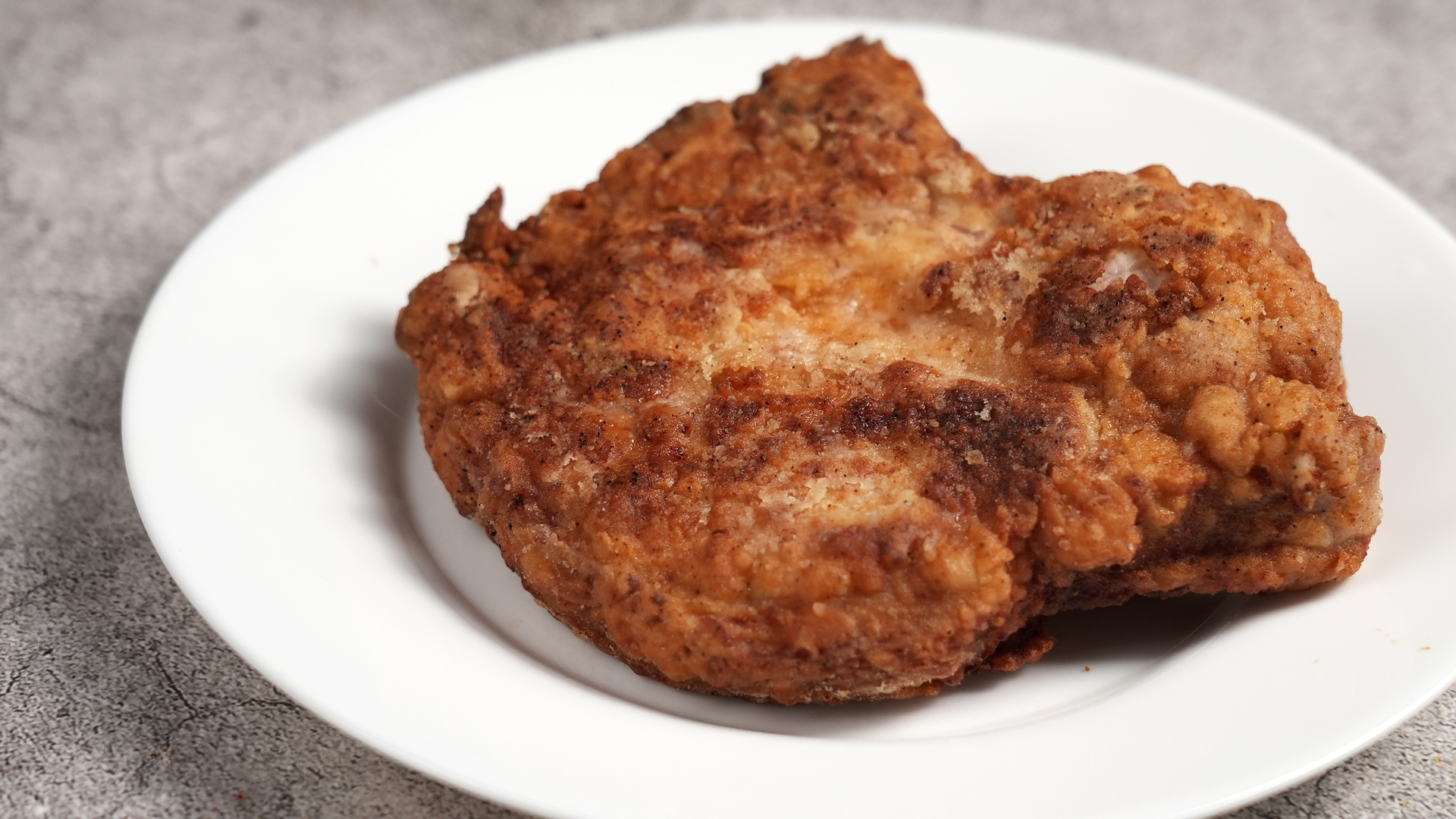
Pork chops have a funny reputation. Cooked right, they are juicy, golden, savory, and weeknight-friendly. Cooked wrong, they become the kind of dry little hockey puck that makes everyone suddenly “not that hungry.” The good news? Learning how to cook pork chops on the stove is one of the easiest ways to rescue this classic cut from its undeserved boring-dinner status.
A skillet, a few pantry seasonings, a little patience, and a meat thermometer are all you need. No fancy smoker. No oven required. No dramatic chef hat unless you already own one and enjoy startling your family at 6 p.m.
This guide covers the best stovetop method for tender pork chops, plus tasty recipes, seasoning ideas, troubleshooting tips, and real-world cooking experience to help you make chops that are crisp on the outside and juicy in the center. Whether you are cooking boneless pork chops, bone-in pork chops, thin chops, or thick-cut beauties, the stove can handle them beautifully.
Why Cook Pork Chops on the Stove?
Stovetop pork chops are fast, flavorful, and wonderfully practical. The direct heat of a skillet creates a deep brown crust, also known as the part everyone secretly wants more of. That browning adds richness and texture while keeping the inside tender when the chops are cooked to the correct temperature.
Another advantage is control. Unlike baking, where the pork chops disappear into the oven and you hope for the best, stovetop cooking lets you see, smell, flip, baste, and adjust as you go. If the pan is too hot, lower the heat. If the crust needs more color, give it another minute. You are not just cooking dinner; you are conducting a tiny pork orchestra.
Best Pork Chops for Stovetop Cooking
Bone-In Pork Chops
Bone-in pork chops are excellent for pan-searing because the bone helps protect the meat from drying out. They usually have a little more fat, which means more flavor. A one-inch-thick bone-in chop is a great choice for beginners because it gives you enough time to develop a crust before the inside overcooks.
Boneless Pork Chops
Boneless pork chops cook quickly and are easy to slice, serve, and pack for leftovers. Because they are lean, they need careful attention. They can go from juicy to “chewy office cafeteria memory” in just a couple of minutes. Use a thermometer and avoid blasting them over high heat the entire time.
Thin-Cut Pork Chops
Thin pork chops are perfect for fast dinners. They can cook in 2 to 3 minutes per side, depending on thickness. They are also great breaded or lightly dredged in seasoned flour. The downside is that they overcook quickly, so keep your eyes on the pan and your phone out of your hand.
Thick-Cut Pork Chops
Thick-cut chops are ideal for a restaurant-style skillet dinner. They need a strong sear followed by gentler heat. For extra flavor, finish them with butter, garlic, and herbs. Thick chops are also the best choice for pan sauces because they leave behind browned bits that turn into liquid gold when deglazed.
The Safe Internal Temperature for Pork Chops
The safest and most reliable way to know when pork chops are done is to use an instant-read thermometer. Fresh pork chops should reach an internal temperature of 145°F, followed by a 3-minute rest. During that rest, the juices redistribute and the temperature can rise slightly. A little blush of pink in the center is fine as long as the chop has reached the proper temperature.
Insert the thermometer into the thickest part of the chop, avoiding the bone. If you are cooking thin chops, check from the side for the most accurate reading. Guessing by color alone is risky because pork can look pale before it is fully cooked or slightly pink even when it is safe.
Essential Ingredients for Juicy Stovetop Pork Chops
You do not need a long shopping list. The best skillet pork chops are built on a few simple ingredients:
- Pork chops: Bone-in or boneless, ideally 3/4 inch to 1 inch thick.
- Salt: The key to seasoning the meat deeply.
- Black pepper: Classic, simple, and always welcome.
- Oil: Use a high-heat oil such as canola, avocado, vegetable, or light olive oil.
- Butter: Adds richness and helps create a glossy finish.
- Garlic and herbs: Rosemary, thyme, sage, or parsley work beautifully.
- Acid: Lemon juice, apple cider vinegar, or Dijon mustard can brighten the final sauce.
How to Cook Pork Chops on the Stove Step by Step
Step 1: Pat the Pork Chops Dry
Moisture is the enemy of browning. Before seasoning, pat both sides of the pork chops dry with paper towels. A dry surface helps the pork sear instead of steam. This one tiny step makes a big difference, especially if you want that golden crust that says, “Yes, I know what I’m doing.”
Step 2: Season Generously
Season both sides with salt and pepper. For better flavor, season the chops 20 to 30 minutes before cooking. This gives the salt time to work into the meat. If you are short on time, season right before cooking and proceed proudly. Dinner does not need to become a science fair project.
Step 3: Preheat the Skillet
Use a cast-iron, stainless-steel, or heavy-bottomed skillet. Preheat it over medium-high heat until hot. Add oil and wait until it shimmers. A properly heated pan helps the pork release more easily and brown evenly.
Step 4: Sear the First Side
Add the pork chops to the skillet without crowding. Leave at least an inch of space between them. If the pan is crowded, the chops steam instead of sear. Cook the first side for 3 to 5 minutes, depending on thickness, until deeply golden.
Step 5: Flip and Reduce Heat
Flip the chops and reduce the heat to medium. Continue cooking until the internal temperature approaches 140°F to 145°F. For thicker chops, flip every minute or two after the initial sear to promote even cooking.
Step 6: Add Butter, Garlic, and Herbs
During the last few minutes, add butter, smashed garlic cloves, and herbs to the skillet. Tilt the pan slightly and spoon the melted butter over the pork chops. This basting step adds flavor, shine, and a little “fancy restaurant” energy without requiring a reservation.
Step 7: Rest Before Serving
Transfer the pork chops to a plate and rest for at least 3 minutes. Do not slice immediately. Resting helps keep the juices in the meat instead of all over the cutting board. You worked hard for those juices. Keep them where they belong.
Recipe 1: Classic Garlic Butter Pork Chops
Ingredients
- 4 pork chops, about 1 inch thick
- 1 1/2 teaspoons kosher salt
- 1 teaspoon black pepper
- 1 teaspoon garlic powder
- 1 tablespoon neutral oil
- 3 tablespoons unsalted butter
- 3 garlic cloves, smashed
- 2 sprigs fresh thyme or rosemary
- 1 teaspoon lemon juice
Instructions
- Pat pork chops dry and season with salt, pepper, and garlic powder.
- Heat oil in a large skillet over medium-high heat.
- Sear pork chops for 3 to 5 minutes on the first side.
- Flip, reduce heat to medium, and cook for another 3 to 5 minutes.
- Add butter, garlic, and herbs. Spoon butter over the chops until they reach 145°F.
- Rest for 3 minutes, finish with lemon juice, and serve.
Serving idea: Pair with mashed potatoes, green beans, roasted carrots, or a crisp apple slaw.
Recipe 2: Honey Mustard Skillet Pork Chops
Honey mustard pork chops are sweet, tangy, and perfect for people who like dinner to have a little personality. The sauce comes together in the same pan, which means fewer dishes and more time to enjoy pretending you are not going back for seconds.
Ingredients
- 4 boneless or bone-in pork chops
- 1 teaspoon salt
- 1/2 teaspoon black pepper
- 1 tablespoon olive oil
- 2 tablespoons butter
- 2 tablespoons Dijon mustard
- 1 tablespoon honey
- 1/2 cup chicken broth
- 1 teaspoon apple cider vinegar
- 1 tablespoon chopped parsley
Instructions
- Season pork chops with salt and pepper.
- Sear in oil over medium-high heat until browned on both sides.
- Remove pork chops to a plate when nearly cooked through.
- Lower heat and add butter, Dijon mustard, honey, broth, and vinegar.
- Simmer for 2 to 3 minutes, scraping up browned bits from the pan.
- Return pork chops to the skillet and spoon sauce over the top.
- Cook until the pork reaches 145°F, then rest before serving.
Recipe 3: Southern-Style Pan-Fried Pork Chops
For a crispier, comfort-food version, lightly dredge pork chops in seasoned flour. This method works especially well with thin or medium-cut chops. The coating turns golden and savory while the inside stays tender.
Ingredients
- 4 thin-cut pork chops
- 1 cup all-purpose flour
- 1 teaspoon salt
- 1 teaspoon paprika
- 1/2 teaspoon black pepper
- 1/2 teaspoon garlic powder
- 1/4 teaspoon cayenne pepper, optional
- 3 tablespoons oil
- 1 tablespoon butter
Instructions
- Pat pork chops dry.
- Mix flour, salt, paprika, pepper, garlic powder, and cayenne in a shallow dish.
- Dredge pork chops lightly, shaking off excess flour.
- Heat oil and butter in a skillet over medium heat.
- Cook pork chops for 2 to 4 minutes per side, depending on thickness.
- Drain briefly on a rack or paper towel and rest before serving.
Tip: Do not bury the chops in flour. A light coating is enough. Too much flour can taste heavy and fall off in the pan.
Recipe 4: Apple Onion Pork Chops
Pork and apples are a classic pairing for a reason. Apples bring sweetness, onions bring depth, and the skillet brings everything together like a tiny cast-iron peace treaty.
Ingredients
- 4 pork chops
- 1 teaspoon salt
- 1/2 teaspoon black pepper
- 1 tablespoon oil
- 1 tablespoon butter
- 1 large onion, thinly sliced
- 2 apples, sliced
- 1/2 cup chicken broth
- 1 teaspoon Dijon mustard
- 1 teaspoon apple cider vinegar
Instructions
- Season pork chops and sear in oil until browned on both sides.
- Remove chops and add butter, onions, and apples to the skillet.
- Cook until softened and lightly caramelized.
- Add broth, Dijon mustard, and vinegar, scraping the pan.
- Return pork chops to the skillet and simmer until they reach 145°F.
- Rest, then serve with the apple-onion mixture spooned over the top.
Common Mistakes When Cooking Pork Chops on the Stove
Mistake 1: Cooking Straight from the Fridge
Cold pork chops can cook unevenly. Let them sit at room temperature for about 15 to 20 minutes before cooking, but do not leave them out for hours. This short rest helps the surface dry slightly and promotes better browning.
Mistake 2: Skipping the Thermometer
A thermometer is not a crutch. It is a confidence tool. Pork chops vary in thickness, pan heat varies, and “five minutes per side” is only a guideline. Temperature is the truth.
Mistake 3: Moving the Chops Too Much at First
When the pork first hits the pan, let it sear. If you poke, slide, and flip too early, the crust will not form properly. Give the first side time to brown before moving it.
Mistake 4: Overcooking
Modern pork is lean, which means it can dry out quickly. Pull the chops from the heat when they reach 145°F or slightly before if carryover cooking will finish the job. Then rest them before slicing.
Mistake 5: Forgetting the Pan Sauce
Those browned bits stuck to the skillet are flavor treasure. Add broth, wine, cider, lemon juice, mustard, or cream to create a quick sauce. Scrape the pan, simmer briefly, and spoon it over the chops.
Easy Seasoning Ideas for Stovetop Pork Chops
Once you master the basic method, change the flavor profile with simple seasoning blends:
- Smoky BBQ: Paprika, garlic powder, onion powder, brown sugar, chili powder.
- Italian Herb: Basil, oregano, garlic, black pepper, lemon zest.
- Cajun Style: Paprika, cayenne, thyme, garlic powder, onion powder.
- Maple Mustard: Dijon mustard, maple syrup, black pepper, apple cider vinegar.
- Lemon Pepper: Lemon zest, cracked pepper, garlic, parsley.
- Garlic Parmesan: Garlic powder, grated Parmesan, parsley, black pepper.
What to Serve with Pork Chops
Pork chops are versatile, so sides can go cozy, fresh, or somewhere in between. For classic comfort, serve them with mashed potatoes, gravy, buttered noodles, cornbread, or mac and cheese. For a lighter plate, try roasted asparagus, sautéed spinach, green beans, cabbage slaw, or a bright cucumber salad.
If you are making apple onion pork chops, pair them with wild rice or roasted sweet potatoes. If you are making garlic butter pork chops, serve them with creamy polenta or crusty bread to catch the sauce. If you are cooking Southern-style pan-fried chops, collard greens and biscuits are never a bad idea. In fact, biscuits are rarely a bad idea in any situation.
How to Store and Reheat Pork Chops
Store leftover pork chops in an airtight container in the refrigerator for 3 to 4 days. For the best texture, reheat gently. A covered skillet over low heat with a splash of broth works better than blasting them in the microwave. If using a microwave, cover the pork and heat in short intervals to avoid drying it out.
Leftover pork chops can also be sliced thin and used in sandwiches, fried rice, grain bowls, tacos, or salads. A cold pork chop may not sound glamorous, but sliced into a lunch bowl with rice, pickled onions, and a quick sauce? Suddenly it has a comeback story.
Experience-Based Tips for Better Stovetop Pork Chops
After cooking pork chops many different ways, the biggest lesson is simple: pork chops reward attention but punish panic. They are not difficult, but they are quick. The best results usually come from setting everything up before the pork hits the pan. Have the butter ready, herbs washed, thermometer nearby, plate waiting, and sauce ingredients measured. Once the skillet is hot, things move fast.
One of the most useful experiences is learning the sound of the pan. When a pork chop goes into a properly heated skillet, it should sizzle confidently, not scream like a smoke alarm audition and not whisper like it has stage fright. A steady sizzle means browning is happening. If the pan is smoking aggressively, lower the heat. If nothing much happens, the pan was not hot enough.
Another practical tip is to match the recipe to the pork chop. Thin boneless chops are great for breading and fast pan-frying, but they are not ideal for long butter-basting. Thick bone-in chops are wonderful with garlic butter or apple onion sauce because they have enough cooking time to build layers of flavor. Trying to use the same method for every chop is like wearing flip-flops to shovel snow. Technically possible, emotionally questionable.
Seasoning early also makes a noticeable difference. Even 20 minutes with salt can improve flavor. For thicker chops, a simple dry brine of salt, pepper, and garlic powder for 30 minutes helps the meat taste seasoned all the way through. Just remember to pat the surface dry before cooking. Wet pork chops brown poorly, and a poor crust is a tiny tragedy.
Butter-basting is one of those techniques that sounds fancy but feels natural after you try it once. Add butter near the end, not at the beginning, because butter can burn over high heat. Toss in smashed garlic and thyme, tilt the skillet, and spoon the foamy butter over the chops. The smell alone may cause people to wander into the kitchen asking, “When’s dinner?” even if they were not previously helpful.
Resting is another habit worth building. Many home cooks skip it because the pork looks ready and everyone is hungry. But slicing immediately can send juices running across the plate. A short rest gives the pork time to settle, making each bite more tender. Use that time to finish the pan sauce, toss a salad, or dramatically announce that dinner is “almost plated,” which sounds more professional than “I’m looking for the serving spoon.”
Finally, do not be afraid of pan sauces. They are the secret weapon of stovetop pork chops. After removing the meat, add a splash of broth, cider, or wine to the skillet and scrape up the browned bits. Add mustard, honey, lemon, cream, or butter depending on the flavor you want. In two minutes, you can turn a simple pork chop into something that tastes planned, polished, and far more expensive than it was.
The real beauty of stovetop pork chops is that they fit real life. They can be simple enough for Tuesday, cozy enough for Sunday, and impressive enough for guests who arrive hungry and leave asking what you did differently. The answer, of course, is not magic. It is heat, seasoning, timing, and the wisdom to stop cooking before the pork turns into a doorstop.
Conclusion
Learning how to cook pork chops on the stove is one of the most useful kitchen skills for quick, satisfying dinners. Start with the right cut, dry the surface, season well, use a hot skillet, cook to 145°F, and let the chops rest. From garlic butter pork chops to honey mustard, Southern-style pan-fried chops, and apple onion skillet pork chops, the stovetop gives you endless ways to turn a simple cut of pork into a flavorful meal.
The best pork chops are juicy, golden, and balanced with the right sauce or side dish. Once you understand the basic method, you can adjust seasonings, sauces, and cooking times to match your taste. Keep a thermometer nearby, trust the skillet, and remember: dinner does not have to be complicated to be delicious.













