
Note: Clean HTML body only, ready for web publishing, with no extra source-code commentary or placeholder artifacts.
If you have ever tried learning French numbers and felt personally attacked by vingt, trente, and cinquante, welcome to the club. The good news is that counting to 50 in French is much less terrifying than it looks. In fact, once you understand a few patterns, French numbers start acting less like tricky little goblins and more like organized cousins with fancy accents.
This guide breaks the process into 11 easy steps, so you can learn how to count to 50 in French without sounding like you got into a fight with a dictionary. You will learn the essential French numbers, spot the patterns, practice pronunciation, and pick up memory tricks that actually work in real life. Whether you are studying for school, planning a trip, or just trying to impress your friends with a dramatic quarante-deux, this step-by-step guide will help you get there.
Step 1: Start with Zero Through Ten
Before you sprint toward 50, lock down the basics. These numbers are the foundation for everything else in French counting. Learn them slowly, say them out loud, and repeat them until they feel natural.
- 0 = zéro
- 1 = un
- 2 = deux
- 3 = trois
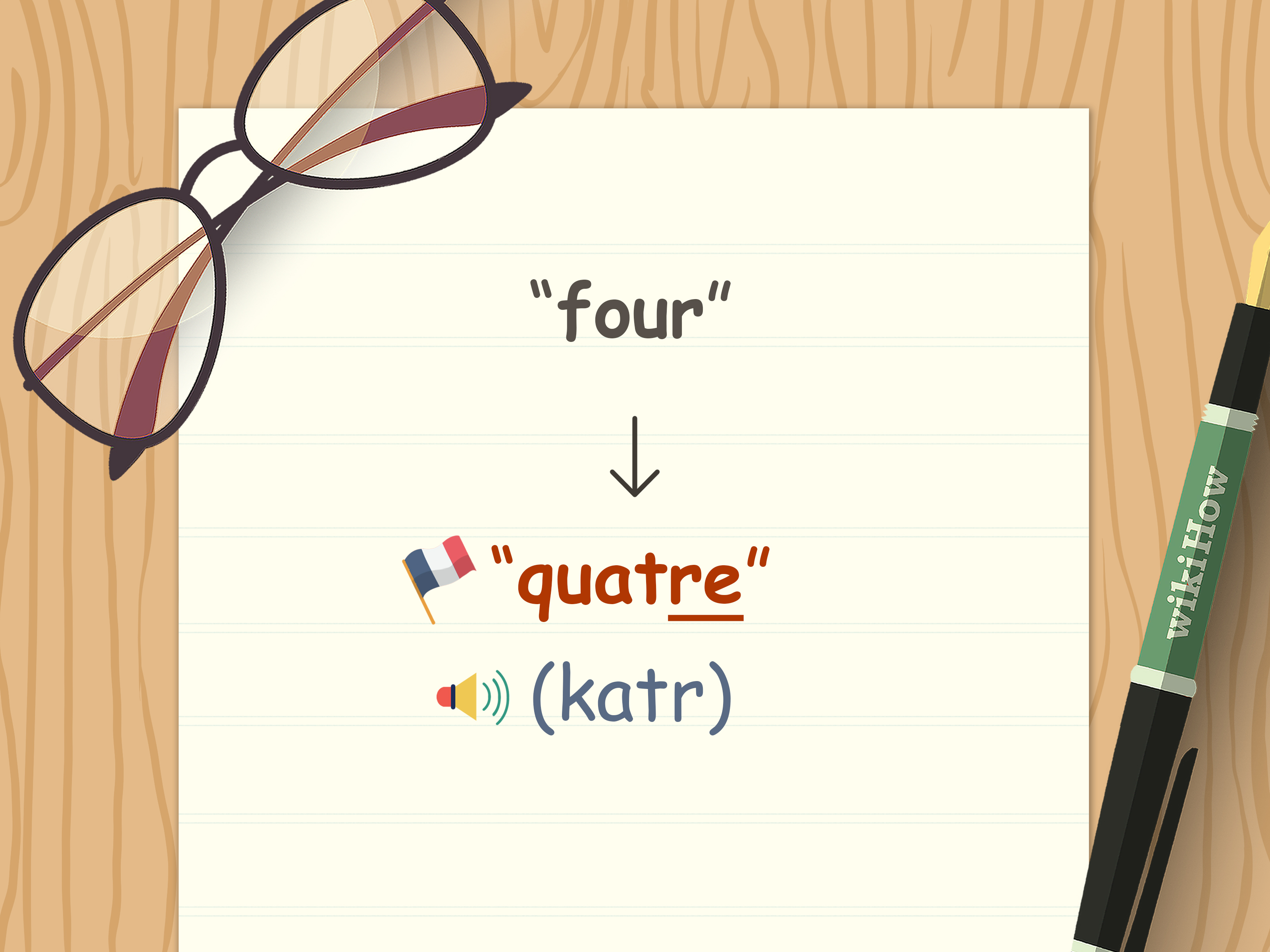
- 4 = quatre
- 5 = cinq
- 6 = six
- 7 = sept
- 8 = huit
- 9 = neuf
- 10 = dix
This is your French number starter pack. If these ten feel solid, the rest becomes much easier. Think of them as the Avengers of basic counting, only with more vowels and less property damage.
Step 2: Memorize Eleven Through Sixteen
French numbers from 11 to 16 do not follow a neat “ten-plus-something” pattern in the same way English sometimes feels predictable. These are unique words, so they need straight-up memorization.
- 11 = onze
- 12 = douze
- 13 = treize
- 14 = quatorze
- 15 = quinze
- 16 = seize
The trick here is repetition. Write them, say them, and test yourself in random order. Do not just chant them from 11 to 16 like a sleepy robot. Real learning happens when you can hear “quatorze” and instantly know it is 14, not 40 or some other number trying to start drama.
Step 3: Understand the Pattern for Seventeen Through Nineteen
Now French gets logical again. Numbers 17, 18, and 19 are built from dix plus the unit number. That means:
- 17 = dix-sept
- 18 = dix-huit
- 19 = dix-neuf
Once you see the pattern, these are easier to remember than 11 through 16. You are basically saying “ten-seven,” “ten-eight,” and “ten-nine.” It is efficient, elegant, and only slightly smug.
Quick Memory Tip
Group 17 to 19 together in your mind as the “dix family.” When you hear dix-, your brain should already know a teen number is on the way.
Step 4: Learn Twenty and the Twenties
Twenty in French is vingt. Once you know that, you can build the rest of the twenties. Most of them are simply twenty plus another number.
- 20 = vingt
- 21 = vingt et un
- 22 = vingt-deux
- 23 = vingt-trois
- 24 = vingt-quatre
- 25 = vingt-cinq
- 26 = vingt-six
- 27 = vingt-sept
- 28 = vingt-huit
- 29 = vingt-neuf
The star of this group is 21: vingt et un. Notice the et, which means “and.” French loves to sneak this into numbers ending in one, but not every number gets this treatment. French is helpful, but it still likes a little chaos.
Step 5: Move On to Thirty
Thirty is trente, and the pattern is almost identical to the twenties. Once you know the word for the tens place, you attach the unit number.
- 30 = trente
- 31 = trente et un
- 32 = trente-deux
- 33 = trente-trois
- 34 = trente-quatre
- 35 = trente-cinq
- 36 = trente-six
- 37 = trente-sept
- 38 = trente-huit
- 39 = trente-neuf
If you can say the twenties, the thirties are mostly copy-and-paste with better branding. That is a huge win for anyone trying to learn French numbers 1 to 50 without losing their sanity halfway through.
Step 6: Master Forty and the Forties
Forty is quarante. Yes, it looks fancy. Yes, it sounds classy. Yes, you can absolutely learn it.
- 40 = quarante
- 41 = quarante et un
- 42 = quarante-deux
- 43 = quarante-trois
- 44 = quarante-quatre
- 45 = quarante-cinq
- 46 = quarante-six
- 47 = quarante-sept
- 48 = quarante-huit
- 49 = quarante-neuf
Again, 41 uses et un, while 42 through 49 use hyphen-style combinations. By this point, you are not just memorizing random French words. You are recognizing a real counting system, and that makes everything stick better.
Step 7: Finish Strong with Fifty
Fifty is cinquante. Congratulations: this is your finish line. If your goal is to count to 50 in French, this is the moment where you get to look dramatically into the distance and pretend inspirational music is playing.
- 50 = cinquante
Even better, cinquante prepares you for what comes next if you ever want to keep going. Once you know 20, 30, 40, and 50, you already understand a big chunk of the French number system below 60.
Step 8: Practice the Full List from 1 to 50
Here is the complete reference list. Read it aloud, copy it by hand, and come back to it whenever your brain decides to forget everything for no reason.
French Numbers 1 to 50
1 un, 2 deux, 3 trois, 4 quatre, 5 cinq, 6 six, 7 sept, 8 huit, 9 neuf, 10 dix, 11 onze, 12 douze, 13 treize, 14 quatorze, 15 quinze, 16 seize, 17 dix-sept, 18 dix-huit, 19 dix-neuf, 20 vingt, 21 vingt et un, 22 vingt-deux, 23 vingt-trois, 24 vingt-quatre, 25 vingt-cinq, 26 vingt-six, 27 vingt-sept, 28 vingt-huit, 29 vingt-neuf, 30 trente, 31 trente et un, 32 trente-deux, 33 trente-trois, 34 trente-quatre, 35 trente-cinq, 36 trente-six, 37 trente-sept, 38 trente-huit, 39 trente-neuf, 40 quarante, 41 quarante et un, 42 quarante-deux, 43 quarante-trois, 44 quarante-quatre, 45 quarante-cinq, 46 quarante-six, 47 quarante-sept, 48 quarante-huit, 49 quarante-neuf, 50 cinquante
This is the core of counting in French up to 50. Save it, screenshot it, tape it to your desk, or whisper it at your coffee mug every morning. No judgment.
Step 9: Pay Attention to Pronunciation
Learning French numbers is not just about recognizing the spelling. You also need to hear and say them clearly. Some learners mix up similar-sounding numbers like quinze and cinquante, or they rush through words until everything sounds like stylish mush.
Helpful Pronunciation Habits
- Say the numbers slowly before speeding up.
- Practice in small groups: 1 to 10, 11 to 20, 21 to 30, and so on.
- Focus on endings like -ze, -sept, and -neuf.
- Listen to native or teaching audio whenever possible.
French pronunciation gets easier when your mouth stops trying to force English sounds onto French words. Be patient with yourself. Nobody wakes up one day naturally pronouncing quarante-quatre like a Parisian movie villain.
Step 10: Use French Numbers in Real-Life Situations
The fastest way to remember numbers is to use them for something practical. French numbers show up everywhere: prices, dates, ages, phone numbers, street addresses, classroom exercises, and time. If you only study them as a list, they stay flat. If you use them in context, they start to live in your memory.
Simple Practice Examples
- “I am 16 years old” = J’ai seize ans.
- “Room 24” = chambre vingt-quatre
- “Forty dollars” = quarante dollars
- “Page 31” = page trente et un
This is how you turn vocabulary into usable French. Once numbers connect to everyday life, they stop feeling like a quiz and start feeling like language.
Step 11: Build a Smart Review Routine
If you want to remember how to count to 50 in French for more than three heroic minutes, review matters. Short, frequent practice beats one giant cram session every single time.
A Better Way to Review
- Say 1 to 10 out loud.
- Jump to random numbers like 14, 27, 31, and 48.
- Write the number in digits, then spell it in French.
- Ask yourself what pattern it belongs to.
- Repeat daily for five to ten minutes.
You can also quiz yourself backwards, which is sneaky but effective. Try going from 50 down to 1. If your brain complains, that usually means the exercise is working.
Why Learning French Numbers to 50 Matters
Some people treat numbers like boring classroom furniture, but they are actually one of the most useful parts of beginner French. You need them to understand menus, prices, dates, ages, directions, math, and travel details. Even simple conversations become much easier once numbers stop slowing you down.
More importantly, learning French numbers gives you confidence. They are one of the first places where beginners can clearly see patterns in the language. That feeling of “wait, I actually get this” is powerful. It keeps motivation alive, and language learning runs on motivation almost as much as it runs on coffee.
Common Mistakes to Avoid
- Confusing 15 and 50: quinze and cinquante are not the same thing, no matter what a panicked brain says.
- Forgetting “et” with 21, 31, and 41: those numbers need the “and one” structure.
- Skipping pronunciation practice: reading alone is not enough.
- Trying to memorize all 50 at once: learn in chunks and use patterns.
- Ignoring context: numbers become easier when attached to real situations.
Final Thoughts
Counting to 50 in French is one of those language goals that feels bigger than it really is. At first, the words look unfamiliar, the accents seem dramatic, and everything sounds like it belongs in a very elegant spelling bee. But once you break the system into steps, it becomes manageable fast.
Start with 0 to 10. Memorize 11 to 16. Learn the teen pattern. Then build your twenties, thirties, forties, and finally hit cinquante with the confidence of someone who absolutely deserves a croissant. Keep practicing, use the numbers in real life, and the whole system will begin to feel natural.
Experience Section: What Learning to Count to 50 in French Really Feels Like
The experience of learning French numbers is surprisingly emotional for something that is technically just counting. At first, it can feel like you are doing fine. You learn un, deux, trois, and suddenly you are feeling cultured. You point at objects in your room and count them like you are starring in your own educational documentary. Then you hit the teens and realize French has decided this will not be a completely smooth ride. That is usually the moment learners go from “This is fun” to “Why does 15 sound like it is judging me?”
But the funny thing is that the struggle becomes part of the charm. Many learners remember the first time the pattern finally clicks. One day you look at trente-deux and realize you do not need to memorize it as a separate mystery word. It is just 30 plus 2. That tiny breakthrough feels weirdly satisfying, like finally understanding a joke everyone else has been in on for weeks. Suddenly French numbers stop looking like a wall and start looking like building blocks.
There is also a real-world side to the experience that makes the topic more memorable. Maybe you hear a price in French in a video and catch the number. Maybe you notice a room number, a date, or a page reference and actually understand it without translating word by word. Those moments feel small from the outside, but for a learner they are huge. They turn abstract studying into evidence that the language is becoming usable.
Another common experience is mixing up similar sounds and then laughing at yourself later. Nearly everyone has a moment where quinze and cinquante blur together, or where quarante seems impossible to say without sounding like you swallowed a trumpet. That awkward stage is normal. In fact, it is part of how the learning sticks. The mistakes make the right answers more memorable, and the repeated corrections train your ear over time.
The best part is that counting to 50 in French gives many beginners their first real taste of momentum. You are not just memorizing random vocabulary anymore. You are learning a system. You can see how pieces connect, and that gives you confidence for bigger topics later. Once a learner gets comfortable with numbers, other beginner skills start to feel less intimidating. So yes, learning French numbers may begin with a little confusion and a lot of repetition, but it often ends with something better: confidence, curiosity, and the slightly dramatic urge to count random objects in French for absolutely no practical reason.













