
A boil is one of those skin problems that looks small at first and then suddenly acts like it owns real estate. It may begin as a tende, warm, and filled with pus. Naturally, the first question many people ask is: How do I cure a boil fast? The honest answer is a little less glamorous than the internet’s miracle-remedy par need medical treatment.
Natural remedies can help in specific ways. A warm compress can encourage a boil to drain on its own, good hygiene can reduce the chance of spreading bacteria, and loose clothing can prevent friction from making the area angrier. But natural remedies cannot magically “pull out” infection overnight, and they should never replace professional care when a boil is large, worsening, recurring, located on the face or spine, or associated with fever.
This guide explains what boils are, which home remedies are safest, which popular “natural cures” deserve caution, and when it is time to stop playing bathroom dermatologist and call a healthcare professional.
What Is a Boil?
A boil, also called a furuncle, is a painful pus-filled skin infection that usually develops when bacteria enter a hair follicle or a tiny break in the skin. The most common culprit is Staphylococcus aureus, a type of bacteria that can live on the skin or in the nose without causing troubleuntil it finds the perfect opening and starts a tiny drama production under your skin.
Boils most often appear in places where skin rubs, sweats, or traps bacteria, such as the neck, armpits, thighs, buttocks, groin, and face. A group of connected boils is called a carbuncle, and that usually needs medical attention because the infection is deeper and more widespread.
Common Symptoms of a Boil
A boil may start like a pimple, but it usually becomes more painful and swollen. Common signs include:
- A red, pink, or purple bump under the skin
- Tenderness, warmth, or swelling
- A white or yellow center as pus collects
- Increasing pain as pressure builds
- Drainage if the boil opens naturally
- Crusting or scabbing during healing
Small boils may heal in one to three weeks. Larger boils, boils that spread, or boils that return repeatedly can signal a deeper issue, such as a resistant bacterial infection, diabetes, immune system problems, friction from clothing, or a chronic skin condition like hidradenitis suppurativa.
Can Natural Remedies Cure Boils?
Natural remedies can support healing, but they do not always cure boils. The safest home remedy is not exotic, expensive, or something you need to order from a mysterious online shop with 47 pop-ups. It is warm, moist heat.
Warm compresses help increase circulation to the area, soften the skin, reduce discomfort, and encourage the boil to come to a head and drain naturally. This does not mean forcing it open. It means helping your body do the job safely.
Other natural or home-based strategiessuch as keeping the skin clean, covering drainage with sterile gauze, washing towels, avoiding shared razors, and wearing loose breathable clothingcan reduce irritation and limit the spread of bacteria.
However, some “natural boil cures” can backfire. Harsh essential oils, toothpaste, lemon juice, baking soda pastes, or aggressive scrubbing can irritate the skin and make inflammation worse. A boil is already irritated. It does not need a chemistry experiment on top.
How to Treat a Small Boil at Home Safely
1. Use a Warm Compress
The warm compress is the gold-standard home remedy for a small boil. Soak a clean washcloth in warm water, wring it out, and apply it gently to the boil for 10 to 15 minutes. Repeat three to four times a day.
The cloth should be warm, not lava-level hot. If your skin feels like it is auditioning for a barbecue commercial, the compress is too hot. Use a fresh clean cloth each time, especially if the boil has started to drain.
2. Do Not Squeeze, Pop, Pierce, or “Lance” It at Home
This is the rule everyone hates and everyone needs: do not squeeze a boil. It may be tempting, especially when the boil looks ready to burst, but squeezing can push bacteria deeper into the skin, worsen inflammation, cause scarring, or spread infection to nearby tissue.
Professional drainage is different. A healthcare provider uses sterile tools, proper technique, and sometimes local numbing medicine. Your bathroom mirror, sewing needle, and “I saw a video once” confidence are not a medical team.
3. Keep the Area Clean
Wash the area gently with mild soap and water. Avoid harsh scrubs, strong fragrances, or alcohol-based products that can irritate the skin. After washing, pat the area dry with a clean towel. Do not rub aggressively.
If the boil drains, clean the area carefully and cover it with sterile gauze or a bandage. Change the dressing whenever it becomes wet, dirty, or pus-stained. Wash your hands before and after touching the area.
4. Use Pain Relief Carefully
Boils can be surprisingly painful. Over-the-counter pain relievers such as acetaminophen or ibuprofen may help reduce discomfort. Follow the label instructions and avoid these medications if your healthcare provider has told you not to use them.
A warm compress may also reduce pressure and tenderness. For boils in areas that rub against clothing, loose breathable fabrics can make daily life much less miserable.
5. Protect Other People in Your Household
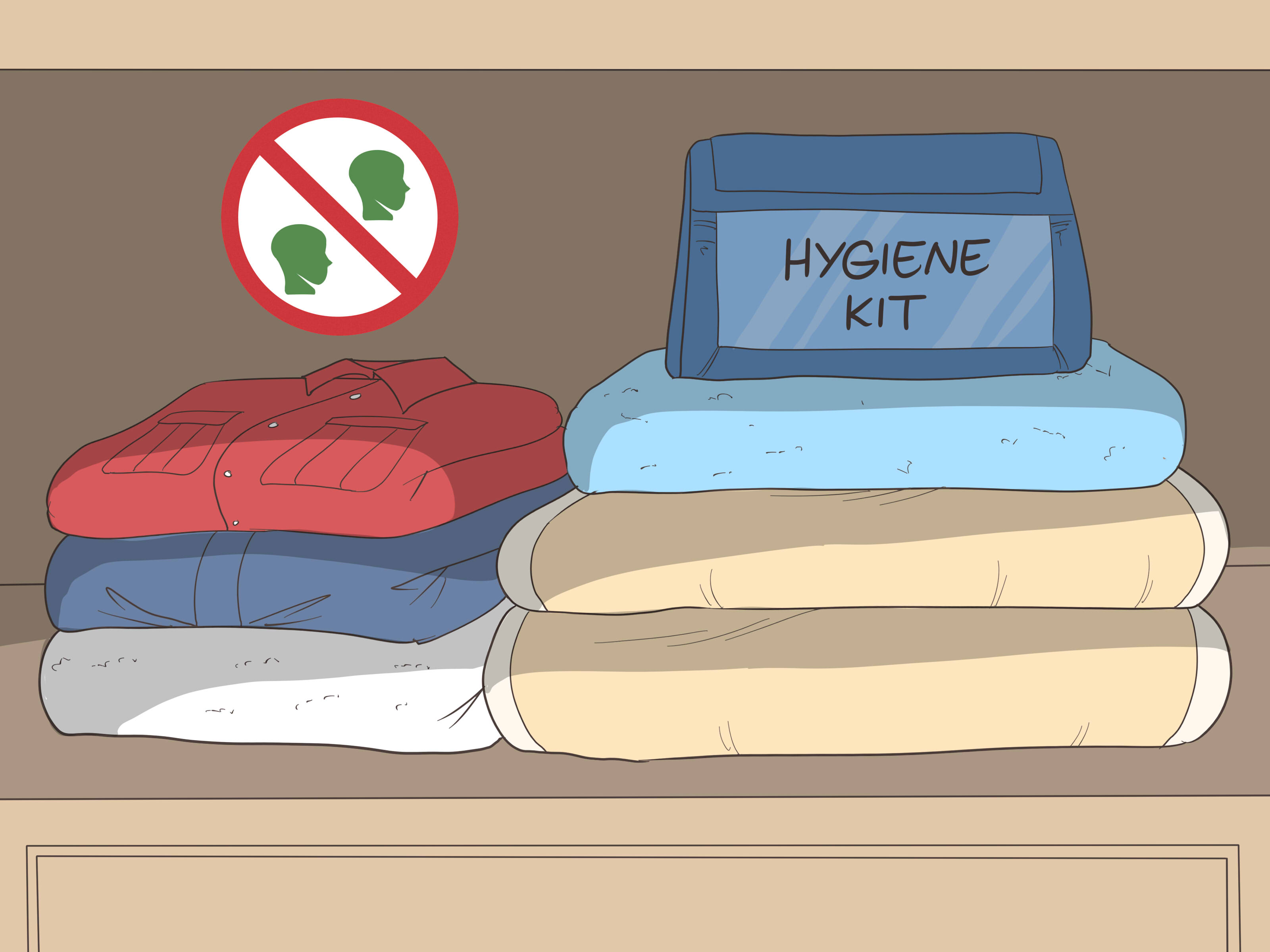
Boils can spread through pus, towels, razors, clothing, bedding, and close skin contact. Until the boil heals, do not share towels, washcloths, razors, or personal grooming tools. Wash towels and bedding regularly, especially if drainage has touched them.
Use a towel or clothing barrier on shared gym benches, chairs, or exercise equipment if the boil is in an area that might contact surfaces. Clean hands are not exciting, but they are extremely underrated.
Popular Natural Remedies for Boils: Helpful or Hype?
Warm Compresses: Helpful
This is the natural remedy with the strongest practical support. Warm, moist heat can help the boil drain naturally and relieve pain. It is simple, low-cost, and generally safe when done correctly.
Tea Tree Oil: Use Caution
Tea tree oil has antibacterial properties, and some people use diluted tea tree oil for minor skin concerns. But it can cause irritation, allergic reactions, burning, redness, and drynessespecially if used undiluted or on broken skin. It should never be swallowed.
If you choose to use tea tree oil, do not apply it directly to an open or draining boil. Dilute it heavily in a carrier oil, patch test first, and stop if it stings, burns, or worsens redness. For sensitive skin, children, pregnant people, or anyone with a large or infected boil, skip the experiment and ask a clinician.
Turmeric: Interesting, But Not a Boil Cure
Turmeric contains curcumin, a compound studied for anti-inflammatory effects. Some people drink turmeric tea or include turmeric in food while dealing with skin inflammation. That is generally different from smearing turmeric paste on a boil.
Applying turmeric paste may stain skin and clothing, irritate sensitive skin, and does not replace drainage when pus is trapped under the skin. Enjoy turmeric in your soup if you like, but do not expect it to perform minor surgery.
Castor Oil, Neem Oil, and Other Oils: Limited Evidence
Castor oil, neem oil, coconut oil, and other plant-based oils are often recommended online for boils. The problem is that strong evidence for curing boils is limited. Some oils may moisturize surrounding skin, but they can also trap moisture, irritate the area, or contaminate an open wound if not handled cleanly.
Never apply oils inside a draining boil. If the skin is open, keep things clean, covered, and simple. Sterile gauze beats a pantry-based potion almost every time.
Honey: Not the Same as Medical-Grade Honey
Honey has a long history in wound care, but medical-grade honey used in clinical settings is specially processed and sterile. Kitchen honey is not the same thing. Applying regular honey to a boil may introduce contaminants and create a sticky mess that attracts lint, fabric, and regret.
When a Boil Needs Medical Treatment
Home care is reasonable for a small, mild boil in an otherwise healthy person. But some boils should be evaluated by a healthcare professional. Seek medical care if:
- The boil is on your face, near your eye, on your spine, or in the groin
- The boil is very large, extremely painful, or rapidly worsening
- You have fever, chills, fatigue, or red streaks spreading from the area
- The surrounding skin becomes increasingly red, hot, swollen, or tender
- The boil does not improve after about a week of warm compresses
- You have multiple boils or a carbuncle
- Boils keep coming back
- You have diabetes, poor circulation, a weakened immune system, or take immune-suppressing medication
A clinician may drain the boil in a sterile setting. In some cases, they may send a sample of pus for testing, especially if MRSA or another resistant infection is possible. Antibiotics may be needed when infection is spreading, severe, recurrent, or linked to certain risk factors.
What About MRSA?
MRSA stands for methicillin-resistant Staphylococcus aureus. It is a type of staph bacteria resistant to some common antibiotics. MRSA skin infections can look like boils, abscesses, pimples, or spider bites. They may be red, swollen, painful, warm, and filled with pus.
Because MRSA can spread through skin contact, shared towels, athletic equipment, and contaminated surfaces, prevention matters. Keep draining wounds covered, wash hands often, avoid sharing personal items, and clean frequently touched surfaces. If a boil is worsening or not healing, do not assume it is “just a pimple.” Get it checked.
How to Prevent Boils From Coming Back
Improve Daily Skin Hygiene
Regular bathing, handwashing, and gentle cleansing can reduce bacteria on the skin. Focus on areas prone to sweating and friction, such as armpits, thighs, groin folds, and under the breasts.
Avoid Sharing Personal Items
Do not share razors, towels, washcloths, sports gear, or clothing that touches bare skin. If you go to the gym, wipe down equipment and use a towel barrier between your skin and shared surfaces.
Reduce Friction
Tight clothing, repeated rubbing, and trapped sweat can irritate hair follicles. Choose breathable fabrics and change out of sweaty clothes quickly. This is especially helpful if boils tend to appear on thighs, buttocks, or underarms.
Care for Cuts and Scrapes Quickly
Small breaks in the skin can give bacteria a front-door invitation. Clean minor cuts, cover them with a bandage, and avoid picking at scabs or ingrown hairs.
Talk to a Doctor About Recurring Boils
If boils keep returning, there may be an underlying reason. Possibilities include staph colonization, diabetes, immune system issues, hidradenitis suppurativa, or repeated skin irritation. A healthcare provider can help identify the pattern and recommend a prevention plan.
Boils vs. Pimples, Cysts, and Ingrown Hairs
Not every bump is a boil. Pimples are usually smaller and related to clogged pores. Ingrown hairs often appear after shaving or waxing and may have a visible trapped hair. Cysts can feel like deeper, slow-growing lumps under the skin and may not be infected at first.
A boil is typically more painful, warm, swollen, and pus-filled. If a bump becomes increasingly tender, grows quickly, drains pus, or comes with fever, treat it seriously. Skin bumps can be sneaky little impostors, and guessing wrong can delay proper care.
What Not to Put on a Boil
Some home remedies are not just unhelpfulthey can make things worse. Avoid putting the following on a boil:
- Undiluted essential oils
- Toothpaste
- Lemon juice or vinegar
- Bleach or household disinfectants
- Alcohol or hydrogen peroxide repeatedly on open skin
- Dirty poultices or unsterile homemade pastes
- Makeup over an active boil
The goal is to calm the area and prevent spread, not punish your skin for having bacteria.
Real-Life Experience: What Caring for a Boil Usually Feels Like
Imagine waking up with a sore bump on your inner thigh. At first, it feels like a small bruise. By lunchtime, walking feels annoying. By evening, your jeans have become the enemy. This is a common way people discover a boil: not through dramatic symptoms, but through a tiny painful lump in a high-friction area that slowly demands attention.
The first instinct is often to squeeze it. That urge is understandable. Pressure builds, the skin looks tight, and the internet is full of “instant boil removal” stories. But the better experience is usually less exciting: warm compresses, clean hands, patience, and a clean covering if it starts to drain. It is not glamorous, but it is safer.
A practical routine might look like this: in the morning, apply a warm compress for 10 to 15 minutes, then gently wash the area and put on loose clothing. At lunch, repeat the compress if possible. In the evening, use another clean compress, check whether the redness is spreading, and change any dressing. Before bed, wash towels or clothing that touched drainage. It sounds simple because it is. The hard part is resisting the urge to interfere.
People who get boils in areas like the armpits, buttocks, or thighs often learn that friction matters. A pair of tight workout shorts, a long sweaty commute, or shaving over irritated skin can turn a small bump into a bigger problem. In that situation, prevention becomes part of treatment. Shower after sweating, wear breathable fabrics, avoid shaving over inflamed skin, and do not reuse unwashed towels. Your skin does not need a luxury spa day; it needs fewer bacteria, less rubbing, and a little respect.
Another common experience is embarrassment. Boils can appear in private areas, drain unexpectedly, or make sitting uncomfortable. That embarrassment sometimes keeps people from getting medical help. But healthcare professionals see skin infections constantly. A boil is not a moral failure, a hygiene confession, or a reason to suffer in silence. It is a common infection, and sometimes it needs professional drainage or antibiotics.
Recurring boils are especially frustrating. Someone may do everything “right” and still get another painful lump weeks later. That is when tracking patterns helps. Write down where boils appear, how often they return, whether shaving or sweating triggers them, and whether family members have similar infections. If boils come back in the same areas, especially the armpits, groin, inner thighs, or under the breasts, ask a dermatologist about hidradenitis suppurativa. If infections are frequent or slow to heal, ask about diabetes screening or staph/MRSA testing.
The biggest lesson from real-life boil care is this: natural remedies are best when they support the body rather than attack the bump. Warm compresses, cleanliness, breathable clothing, and smart wound covering can make healing smoother. But “natural” does not always mean safe, and “home treatment” does not mean ignoring warning signs. A boil that gets larger, more painful, or comes with fever is not being dramaticit is waving a little red flag.
Conclusion: Can Natural Remedies Help Cure Boils?
Natural remedies can help with small boils, especially when the remedy is a warm, moist compress used consistently and safely. Good hygiene, clean bandages, loose clothing, and not sharing towels or razors can also support healing and reduce the chance of spreading infection.
But natural remedies have limits. They should not be used to force a boil open, replace medical drainage, or delay treatment when infection is severe. Tea tree oil, turmeric, castor oil, and other popular remedies may sound appealing, but evidence is limited and irritation is possible. When in doubt, keep the routine simple: warm compress, clean skin, covered drainage, clean hands, and medical care when warning signs appear.
Medical note: This article is for educational purposes only and does not replace diagnosis or treatment from a licensed healthcare professional. Seek medical advice for severe, recurrent, spreading, facial, spinal, or high-risk boils.













