
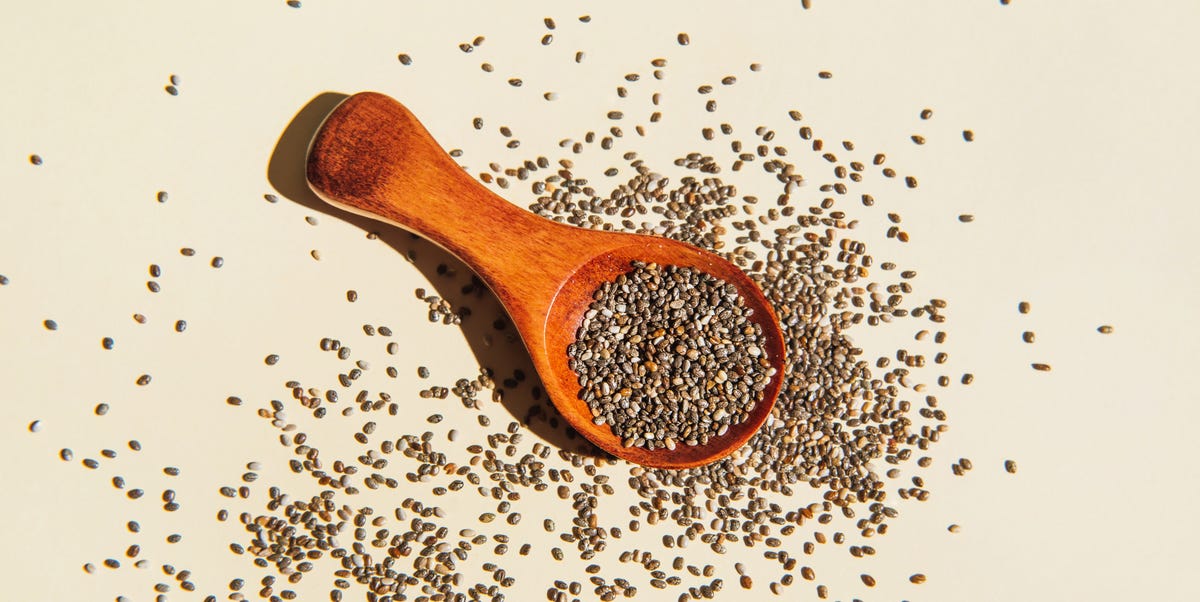
Chia seeds are tiny enough to hide between your teeth, yet nutritionally ambitiked goods, salads, and approximately nine million social media “wellness hacks.” Their popularity is understandable: They are rich in fiber, contain plant-based omega-3 fats, and can transform an ordinary bowl of breakfast into something that looks suspiciously gourmet.
However, eating chia seeds correctly involves more than tossing a dry spoonful into your mouth and chasing it with water. Because chia seeds absorb liquid and expand rapidly, experts generally recommend soaking them first or mixing them thoroughly into moist foods. You should also introduce them gradually, drink adequate fluids, and remember that more is not automatically better.
Here is how to eat chia seeds the right way, including safe preparation methods, practical serving ideas, common mistakes, and the people who should be especially cautious.
What Are Chia Seeds?
Chia seeds come from Salvia hispanica, a plant in the mint family that is native to Central and South America. The edible seeds may be black, gray, brown, or white. Despite the different colors, black and white chia seeds have essentially the same nutritional value, so there is no need to stand in the grocery aisle conducting a seed beauty contest. a seeds contain dietary fiber, protein, unsaturated fats, antioxidants, calcium, magnesium, and other minerals. They are also a major plant source of alpha-linolenic acid, or ALA, an essential omega-3 fatty acid. Because ALA is different from the EPA and DHA found in fatty fish, chia seeds can contribute to omega-3 intake but should not necessarily be considered a complete nutritional replacement for seafood. hy chia seeds form a gel
When chia seeds contact water, milk, juice, or another liquid, their outer layer absorbs moisture and develops a gel-like coating. This characteristic makes them useful for puddings, thickened smoothies, overnight oats, homemade jam, and vegan baking. It also explains why swallowing a large amount of completely dry chia seeds can be risky. n>
The Right Way to Eat Chia Seeds
The simplest expert-backed rule is this: Eat chia seeds after they have been soaked, or mix them thoroughly into food that already contains plenty of moisture. Yogurt, oatmeal, smoothies, soup, applesauce, and pudding are all practical options.
Eating a light sprinkle of dry chia seeds on a moist meal is not the same as swallowing a spoonful of dry seeds by themselves. The main concern arises when a concentrated amount of dry chia begins absorbing moisture before it reaches the stomach. Harvard nutrition experts and Memorial Sloan Kettering Cancer Center specifically caution against eating dry chia seeds alone because the seeds can expand and potentially become lodged in the esophagus. simple chia-soaking formula
For a basic gel, combine approximately one part chia seeds with four parts liquid. Stir immediately, wait about five minutes, stir again to break up clumps, and let the mixture continue thickening for at least 10 to 15 minutes. Refrigerating it for several hours or overnight creates a softer, more uniform texture.
For traditional chia pudding, Mayo Clinic suggests using about one-quarter cup of chia seeds with one cup of liquid and allowing the mixture to stand for at least 15 minutes. MedlinePlus offers a softer pudding using two tablespoons of chia seeds with about one-half cup of milk, refrigerated for several hours. The ideal ratio depends on whether you prefer pudding that is pourable, spoonable, or capable of supporting a tiny flag. n>
How Much Chia Should You Eat Per Day?
There is no universally established daily requirement for chia seeds. A common serving is two tablespoons, but beginners may feel better starting with one teaspoon or one tablespoon per day. Cleveland Clinic recommends starting with approximately one tablespoon when increasing fiber intake and gradually working toward two tablespoons as tolerated. tablespoons provide roughly 10 grams of fiber, which is a substantial amount for such a small serving. That can be helpful if your diet lacks fiber, but doubling or tripling the serving overnight may lead to gas, bloating, cramping, or changes in bowel habits. Your digestive system enjoys fiber, but it generally prefers a polite introduction rather than a surprise party. ncrease fiber gradually
When adding chia seeds to your routine, increase the amount over several days or weeks. This gives your gastrointestinal system and gut bacteria time to adjust. Adequate hydration is also important because fiber works best when the body has enough fluid. Increasing fiber without drinking enough may worsen constipation instead of relieving it. n>
Do Chia Seeds Need to Be Ground?
Unlike whole flaxseeds, chia seeds do not have to be ground before eating. Their nutrients can be obtained from the whole seed, and both whole and ground chia can be used in meals. Ground chia may produce a smoother consistency in sauces, baked goods, and smoothies, while whole chia provides more noticeable texture. ose the form that suits the recipe. Whole seeds work well in pudding and overnight oats. Ground chia works well in muffins, pancakes, bread dough, and foods prepared for someone who dislikes the tapioca-like texture of soaked whole seeds.
8 Healthy Ways to Eat Chia Seeds
1. Make chia pudding
Combine two tablespoons of chia seeds with one-half cup of dairy or nondairy milk. Add vanilla, cinnamon, or a small amount of maple syrup, stir thoroughly, and refrigerate for at least four hours. Top it with berries, banana, nuts, or unsweetened coconut.
The fruit adds flavor and additional nutrients, while nuts or Greek yogurt can make the meal more substantial. Chia pudding is convenient for meal preparation because it can be made in advance rather than assembled while you are half awake and negotiating with the coffee machine. . Stir chia into oatmeal
Add one or two teaspoons to hot oatmeal while it cooks, or mix one tablespoon into overnight oats. The seeds absorb some of the liquid, so you may need a little extra milk or water. Pair the chia with oats, fruit, and a protein source such as yogurt, milk, nuts, or nut butter for a balanced breakfast. Mayo Clinic and MD Anderson dietitians both recommend cereal and oatmeal as easy places to incorporate seeds. . Mix chia seeds into yogurt
Stir one teaspoon to one tablespoon of chia into yogurt, then let it rest for several minutes. The moisture in the yogurt allows the seeds to soften. Add berries or chopped fruit for sweetness rather than relying on heavily sweetened flavored yogurt.
This method is especially useful for beginners because the creamy base makes the seeds less noticeable. It also avoids the “frog egg pudding” appearance that causes some chia newcomers to reconsider their life choices.
4. Blend them into smoothies
Add one or two teaspoons of chia seeds before blending. You can also use pre-soaked chia gel for a thicker, smoother drink. Chia has a mild flavor, so it generally does not overpower fruits, vegetables, cocoa, or nut butter. Mayo Clinic, the Academy of Nutrition and Dietetics, and MD Anderson all list smoothies as a convenient way to use chia. ember that chia adds nutrition but does not automatically make a smoothie balanced. A drink containing chia, fruit, sweetened juice, honey, flavored yogurt, and three heroic scoops of granola may still contain far more added sugar and calories than expected.
5. Prepare chia water or chia fresca
To make chia water, stir one tablespoon of chia seeds into 10 to 12 ounces of water. Let the mixture sit until the seeds expand, stirring again before drinking. Add fresh lemon or lime juice for flavor.
Chia fresca is traditionally prepared with water, citrus juice, chia seeds, and a sweetener. Keep added sugar modest. Chia water may feel filling because the gel and fiber slow digestion, but it is not a magical fat-melting beverage. Sustainable weight management still depends on the overall eating pattern, activity, sleep, health conditions, and total energy intake. . Use chia as an egg substitute
For one chia “egg,” combine one tablespoon of chia seeds with three tablespoons of water. Let the mixture stand for about five minutes, or until it forms a thick gel. Use it to bind pancakes, muffins, quick breads, cookies, or veggie burgers.
A chia egg helps hold ingredients together, but it does not behave exactly like a chicken egg in every recipe. It is most successful in baked goods that need binding rather than substantial lift, such as muffins and cookies. The Academy of Nutrition and Dietetics recommends the same one-to-three ratio. . Add chia to soups, sauces, and dressings
A small amount of chia gel can thicken soup, sauce, marinade, or salad dressing. Add it gradually and wait before adding more, because the thickening effect continues as the seeds absorb liquid. Harvard’s Nutrition Source recommends stirring chia into dressings, sauces, marinades, soups, stews, and baked goods. und chia is useful when you want thickening without visible seeds. Start with one teaspoon. Otherwise, your delicate salad dressing may become a substance better suited to patching drywall.
8. Sprinkle a small amount on moist foods
Chia seeds can add crunch to salads, cooked vegetables, rice bowls, cereal, or toast spread with nut butter. When using them dry, keep the quantity modest and place them on food that contains moisture. Do not swallow a heaping spoonful of dry seeds and then attempt to hydrate them afterward. n>
Common Chia Seed Mistakes
Eating a spoonful completely dry
This is the most important mistake to avoid. Chia seeds begin expanding when exposed to saliva or water. Rare cases of esophageal blockage have been associated with consuming dry chia followed by liquid, particularly in people with swallowing difficulties. Pre-soaking the seeds or mixing them thoroughly into moist food is the safer approach. ncreasing the serving too quickly
Going from a low-fiber diet to several tablespoons of chia every day may cause uncomfortable digestive symptoms. Begin with a smaller serving, observe how your body responds, and increase gradually. ot drinking enough fluid
Chia seeds absorb substantial amounts of liquid, and fiber needs water to move comfortably through the digestive tract. Drink regularly throughout the day rather than assuming the half cup of almond milk in your pudding has completed the hydration assignment. xpecting chia seeds to cure a health condition
Research continues into chia’s possible effects on blood pressure, blood sugar, inflammation, cholesterol, and body weight. Although chia seeds can be part of a nutritious diet, human research does not support treating them as a stand-alone cure. No single “superfood” can compensate for an otherwise poor diet, and the term “superfood” has no standardized scientific or regulatory definition. urning a nutritious recipe into dessert soup
Chia pudding is only as balanced as the ingredients surrounding it. Large amounts of syrup, sweetened milk, chocolate chips, and sugary granola can quickly change its nutritional profile. Flavor it with fruit, cinnamon, vanilla, cocoa powder, nuts, or a modest amount of sweetener.
Who Should Be Careful With Chia Seeds?
People with swallowing problems
Anyone with dysphagia, esophageal narrowing, a history of food getting stuck, or another swallowing disorder should speak with a healthcare professional before adding chia seeds. Dry seeds should never be consumed alone in these situations. abies and young children
Chia seeds can present a choking concern when served dry or in large amounts. For babies and toddlers, soak the seeds fully and mix them into soft foods such as yogurt, oatmeal, or applesauce. Ask a pediatrician about age-appropriate portions and preparation, especially when introducing chia for the first time. eople taking certain medications
Chia may affect blood pressure, and its fiber may influence digestion or the absorption timing of some medicines. Memorial Sloan Kettering advises caution for people taking blood-pressure medication. Anyone using prescription medicines for blood pressure, blood sugar, clotting disorders, or digestive conditions should discuss major dietary changes with a doctor or registered dietitian. eople with food allergies
Allergic reactions to chia appear uncommon, but case reports exist. Stop eating chia and seek medical help if you develop facial swelling, hives, wheezing, shortness of breath, dizziness, or another sign of a serious reaction. n>
How to Buy and Store Chia Seeds
Whole and ground chia seeds are available in supermarkets, health-food stores, and online. Black and white varieties can be used interchangeably. Check the package for moisture, damage, and the expiration or best-by date.
Store dry chia in a sealed container in a cool, dry location. Refrigeration can help protect the natural oils from heat and moisture. Properly stored whole chia may remain fresh for approximately 18 months, while ground seeds usually deteriorate sooner because more of their surface is exposed to air. Prepared chia gel should be covered and refrigerated and is generally best used within five to seven days. Discard it if it develops mold, an unpleasant smell, or an unusual fermented flavor. n>
Frequently Asked Questions
Is it better to eat chia seeds in the morning or at night?
There is no scientifically established best time. Eat them when they fit comfortably into your routine. Breakfast works well because chia is easy to add to oatmeal, yogurt, and smoothies. An evening serving may also be suitable, although people who are sensitive to fiber may prefer not to eat a large portion immediately before bed.
Can you eat chia seeds every day?
Many people can eat a moderate serving daily as part of a varied diet. Start slowly, maintain adequate hydration, and adjust the portion if you experience persistent gas, bloating, diarrhea, or constipation. Cleveland Clinic identifies two tablespoons as an average serving but emphasizes moderation and individual tolerance. re soaked chia seeds healthier than dry chia seeds?
Soaking does not magically multiply the nutrients, but it makes chia easier to mix, swallow, and use in recipes. It is also the safer method for people at risk of swallowing problems. Whole chia does not need grinding to provide nutritional value. an chia seeds help with constipation?
Their fiber and gel-forming ability may add bulk to stool and support bowel regularity. However, suddenly eating a large amount without sufficient fluid may make constipation or bloating worse. Increase the serving gradually and drink adequate fluids. Persistent constipation, pain, vomiting, bleeding, or unexplained changes in bowel habits should be evaluated medically. o chia seeds cause weight loss?
Chia’s fiber may increase fullness and help some people manage appetite, but adding chia seeds does not guarantee weight loss. Results depend on the overall diet and lifestyle. Adding them on top of an already excessive calorie intake is still addition, not nutritional subtraction. n>
A Practical Chia Seed Experience: What the First Few Weeks May Feel Like
For someone new to chia seeds, the most successful experience usually begins with a very unexciting amount. That is a compliment. Starting with one teaspoon mixed into yogurt is far more sensible than preparing a mason jar containing six tablespoons because an influencer described it as a “complete digestive reset.” Your digestive tract did not request a reset button.
During the first several days, the easiest approach is to use chia in a familiar food. Stir one teaspoon into oatmeal, yogurt, applesauce, or a smoothie. Let the mixture rest long enough for the seeds to soften. The flavor is mild, so the most noticeable difference is texture. In yogurt, the seeds add a delicate crunch at first and become softer after several minutes. In oatmeal, they disappear surprisingly well, although the bowl may thicken more than expected.
The first lesson many people learn is that chia keeps absorbing liquid. Overnight oats that look perfect before refrigeration can resemble breakfast cement the next morning. The solution is not complicated: Add another splash of milk, stir, and continue with your day. After one or two attempts, it becomes easier to estimate the right ratio.
By the second week, a person who tolerates the extra fiber may increase the serving to two teaspoons or one tablespoon. This is also when hydration becomes more noticeable. Chia may support softer, more regular bowel movements when accompanied by enough fluid, but the opposite can happen when water intake is low. A reusable water bottle is generally more useful here than another expensive powdered “gut cleanse.”
Some people initially experience gas or mild bloating. That does not always mean chia is unsuitable; it may mean the serving increased too quickly or that the entire diet is suddenly much higher in fiber. Reducing the portion for several days and increasing it more gradually can help. Persistent or severe symptoms are a reason to stop and speak with a healthcare professional.
Texture is the second major challenge. Chia pudding has a tapioca-like consistency that people tend to either enjoy or regard with deep suspicion. Blending the finished pudding can make it smoother. Ground chia is another option for people who want the fiber without visible gelatinous seeds. Cocoa powder, berries, cinnamon, vanilla, and nut butter can also make the experience feel more like breakfast and less like a science demonstration.
By weeks three and four, chia becomes easiest to maintain when it is treated as an ingredient rather than a daily obligation. It may appear in overnight oats on Monday, a smoothie on Wednesday, and a batch of muffins on the weekend. There is no prize for consuming it at exactly 7:14 every morning.
The most useful long-term habit is keeping portions moderate. One or two tablespoons can provide a meaningful amount of fiber, but chia should complement vegetables, fruit, beans, whole grains, nuts, and other seeds rather than replacing them. Fiber variety matters because different plant foods provide different nutrients and types of fiber. ealistic chia experience is not dramatic. You probably will not wake up glowing, levitating, and speaking fluent Italian after your first pudding. You may simply find an easy way to add fiber and texture to foods you already enjoy. That modest result is precisely why chia seeds can be useful: They require little preparation, have a neutral flavor, and fit into both sweet and savory meals.
The best routine is the one that feels comfortable, tastes good, and does not cause digestive trouble. Soak the seeds, begin with a small amount, drink enough fluid, and ignore any online challenge involving dry spoonfuls. Nutrition works better when it is repeatableand preferably when it does not create an esophageal emergency.
Conclusion
The right way to eat chia seeds is refreshingly simple: Mix them into a moist food or soak them in liquid before eating, start with a small portion, and increase gradually as your digestive system adjusts. One to two tablespoons per day is a practical range for many adults, although individual needs and tolerances vary.
Chia seeds can enrich oatmeal, yogurt, smoothies, soups, dressings, baked goods, and puddings. They can also replace eggs as a binder in selected recipes. What they cannot do is single-handedly cure disease, guarantee weight loss, or transform a sugar-heavy dessert into a health food merely by floating on top of it.
People with swallowing difficulties, allergies, digestive disorders, or relevant medication use should consult a healthcare professional. Everyone else can focus on the fundamentals: reasonable portions, sufficient fluids, a varied diet, and absolutely no dry-chia-swallowing contests.













