
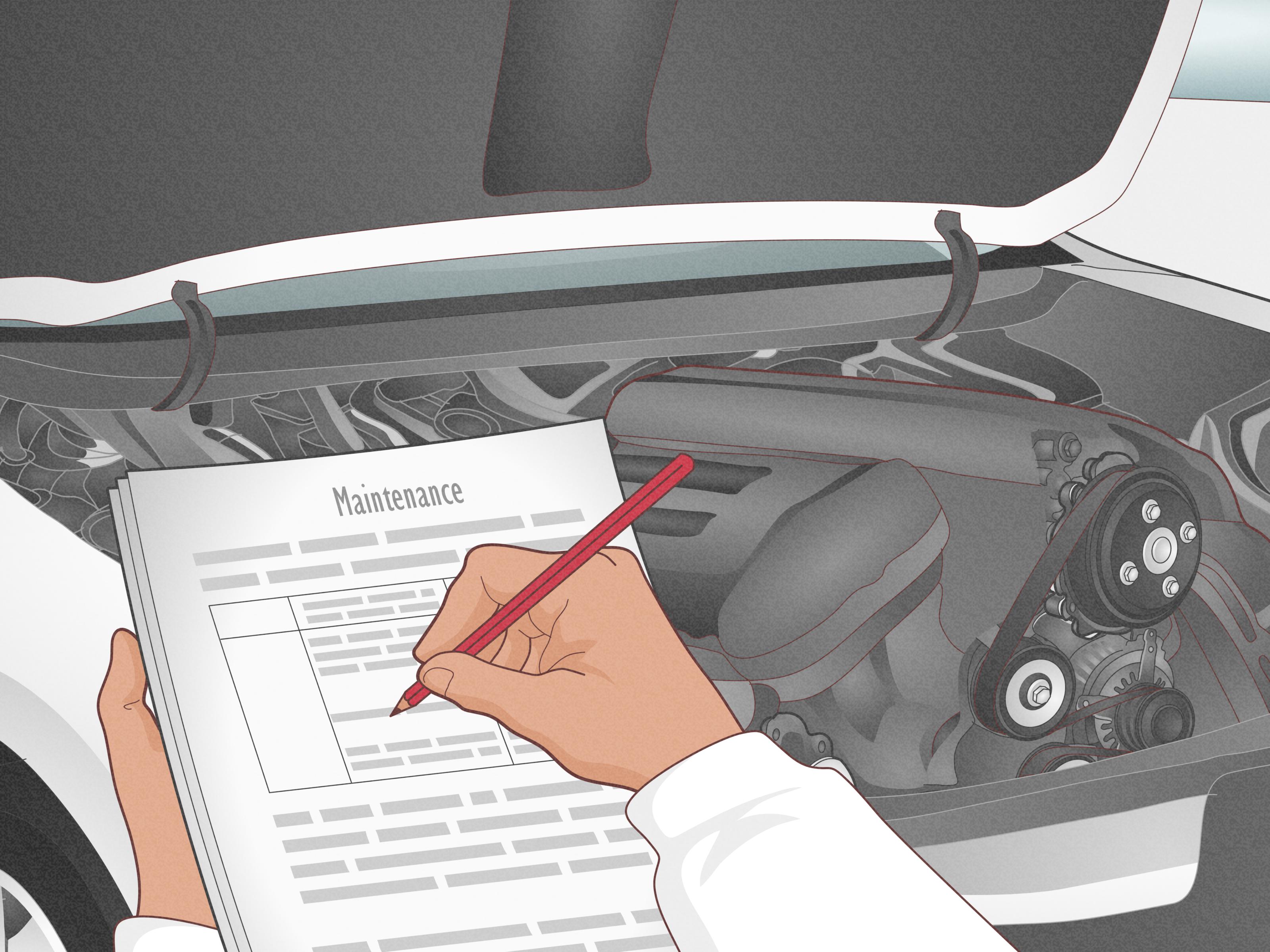
Few car problems ruin a nice driveway selfie quite like a fresh oil stain. One minute your vehicle is minding its business, and the next it is marking territory like an overconfident golden retriever. If your car is leaking oil, do not panicbut do not ignore it, either. Engine oil is the lifeblood of your engine, and when it escapes, expensive trouble usually tries to follow.
This guide breaks down how to fix an oil leak, the 4 most common causes of engine oil leaks, and the smartest solutions for each one. You will also learn how to diagnose the source, when a repair is realistic for a do-it-yourself weekend, and when it is wiser to hand the keys to a professional before your engine turns into an expensive paperweight.
First, Make Sure It Is Actually Oil
Before you start replacing parts, confirm that the fluid under your car is really engine oil. Engine oil is usually amber to dark brown or black, and it feels slick between your fingers. Fresh oil may look golden brown, while older oil tends to be darker and dirtier. It also has that unmistakable “garage perfume” smellless sweet than coolant and less sharp than gasoline.
If you are not sure, slide a clean piece of cardboard under the car overnight. In the morning, note the color and where the drip landed. A leak near the center or front of the engine bay is often a clue, but oil loves to travel. Gravity and airflow can make a small leak look like it is coming from somewhere else, which is one reason oil leaks can be such little liars.
Why You Should Fix an Oil Leak Quickly
A minor oil leak may not seem like an emergency at first. The car still starts. The engine still runs. The world has not ended. But even a small leak can become a big one, and low oil levels can lead to poor lubrication, overheating, internal wear, warning lights, smoke, or full-blown engine damage.
Oil can also drip onto hot engine parts or exhaust components, creating a burning smell and sometimes visible smoke. In the messier cases, it can soften rubber components, coat belts, and make future repairs harder because the entire engine turns into a greasy crime scene. In other words, this is not one of those “I’ll deal with it next month” issues unless you enjoy surprise expenses.
How to Diagnose an Engine Oil Leak Before You Repair It
If you want to fix an oil leak the right way, diagnosis comes first. Replacing random parts is a great way to lose time, money, and patience.
1. Check the oil level
Use the dipstick on level ground with the engine off and cooled as recommended in your owner’s manual. If the oil is low, top it off with the correct oil before doing anything else. Never keep driving with a low oil level just because the engine still sounds “mostly fine.” Engines are not known for giving polite warnings twice.
2. Clean the engine
Use an engine-safe degreaser and clean rags to remove old grime from the suspected leak area. A dirty engine can make a new leak impossible to track because yesterday’s mess and today’s leak look exactly the same.
3. Run the engine briefly and inspect
After cleaning, idle the engine for a few minutes and inspect with a flashlight. Look around the top of the engine, the oil filter area, the drain plug, the oil pan, and the front cover. Fresh oil will often show up at the highest point of the leak first, then run downward.
4. Look for patterns
If the leak appears only after an oil change, suspect the drain plug, filter, or a damaged sealing washer. If oil appears at the top of the engine and trickles down the side, suspect a valve cover gasket leak. If the front of the engine is oily, a timing cover or front seal may be involved. If the leak seems to come from where the engine meets the transmission, the rear main seal becomes a suspect.
5. Do not ignore related causes
Sometimes the part that is leaking is not the part that caused the problem. A clogged PCV valve or crankcase ventilation issue can build pressure inside the engine and push oil past gaskets and seals. Overfilling the engine with oil can also increase pressure or create foaming issues that make leakage worse.
4 Common Causes of Oil Leaks and How to Fix Them
1. Valve Cover Gasket Leak
The valve cover gasket seals the top of the engine. It lives a hard life, constantly exposed to heat, vibration, and oil. Over time, the gasket can harden, shrink, or crack, allowing oil to seep out around the valve cover.
Common signs
- Oil around the top of the engine
- Burning oil smell after driving
- Oil running down the side of the engine block
- In some cases, oil near ignition components or spark plug wells
How to fix it
In many vehicles, replacing a valve cover gasket is a realistic DIY repair if you have basic tools, a torque wrench, and access to a repair manual. Remove the valve cover, clean the mating surfaces carefully, install the new gasket, and torque the bolts to spec in the correct sequence.
The biggest mistake here is overtightening. Many people assume tighter means better. In gasket land, tighter often means warped cover, pinched gasket, and fresh leak. Congratulations, you have paid for the repair twice.
Best solution
Replace the gasket, inspect the valve cover for warping or cracks, and check the PCV system if the gasket failed early or repeatedly.
2. Oil Pan Drain Plug or Oil Pan Gasket Leak
This is one of the most common reasons a car leaks oil when parked. The drain plug is removed during every oil change, which means it has endless opportunities to be cross-threaded, under-tightened, over-tightened, or paired with an old sealing washer that should have retired two oil changes ago.
The oil pan gasket can also fail with age, impact damage, or poor previous repairs. Since the oil pan sits low under the engine, it is vulnerable to road debris and bad luck.
Common signs
- Oil dripping from the very bottom of the engine
- Fresh oil around the drain plug
- Oil on the pan rail or around the edge of the oil pan
- Leak that worsens soon after an oil change
How to fix a leaking drain plug
Start by confirming the plug is the source. If the plug is loose, tighten it to the manufacturer’s torque specification. If the washer is flattened, cracked, or missing, replace it. If the plug threads or pan threads are damaged, you may need a thread repair kit, oversized repair plug, or pan replacement.
How to fix an oil pan gasket leak
This repair is more involved because the oil must be drained and the pan removed. On some vehicles, the oil pan is easy to access. On others, it is hidden behind subframes, exhaust parts, or engine mounts, which is automotive design’s way of saying, “Good luck.” Once removed, clean all surfaces thoroughly, install the new gasket or approved sealant as specified, and torque evenly.
Best solution
If it is just the plug or washer, this can be a simple, inexpensive fix. If it is the pan gasket, expect a moderate repair. If the pan itself is cracked, replace the pan instead of trying to trust a miracle cure forever.
3. Oil Filter or Oil Filter Housing Leak
The oil filter is another frequent trouble spot, especially after a recent oil change. A loose filter, over-tightened filter, damaged gasket, wrong filter, or old gasket stuck to the mounting surface can all cause leaks. On some engines, the oil filter housing or housing gasket is the actual culprit.
Common signs
- Oil around the filter or filter housing
- Sudden leak shortly after an oil change
- Drips near the side of the engine where the filter mounts
- Rapid oil loss if the seal fails badly
How to fix it
Inspect the filter first. If it is loose, tighten it according to the filter instructionsusually hand-tight, not “gorilla-tight.” If the gasket is pinched or the wrong filter was installed, replace the filter. Always verify that the old gasket did not stick to the engine before installing the new one. A double-gasket situation is famous for causing leaks and ruining otherwise respectable Saturdays.
If the leak comes from the oil filter housing or adapter gasket, the repair becomes more mechanical. The housing must usually be removed, the gasket replaced, and the mating surfaces cleaned carefully. Depending on the engine layout, this can be easy, annoying, or a full lesson in patience.
Best solution
Replace the filter with the correct part, lubricate the new gasket lightly with clean oil, and inspect the housing if fresh leaks return.
4. Timing Cover, Front Main Seal, or Rear Main Seal Leak
This group earns a shared category because they are all common engine oil leak sources, but they are usually more labor-intensive than the first three. The timing cover gasket sits at the front of the engine. The front and rear main seals keep oil from escaping where the crankshaft exits the engine. When these seals age and harden, oil begins to seep out.
Common signs
- Oil at the front of the engine near pulleys and belts
- Oil collecting where the engine and transmission meet
- Persistent leak with no obvious source from above
- Oil sling or spray in the front of the engine bay
How to fix it
Technically, the solution is simple: replace the failed seal or gasket. Realistically, the labor can be significant. Timing cover repairs may require removal of belts, pulleys, accessory components, and careful resealing. Rear main seal replacement often involves separating the transmission from the engine. That is not a casual driveway project unless you are experienced, well-equipped, and weirdly enthusiastic about spending a weekend underneath a vehicle.
Best solution
Have a professional confirm the leak source before authorizing a major seal job. These leaks are often misdiagnosed because oil can travel so far from the origin.
Mistakes That Make Oil Leaks Worse
- Ignoring the leak for months: Small leaks rarely stay small forever.
- Overfilling the engine oil: Too much oil can create pressure and leak-related problems.
- Using the wrong oil or wrong filter: Incorrect parts can create sealing issues or abnormal pressure behavior.
- Overtightening bolts and filters: This can damage gaskets, warp covers, or strip threads.
- Skipping crankcase ventilation checks: A clogged PCV valve can contribute to repeated seepage.
- Trusting every bottle that promises a miracle: Some stop-leak products may buy time, but they are not a guaranteed permanent fix for worn parts.
Can You Drive With an Oil Leak?
Maybe, but that does not mean you should keep doing it casually. If the leak is minor and the oil level stays full, you may be able to drive short distances while monitoring the level closely. But if you see smoke, the oil pressure warning light comes on, the leak is heavy, or the oil level drops quickly, stop driving and address it immediately.
As a rule, a car with an active oil leak should be treated like a toddler with scissors: maybe okay for a second, but not something to leave unsupervised.
When to DIY and When to Call a Mechanic
Good DIY candidates
- Loose drain plug or worn drain plug washer
- Oil filter replacement
- Simple valve cover gasket replacement on accessible engines
- PCV valve inspection or replacement
Better left to a professional
- Rear main seal replacement
- Timing cover resealing on cramped engines
- Oil pan gasket jobs requiring subframe or exhaust removal
- Leaks with uncertain origin
- Vehicles still under warranty
If you are not sure, pay for diagnosis before paying for parts. That one decision can save you from replacing three innocent components while the real leak laughs from the shadows.
Common Experiences With Oil Leaks: Lessons People Learn the Hard Way
One of the most common experiences people describe with an oil leak is how small and harmless it seems at first. There is a tiny spot on the driveway. Maybe a faint burning smell after a longer drive. Nothing dramatic. So the owner wipes it up, promises to “keep an eye on it,” and continues driving for another few weeks. Then one morning the spot becomes a puddle, the oil level is suddenly low, and the repair is no longer a casual item on the to-do list. That slow-burn scenario happens all the time because oil leaks often start quietly.
Another familiar experience is blaming the wrong part. Many drivers assume the lowest oily area must be the source, which makes sense until you learn how oil behaves. It runs down, spreads sideways, gets blown backward by airflow, and coats everything in its path. Someone sees oil on the pan and replaces the oil pan gasket, only to discover the real culprit was a valve cover gasket leaking from the top of the engine. This is why cleaning the engine and tracing fresh oil matters so much. Without that step, you are often guessing, and guessing with automotive parts is an expensive hobby.
There is also the classic post-oil-change experience. The car was fine before service, and now suddenly it is dripping. In a lot of cases, the issue turns out to be simple: a loose drain plug, an old sealing washer reused one time too many, or an oil filter gasket that did not seat correctly. These are frustrating leaks because they are often preventable. They also teach a useful lesson: when a leak appears right after maintenance, start with the parts that were just touched before imagining catastrophic engine damage.
Then there are the people who try a bottle of stop-leak and hope for a miracle. Sometimes the product slows a minor seep enough to buy time, especially on an older car that is not worth a major seal job. But many drivers learn that a chemical shortcut is not the same as an actual repair. If a gasket is brittle, a seal is worn, or the crankcase is building pressure, that underlying problem is still there. The leak may shrink for a while, but it often returns, usually at the least convenient moment possible.
Owners of older, higher-mileage vehicles often describe a different kind of oil leak experience: decision fatigue. The leak is not severe enough to justify a huge repair bill, but it is too noticeable to ignore. So they top off the oil regularly, keep cardboard under the car, and monitor how fast the level drops. In some situations, that is a rational short-term plan. It becomes less rational when the leak starts reaching the exhaust, smoking under the hood, or leaving enough oil to make every parking spot look guilty.
What most people ultimately learn from dealing with an oil leak is simple. First, early diagnosis saves money. Second, the smallest visible leak can come from a completely different location. Third, maintenance details matter more than people thinkcorrect torque, correct gasket placement, correct filter, correct oil level. And finally, oil leaks are rarely improved by denial. Engines are mechanical systems, not emotional ones. They do not care about optimism. They care about lubrication, sealing surfaces, and whether you fixed the actual problem.
Final Thoughts
If you are wondering how to fix an oil leak, the best answer is this: identify the exact source first, then match the repair to the cause. Most oil leaks come from a handful of common placesvalve cover gaskets, drain plugs or oil pan gaskets, oil filters or housings, and timing or main seals. Some are quick fixes. Some are weekend projects. Some deserve a professional and a decent cup of coffee while you wait.
The good news is that oil leaks usually give clues before they become disasters. If you catch the problem early, keep the oil level safe, and repair the right component the first time, you can protect your engine, your wallet, and your driveway’s reputation.













