
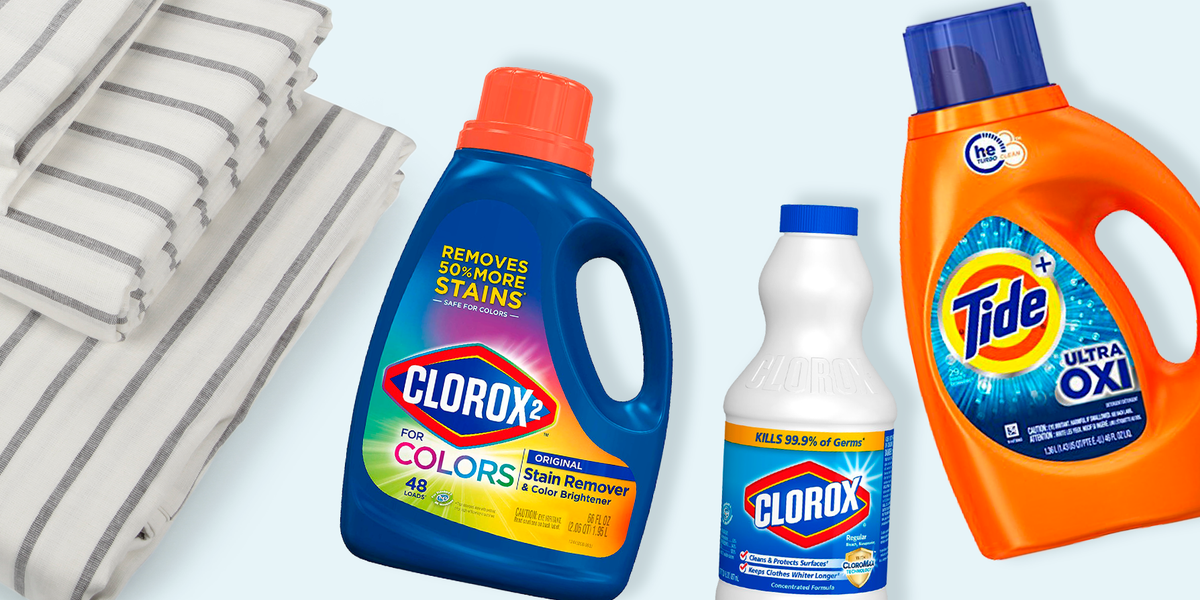
Few laundry surprises are as dramatic as pulling back your comforter and discovering a blood stain on your sheets. Maybe it came from a tiny shaving nick, a nosebleed, a scratched mosquito bite, a period leak, or a mystery spot that appeared sometime between “I’m exhausted” and “why does my pillowcase look like a crime scene?” The good news: blood stains look scary, but most of them are very fixable when you act quickly and use the right method.
The biggest secret to getting blood out of sheets is simple: cold water first, heat later only after the stain is gone. Blood is a protein-based stain, which means hot water and dryer heat can make it cling to fabric like it signed a long-term lease. Cold water, gentle blotting, enzyme detergent, hydrogen peroxide, oxygen bleach, baking soda, and patience are your best friends here.
This guide explains how to remove fresh blood, dried blood, old set-in blood stains, and blood from delicate bedding without wrecking your sheets. Whether your bedding is crisp white cotton, colorful microfiber, bamboo, linen, or a luxury set you emotionally refer to as “my good sheets,” here is the easy, practical way to save it.
Why Blood Stains Are So Stubborn
Blood contains proteins, iron-rich hemoglobin, and other organic compounds that bond quickly with fabric fibers. When blood dries, it darkens and becomes more difficult to lift. When heat is added too soon, the proteins can set deeper into the material, making the stain harder to remove.
That is why the first rule of blood stain removal is not glamorous, but it works: do not use hot water on a fresh blood stain. Hot water may feel like the “cleaner” choice, but for blood, it is often the villain wearing a spa robe.
What You Need to Remove Blood from Sheets
Before you start, gather a few basic supplies. You do not need a laboratory, a hazmat suit, or a dramatic soundtrack. Most of the best blood stain removers are already hiding in your laundry room or bathroom cabinet.
- Cold water
- Clean white cloths or paper towels
- Liquid laundry detergent, preferably enzyme-based
- Hydrogen peroxide, 3% solution
- Baking soda
- Salt
- Oxygen bleach or color-safe bleach
- Soft toothbrush or laundry brush
- White vinegar, optional
- Stain remover spray or gel, optional
Always check the care label on your sheets before using stain treatments. Cotton and polyester blends are usually forgiving. Silk, wool, linen, bamboo, and specialty fabrics may need gentler handling. When using hydrogen peroxide, lemon juice, oxygen bleach, or any stain remover, test a hidden corner first to make sure it does not fade or discolor the fabric.
How to Get Fresh Blood Out of Sheets
Fresh blood is the easiest to remove, so move fast. Think of yourself as a laundry firefighter. The quicker you respond, the less dramatic the cleanup.
Step 1: Remove the sheet from the bed
Take the stained sheet off the bed as soon as possible. If the stain is still wet, avoid pressing it into the mattress. Place a towel under the stained area while carrying it to the sink if needed.
Step 2: Rinse with cold water from the back of the stain
Hold the stained area under cold running water. Whenever possible, rinse from the back side of the fabric so the water pushes the blood out instead of driving it deeper. Continue rinsing until the water runs mostly clear.
Step 3: Blot, do not rub
Use a clean white cloth or paper towel to blot the stain. Rubbing can spread the stain and rough up the fabric. Blotting lifts the blood without turning one small spot into abstract art.
Step 4: Apply liquid laundry detergent
Rub a small amount of liquid laundry detergent directly into the stain. An enzyme detergent is especially useful because enzymes help break down protein stains like blood. Let the detergent sit for 10 to 15 minutes, then gently work it in with your fingers or a soft brush.
Step 5: Wash in cold water
Wash the sheets on a cold water cycle with your regular detergent. If your sheets are white or colorfast, you can add oxygen bleach according to the product label. Avoid chlorine bleach unless the care label allows it, because it can weaken fibers and may react poorly with some stains or fabrics.
Step 6: Check before drying
This step matters. Do not toss the sheets into the dryer until you are sure the stain is gone. Dryer heat can set remaining blood. If you still see a shadow, repeat the treatment and air-dry the sheet instead.
How to Remove Dried Blood from Sheets
Dried blood takes more patience, but it is not a lost cause. The goal is to rehydrate the stain, loosen the dried proteins, and then treat the fabric before washing.
Step 1: Scrape or brush off dried residue
If there is dried material on the surface, gently brush it away with a soft toothbrush or dry cloth. Do not attack the sheet like you are sanding furniture. Gentle pressure is enough.
Step 2: Soak in cold water
Fill a sink, basin, or bucket with cold water. Submerge the stained section for at least 30 minutes. For older stains, soaking for several hours or overnight can help. Add a small amount of enzyme detergent to the soak for extra stain-lifting power.
Step 3: Pretreat with detergent or stain remover
After soaking, apply liquid detergent or a laundry stain remover directly to the stained area. Let it sit for 15 to 30 minutes. For thicker cotton sheets, you can gently rub the fabric together. For delicate sheets, use light finger pressure instead.
Step 4: Wash cold and inspect
Wash the sheets in cold water. When the cycle ends, check the stain in natural light. If it remains, do not dry. Repeat the soak and pretreat process. Blood stains can be stubborn, but repeated gentle treatments usually work better than one aggressive treatment.
Using Hydrogen Peroxide on Blood Stains
Hydrogen peroxide is one of the most popular ways to remove blood from sheets, especially white cotton sheets. It reacts with blood and often creates a bubbling effect that helps lift the stain. It is effective, inexpensive, and oddly satisfying to watch, like a tiny laundry science fair.
To use hydrogen peroxide, pour a small amount directly onto the stain. Let it fizz for a few minutes, then blot with a clean cloth. Rinse with cold water and repeat if needed. After the stain lightens, wash the sheet as usual in cold water.
However, hydrogen peroxide can have a mild bleaching effect. That makes it useful on white sheets but risky on dark, bright, or patterned bedding. Always spot-test first. If your sheets are navy, burgundy, emerald, or anything you would describe as “moody,” test before committing.
Baking Soda Paste for Blood Stains
Baking soda is a gentle option for people who prefer a mild household cleaner. It works best on light stains, fresh stains, or stains that have already been rinsed with cold water.
Mix two parts baking soda with one part cold water to make a paste. Spread it over the blood stain and let it sit for 30 minutes. Gently brush or rinse away the paste, then wash the sheet in cold water. For extra cleaning power, some people add a pinch of salt to the paste, especially on cotton fabric.
Baking soda is not always strong enough for old, dark blood stains, but it is a solid first attempt when you want to avoid harsher treatments. It is also helpful for deodorizing bedding after a stain incident.
Salt and Cold Water Method
Salt can help loosen fresh blood stains, especially when you are traveling or do not have laundry detergent nearby. Mix salt with cold water to create a thin paste. Apply it to the stain, let it sit for 10 to 20 minutes, then rinse with cold water.
This method is especially handy for small spots on cotton sheets. It is not a miracle cure for ancient stains that have survived three laundry cycles and a dryer blast, but it can prevent a fresh stain from becoming a permanent one.
Oxygen Bleach for White or Colorfast Sheets
Oxygen bleach, also called color-safe bleach or non-chlorine bleach, is useful for blood stains that do not come out after rinsing and detergent treatment. It is generally gentler than chlorine bleach and can be used on many white and colorfast fabrics, depending on the care label.
Fill a basin with cool water and add oxygen bleach according to the package directions. Soak the sheets for several hours or overnight. Then wash as usual. This is one of the best methods for older stains, yellowish shadows, and blood marks that seem to fade but not fully disappear.
Do not use oxygen bleach on wool, silk, leather, or fabrics labeled dry-clean only unless the care instructions clearly say it is safe.
How to Get Blood Out of White Sheets
White sheets make stains more obvious, but they also give you more treatment options. Start with cold water, detergent, and blotting. If the stain remains, apply hydrogen peroxide, let it bubble, rinse, and repeat.
For stubborn stains, soak the white sheets in cold water with oxygen bleach. After washing, dry them in sunlight if possible. Sunlight can help naturally brighten white fabric, though it should not replace proper stain treatment.
Avoid rushing to chlorine bleach. While chlorine bleach can whiten some fabrics, it may weaken fibers and can sometimes make protein-based stains look worse if used incorrectly. Oxygen bleach and hydrogen peroxide are often better first choices for blood-stained bedding.
How to Get Blood Out of Colored Sheets
Colored sheets require a little more caution. Start with cold water and enzyme detergent. If you want to use hydrogen peroxide, test it on a hidden seam first. If the color changes, skip it.
Use a color-safe stain remover or oxygen bleach labeled safe for colors. Soak according to the product directions, then wash cold. Keep the sheet out of the dryer until the stain disappears.
For dark sheets, a faint remaining stain may be hard to see while wet. Let the area air-dry and inspect it under bright light before deciding it is gone.
How to Treat Blood on Delicate Bedding
Delicate fabrics need a gentler plan. Silk, wool, linen, bamboo, and high-thread-count sheets can be damaged by scrubbing, bleach, or harsh stain removers. With delicate bedding, always start with cold water and mild detergent.
Blot gently. Do not twist, wring, or scrub. If the stain does not lift, soak briefly in cold water with a delicate-safe detergent. For expensive or dry-clean-only bedding, contact a professional cleaner. It is better to pay for expert help than to turn luxury sheets into a sad craft project.
Common Mistakes That Make Blood Stains Worse
Blood stains are not complicated, but a few mistakes can make them much harder to remove. Avoid these laundry traps:
- Using hot water first: Hot water can set protein stains.
- Rubbing aggressively: Rubbing spreads the stain and damages fibers.
- Drying too soon: Dryer heat can lock in any remaining stain.
- Using too much product: Excess detergent can leave residue and attract dirt.
- Skipping the spot test: Peroxide and stain removers can fade some fabrics.
- Mixing chemicals: Never mix bleach with vinegar, ammonia, or other cleaners.
What If Blood Gets on the Mattress?
If blood has soaked through the sheet onto the mattress, remove the bedding immediately. Blot the mattress with a cold, damp cloth. Do not pour water onto the mattress, because excess moisture can lead to odor and mildew.
Apply a small amount of hydrogen peroxide or a paste made from baking soda and cold water. Let it sit briefly, then blot with a clean damp cloth. Repeat gently until the stain fades. Allow the mattress to air-dry completely before remaking the bed. A fan can help speed up drying.
To prevent future problems, use a washable mattress protector. It is not the most glamorous bedding accessory, but it is the quiet hero of every clean bedroom.
Best Quick Method: The 15-Minute Blood Stain Rescue
If you need the fastest practical method, use this:
- Rinse the stain with cold water from the back of the fabric.
- Blot with a clean white cloth.
- Apply hydrogen peroxide if the fabric is white or colorfast.
- Rinse again with cold water.
- Rub in enzyme detergent and wait 10 minutes.
- Wash in cold water.
- Air-dry and inspect before using the dryer.
This simple sequence works for most fresh stains and many light dried stains. For older stains, add a longer cold-water soak before washing.
Extra Experience: Real-Life Lessons for Getting Blood Out of Sheets
After dealing with blood stains on bedding, one thing becomes obvious: speed matters, but panic does not. The first instinct is usually to grab hot water, bleach, and emotional support. Resist that urge. The calm, boring method almost always works better. Cold water, blotting, pretreating, and patience are not flashy, but they save sheets.
One practical experience is to keep a small “stain kit” near the laundry area. It does not need to be fancy. A bottle of hydrogen peroxide, enzyme detergent, oxygen bleach, a soft toothbrush, baking soda, and a few white cloths are enough. When a stain happens, you are not wandering around the house looking for supplies while the stain quietly settles in like it owns the place.
Another useful habit is checking sheets before washing the entire load. Blood stains are easy to miss when you are tired or rushing. If a stained sheet goes straight into a warm wash and then the dryer, the stain may become much harder to remove. Before washing bedding, scan pillowcases, fitted sheets, and duvet covers under good light. It takes less than a minute and can save a lot of frustration.
For period stains, cold water soaking is especially helpful. A small spot can often disappear with a quick rinse and detergent treatment. Larger stains usually need a longer soak. It also helps to treat both sides of the fabric. Blood can pass through the weave, so treating only the top may leave a shadow underneath.
For kids’ bedding, nosebleeds and scratched bug bites are common culprits. In those cases, gentle methods are usually enough. Rinse cold, use detergent, and wash. Avoid heavily scented products if the child has sensitive skin. After cleaning, run an extra rinse cycle if needed to remove detergent residue.
For white sheets, hydrogen peroxide is often the star. The bubbling action can make it look like the stain is being lifted in real time, which is very satisfying. Still, more is not always better. Use a small amount, blot, rinse, and repeat. Flooding the fabric is unnecessary and can stress some fibers.
For darker sheets, enzyme detergent is usually safer than peroxide. The stain may not be as visible, but it still needs proper treatment. Cold water and detergent can remove the organic material without risking faded patches. If using any stain remover, test first on a corner that nobody sees unless they are inspecting your bedding with suspicious intensity.
The biggest lesson is never to dry stained sheets until you are completely sure the mark is gone. Air-drying may feel slower, but it gives you a second chance. A dryer does not negotiate. Once heat sets a stain, removal becomes a much bigger project.
Finally, remember that clean bedding is not about perfection. Life happens. Tiny injuries, periods, pets, kids, and random midnight chaos all leave evidence sometimes. A blood stain on sheets is not a disaster; it is just laundry with a little more plot. Treat it quickly, keep the water cold, avoid the dryer until the stain is gone, and your bedding has an excellent chance of returning to its fresh, cozy, non-dramatic self.
Conclusion
Learning how to get blood out of sheets is mostly about timing, temperature, and patience. Start with cold water, blot instead of rubbing, pretreat with enzyme detergent, and use hydrogen peroxide or oxygen bleach only when the fabric can handle it. For fresh stains, a quick rinse and wash may be enough. For dried blood, soaking and repeated gentle treatments are the way to go.
The most important rule is simple: never put blood-stained sheets in the dryer until the stain is completely gone. Heat can turn a fixable stain into a permanent reminder that laundry has trust issues. With the right approach, most blood stains can be removed from sheets, pillowcases, comforters, and bedding without stress.
SEO Tags
Note: This article is original, fully rewritten for web publishing, and based on real-world laundry and fabric-care practices from reputable cleaning and home-care guidance.














