
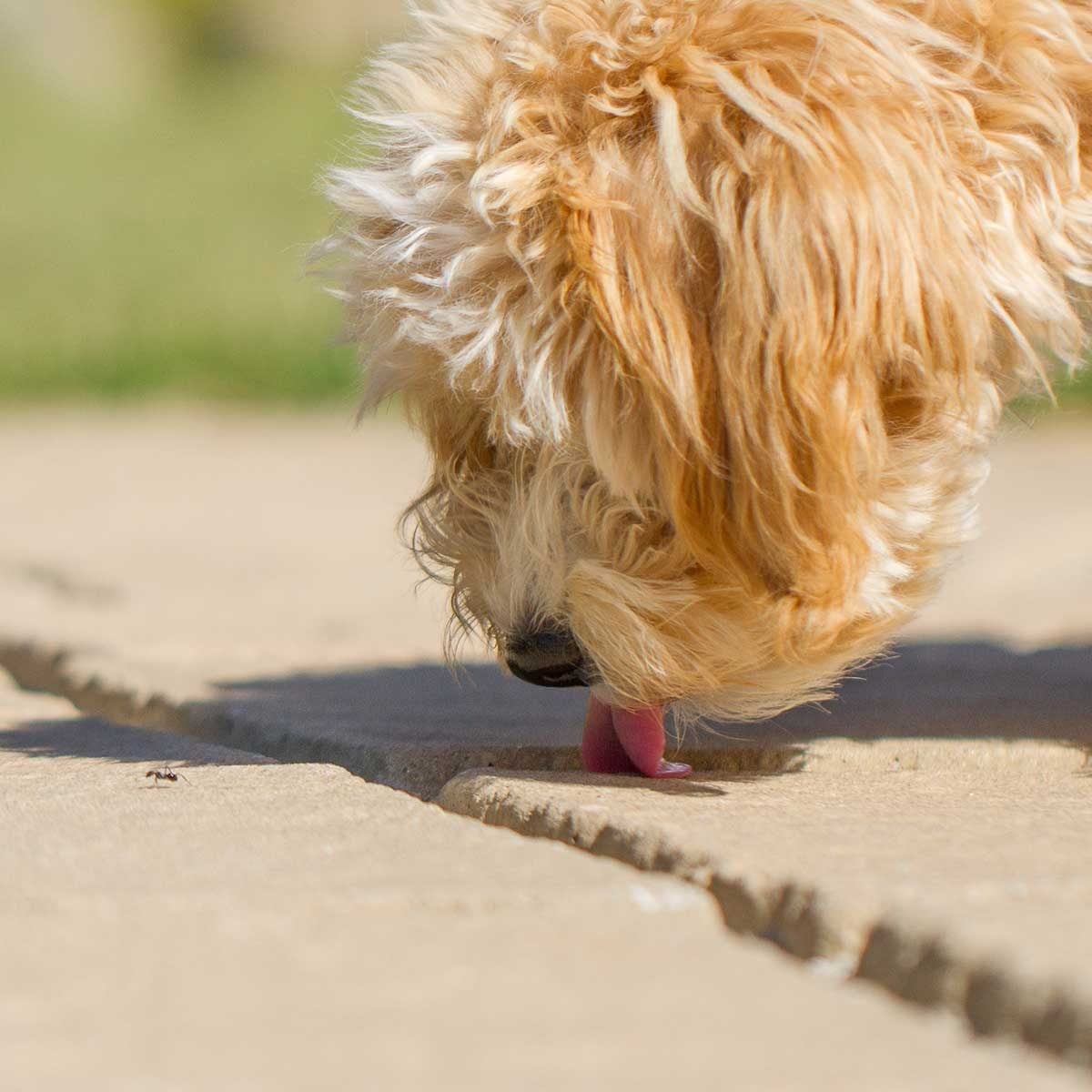
Ants are tiny, determined, and weirdly talented at discovering the exact crumb you missed under the toaster. Add a dog or cat to the mix, and the whole situation gets trickier fast. You are not just trying to stop an ant parade from marching across the kitchen counter. You are also trying to do it without putting your curious Labrador, snack-hunting beagle, or “I will taste this for science” cat at risk.
The good news is that ant control in a pet-friendly home is absolutely possible. The smartest approach is not to start with the strongest spray you can find. It is to start with what pest experts call an integrated approach: remove what attracts ants, block how they get in, clean up their scent trails, and use targeted products only when you actually need them. In other words, think less “chemical warfare,” more “strategic eviction.”
This guide explains how to get rid of ants when you have a dog or cat in the house, what methods are safest, what common mistakes to avoid, and how to keep the problem from coming back three Tuesdays from now when you were finally starting to feel smug.
Why Ant Problems Feel Harder in Pet Homes
If you have pets, your home may accidentally offer ants a full-service resort. Pet food bowls can provide protein, fat, and crumbs. Water bowls can become a reliable hydration station. Treat jars that are not sealed tightly can smell like a buffet. Litter tracking, food spills, and slobbery snack fragments under a feeding mat can make an ant scout feel like it just hit the jackpot.
And then there is the second problem: many ant-control products are designed to attract pests. That means they can also attract a curious dog or cat. A bait station tucked under the wrong cabinet can look like a chew toy. A sweet liquid bait can smell interesting. Even “natural” methods can be a problem if they involve essential oils or loose powders that pets can lick, inhale, or walk through and groom off later.
That is why the safest ant-control strategy for pet owners starts with prevention and precision, not panic.
Step 1: Figure Out What the Ants Are After
Before you do anything, spend a day paying attention. Ant control works much better when you know why the ants are there.
Look for food sources
Check the obvious places first: pet food bowls, treat bins, garbage cans, countertops, sticky jars, fruit bowls, recycling, and the floor under the dining table. Ants are not picky. If your golden retriever turned one kibble into six crumbs and two mystery particles, ants are thrilled.
Look for water sources
Leaky faucets, damp sink cabinets, wet bath mats, plant saucers, and constantly full pet water bowls can all attract ants. Some species come indoors mostly because they want moisture.
Watch the trail
If possible, follow the ants. Are they coming in around a window frame, under a door sweep, through a gap around plumbing, or from a crack near the baseboard? A visible trail tells you where to clean, seal, and place control measures later.
Step 2: Start With Pet-Safe, Nonchemical Fixes
If you do only one thing today, make it this section. In many homes, these steps shrink the ant problem dramatically before any pesticide enters the conversation.
Clean up food like ants are tiny detectives
Wipe counters, stovetops, and tables daily. Sweep or vacuum around pet feeding areas often. Wash the feeding mat, especially if wet food is involved. Store pet food and treats in tightly sealed containers instead of loosely folded bags. If ants are repeatedly targeting the food bowl, consider set mealtimes instead of free-feeding so food is not available around the clock.
Disrupt the ant trail
Once ants find food, they leave scent trails for the rest of the colony. Cleaning the trail helps break that communication. A simple wipe-down with soapy water or a mild vinegar-and-water solution can help remove the trail from counters, floors, and baseboards. Let the area dry before pets walk through it.
Cut off their entry points
Seal cracks and gaps around windows, doors, pipes, and baseboards. Replace worn door sweeps. Fix torn screens. Trim shrubs and branches that touch the house. Ants love using outdoor plants and utility lines as little highways straight to your kitchen.
Reduce outdoor shelter close to the house
Move leaf litter, wood piles, thick mulch, and debris away from the foundation. If ants are nesting right outside, those cozy conditions make repeated indoor invasions much more likely.
Deal with moisture
Repair leaks, dry out damp cabinets, and avoid leaving standing water where possible. Carpenter ants, in particular, tend to be associated with moisture issues and damaged wood.
Step 3: Pick the Safest Effective Ant Control for a Home With Pets
When cleaning and exclusion are not enough, the next step is targeted control. For most indoor ant problems, the best option is usually a properly placed enclosed bait, not a room-wide spray.
Why baits are often the better choice
Ant baits are designed to be carried back to the colony, which gives you a chance of reducing the actual nest instead of just killing the ants you can see on parade duty. Spraying visible ants often gives quick satisfaction and terrible long-term results. You win the battle, the colony sends reinforcements, and somehow the kitchen still belongs to them by Friday.
That said, “better choice” does not mean “leave it anywhere and hope for the best.” In a pet home, bait placement matters enormously.
How to use bait more safely around dogs and cats
- Choose enclosed bait stations instead of loose gel blobs where possible.
- Place bait only in locations pets cannot access, such as inside a secured cabinet, behind a kick plate, in a wall void handled by a professional, or in another protected space.
- Never place bait next to pet food, water bowls, bedding, toys, or litter areas.
- Check stations regularly to make sure they have not been moved, chewed, or spilled.
- Use the product exactly as labeled. More is not better. It is just messier and riskier.
What to avoid or handle very carefully
Loose powders and dusts: These can travel into paws, fur, noses, and air. Even products people assume are mild can irritate eyes, skin, or airways if they become airborne or are groomed off fur.
Broadcast indoor sprays: Spraying large areas indoors is usually not the smartest first move for ants, especially with pets in the home. It can increase exposure risk and often does not solve the colony problem.
Foggers and total-release bombs: These are generally overkill for an ant trail and not a great match for a house with pets unless a licensed professional has a very specific reason and you can follow all re-entry directions exactly.
DIY borax mixtures: Homemade ant bait recipes are all over the internet, but a pet home is not the place to play kitchen chemist with sweet toxic mixtures. You have less control over concentration, placement, storage, and accidental exposure.
Essential oil “natural remedies”: Natural does not automatically mean pet-safe. Cats especially can be sensitive to many concentrated essential oils, and dogs can react too. A homemade peppermint or tea tree ant spray may sound charming on social media, but it is not worth turning your ant problem into a vet problem.
Step 4: A Room-by-Room Ant Plan for Pet Owners
Kitchen
This is ant central. Clean grease, crumbs, and sticky residue. Move pet food into sealed containers. Pick up bowls between meals if possible. Pull out the toaster tray, clean under appliances, and rinse recycling before it sits overnight. If bait is needed, place it only in protected, inaccessible spots.
Laundry room and mudroom
These rooms often collect pet food bags, treats, mop buckets, and dampness. Keep food sealed, wipe spills quickly, and do not store pest products on a low shelf where a dog can nose them open.
Bathroom
Ants sometimes show up here for moisture. Fix drips, reduce humidity, and check where pipes enter the wall. Avoid leaving pet toothpaste, medicated wipes, or flavored pet products where ants can investigate.
Living room
If your dog gets chew treats on the rug or your cat hides snack crumbs in places science cannot yet explain, vacuum more often. Also check windowsills and sliding-door tracks for entry points.
Outdoor areas near entrances
Trim vegetation, move clutter away from the house, and inspect where ants are entering. Outdoor baiting near a trail can be useful when done according to the label and placed where pets cannot reach it.
Common Mistakes Pet Owners Make
- Spraying every ant in sight: It feels productive, but it often does not eliminate the source.
- Leaving pet food out all day: Convenient for you, deeply motivating for ants.
- Using multiple products at once: Combining sprays, baits, and homemade remedies can reduce effectiveness and increase risk.
- Putting bait where the ants are most visible, even if pets can reach it: Visibility is not the same thing as safe placement.
- Assuming “green” or “natural” equals harmless: It does not.
- Ignoring moisture problems: If the real issue is damp wood or a persistent leak, the ants may keep returning until you fix that condition.
When to Call a Professional
Sometimes the smartest move is bringing in a licensed pest-control professional, especially if:
- the ants keep returning after you have cleaned, sealed, and baited carefully;
- you suspect carpenter ants in walls, window frames, or damp wood;
- the nest seems inaccessible;
- the infestation is large, repeated, or spread across multiple rooms;
- you are not confident about using any pesticide product safely around your pets.
When hiring a pro, tell them right away that you have a dog or cat in the house. Ask where products will be placed, how long pets must stay away, and what steps they recommend to reduce exposure. A good professional should be comfortable answering those questions clearly.
What to Do If Your Dog or Cat Gets Into Ant Killer
Stay calm, but do not shrug it off. If your pet licked, chewed, or swallowed an ant-control product, remove access immediately and contact your veterinarian or an animal poison resource right away. Keep the packaging so you can identify the exact product and active ingredients. Do not try random home remedies from the internet. Fast, product-specific advice is the better move.
Even when an exposure turns out to be minor, it is still worth getting guidance because risk depends on the product, the amount, and your pet’s size and health status.
How to Keep Ants From Coming Back
Long-term ant control is mostly about making your home less attractive than the one next door. Ruthless? Yes. Effective? Also yes.
- Keep pet feeding areas clean and dry.
- Store food and treats in sealed containers.
- Take out trash regularly and clean the can.
- Seal gaps, cracks, and utility openings.
- Trim plants away from the house.
- Fix leaks and reduce indoor dampness.
- Inspect problem areas at the first sign of scouts rather than waiting for a full ant highway.
Think of ant prevention like brushing your dog or cleaning the litter box: not glamorous, very repetitive, and wildly easier than dealing with the full-blown consequence of skipping it for too long.
Real-Life Experiences and Lessons From Pet Homes
One of the most common experiences pet owners describe is the “I cleaned the counter, so why are the ants still here?” problem. Usually, the answer turns out to be somewhere lower and messier. A dog food mat with a thin film of gravy. A few kibbles kicked under the cabinet toe-kick. A cat treat container with sticky dust around the lid. Ants are not impressed by your spotless backsplash if there is a gourmet buffet happening six inches above the floor.
Another familiar scenario happens with water bowls. Many people focus on food first, but then realize the ants keep reappearing even after bowl cleanup. In real homes, the issue is often moisture. Maybe the bowl sits on a mat that stays damp. Maybe the bowl is near a tiny gap in the baseboard. Maybe the sink cabinet nearby has a slow leak. Once the moisture source is fixed, the ant activity drops in a way that feels almost suspiciously fast.
Cat owners often share a different frustration: the cat is somehow more interested in the bait station than the ants are. This is where placement becomes everything. A station placed behind a trash can may seem hidden to a human and immediately obvious to a determined cat who treats household boundaries as mere suggestions. In those cases, success usually comes from moving the bait into truly inaccessible areas and focusing harder on exclusion and sanitation in the open spaces.
Dog owners, on the other hand, often learn that set mealtimes make a bigger difference than expected. A bowl left down all day can support a constant trickle of ant activity. But when meals go down, the dog eats, and the bowl gets picked up and wiped, the ants lose one of their best reasons to hang around. It is not a dramatic TV-commercial fix, but it is one of those practical habits that changes the whole equation.
Some households also discover that the ant issue is seasonal and tied to weather. After rain, heat waves, or sudden dry spells, ants may appear indoors even when the house is fairly clean. That experience can be discouraging because it feels like you caused the problem when you did not. The lesson there is to treat prevention like maintenance, not punishment. Sealing gaps, trimming plants, and checking usual entry points before peak ant season can prevent a lot of those surprise invasions.
And then there is the emotional side, which nobody talks about enough. Pet owners often feel stuck between two bad options: live with ants or worry about the pet getting into the treatment. The real-life solution is usually a middle path. Start with cleaning and sealing. Use carefully placed enclosed baits only if needed. Avoid random DIY experiments. And if the infestation is beyond what feels safely manageable, call a professional and be explicit about the pets. That approach is not dramatic, but in real homes, it is often the one that actually works.
Final Thoughts
If you are wondering how to get rid of ants when you have a dog or cat in the house, the answer is not “use nothing” and it is not “spray everything.” The safest, smartest plan is layered: remove food and water sources, erase trails, seal entry points, and use targeted ant bait only in places your pets truly cannot reach. Add patience, because effective ant control is often a process rather than a magic trick.
Done right, you can protect your pets, reclaim your kitchen, and stop feeling judged by a line of insects every time you walk in for coffee.













