
June bugs have a talent for turning a peaceful summer evening into a tiny airborne bumper-car tournament. One minute you are enjoying the porch, and the next, a chunky brown beetle is bouncing off the screen door like it forgot how wings work. The good news? June bugs are manageable. The even better news? You do not need to panic, fog the whole yard, or declare war on every beetle within city limits.
The trick is understanding what you are really dealing with. Adult June bugs are the noisy, clumsy beetles you see around lights in late spring and early summer. Their larvae, called white grubs, live underground and feed on roots. If your goal is to get rid of June bugs fast and for good, you need a two-part plan: reduce adult beetles around the house now, then break the grub cycle in the lawn so next year’s beetle party has fewer guests.
This guide covers quick fixes, long-term lawn strategies, natural control options, prevention tips, and the mistakes that accidentally make June bug problems worse. Let’s evict the beetle circuspolitely, effectively, and without turning your backyard into a chemistry experiment.
What Are June Bugs?
“June bug” is a casual name for several scarab beetles, especially May beetles and June beetles in the genus Phyllophaga. Depending on where you live, people may also use the term for green June beetles, masked chafers, or other similar beetles. They are usually stout-bodied, brown, tan, reddish-brown, black, or metallic green, and many are about half an inch to one inch long.
Adult June bugs are most noticeable at night because they are attracted to lights. That is why they gather around porch fixtures, garage lamps, patio doors, window screens, and glowing indoor lights that spill outside. They are not trying to move in and split the rent. They are simply following light like tiny confused pilots.
The June Bug Life Cycle
June bugs go through complete metamorphosis: egg, larva, pupa, and adult. The adult beetles emerge from soil, mate, feed on foliage, and lay eggs in the ground. The eggs hatch into white grubs, which spend monthsor in some species, multiple yearsfeeding on grass roots and organic matter in the soil.
This is why killing adult beetles alone rarely solves the problem. You may reduce the annoyance around your porch tonight, but if your lawn is hosting a grub buffet underground, more beetles may appear later. Fast relief comes from managing adults. Lasting control comes from targeting the larvae at the right time.
Signs You Have a June Bug Problem
A few June bugs around lights are normal in many parts of the United States. A real problem usually shows up in one of two places: around the house at night or in the lawn during grub season.
Adult June Bug Signs
- Beetles swarming porch lights, garage lights, or patio fixtures after sunset
- Beetles bumping into windows, doors, screens, or people
- Dead beetles collecting near entryways in the morning
- Chewed leaves on trees, shrubs, roses, grapes, or ornamental plants
- Beetles flying low over the lawn during warm evenings
Grub Damage Signs
- Brown or yellow patches in turf even when moisture seems adequate
- Grass that feels loose, spongy, or easy to peel back like a rug
- Skunks, raccoons, birds, or other animals digging in the lawn
- Visible white, C-shaped larvae in the soil root zone
- Thin turf that struggles in late summer or early fall
Before treating the lawn, confirm that grubs are present. Drought, compacted soil, fungal disease, poor mowing habits, and pet urine can all cause brown patches. In other words, do not blame June bugs until you catch them with tiny shovels in the root zone.
How to Get Rid of June Bugs Fast
When June bugs are flying around your porch tonight, you need practical steps that work quickly. These methods focus on reducing adult beetles around the home without overcomplicating the process.
1. Turn Off Unnecessary Outdoor Lights
The fastest way to reduce adult June bugs is to remove their favorite invitation: bright nighttime lighting. Turn off porch lights, garage lights, landscape lights, and patio string lights when they are not needed. If indoor lights shine through windows and attract beetles to screens, close curtains or blinds after dark.
This one change can make a dramatic difference. June bugs are not brilliant strategists; they are mostly following light. Take away the beacon, and many of them move along to bother someone else’s porch. Is it neighborly? Maybe not. Is it effective? Often, yes.
2. Switch to Warm or Yellow Outdoor Bulbs
If you need outdoor lighting for safety, switch from bright white or cool-toned bulbs to warm yellow, amber, or “bug light” bulbs. These are generally less attractive to many night-flying insects than cooler, blue-white lights. Place lights away from doors when possible, so beetles gather away from entry points instead of treating your front door like a nightclub entrance.
Motion-sensor lights can also help because they are not glowing all evening. The goal is not total darkness. The goal is smarter lighting that does not broadcast, “Free beetle meetup here!” to every June bug in the neighborhood.
3. Seal Entry Points Around Doors and Windows
June bugs do not usually infest homes, but they can stumble inside through gaps. Check weather stripping, door sweeps, window screens, and garage seals. Repair torn screens and close doors quickly at night. If beetles keep appearing indoors, look for light leaks near gaps around windows or doors.
A simple door sweep can prevent a surprising number of beetles, spiders, crickets, and other uninvited guests. Think of it as a velvet rope for your house, except instead of a bouncer, it is a strip of rubber.
4. Remove Beetles by Hand or Vacuum
For small numbers of adult June bugs, physical removal is quick and chemical-free. Sweep them off porches in the morning, use a handheld vacuum, or drop sluggish beetles into a container of soapy water. Wear gloves if touching insects makes you feel like you are auditioning for a survival show.
This method is especially useful near doors, pool decks, patios, and screened porches. It will not solve the grub cycle, but it provides immediate relief in the areas where beetles are most annoying.
5. Protect Vulnerable Plants
Adult June bugs may feed on foliage, though damage is often minor unless beetle numbers are high. If you notice chewing on young trees, shrubs, fruit plants, or ornamentals, shake beetles into a bucket early in the morning when they are slower. Lightweight row cover can protect small plants during peak beetle activity, but remove it when plants need pollination.
Avoid spraying broad insecticides over blooming plants. That can harm pollinators and beneficial insects while doing little to fix the real source of the problem underground.
How to Get Rid of June Bugs for Good
“For good” does not mean you will never see a June bug again. Nature does not sign eviction agreements. It means you reduce the conditions that allow big beetle populations to return every year. That starts with the lawn.
1. Inspect the Lawn for White Grubs
To check for grubs, choose brown or thinning areas at the edge of damage. Cut a square foot of turf about two to three inches deep on three sides, then peel it back carefully. Look in the root zone and count the grubs. Replace the sod, press it down, and water it so the roots can recover.
Thresholds vary by region, turf type, irrigation, and lawn health, but a high grub count usually means treatment may be justified. A healthy lawn can often tolerate a small number of grubs. Treating when no grubs are present wastes money and may disrupt beneficial soil life.
2. Time Grub Control Correctly
Timing is everything with June bug control. Young grubs near the soil surface are easier to manage than large, mature grubs deeper in the soil. In many regions, the best window for grub management is late summer to early fall, when newly hatched grubs are small and actively feeding. Some preventive products are applied earlier, depending on the active ingredient, local climate, and target grub species.
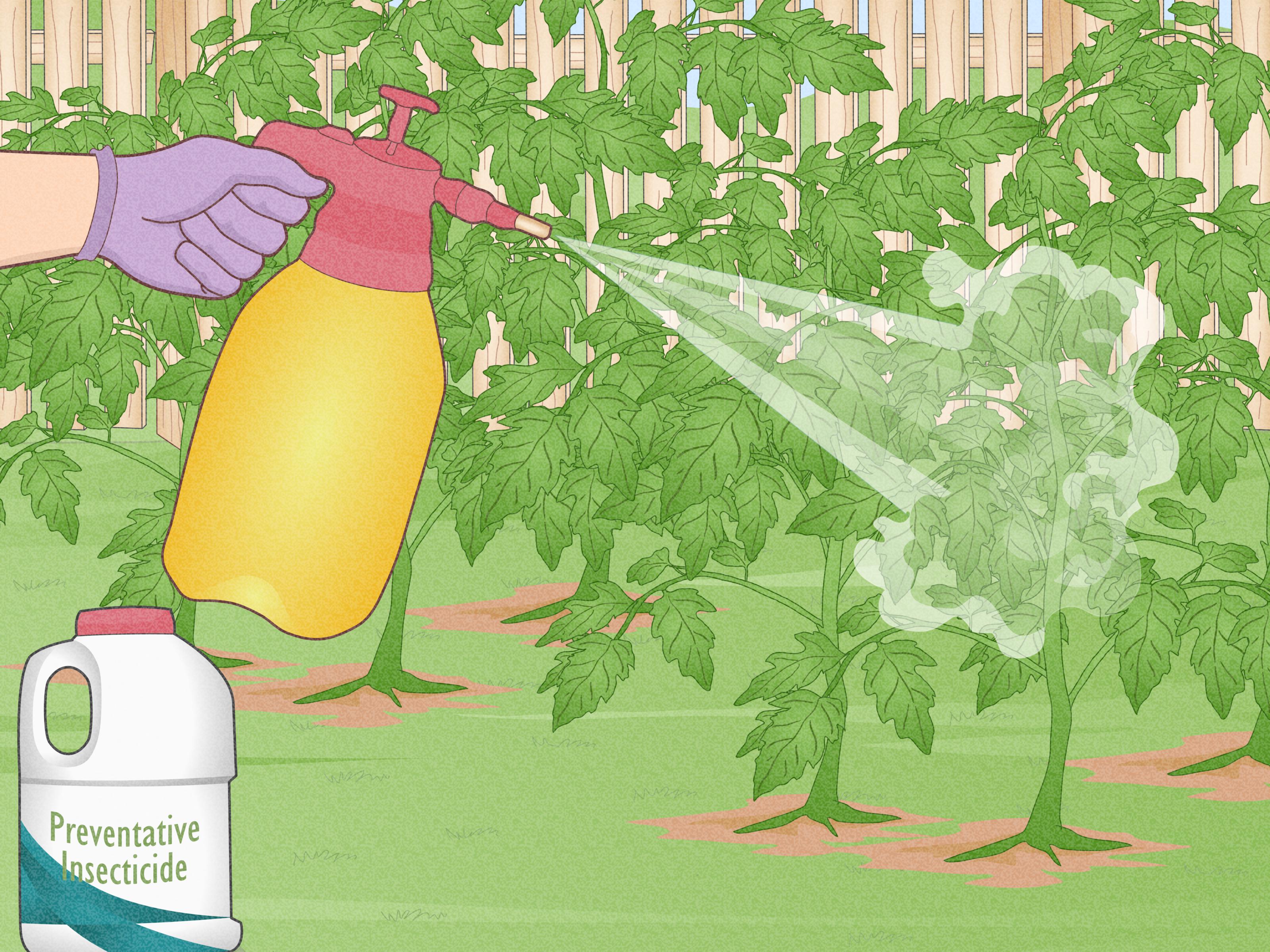
If you use a lawn insecticide, choose a product labeled for white grubs in turfgrass and follow the label exactly. Watering requirements, timing, safety restrictions, and application limits matter. More product is not better. It is just more risk with a side of regret.
3. Build a Stronger Lawn
A dense, healthy lawn is better able to tolerate root feeding than weak turf. Mow at the proper height for your grass type, avoid scalping, water deeply but not constantly, and fertilize according to soil test recommendations. Thin, stressed lawns are easier for grubs to damage and harder for homeowners to rescue once brown patches appear.
Do not overwater in summer just to keep grass unnaturally lush. Moist soil can be attractive for egg laying by some beetles. The best approach is balanced lawn care: enough water to keep turf healthy, not so much that your yard becomes a luxury nursery for future grubs.
4. Reduce Thatch and Soil Compaction
Excess thatch can create a comfortable zone for pests and interfere with water movement. Compacted soil weakens roots and makes turf less resilient. Aeration, proper mowing, and smart fertilization can improve root growth and help the lawn recover from stress.
If your lawn has recurring grub problems, look beyond insects. Poor drainage, compacted soil, short mowing, and weak grass varieties may be part of the reason beetle damage seems worse every year.
5. Use Beneficial Nematodes Carefully
Beneficial nematodes, especially species used for grub control, can help in some situations. They are living organisms, so success depends on freshness, correct storage, soil moisture, temperature, and application timing. Apply them according to the product directions, usually when grubs are present and soil conditions support nematode survival.
Nematodes are not instant magic dust. They can be useful, but they require better timing and care than many people expect. If you buy them, treat them like refrigerated yogurt with a mission, not like a bag of gravel.
6. Be Cautious With Milky Spore
Milky spore is often marketed for grub control, but it is mainly associated with Japanese beetle grubs and may not control all June bug or white grub species. Because “June bug” can refer to multiple beetles, proper identification matters. If your lawn problem is caused by May/June beetle grubs, masked chafers, or green June beetles, a Japanese-beetle-specific solution may disappoint you.
Before investing in a biological control, identify the grub or ask a local Extension office for help. Guessing at grub species is like trying to fix a car by changing random parts until the engine apologizes.
Natural Ways to Keep June Bugs Away
Natural June bug control works best when you combine several low-risk tactics. The goal is not to sterilize your yard. It is to make your property less attractive and less supportive of large beetle populations.
Encourage Beneficial Wildlife
Birds, certain wasps, and other natural predators feed on beetles or grubs. A diverse landscape with native plants can support beneficial insects and birds. However, wildlife can be a mixed blessing: skunks and raccoons may dig up turf while hunting grubs. If animals are tearing your lawn apart, the grubs are the buffet, and the digging is the Yelp review.
Clean Up Fallen Fruit and Plant Debris
Some beetles are attracted to ripe, fermenting, or damaged fruit. Keep fallen fruit picked up under trees and remove rotting organic material near patios and entryways. This will not eliminate June bugs by itself, but it reduces extra attractants around the home.
Avoid Overusing Bug Zappers
Bug zappers may kill insects, but they do not target grubs in the lawn and may kill many non-pest insects. They can also attract more insects toward the area you are trying to enjoy. If your porch is already a beetle airport, adding a bright electric beacon may not be the genius move it feels like at the hardware store.
When to Use Professional Pest Control
Call a licensed pest control professional or lawn specialist if you have repeated turf damage, high grub counts, large areas of dying grass, or uncertainty about which grub species is present. A professional can identify the pest, choose the right timing, and apply products safely according to local rules.
This is especially helpful if your lawn has had grub damage for multiple years. Some May/June beetles have multi-year life cycles, so a one-time treatment may not fully reset the problem. Good pest control is not just “spray and pray.” It is monitoring, timing, identification, and prevention.
Safety Tips for June Bug Control
If you use pesticides, read the entire label before applying anything. Use only products labeled for the pest and site you are treating. Keep children, pets, toys, and food items away from treated areas until the label says it is safe. Do not spray on windy or rainy days, and do not apply more than directed.
Also, avoid homemade pesticide mixtures found online. Vinegar, dish soap, essential oils, and random kitchen experiments can damage plants, contaminate soil, or harm beneficial insects. Your lawn is not a salad, and your garden does not need a mystery dressing.
Common Mistakes That Make June Bugs Worse
Mistake 1: Treating Adults Only
Killing adult beetles may reduce the immediate nuisance, but it does not address grubs already in the soil. For long-term June bug control, inspect and manage the lawn during the correct grub window.
Mistake 2: Leaving Bright Lights On All Night
Outdoor lights can pull June bugs toward doors and windows. Use warm bulbs, motion sensors, timers, and curtains to reduce attraction.
Mistake 3: Treating Without Confirming Grubs
Brown grass does not always mean grubs. Always inspect the soil before applying grub control. Your wallet and the beneficial insects will appreciate the restraint.
Mistake 4: Ignoring Lawn Health
Weak turf suffers more from root feeding. Proper mowing, watering, aeration, and soil care are part of long-term pest prevention.
Mistake 5: Using the Wrong Product at the Wrong Time
Grub treatments work best when matched to the pest’s life stage. Large grubs deeper in the soil are harder to control than young grubs near the surface.
A Simple June Bug Control Plan
Tonight
Turn off unnecessary lights, close curtains, switch to warm bulbs where possible, sweep or vacuum beetles from porches, and seal obvious entry gaps.
This Week
Inspect damaged lawn areas for grubs. Check several spots, especially at the edge of brown patches. Note how many grubs you find per square foot.
This Season
If grub numbers are high, choose a labeled control method and time it for small, actively feeding grubs. Consider calling a local Extension office or lawn professional for identification and regional timing.
Long Term
Improve turf health, avoid overwatering, reduce thatch and compaction, use outdoor lighting strategically, and monitor the lawn each summer. This approach reduces June bug pressure year after year.
Experience Notes: What Actually Works in Real Yards
In real life, June bug control is rarely one dramatic moment. It is usually a series of small fixes that add up. Homeowners often notice the problem first at the porch light. The beetles arrive after sunset, smack into the siding, cling to screens, and occasionally tumble inside when someone opens the door. The first instinct is to search for a spray, but the fastest improvement often comes from changing the lighting.
One practical experience many people share is that turning off the porch light helps immediately, but it does not always solve the problem if bright indoor light shines through windows. In that case, closing blinds or curtains can make the door area much less attractive. A warm amber bulb near the entry and a brighter light placed farther from the door can also redirect beetles away from the main traffic zone. It is not glamorous, but neither is getting dive-bombed while carrying groceries.
Another common lesson is that adult beetles are only the visible chapter of the story. A lawn can look fine in June and then show mysterious brown patches in late summer. When the turf peels back easily, grubs are often feeding below. The experience is frustrating because the damage may look like drought at first. Many homeowners water more, assuming the lawn is thirsty, only to discover that the roots have been chewed away. Water cannot help much if the grass no longer has a decent root system to drink with.
The most successful approach is usually inspection before treatment. Cutting a small square of sod and checking the root zone feels oddly old-fashioned, but it works. It prevents unnecessary treatments and helps you decide whether the problem is severe enough to act. People who skip this step often spend money on grub control when the real issue is compacted soil, disease, poor irrigation, or summer dormancy.
Timing is another lesson learned the hard way. Treating large grubs too late often gives disappointing results. Preventive and curative products have different timing windows, and those windows vary by region. That is why local guidance matters. A lawn in Georgia, Pennsylvania, Michigan, or California may not follow the same calendar. The beetles do not care what your wall calendar says; they care about soil temperature, species, and life stage.
Natural options can help, but they also require realistic expectations. Beneficial nematodes may work when they are fresh, applied correctly, and used under suitable soil conditions. Milky spore may help with Japanese beetle grubs but is not a universal June bug solution. A healthy lawn, reduced light attraction, and regular monitoring are more dependable than hoping one product will perform a miracle while you sleep.
The biggest experience-based takeaway is simple: do not fight June bugs only where they annoy you. Fight them where they begin. Manage lights to reduce adults around the house, then monitor the soil to control grubs before they become next season’s flying chaos. Do that, and June bugs become a seasonal nuisance instead of the unofficial owners of your porch.
Conclusion
Getting rid of June bugs fast starts with reducing adult beetles around lights, doors, and patios. Getting rid of them for goodor at least keeping them from returning in large numbersrequires managing white grubs in the lawn. The best plan combines smart lighting, physical removal, lawn inspection, correct grub timing, healthy turf practices, and safe, label-following treatment when needed.
June bugs may be clumsy, loud, and weirdly determined to bonk into every window you own, but they are not unbeatable. With a little timing and a lot less porch-light drama, you can take back your summer evenings and keep your lawn from becoming a beetle nursery.













