
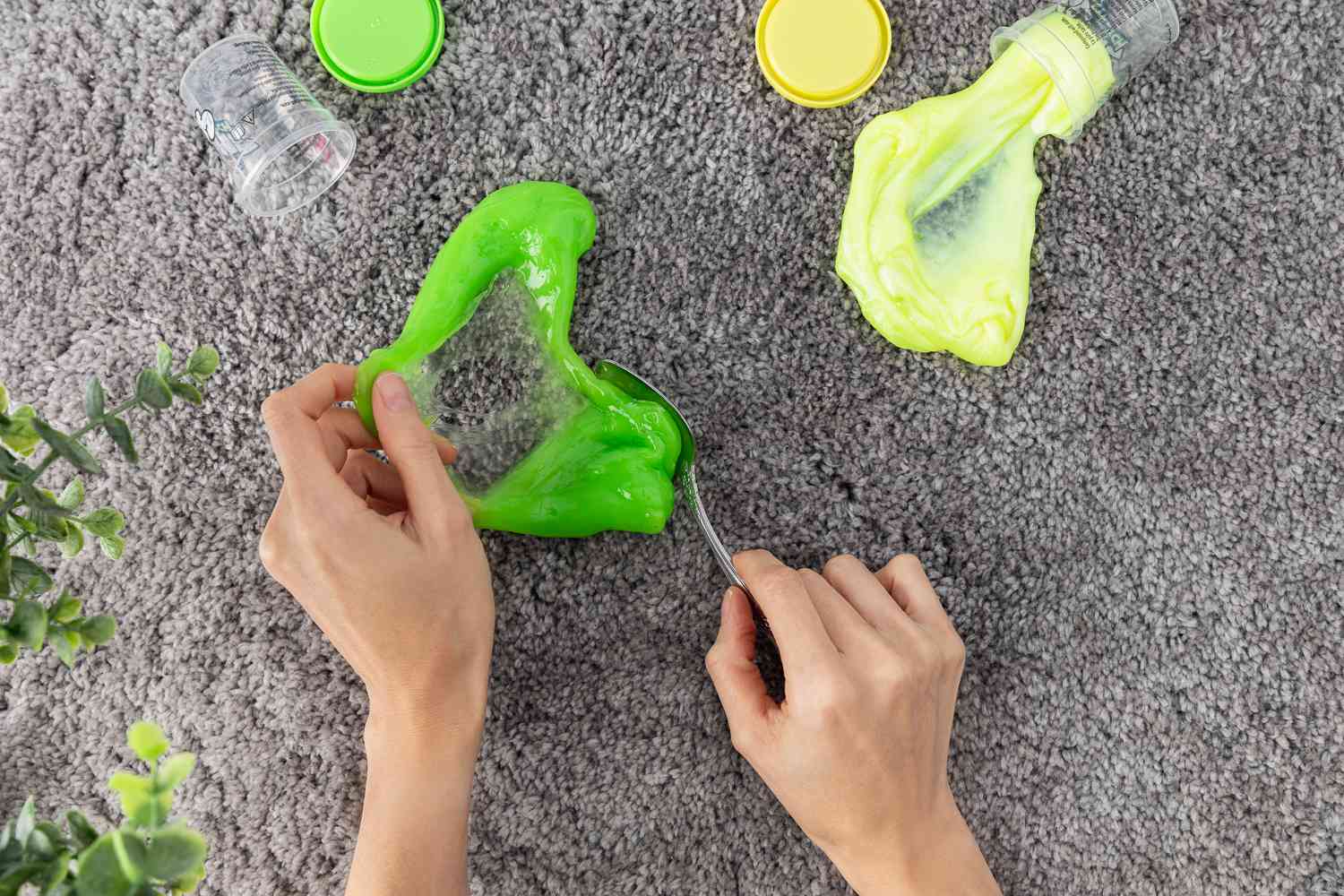
Slime is one of those kid-approved inventions that seems harmless until it performs a dramatic belly flop onto your carpet. One second, everyone is enjoying a colorful, stretchy science experiment. The next second, your living room looks like a small alien sneezed on the floor. Good news: you do not need to panic, replace the carpet, or pretend the stain is “modern art.” With the right steps, you can remove slime from carpet quickly, safely, and without turning a sticky situation into a fuzzy disaster.
This guide explains how to get slime out of carpet in no time using common household supplies like white vinegar, mild dish soap, warm water, ice cubes, a spoon, and clean white towels. Whether the slime is fresh, dried, glittery, dyed, or mysteriously discovered under a chair three days later, the secret is the same: lift first, loosen gently, blot patiently, rinse well, and dry completely.
Before you begin, remember one golden rule: do not rub slime deeper into the carpet fibers. Slime is already clingy enough. It does not need encouragement.
Why Slime Is So Annoying on Carpet
Most homemade and store-bought slime contains sticky binders, colorants, glitter, fragrance, and sometimes glue-like ingredients. That combination is excellent for stretchy play and terrible for carpet. The slime wraps around carpet fibers, dries into rubbery clumps, and may leave behind dye if it sits too long.
Carpet also has texture, pile, and hidden spaces where sticky residue can hide. A flat tile floor gives slime nowhere to run. Carpet, on the other hand, gives slime a luxury vacation home with fiber-lined walls. That is why a smart removal process matters. You want to lift the slime out instead of spreading it around or pushing it into the backing.
What You Need to Remove Slime from Carpet
Gather your supplies before you start. A quick setup saves time and prevents you from sprinting through the house with sticky fingers.
- Plastic spoon, butter knife, or dull scraper
- Clean white cloths or white paper towels
- Spray bottle
- Distilled white vinegar
- Warm water
- Mild liquid dish soap
- Ice cubes or an ice pack
- Soft-bristled brush or old toothbrush
- Vacuum cleaner
- Fan for faster drying
Use white cloths when possible. Colored towels can transfer dye, and nobody wants to defeat green slime only to create a blue towel stain. That would be the cleaning equivalent of winning the battle and losing the couch.
Step-by-Step: How to Get Fresh Slime Out of Carpet Fast
1. Remove the Big Globs First
Start by lifting as much slime as possible with a spoon, dull knife, or your fingers protected by a paper towel. Work from the outside of the slime patch toward the center. This keeps the mess from spreading into a larger sticky pancake.
Do not grind, scrub, or mash the slime. Scrubbing at this stage pushes the slime deeper into the pile. Think of yourself as a slime archaeologist: gentle scraping, careful lifting, no dramatic digging.
2. Blot the Area, Do Not Rub
Once the bulk of the slime is gone, blot the area with a clean white cloth. Press down, lift, and repeat. If the cloth picks up slime residue, switch to a fresh section. Rubbing can twist carpet fibers and spread color, especially if the slime contains dye.
3. Mix a Vinegar Cleaning Solution
For many slime stains, a vinegar solution works well because it helps loosen sticky residue. Mix one part distilled white vinegar with two parts warm water in a spray bottle. For a stronger mess, you can use equal parts vinegar and water, but always test first in a hidden area such as a closet corner or under furniture.
Spray the solution lightly over the slime residue. The carpet should be damp, not soaked. Too much liquid can reach the backing or padding, which makes drying harder and may invite musty odors. Carpet likes a sip, not a swimming pool.
4. Let It Sit Briefly
Give the vinegar solution about five to ten minutes to loosen the slime. This short waiting period lets the cleaner do some of the work for you. If you immediately start brushing, you may be fighting slime at full strength. Let it soften first, then make your move.
5. Gently Work the Fibers
Use a soft-bristled brush or an old toothbrush to gently loosen the residue. Brush in short, light strokes. If you see slime lifting, stop and blot it away. Do not attack the carpet like you are scrubbing a grill grate after a barbecue. Carpet fibers can fray, fuzz, or distort when treated too roughly.
6. Rinse with Plain Water
After the slime is removed, lightly mist the spot with clean water or blot with a damp cloth. This helps remove vinegar or soap residue. Residue matters because leftover cleaner can attract dirt later, creating a dark spot that looks like the slime came back to haunt you.
7. Blot Dry and Use a Fan
Press dry towels over the area to absorb moisture. Stand on the towel for a few seconds if needed. Then place a fan nearby to speed drying. Once the carpet is fully dry, vacuum the area to lift the fibers and remove any tiny dried bits left behind.
How to Get Dried Slime Out of Carpet
Dried slime looks scarier, but it can still be removed. The trick is to break it up before adding moisture. If you pour cleaner directly onto a hard slime blob, you may create a gummy paste. That paste is not your friend.
1. Freeze the Slime
Place ice cubes in a plastic bag and set them over the dried slime for 10 to 15 minutes. The cold hardens the slime, making it easier to crack and lift. This method is especially useful for thick slime or slime that has been stepped on.
2. Scrape Carefully
Use a spoon or dull scraper to lift the hardened pieces. Vacuum the crumbs as they break away. Work slowly and avoid pulling carpet fibers. If the slime refuses to budge, apply the ice again and repeat.
3. Treat the Remaining Stain
After removing the dry chunks, treat the leftover residue with the vinegar-and-water method. Spray lightly, wait a few minutes, blot, and rinse. If the spot still feels sticky, move to the dish soap method below.
How to Remove Slime Without Vinegar
Vinegar is useful, but it is not the only option. If you dislike the smell or want a gentler first step, use mild dish soap and warm water.
Dish Soap Method
Mix two teaspoons of mild liquid dish soap with two cups of warm water. Apply a small amount to the slime stain using a cloth or spray bottle. Blot gently, then use a soft brush if needed. Once the residue lifts, rinse the area with plain water and blot dry.
Do not use too much soap. A little dish soap can help loosen sticky residue, but a lot of dish soap can create foam, residue, and a carpet spot that attracts dirt. In carpet cleaning, more soap is not more heroic. It is just more rinsing.
How to Handle Colored Slime Stains
Bright slime may leave a dye stain even after the sticky texture is gone. Red, blue, purple, and neon green slime are especially dramatic. They arrive at the carpet like they are auditioning for a superhero movie.
First, remove all physical slime. Then blot the stained area with a mild vinegar solution or dish soap solution. Rinse and dry. If color remains, use a carpet-safe stain remover labeled for your carpet type. Follow the product directions exactly and test in a hidden area first.
Avoid bleach unless your carpet manufacturer specifically says it is safe. Many carpets can discolor permanently when exposed to harsh chemicals. If the carpet is wool, silk, vintage, handmade, or expensive, call a professional cleaner before experimenting.
What Not to Do When Cleaning Slime from Carpet
Some cleaning mistakes make slime worse. Here are the big ones to avoid:
- Do not scrub aggressively. Scrubbing can damage fibers and spread the stain.
- Do not pour cleaner directly onto the carpet. Too much liquid can soak the backing.
- Do not use hot water first. Heat can sometimes set dyes or make sticky residue harder to manage.
- Do not mix random chemicals. Stick with one simple method at a time.
- Do not skip rinsing. Cleaner residue can attract dirt after the carpet dries.
- Do not vacuum wet slime. You may smear slime into your vacuum, which is a punishment no appliance deserves.
Fast Fix for Emergency Slime Situations
If guests are coming in 20 minutes and slime is sitting in the middle of the room like it pays rent, follow this quick rescue plan:
- Lift the slime with a spoon.
- Blot with a white cloth.
- Spray lightly with vinegar and water.
- Wait five minutes.
- Blot again until the slime lifts.
- Rinse with a damp cloth.
- Press dry with towels and aim a fan at the spot.
This may not finish a deep dye stain instantly, but it can remove the sticky mess fast and prevent the stain from getting worse.
When to Call a Professional Carpet Cleaner
Most small slime stains can be handled at home. However, professional help is smart if the slime covers a large area, contains strong dye, has soaked into thick carpet, or sits on a delicate rug. You should also call a pro if you tried cleaning and the stain keeps returning. That can happen when residue remains deeper in the fibers or backing.
Professional cleaners have stronger tools, extraction equipment, and carpet-safe spotting agents. They can remove residue without over-wetting the carpet or damaging the pile. In other words, they have the gear for when slime stops being a craft project and becomes a tiny flooring crisis.
How to Prevent Slime Carpet Disasters
The easiest slime stain to remove is the one that never happens. Set slime rules before playtime begins. Keep slime at a table, on a tray, or over a washable mat. Avoid playing with slime near rugs, upholstered furniture, stairs, or bedrooms with thick carpet. Store slime in sealed containers and toss it when it becomes watery, crumbly, or extra sticky.
If kids love slime, create a “slime station” with placemats, paper towels, a plastic tablecloth, and a small cleaning kit nearby. This turns slime from a roaming household threat into a supervised activity. It also saves parents from discovering glitter slime in the carpet at bedtime, which is exactly when nobody has emotional space for glitter.
Real-Life Experience Notes: What Actually Works Best
After dealing with slime on carpet, one lesson becomes clear very quickly: speed helps, but patience wins. Fresh slime is much easier to remove than dried slime because it has not fully wrapped itself around the carpet fibers yet. When the slime is still soft, the best move is to lift the bulk of it immediately. A spoon works surprisingly well because it slides under the glob without slicing into the carpet. A paper towel alone is usually less helpful because it sticks to the slime and creates a second mess. Congratulations, now you have slime with paper confetti.
In real homes, the first instinct is often to grab a towel and scrub. That instinct feels productive, but it usually makes the spot wider. Blotting feels slower, but it keeps the stain controlled. Press, lift, rotate the cloth, and repeat. It is not glamorous, but neither is explaining why the hallway carpet now has a neon-green comet tail.
The vinegar method tends to work well for common school-glue-style slime. The smell may be a little salad-dressing-adjacent for a few minutes, but it fades as the carpet dries. The key is not to drown the spot. Light spraying gives the vinegar time to loosen the residue. Pouring vinegar onto the carpet may create a wet patch that takes too long to dry, especially if the carpet is plush.
Dish soap is a good backup when the slime is greasy, scented, or loaded with extras. However, using too much soap is one of the most common mistakes. Soap residue can stay in the carpet and attract dirt, making the cleaned area look darker later. That is why rinsing matters. A damp cloth with plain water can remove leftover cleaner without soaking the padding. After rinsing, dry towels and a fan make a huge difference.
For dried slime, ice is more useful than people expect. Freezing the slime turns it brittle, so you can crack off little pieces before treating the stain. This is especially helpful when slime has been stepped into the carpet. If you try to dissolve the entire dried blob at once, you may create sticky paste. If you freeze and scrape first, there is less residue to clean.
Glitter slime deserves its own warning label. Even when the sticky part is gone, glitter may remain. Vacuum only after the carpet is dry. For stubborn glitter, use a slightly damp paper towel to dab the area, then vacuum again once dry. Do not chase every sparkle for an hour. At some point, the carpet is clean and your floor simply has “festival energy.”
The biggest practical takeaway is this: treat slime like a layered problem. First remove the bulk. Then loosen the residue. Then blot. Then rinse. Then dry. Skipping any step can leave stickiness, odor, or a returning shadow. Follow the order, stay gentle, and your carpet has a very good chance of surviving the slime era with dignity intact.
Conclusion
Getting slime out of carpet in no time is absolutely possible when you move quickly and use the right technique. Start by lifting the slime instead of rubbing it. Use diluted white vinegar or mild dish soap to loosen residue. Blot carefully, rinse with clean water, and dry the area fully. For dried slime, harden it with ice first and scrape away the pieces before treating the stain.
Slime may be sticky, colorful, and oddly determined, but it is not unbeatable. With a spoon, a spray bottle, a little patience, and a healthy respect for the phrase “blot, don’t scrub,” your carpet can bounce back faster than a kid asking, “Can we make slime again tomorrow?”














