
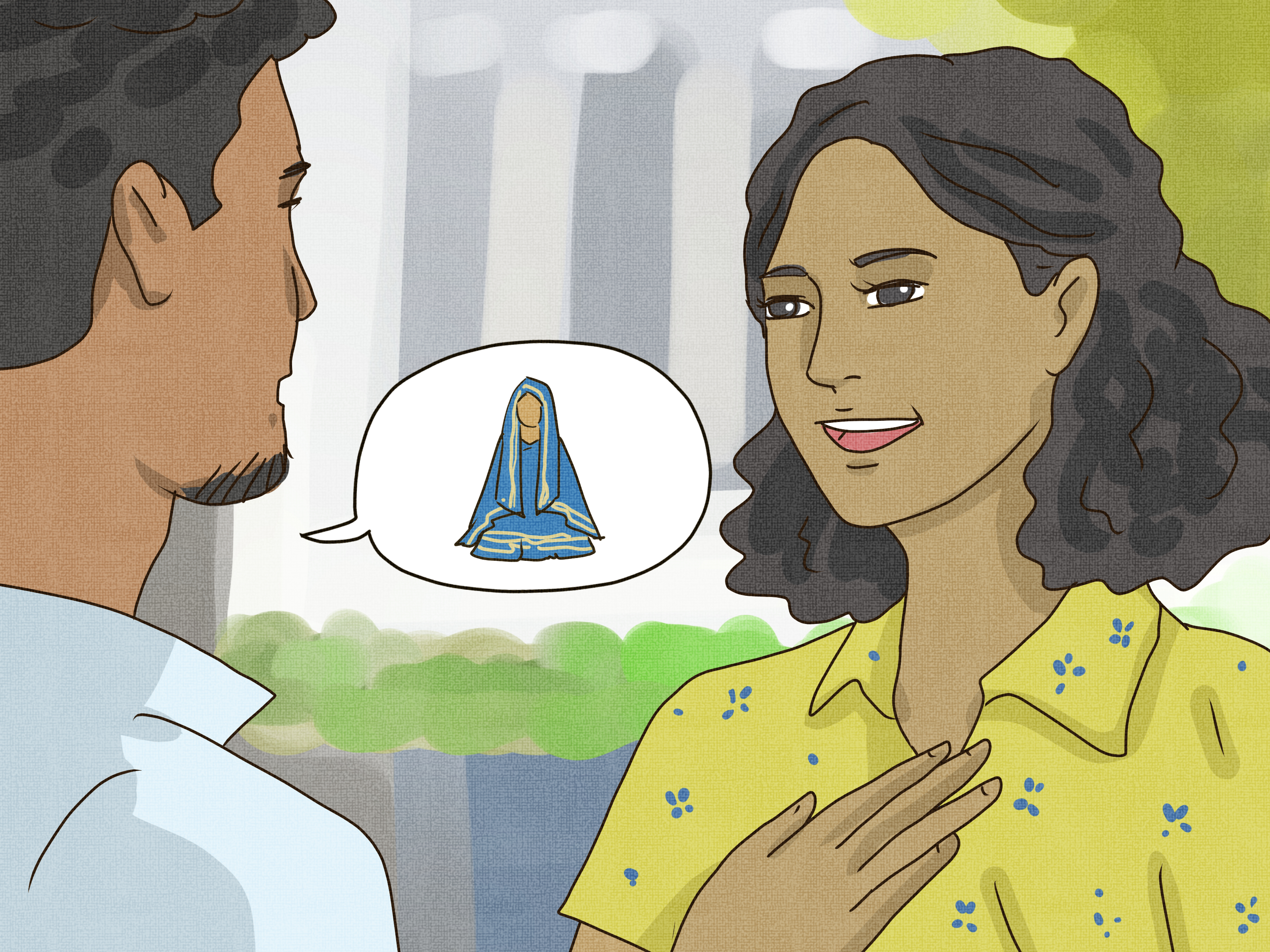
Note: This guide assumes that both people are adults, emotionally ready, and freely choosing the arranged marriage process. A good marriage cannot be built on pressure, secrecy, or “everyone said yes except the two people actually getting married.” That is not tradition; that is a future family group chat disaster waiting to happen.
Getting to know a girl before an arranged marriage can feel like trying to read an entire novel after someone only showed you the back cover, the family tree, and one professionally edited photo. You may know her education, hometown, family background, job, and whether her relatives describe her as “simple, caring, and family-oriented.” Lovely. But those words are so common in marriage introductions that they should probably come with a barcode.
The real question is deeper: who is she when she feels comfortable? What does she value? How does she handle disagreement? What kind of life does she imagine after marriage? Does she want a partnership, a traditional setup, a modern lifestyle, or a thoughtful mix of both? Most importantly, can the two of you speak honestly without performing for parents, relatives, or community expectations?
Arranged marriage is not the same as a blind leap. In healthy modern arranged marriage, families may introduce two people, but the decision should grow from mutual respect, clear consent, emotional understanding, and practical compatibility. Think of the process less like an interview and more like a careful conversation between two people asking, “Could we build a peaceful, meaningful life together?” Much less corporate. Hopefully fewer spreadsheets. Though honestly, one spreadsheet for finances is not a bad idea.
Why Getting to Know Her Matters Before Saying Yes
Marriage is not just a wedding day, a photo album, or a buffet where one uncle becomes emotionally attached to the dessert table. Marriage is daily life. It is budgeting, family obligations, career changes, tired evenings, celebrations, disagreements, holidays, and deciding who forgot to buy toothpaste again. Before an arranged marriage, both people deserve enough time and space to understand whether they are compatible beyond surface-level details.
Getting to know her helps you avoid assumptions. A person may look quiet in front of elders but be hilarious with close friends. She may seem traditional but want a career-focused life. She may appear modern but value close family involvement. None of these things are good or bad by themselves. The point is to understand them clearly before marriage, not discover them six months later during an argument about where to live.
Start With Respect, Not Interrogation
The first rule of getting to know a girl before an arranged marriage is simple: do not treat her like a candidate applying for the position of “wife.” She is not a résumé with jewelry. She is a person with hopes, habits, fears, opinions, and probably at least one snack preference that will become important later.
Begin with warmth and respect. Ask open-ended questions. Listen without interrupting. Share your own answers too, so the conversation feels balanced. If you ask about her goals, talk about yours. If you ask about family expectations, explain your own family situation honestly. A good conversation is not a police inquiry; it is a bridge.
Good First Questions to Ask
In the beginning, keep the conversation natural. You do not need to open with, “What is your five-year emotional conflict resolution framework?” That may be useful eventually, but on day one it sounds like you brought a whiteboard to a tea meeting.
Try questions such as:
- What does a happy married life look like to you?
- What kind of daily routine do you enjoy?
- How do you like to spend weekends?
- What are you most proud of in your life so far?
- What kind of partner do you hope to have?
- What makes you feel respected in a relationship?
These questions are gentle but meaningful. They reveal personality, values, and emotional expectations without making the conversation feel heavy too quickly.
Talk About Consent and Readiness First
Before discussing compatibility, make sure both of you actually want to consider marriage. This may sound obvious, but in arranged marriage settings, people sometimes feel family pressure and smile through discomfort. A respectful man should care not only whether the family agrees, but whether the girl herself feels free to say yes, no, or “I need more time.”
You can ask kindly, “How are you feeling about this process?” or “Do you feel comfortable taking time to decide?” These questions show maturity. They also create emotional safety. If she feels she can speak honestly with you before marriage, that is a good sign. If she feels afraid to be honest, the process needs to slow down.
Understand Her Core Values
Values are the invisible steering wheel of a marriage. Two people may enjoy the same food, music, and movies, but if their deepest values clash, daily life can become difficult. Before an arranged marriage, talk about what matters most to her.
Ask about family, independence, faith, career, money, kindness, lifestyle, personal growth, and community. You do not need identical values in every area, but you do need enough alignment to build trust. For example, if one person believes a married couple should live independently and the other expects to live permanently with extended family, that is not a tiny detail. That is a “please discuss before buying curtains” situation.
Questions About Values
- What values did your family teach you that you still care about?
- Which values have you changed your mind about as you grew older?
- How important is religion or spirituality in your daily life?
- How do you define respect between husband and wife?
- What kind of home environment feels peaceful to you?
Listen carefully not only to the words, but also to the tone. Does she speak with self-awareness? Does she respect differences? Can she explain what she wants without attacking people who live differently? These details matter.
Discuss Family Expectations Clearly
In arranged marriage, families are often involved from the beginning. That can be a blessing when families are supportive, wise, and respectful. It can become stressful when boundaries are unclear. Before marriage, discuss how both of you imagine handling parents, in-laws, holidays, financial help, household decisions, and privacy.
This conversation is not about rejecting family. It is about creating a healthy new family unit. A married couple needs enough independence to make decisions together, even while honoring parents. The balance may look different in every culture and household, but the couple should talk about it before marriage.
Important Family Questions
- Where do you imagine living after marriage?
- How often would you like to visit or host family?
- What role should parents have in major decisions?
- How should we handle disagreements between spouse and family?
- What boundaries help you feel comfortable and respected?
A strong partner does not need to choose between spouse and parents in every situation. But she should be able to discuss priorities, boundaries, and fairness. You should be able to do the same.
Talk About Career, Education, and Ambition
Career expectations can shape daily life after marriage. Some women want to continue working full time. Some want to start a business. Some may want to pause work during certain life stages. Some are still deciding. None of these choices should be assumed.
Ask about her goals with genuine curiosity. Do not ask in a way that sounds like you are checking whether her dreams will inconvenience your schedule. A healthy marriage allows both people to grow. If her ambition makes you nervous, be honest with yourself about why. If your expectations differ, talk openly before marriage rather than hoping the issue will politely disappear. Spoiler: it will not. It will bring luggage.
Career Questions to Ask
- What are your career goals for the next few years?
- How important is financial independence to you?
- Would you want to relocate for work or education?
- How do you imagine balancing work and family life?
- What kind of support would you expect from your husband?
Share your own career plans too. If your work requires travel, long hours, family business involvement, or relocation, be transparent. Hidden expectations are termites in the furniture of marriage: quiet at first, expensive later.
Discuss Money Before Money Becomes a Problem
Money conversations may feel awkward, but awkward now is much better than shocked later. Before an arranged marriage, discuss spending habits, saving goals, debt, financial responsibilities, lifestyle expectations, and whether both partners will contribute to household expenses.
You do not need to reveal every bank detail in the first meeting. But as the process becomes serious, financial transparency matters. Marriage joins lives, and money affects housing, children, travel, family support, emergencies, and daily comfort.
Smart Money Questions
- Are you more of a saver, spender, or balanced planner?
- What financial goals are important to you?
- How should a couple divide household expenses?
- Do you believe in joint accounts, separate accounts, or both?
- How should we handle financial support for parents or siblings?
Notice whether the conversation feels respectful. Money should not become a power tool. A good marriage treats finances as a shared responsibility, not a weapon, secret, or scoreboard.
Learn Her Communication Style
Compatibility is not only about agreeing. It is also about how two people disagree. Every couple will face conflict. The question is whether both people can discuss problems without insults, silence games, threats, or emotional shutdown.
Ask how she handles stress and disagreement. Does she prefer time to think before talking? Does she like direct conversation? Does she become quiet when upset? Do you? The goal is not to find someone who never gets upset. That person exists only in motivational posters and possibly very calm houseplants. The goal is to understand whether you can repair misunderstandings together.
Communication Questions
- When you are upset, do you prefer space or immediate conversation?
- How do you usually express disagreement?
- What makes you feel heard?
- What kind of tone or behavior hurts you during conflict?
- How should we handle arguments after marriage?
Also observe your own behavior. Do you listen well? Do you become defensive? Do you assume silence means agreement? Getting to know her also means letting her get to know the real you.
Look for Emotional Maturity
Emotional maturity is one of the most important qualities in a life partner. It shows in how someone handles disappointment, apologizes, speaks about others, accepts feedback, and manages pressure. Beauty, education, and family background may attract attention, but emotional maturity keeps peace in a home.
Pay attention to whether she can talk about difficult topics respectfully. Does she blame everyone else for every problem? Does she show empathy? Can she admit mistakes? Does she respect boundaries? You should hold yourself to the same standard. Marriage is not about finding a perfect person. It is about two imperfect people who are willing to learn without turning every disagreement into a courtroom drama.
Spend Time in Different Settings
One formal meeting is not enough to understand a person. If possible and culturally appropriate, speak in several settings: family meetings, phone calls, video calls, casual coffee, or supervised outings if needed. Different situations reveal different sides of personality.
Notice how she treats servers, children, elders, friends, and people who cannot offer her anything. Notice whether she listens, laughs naturally, asks questions, and seems comfortable being herself. Also notice whether you feel calm around her. Chemistry is nice, but peace is underrated. Peace is the quiet luxury no one puts on wedding invitation cards.
Ask About Daily Life, Not Just Big Dreams
Big dreams matter, but marriage is lived in daily habits. Ask about sleep schedules, food preferences, social life, cleanliness, hobbies, health routines, and personal space. These details may sound small, but they influence everyday happiness.
For example, one person may love hosting relatives every weekend, while the other needs quiet time to recharge. One may be highly organized, while the other believes chairs are acceptable clothing storage systems. These differences can be managed, but only if discussed with humor and honesty.
Daily Life Questions
- Are you more introverted or extroverted?
- How do you like to relax after a long day?
- How important is cleanliness and organization to you?
- Do you enjoy cooking, eating out, or both?
- How much personal time do you need in a relationship?
Small routines often reveal whether two people can share space comfortably. Romance may open the door, but daily habits decide whether the living room stays peaceful.
Discuss Children and Parenting Expectations
If the relationship becomes serious, discuss whether both of you want children, when you might want them, and what kind of parenting values matter. This is not a topic to postpone until after marriage. Differences about children can deeply affect a couple’s future.
Ask about parenting roles, education, discipline, cultural traditions, and support systems. Be respectful and honest. If one person wants children soon and the other wants to wait several years, that does not automatically mean the match cannot work, but it does mean the topic deserves careful discussion.
Talk About Privacy and Boundaries
Healthy boundaries are essential before and after marriage. In an arranged marriage process, families may be involved, but the couple still needs private space to decide. Ask how much personal privacy she expects. Discuss social media, phone privacy, friendships, alone time, and family involvement.
A good boundary is not a wall; it is a door with a handle. It lets respect enter and confusion leave. If either person believes marriage means losing all personal space, that should be discussed. Love does not require constant monitoring. Trust grows when both partners feel respected.
Watch for Red Flags Without Becoming Suspicious of Everything
It is wise to notice red flags, but do not turn the process into a detective movie where every pause means “mystery.” People can be nervous, shy, or careful in arranged marriage conversations. Still, some warning signs should not be ignored.
Possible Red Flags
- She seems pressured, frightened, or unable to speak freely.
- Either family refuses to allow basic private conversation between the two adults.
- Important facts about education, work, finances, or past commitments are hidden.
- One person mocks the other’s goals, beliefs, or boundaries.
- There is anger, controlling behavior, dishonesty, or disrespect early in the process.
- Major topics are avoided with “we will see after marriage.”
Not every mismatch is a red flag. Some are simply differences. The key is whether both people can discuss differences maturely and respectfully.
Use Premarital Counseling or a Trusted Mentor
Premarital counseling is not only for couples with problems. It can help two people ask better questions before marriage. A counselor, religious advisor, or wise mentor can guide conversations about communication, money, family, expectations, conflict, and long-term goals.
If formal counseling is not common in your community, consider structured conversations with a trusted married couple who respects privacy and does not pressure either person. The best guide is someone balanced, not someone whose only advice is, “Just adjust.” Adjustment is important, but it should not mean ignoring serious concerns.
How to Build Trust Before an Arranged Marriage
Trust grows through consistency. Be honest about who you are. Do not exaggerate income, lifestyle, education, family situation, or future plans. Do not pretend to be more traditional or more modern than you really are just to impress her. Acting is for theater, not marriage proposals.
Follow through on small promises. If you say you will call at 7, call at 7 or explain respectfully. If you need time to think, say so. If you disagree, be kind. Small actions show character faster than big speeches.
How Long Should You Take to Know Her?
There is no perfect timeline. Some families move quickly, while others allow months of conversation. What matters is not only the number of days but the quality of discussion. A couple can talk for six months and avoid every important topic. Another couple can have several honest conversations and understand key areas clearly.
Do not rush because relatives are excited, the wedding hall has a discount, or someone said, “Good matches do not wait.” A good match should be strong enough to allow thoughtful decision-making. Marriage deserves more careful consideration than buying a phone, and people read 47 reviews before buying a phone case.
Practical Conversation Plan Before Deciding
First Conversation: Comfort and Personality
Talk about hobbies, daily routine, education, work, family, and general expectations. Keep it light but sincere. The goal is comfort.
Second Conversation: Values and Lifestyle
Discuss marriage expectations, religion, career, living arrangements, family involvement, and personal goals. Begin identifying alignment and differences.
Third Conversation: Serious Compatibility
Talk about finances, conflict, children, boundaries, privacy, and long-term plans. This is where honesty matters most.
Fourth Conversation: Concerns and Decision
Share doubts respectfully. Ask what concerns she has. Decide whether both of you want more time, counseling, or a clear yes or no.
Experiences Related to Getting to Know a Girl Before an Arranged Marriage
One of the most useful experiences many couples describe is the moment they stop trying to impress each other and start speaking normally. In the first meeting, both people may act like upgraded versions of themselves. He speaks as if he has never lost patience in his life. She smiles politely even when the conversation is as exciting as a tax form. Families hover nearby, tea cups appear, and everyone behaves as though marriage compatibility can be measured by how gracefully someone accepts snacks.
But real understanding begins later, when the conversation becomes more human. For example, a man might ask, “What does a stressful day look like for you?” That simple question can reveal far more than asking only about degrees or job titles. She might say she becomes quiet when overwhelmed, or that she likes solving problems immediately, or that she needs encouragement rather than advice. Suddenly, he is not just learning facts about her; he is learning how to care for her.
Another common experience is discovering that compatibility is not always dramatic. Sometimes it appears in small moments. She asks about his mother’s health because he mentioned it once. He remembers that she has an important work deadline and does not pressure her for a long call. They disagree about something small, like where they would prefer to live, but both explain their views calmly. These little signs matter. Marriage is built less on grand declarations and more on repeated evidence of respect.
Some people also learn that a good match is not the same as a perfect match. A girl may have different hobbies, a different communication style, or different family traditions. That does not mean the match is wrong. The real question is whether both people can make room for differences without resentment. If she loves quiet weekends and he loves social gatherings, they can discuss balance. If she wants to continue her career and he expected a more traditional household, they need honest conversation. Compatibility is not sameness; it is workable understanding.
A valuable experience in arranged marriage conversations is asking about fears. This should be done gently, after some trust exists. Many people entering arranged marriage worry about losing independence, disappointing family, being misunderstood, or discovering incompatibility too late. When a girl shares a fear, do not rush to dismiss it with “Don’t worry, everything will be fine.” That may sound comforting, but it can feel shallow. A better response is, “I understand why that matters. How can we handle that together?” This shows emotional maturity.
Another lesson is that families can support the process, but they should not replace the couple’s own judgment. Parents may notice background, reputation, and practical details. Those are important. But only the couple can understand emotional comfort, communication, attraction, and shared vision. A respectful family gives guidance without turning the decision into a group voting ceremony.
Finally, many successful couples say that honesty before marriage saved them from confusion after marriage. They discussed money, family, children, work, and boundaries early. Not always perfectly. Sometimes awkwardly. Sometimes with nervous laughter. But they chose clarity over guessing. That is the heart of getting to know a girl before an arranged marriage: not collecting perfect answers, but creating a safe space where two people can tell the truth and decide wisely.
Conclusion
Getting to know a girl before an arranged marriage is not about testing her, impressing her, or rushing toward a decision because everyone else is ready. It is about building respectful understanding between two adults who may share a future. Ask thoughtful questions. Listen with patience. Talk about values, family, career, money, communication, boundaries, and daily life. Notice how she treats others and how you feel when speaking with her. Give her the same honesty and respect you hope to receive.
A healthy arranged marriage process should include consent, time, privacy, and real conversation. When two people can speak openly before marriage, they create a stronger foundation for everything that comes after the wedding day. The goal is not simply to say yes. The goal is to say yes with clarity, confidence, and mutual respect.














