
Few houseplants look as effortlessly elegant as Ficus benjamina, also known as the weeping fig. With its arching branches, glossy green leaves, and tree-like shape, it can make a living room feel like a tiny conservatoryminus the dramatic greenhouse budget. But let’s be honest: this plant has a reputation. One minute it looks like a graceful indoor tree; the next, it drops leaves like it just heard bad news.
The good news? Ficus benjamina is not impossible to grow. It is simply a plant that loves routine. Think of it as the houseplant version of someone who orders the same coffee every morning and gets suspicious when the barista changes the cup lid. Give it bright indirect light, steady warmth, careful watering, and a calm environment, and it can reward you with years of lush growth.
This complete guide explains how to grow a Ficus benjamina indoors, how to water it, when to prune it, why it drops leaves, how to repot it, and how to keep it looking full instead of like a tired umbrella. Whether you are raising your first weeping fig or rescuing one from a corner of shame, this guide will help you build a simple, reliable care routine.
What Is Ficus Benjamina?
Ficus benjamina is a tropical evergreen tree in the fig family. Indoors, it is commonly grown as a decorative houseplant with slender branches and small oval leaves. Outdoors in warm climates, it can grow into a large landscape tree, but indoors it usually stays much smaller and is often shaped as a standard tree, braided trunk plant, bonsai, or bushy floor plant.
Its common name, weeping fig, comes from the plant’s graceful, drooping branch habitnot because it cries every time you move it. Although, judging by its famous leaf drop, that nickname does feel suspiciously accurate.
Why People Love Growing Weeping Fig Indoors
Ficus benjamina remains popular because it gives you the look of an indoor tree without needing a giant sunroom. It can fit into modern apartments, offices, bright bedrooms, and entryways. Its dense canopy softens hard corners, adds height to plant collections, and creates a polished “I definitely have my life together” atmosphereeven if your laundry says otherwise.
It is also adaptable once settled. The key phrase is once settled. A weeping fig can tolerate normal household conditions, but it does not enjoy sudden changes in light, temperature, airflow, or watering. Stability is the secret ingredient.
Best Light for Ficus Benjamina
Light is the foundation of healthy Ficus benjamina care. This plant grows best in bright, indirect light. A spot near an east-facing window is often excellent because the plant receives gentle morning sun without harsh afternoon heat. A south- or west-facing window can also work if the plant is set back a few feet or protected by a sheer curtain.
Direct sun is not always bad, but strong midday or afternoon sun can scorch leaves, especially if the plant has been living in softer indoor light. If you want to give it a little direct sun, introduce it gradually. Plants, like people, do not appreciate being thrown onto a beach at noon with no sunscreen.
Signs Your Ficus Needs More Light
A Ficus benjamina growing in too little light may become thin, leggy, and slow-growing. Its leaves may yellow and drop, and new growth may appear weak. If the plant is sitting in a dim corner where you can barely read a book, it is probably not enough light for long-term success.
If natural light is limited, a grow light can help. Use it consistently for several hours per day, especially in winter when daylight is shorter. The goal is not to blast the plant like a stage performer, but to provide steady brightness that supports photosynthesis.
How to Water a Ficus Benjamina
Watering is where many weeping fig owners accidentally turn into villains. The most common mistake is overwatering. Ficus benjamina likes moisture, but it does not want soggy soil. Roots need oxygen as much as they need water, and constantly wet potting mix can lead to root stress or root rot.
A practical rule is to water when the top inch or two of soil feels dry. Push your finger into the potting mix. If it still feels damp, wait. If it feels dry near the top but not bone-dry all the way through, it is usually time to water.
The Right Way to Water
When watering, water thoroughly until excess moisture drains from the bottom of the pot. Then empty the saucer. Do not let the plant sit in standing water. A Ficus benjamina may look fancy, but it does not want a personal swamp.
During spring and summer, when growth is active, the plant may need water more often. During fall and winter, growth slows and the soil dries more slowly, so watering should usually be reduced. Always check the soil instead of following a strict calendar. “Every Saturday” is convenient for humans, but plants do not own planners.
Best Soil and Pot for Ficus Benjamina
Use a well-draining indoor potting mix. A standard houseplant mix works well if it drains freely. If the mix feels heavy or stays wet for too long, add ingredients such as perlite, fine bark, or pumice to improve aeration. The best soil holds enough moisture for the roots but lets extra water escape.
The pot must have drainage holes. This is non-negotiable. Decorative cachepots are fine, but the plant itself should sit in a nursery pot or container that allows water to drain. Without drainage, you are not growing a ficus; you are conducting a slow-motion root soup experiment.
Does Ficus Benjamina Like Being Root-Bound?
Ficus benjamina can tolerate being slightly root-bound. In fact, it often grows well when its roots are a little snug. However, if water runs straight through the pot, roots circle tightly around the bottom, or growth has stalled for a long time, repotting may be needed.
Choose a new pot only one to two inches wider than the old one. Moving into a much larger pot increases the risk of excess wet soil around the roots. Repot in spring when the plant is entering active growth and can recover more quickly.
Temperature and Humidity Requirements
Ficus benjamina prefers warm, stable indoor temperatures. A comfortable range for most homes is about 65 to 80 degrees Fahrenheit. Avoid cold drafts, sudden temperature swings, open winter doors, air-conditioning blasts, and heating vents. If the leaves could talk, they would say, “Please stop changing the weather in here.”
Humidity is also helpful. The weeping fig is tropical, so it appreciates moderate to high humidity. Normal household humidity may be adequate, but dry winter air can cause stress, brown leaf tips, or increased leaf drop. A humidifier is the most effective fix. A pebble tray can help slightly, and grouping plants together can create a more humid microclimate.
How to Fertilize Ficus Benjamina
Feed Ficus benjamina during the active growing season, usually spring through early fall. Use a balanced liquid houseplant fertilizer diluted to half strength once a month, or follow the directions on your chosen product. More fertilizer does not mean more success. It can burn roots, create salt buildup, and make the plant cranky.
In winter, reduce or stop fertilizing because the plant is not growing as actively. Fertilizing a resting plant is like serving a full dinner to someone who just said they are not hungry. It is unnecessary and may cause problems.
Why Ficus Benjamina Drops Leaves
Leaf drop is the most famous Ficus benjamina drama. The plant may shed leaves after being moved, repotted, chilled, underwatered, overwatered, exposed to drafts, or placed in lower light. Sometimes it drops leaves simply because the season changed and indoor conditions shifted.
The important thing is not to panic. A few dropped leaves do not mean the plant is doomed. First, inspect the care conditions. Has it been moved recently? Is it near a vent? Did watering change? Is the room darker than it was in summer? Once you identify the stress and restore stable conditions, the plant can often recover.
How to Reduce Leaf Drop
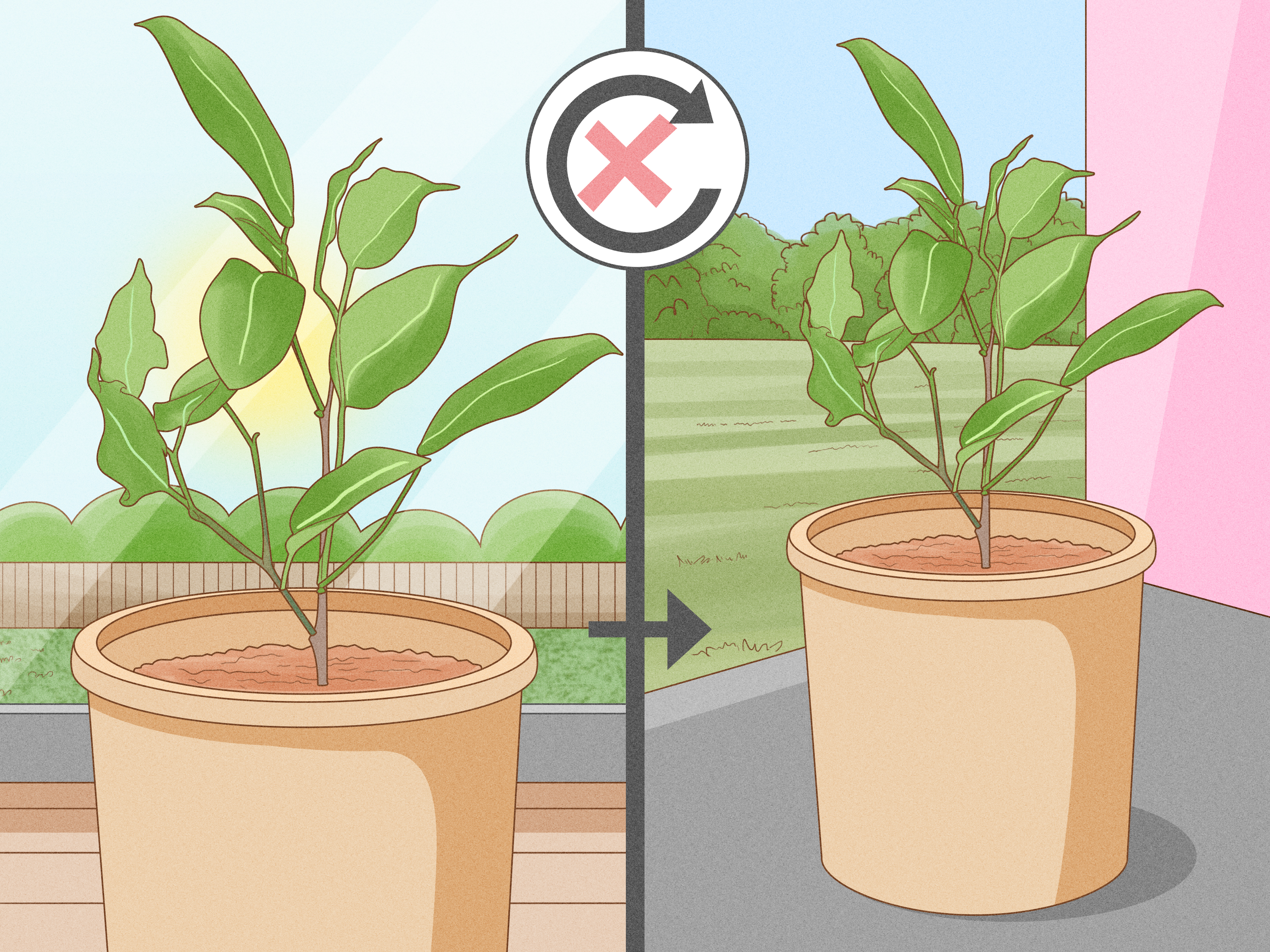
Place your Ficus benjamina in a bright, protected spot and keep it there. Rotate the pot slightly every few weeks if needed for even growth, but avoid constantly relocating it. Water consistently, protect it from drafts, and avoid sudden changes. If you bring it outdoors for summer, transition it gradually and bring it back indoors before nights become chilly.
When a weeping fig drops leaves, resist the urge to “fix” it with extra water, fertilizer, and a new location all at once. That is like trying to calm someone down by turning on fireworks. Make one thoughtful adjustment at a time.
Pruning Ficus Benjamina
Pruning helps maintain shape, control height, and encourage fuller growth. The best time to prune is usually late winter or spring before strong new growth begins. Use clean, sharp pruning shears and cut just above a leaf node or branch junction.
Remove dead, damaged, crossing, or awkward branches. If the plant is getting leggy, lightly trim branch tips to encourage branching. Avoid removing too much at once unless the plant is healthy and actively growing. A light, confident haircut is better than a botanical buzz cut.
Important Pruning Tip
Ficus plants produce a milky sap when cut. This sap may irritate skin, so wearing gloves is smart. Wipe tools after pruning and keep cuttings away from curious pets or children. If your pet likes to chew houseplants, place the ficus where it cannot become a leafy snack bar.
How to Repot a Ficus Benjamina
Repot only when needed. Signs include roots growing from drainage holes, water running through too quickly, soil that has broken down, or a plant that becomes top-heavy and unstable. Spring is the best season for repotting because the plant is preparing for active growth.
To repot, water the plant a day before, gently remove it from the old container, loosen tightly circling roots, and place it in a slightly larger pot with fresh potting mix. Keep the plant at the same soil level it had before. After repotting, water thoroughly and place it back in its usual bright, indirect light.
Do not be surprised if it drops a few leaves afterward. Repotting is stressful, even when done correctly. Keep conditions steady and give it time.
Common Pests and Problems
Ficus benjamina can attract common houseplant pests such as scale insects, mealybugs, spider mites, thrips, and fungus gnats. Check the undersides of leaves, stems, and branch joints regularly. Sticky residue, cottony white patches, fine webbing, speckled leaves, or tiny flying insects around the soil can all signal pest trouble.
How to Handle Pests
Start with simple control methods. Rinse leaves, wipe stems, remove visible pests with a cotton swab dipped in rubbing alcohol, and isolate the plant from other houseplants. Insecticidal soap or horticultural oil may help when used according to label directions. Repeat treatments are often necessary because pests rarely pack up and leave after one polite request.
Keeping leaves clean also supports plant health. Dust blocks light and makes pest inspection harder. Wipe glossy leaves gently with a damp cloth every few weeks. Your ficus will look better, photosynthesize better, and stop looking like it lives in an abandoned library.
How to Propagate Ficus Benjamina
Ficus benjamina can be propagated from stem cuttings, although it may take patience. Choose a healthy stem tip with several leaves. Cut below a node using sterile shears, remove the lower leaves, and place the cutting in a moist, well-draining rooting medium such as perlite and peat or a light propagation mix.
Keep the cutting in bright indirect light with warm temperatures and high humidity. A clear plastic cover can help maintain humidity, but it should be opened occasionally for airflow. The medium should stay lightly moist, not soggy. Rooting hormone may improve success, especially for woody cuttings.
Can Ficus Benjamina Grow Outdoors?
In warm climates, Ficus benjamina can grow outdoors as a landscape plant. However, it is frost-sensitive and can become large. Its roots may be aggressive in outdoor landscapes, so it should not be planted near foundations, pipes, sidewalks, pools, or other structures. In colder regions, it is best treated as an indoor plant or moved outdoors only during warm months.
If you move an indoor ficus outside for summer, place it in morning sun and afternoon shade. Acclimate it slowly over one to two weeks. Before bringing it back indoors, inspect carefully for pests and clean the leaves. The plant may still drop leaves after the move, but a gradual transition reduces the shock.
Best Placement in the Home
The best indoor location for Ficus benjamina is bright, warm, and calm. Place it near a window with filtered light, away from doors, vents, fireplaces, and drafty glass. A living room corner near an east window, a bright office, or a sunlit bedroom can work beautifully.
Once you find a good place, resist the temptation to redecorate with the ficus every weekend. This plant is not a throw pillow. It wants a permanent address.
Quick Ficus Benjamina Care Checklist
- Light: Bright, indirect light; gentle morning sun is usually fine.
- Water: Water when the top inch or two of soil feels dry.
- Soil: Use a well-draining indoor potting mix.
- Temperature: Keep warm and stable, ideally around normal room temperatures.
- Humidity: Moderate humidity is helpful; avoid dry heater air.
- Fertilizer: Feed lightly during spring and summer; pause in winter.
- Pruning: Prune in late winter or spring to shape and encourage fullness.
- Repotting: Repot in spring only when needed, using a slightly larger pot.
Personal Growing Experience: Lessons From Living With a Ficus Benjamina
Growing a Ficus benjamina teaches patience faster than almost any other houseplant. My first experience with one started with confidence and ended with a floor full of leaves. I brought home a beautiful weeping fig, placed it in a dim corner because it “looked perfect there,” watered it whenever I remembered, and then acted personally betrayed when it began dropping leaves. In reality, the plant was not being dramatic. It was filing a formal complaint.
The biggest lesson was that placement matters more than decoration. A ficus may look stunning beside a bookshelf, but if that corner is too dark, the plant will slowly thin out. When moved near brighter indirect light, it usually performs much better. The trick is to choose the right place early, then leave it alone. Every move forces the plant to adjust to a new light angle, airflow pattern, and temperature condition. A weeping fig can adapt, but it prefers not to adapt every Tuesday.
Watering was the second lesson. At first, I tried to follow a weekly schedule. That worked for about two weeks, then failed completely when the weather changed. During warm months, the soil dried faster. During cooler months, it stayed wet longer. The better method was checking the soil with a finger and lifting the pot slightly to feel its weight. Dry soil and a lighter pot meant it was time to water. Damp soil meant wait. This simple habit prevented both underwatering and the dreaded soggy-root situation.
Cleaning the leaves also made a noticeable difference. Ficus leaves collect dust, especially in homes with open windows, pets, or ceiling fans. Wiping the leaves with a damp cloth made the plant look instantly healthier and helped me spot pests before they became a full-blown insect convention. A clean ficus looks greener, brighter, and more expensiveeven if it came from the clearance section.
Pruning was another confidence builder. Many beginners are afraid to cut their ficus, but selective pruning helps it grow fuller. Cutting just above a node encourages branching, while removing dead or awkward stems improves the overall shape. The key is not to panic-prune after leaf drop. Wait until the plant stabilizes, then trim thoughtfully.
The final lesson is simple: consistency beats perfection. You do not need a greenhouse, rare fertilizer, or a complicated care chart. You need bright indirect light, proper drainage, moderate watering, warm temperatures, and a stable location. Once those basics are in place, Ficus benjamina becomes far less mysterious. It may still drop a few leaves now and thenbecause apparently it has a flair for theaterbut with steady care, it can become one of the most graceful and long-lasting plants in your home.
Conclusion
Learning how to grow a Ficus Benjamina is mostly about learning how to keep things steady. This elegant indoor tree does not ask for constant attention; it asks for the right attention. Give it bright indirect light, water only when the upper soil begins to dry, use a well-draining pot, protect it from drafts, and avoid moving it around unnecessarily.
If your weeping fig drops leaves, do not assume failure. Leaf drop is often a reaction to change, not a death sentence. Review the basics, correct the stress, and give the plant time to recover. With patience and consistency, Ficus benjamina can grow into a beautiful indoor tree that adds height, softness, and a touch of tropical calm to your home.
In short, treat your ficus like a slightly fancy guest: give it good light, a comfortable room, clean leaves, and no sudden surprises. Do that, and it may reward you with years of glossy growthand only the occasional leafy tantrum.













