
Note: This article is for educational purposes only and should not replace medical advice. A water birth or water immersion during labor should be planned with a qualified obstetrician, certified nurse-midwife, or licensed birth professional who can assess your pregnancy, monitor your baby, and move quickly if complications appear.
Introduction: Water Birth, Minus the Mermaid Myths
A water birth sounds beautifully simple: warm water, low lighting, calm breathing, and a baby entering the world in a gentler environment. In reality, it is not a spa day with contractions as a bonus feature. A safe water birth takes planning, medical screening, a trained birth team, clean equipment, and a clear backup plan.
Water birth usually means laboring and sometimes delivering in a tub or birth pool filled with warm water. Some parents use water only during the first stage of labor for comfort, then leave the tub before pushing. Others remain in the water for the actual birth. The distinction matters because many U.S. medical organizations agree that water immersion during early labor can help with pain relief and relaxation for low-risk pregnancies, while underwater delivery itself remains more debated and requires careful informed consent.
If you are considering a water birth, the goal is not to prove you are tougher than everyone else in the maternity ward. The goal is to create a safe, supported birth environment where your body can work, your baby can be monitored, and your care team can respond if birth decides to improvise, as birth often does.
What Is a Water Birth?
A water birth is a childbirth option in which a pregnant person labors in warm water and may choose to deliver the baby in the water. The water is usually deep enough to cover the belly and allow buoyancy, which can make it easier to change positions. A proper birth pool is not the same thing as a hot tub. The water should be warm, clean, carefully monitored, and never so hot that it causes overheating or dehydration.
Water immersion during labor is often used as a non-drug comfort measure. It may reduce pain perception, support relaxation, decrease anxiety, and help some people feel more private and in control. For many parents, the best version of water birth is flexible: use the tub when it helps, leave the tub when safety calls, and do not treat the birth plan like a legally binding contract with the universe.
Benefits and Risks to Understand First
Potential benefits
For low-risk pregnancies, laboring in water may help reduce the need for epidural or spinal pain relief, ease muscle tension, encourage position changes, and make contractions feel more manageable. Warm water can create a sense of privacy and calm, which may lower stress hormones and help the laboring person focus. Some research also suggests water birth may be associated with fewer episiotomies, improved satisfaction, and possibly lower rates of some interventions, although findings vary by study design and clinical setting.
Possible risks
Water birth is not risk-free. Reported concerns include infection, difficulty maintaining the newborn’s temperature, respiratory problems if the baby inhales water, umbilical cord tearing when the baby is lifted too quickly, slips or falls, and delays in emergency care if the person cannot leave the tub quickly. These events are uncommon, but they are serious enough that water birth should never be a casual do-it-yourself project.
Who may not be a good candidate?
Water birth may not be recommended if you have a high-risk pregnancy, preterm labor, preeclampsia, uncontrolled gestational diabetes, heavy bleeding, active infection, fever, a baby in breech or transverse position, multiples, concerning fetal heart rate patterns, thick meconium, or a need for continuous interventions that cannot be safely done in water. Policies vary, so your provider’s screening criteria matter.
How to Have a Water Birth: 13 Steps
1. Talk to your healthcare provider early
Bring up water birth during prenatal care, ideally before the third trimester. Ask whether your pregnancy is low-risk enough for water immersion, whether your provider supports laboring in water, and whether giving birth in water is allowed at your chosen location. Be direct: “Can I labor in water?” and “Can I deliver in water?” may have two different answers.
2. Choose the right birth setting
Water birth may be available in some hospitals, birth centers, or planned home birth practices. Hospitals may allow water immersion for labor but require delivery on land. Birth centers may be more likely to offer full water birth, depending on state laws, staff training, and facility protocols. Choose a place with clear safety rules, not just pretty photos of tubs and fairy lights.
3. Work with an experienced birth professional
A safe water birth requires a trained obstetrician, certified nurse-midwife, licensed midwife, or qualified birth team familiar with water birth protocols. Experience matters. Your provider should know how to monitor fetal heart tones in water, recognize warning signs, prevent cord traction, maintain hygiene, and help you exit the tub quickly if needed.
4. Review your eligibility close to your due date
Being eligible at 28 weeks does not guarantee eligibility at 40 weeks. Your provider will reassess your blood pressure, baby’s position, gestational age, infection status, fetal well-being, and overall health. Many practices limit water birth to term pregnancies, often from 37 weeks onward, with one baby in a head-down position and no major complications.
5. Create a flexible birth plan
Write a water birth plan that includes your preferences for lighting, support people, music, pain relief, hydration, monitoring, and newborn care. Then add the most important line: “I agree to leave the tub if my care team recommends it.” That sentence is not a defeat. It is the grown-up safety valve that keeps your plan centered on a healthy parent and baby.
6. Ask about tub cleaning and infection control
The tub should be cleaned and disinfected according to strict protocols. Many facilities use disposable liners, fresh hoses, clean water, gloves, and equipment designed for water birth. Ask how the tub is sanitized, whether jetted tubs are used, how long water may sit before use, and what happens if stool, blood, or other fluids enter the water. Birth is natural; infection control should still be professional.
7. Keep the water temperature safe
The water should feel warm and soothing, not hot. Overheated water can raise your body temperature, increase dehydration, and potentially stress the baby. Your birth team should check the temperature regularly. A common practical range is close to body temperature, but follow your provider’s protocol. If you feel dizzy, sweaty, overheated, or weak, speak up and cool down.
8. Enter the tub at the right time
Many people wait until active labor before getting into the tub. Entering too early may feel wonderful at first but can sometimes slow contractions for some laboring people. A practical approach is to use movement, breathing, showering, or a birth ball in early labor, then enter the tub when contractions are strong, regular, and you need deeper comfort.
9. Use water-friendly labor positions
One major advantage of water immersion is mobility. You may try kneeling, squatting, side-lying, leaning over the edge, sitting on a built-in seat, or floating with support. The water helps reduce pressure on joints and may make position changes easier. Your provider may suggest certain positions to help the baby descend, relieve back labor, or keep fetal monitoring accessible.
10. Continue fetal and maternal monitoring
A water birth should not mean disappearing from medical care like a submarine. Your baby’s heart rate still needs monitoring, often with a waterproof Doppler or water-safe monitor. Your temperature, pulse, bleeding, hydration, and labor progress also matter. If your baby’s heart rate becomes concerning, your temperature rises, or labor changes unexpectedly, the tub may no longer be the safest place.
11. Stay hydrated and fueled appropriately
Warm water can make you sweat without realizing it. Keep water or electrolyte drinks nearby if your provider allows them. Some people can sip broth, juice, or eat light snacks in early labor depending on facility policy and personal risk factors. Dehydration can make fatigue worse, and labor already has enough drama without adding “forgot to drink water” to the plot.
12. Know when to get out of the tub
You may be asked to leave the tub if there is heavy bleeding, fever, dizziness, faintness, concerning fetal heart tones, thick meconium, slow progress requiring intervention, shoulder dystocia concern, umbilical cord complications, or a request for pain medication such as an epidural. You may also simply decide the tub is no longer helping. Changing your mind is allowed. Birth plans are tools, not personality tests.
13. Bring the baby up carefully and start newborn care
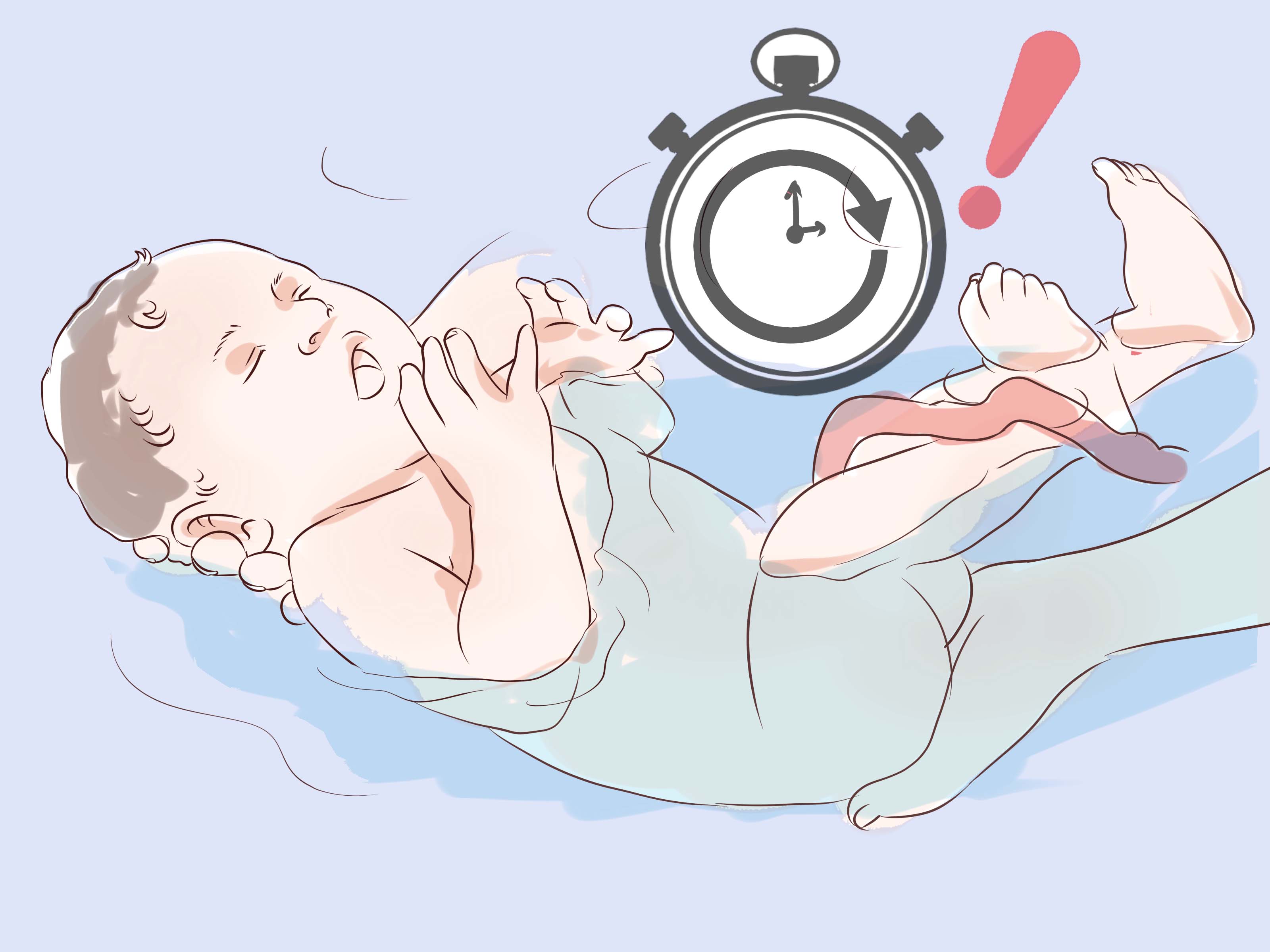
If your provider supports underwater delivery and everything remains normal, the baby is usually brought gently to the surface soon after birth, without pulling on the umbilical cord. The baby’s face should remain out of the water once lifted. Your team will assess breathing, color, tone, temperature, and overall well-being. Skin-to-skin contact, delayed cord clamping, breastfeeding initiation, and placenta delivery may happen according to your condition, baby’s condition, and local protocol.
What to Pack for a Water Birth
Your packing list depends on whether you are giving birth at a hospital, birth center, or home. Useful items may include a comfortable robe, towels, a sports bra or birth top, hair ties, waterproof music speaker if allowed, lip balm, water bottle, electrolyte drinks, snacks for your support person, and easy clothes for after birth. If planning a home water birth, your midwife may provide or recommend a birth pool, liner, hose, pump, thermometer, net, tarp, clean towels, and emergency supplies.
Do not rely on random inflatable tubs unless your provider approves them. A birth pool should be sturdy, deep enough, easy to enter and exit, and compatible with infection-control standards. Also check your hot water supply. Running out of warm water halfway through labor is not a charming plot twist.
Safety Tips for a Better Water Birth Experience
First, never labor or birth in water without trained support. Second, make sure the tub has safe entry and exit points because wet floors are basically slapstick comedy with medical consequences. Third, keep the room warm enough for the baby after birth. Fourth, avoid oils, bath bombs, bubble bath, or scented additives unless your provider specifically allows them. Your birth pool is not the place to test a lavender glitter soak from a holiday gift basket.
Most importantly, stay flexible. Many parents use water beautifully during labor and then deliver on land. Others plan a land birth and end up loving the tub for pain relief. A successful birth is not defined by whether the baby arrives underwater. It is defined by informed choices, timely care, and a safe outcome.
Experiences Related to Water Birth: What Parents Often Notice
Many water birth stories begin with the same surprise: the water does not erase contractions, but it changes the way they feel. Parents often describe the tub as a reset button. The room becomes quieter, the body feels lighter, and contractions may feel less sharp or less overwhelming. One common experience is that the laboring person enters the water tense, shoulders up near the ears, and within minutes begins breathing more slowly. The water cannot do the work for you, but it can make the work feel less like wrestling a bear in a grocery store parking lot.
Another frequent theme is privacy. Labor can make even confident people feel watched, measured, and interrupted. The tub creates a small personal zone. Support people may still be nearby, the provider still monitors, and the baby is still carefully checked, but the warm water can help the parent turn inward. Some describe it as feeling protected. Others say it helped them stop performing and simply labor.
Position changes are another practical benefit. On land, moving from hands-and-knees to squatting to side-lying may feel like rearranging furniture during a thunderstorm. In water, buoyancy can make those shifts easier. Parents with back labor may lean forward over the edge of the tub while a partner applies counterpressure. Others kneel, sway, or float between contractions. The ability to move can help the laboring person feel less trapped by pain.
Support partners often have their own experience. They may feel useful handing over water, offering cool cloths, timing contractions, helping with breathing, or simply being steady. A water birth can be intimate, but it should not become a one-person hero mission. The best support people listen more than they talk. Labor is usually not the moment for motivational speeches that sound like a sports movie trailer.
Some parents also report disappointment if they need to leave the tub. That feeling is understandable. After imagining a peaceful water birth for months, moving to the bed for monitoring or delivery can feel like losing the dream. But many later say they were grateful their team acted early. A strong birth experience can include a pivot. Getting out of the tub because the baby needs closer monitoring is not failure; it is parenting, possibly the first official act of putting the baby’s needs ahead of the mood board.
For others, the tub is helpful only for part of labor. They may love it for transition, then suddenly want to stand, use the toilet, lie down, or request medication. This is normal. Labor preferences can change quickly because labor is not a spreadsheet. The body gives new information every few minutes, and the smartest plan is the one that can adapt.
The most positive water birth experiences tend to share a few ingredients: realistic expectations, a low-risk pregnancy, a skilled provider, clean equipment, continuous monitoring, and a willingness to change course. Parents often remember not just the water, but the feeling of being respected. They were informed, supported, and included in decisions. That is the real heart of water birth: not the tub itself, but the calm, capable care around it.
Conclusion: Should You Have a Water Birth?
A water birth can be a peaceful, empowering option for some low-risk pregnancies, especially when it is supported by trained professionals and strong safety protocols. Warm water may help with pain relief, relaxation, mobility, and emotional control during labor. However, underwater delivery is not right for everyone, and some hospitals or providers may recommend laboring in water but delivering on land because of ongoing safety debates and newborn concerns.
The best approach is to ask early, choose an experienced care team, understand your eligibility, and stay flexible. A beautiful birth is not measured by whether every detail goes according to plan. It is measured by informed decisions, safe care, and the moment you meet your baby, slippery, loud, tiny, and somehow already in charge.













